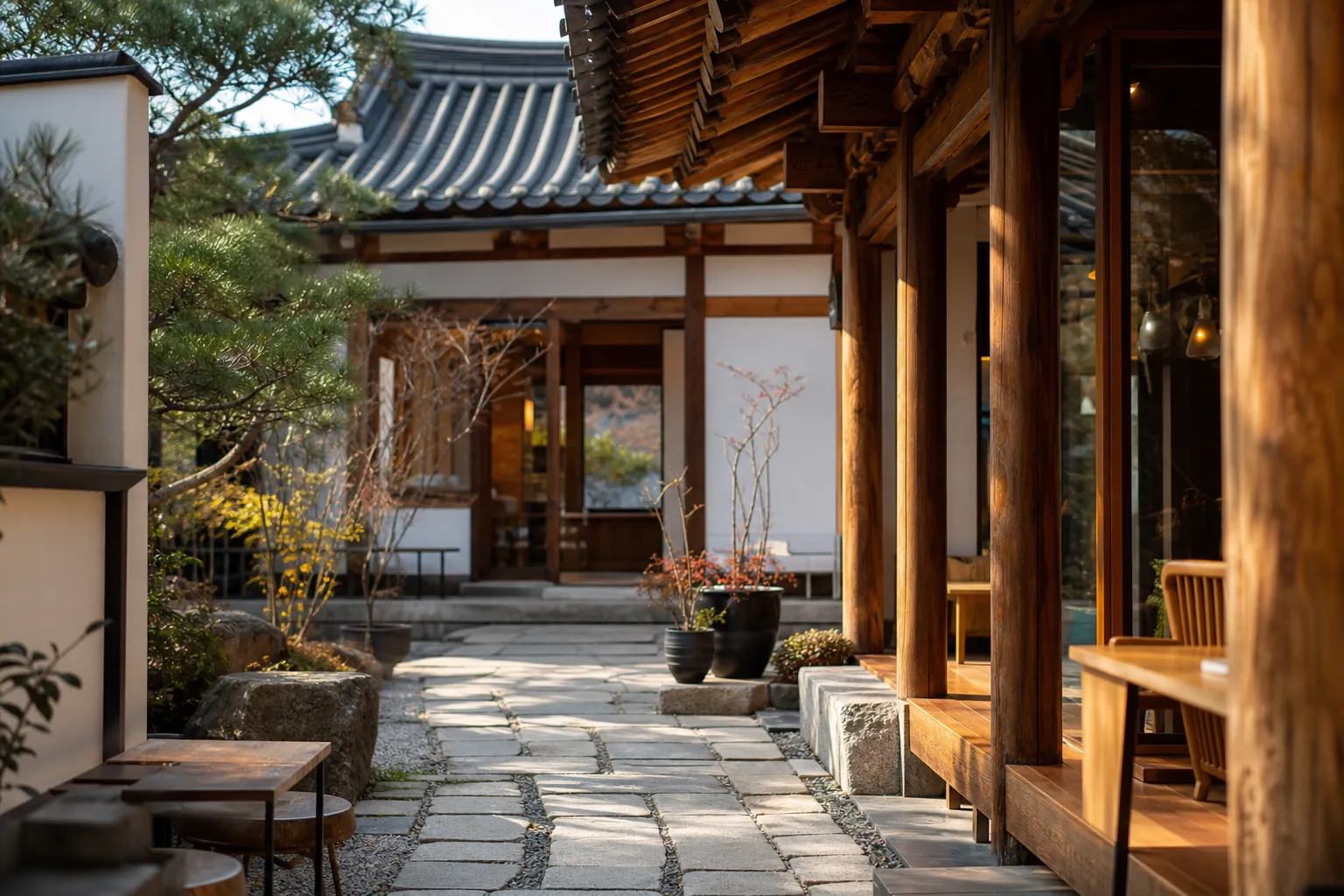
Suyeonsanbang is more than a beautiful traditional teahouse in Seongbuk-dong. It is one of the cultural anchors now helping Seongbuk-dong-gil grow as a local brand district built around Seongbuk-dong Heritage, literature, modern art, hanok atmosphere, and small-street culture.
The story begins with a house. Suyeonsanbang was designed and built in 1933 by Sangheo Lee Tae-jun, and the building is described as a modernized hanok that now operates as a traditional teahouse.1 That combination gives the place a layered identity: it is connected to a major literary figure, it preserves a hanok setting, and it remains part of everyday neighborhood life rather than standing only as a distant cultural relic.
Suyeonsanbang as a Local Brand Anchor
Seongbuk-dong-gil’s local brand appeal depends on more than one famous address, but Suyeonsanbang plays a clear role in the area’s cultural map. In coverage of Seoul hanok destinations introduced by the Seoul Tourism Foundation, Suyeonsanbang was highlighted as a Seongbuk-dong site with ties to visual culture as well as literary heritage. The same source notes that the house has been mentioned as a background for screen works including the film “The Housemaid,” the drama “The World of the Married,” and the MBC variety show “Hangout with Yoo.”1
That matters because local branding works best when a place can be understood at several speeds. A visitor may first notice the roofline, the quiet mood, or the teahouse identity. Someone interested in Korean literature may connect it to Lee Tae-jun. A culture fan may recognize that the setting has also entered television and film memory. None of these layers cancels out the others. Together, they help explain why Suyeonsanbang fits naturally into a neighborhood brand based on history, culture, and atmosphere.
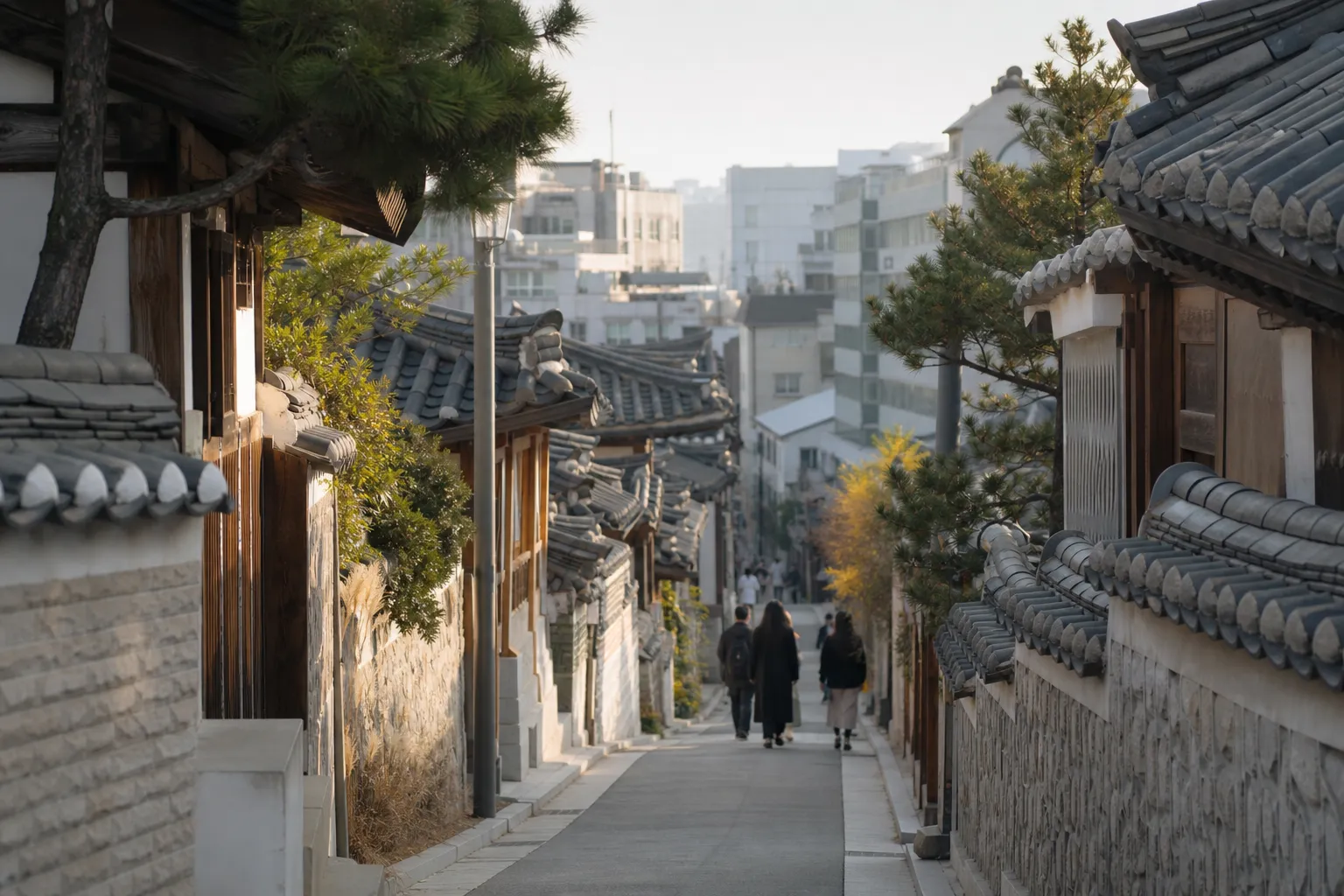
Seongbuk-dong-gil itself has also been officially framed in exactly that direction. Seoul Metropolitan Government lists Seongbuk-dong-gil as a fourth-phase local brand commercial district, with the project period marked as 2025 to 2026. The city describes the street as a road where tradition and sophistication coexist.2 For readers trying to understand the phrase “local brand,” that wording is useful: this is not only about shopping or festivals, but about building a recognizable neighborhood identity from existing cultural character.
Why Seongbuk-dong-gil Was Chosen
The selection of Seongbuk-dong-gil for Seoul’s 2025 local brand commercial district development project gives the Suyeonsanbang story a wider policy context. Yonhap News reported that Seongbuk-gu’s “Seongbuk-dong-gil commercial district” was chosen through Seoul’s 2025 local brand commercial district development project competition, with the district and city planning to invest 1 billion won to create a representative local brand commercial area where history, culture, and art coexist.3
The same report places Suyeonsanbang alongside other modern and contemporary cultural and artistic resources in the area, including Manhae Han Yong-un’s Simujang, artist Kim Whanki’s Suhyangsanbang, and Kansong Art Museum.3 This is important because it shows that Suyeonsanbang is not being treated as an isolated attraction. It is one part of a broader cultural corridor, where literary memory, art history, museum culture, and hanok spaces contribute to the street’s identity.
The local brand direction also includes active support from local leadership. Seongbuk-gu Mayor Lee Seung-ro was quoted as saying that the district would help Seongbuk-dong-gil establish itself as a local brand commercial area representing Seoul.3 In a blog-friendly way, you can think of this as a bridge between heritage preservation and neighborhood vitality. The goal is not simply to point to old places, but to help the street become a recognizable destination with living businesses, events, and cultural participation.
Festivals, Flea Markets, and Street-Level Culture
The local brand project became visible to the public through programs such as “Seongbuk-dong-gil YOGO Festa.” Seoul Culture Portal announced that Seoul Metropolitan Government, Seongbuk-gu, and the Seoul Credit Guarantee Foundation held the festival around Seongbuk-dong-gil on September 27, 2025. The notice said the program was designed to push forward the local branding of Seongbuk-dong-gil through a flea market, one-day classes, and collaborative programs with Seongbuk Cultural Center and Hansung University Campus Town.4
Yonhap News also reported that the same commercial-district festival included flea markets by representative Seongbuk-dong-gil stores, one-day classes, busking performances, coupon discounts, and store-visit events. Stamp-tour participants were to receive goods reflecting the identity of Seongbuk-dong-gil.5 These details show how the brand is being expressed in practical, walkable ways: not just through a slogan, but through small encounters with shops, performances, workshops, and neighborhood-made goods.
A later Seoul city media report described Seongbuk-gu’s Seongbuk-dong-gil as one of eight local brand development project sites in 2025, and said Seoul held autumn festivals across local brand commercial districts in the second half of 2025 with flea markets, one-day classes, busking, and other citizen-participation programs involving local merchants.6 That wider context helps position Seongbuk-dong-gil within a city-level effort, while Suyeonsanbang gives the district a distinctive cultural depth.
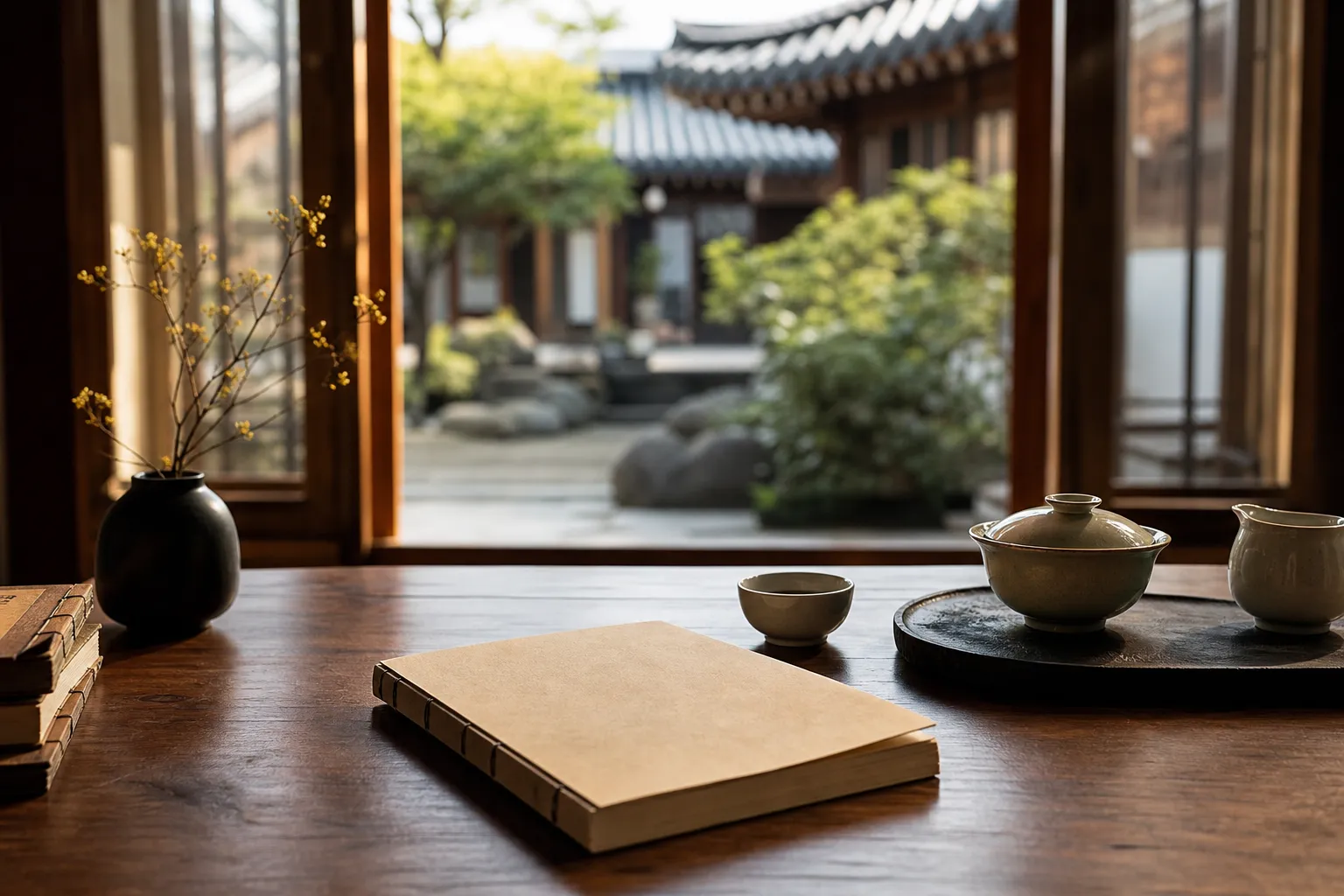
What makes Suyeonsanbang compelling within this local brand story is its quiet continuity. Built in 1933 by Lee Tae-jun, now operating as a traditional teahouse, and connected to Seoul’s hanok and screen-culture narratives, it gives Seongbuk-dong-gil a point of recognition that feels specific rather than generic.1 Around it, the district’s local brand work adds festivals, merchant programs, cultural partnerships, and official investment, but the heart of the appeal remains the neighborhood’s accumulated character.
For anyone following Seongbuk-dong Heritage, Suyeonsanbang offers a helpful way into the larger story. It shows how a single modernized hanok can carry literature, architecture, leisure, and media memory, while also supporting a broader effort to define Seongbuk-dong-gil as one of Seoul’s distinctive local brand streets.
References
- K-콘텐츠 배경 된 서울 한옥 ④수연산방 (뉴시스, 2026-05-11)
- 로컬브랜드 육성상권 현황 (서울특별시, 2026-03-26)
- 성북구 '성북동길 상권' 로컬브랜드 상권 육성사업에 선정돼 (연합뉴스, 2025-02-27)
- 성북YO! 골목GO! `성북동길 YOGO 페스타!` 성북동길 로컬브랜드 축제 개최 (서울문화포털, 2025-09-26)
- 서울시, 성북동길 상권 페스타 27일 개최…플리마켓·버스킹 (연합뉴스, 2025-09-26)
- 골목에 가을 감성 물씬~ 로컬브랜드 상권 6곳 가을축제 개최 (내 손안에 서울, 2025-10-14)
About the Author