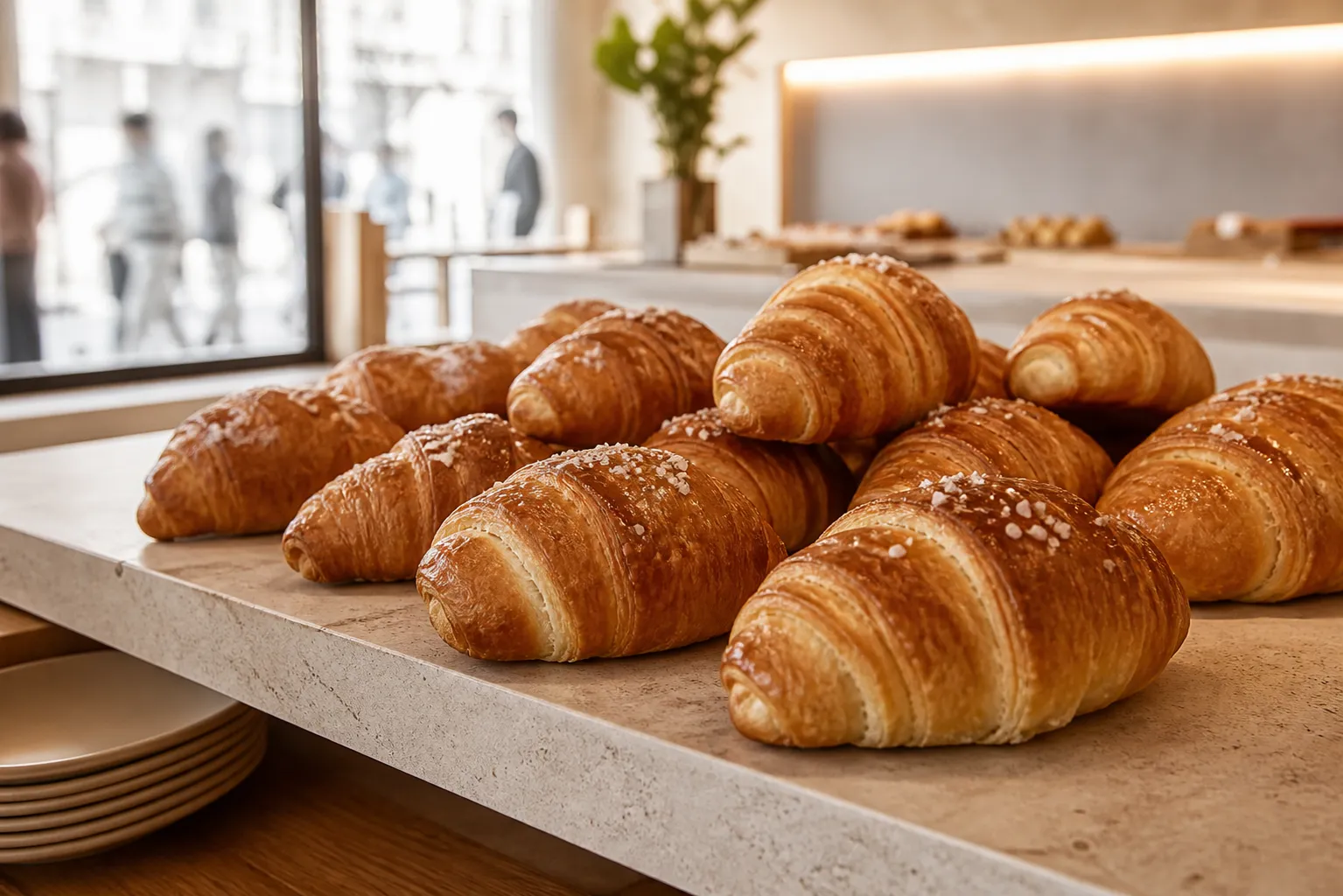
Seongsu salt bread is no longer just a small, buttery snack to pick up while walking around one of Seoul’s busiest neighborhoods. In 2025 and 2026, it became a compact way to talk about bakery inflation, pop-up culture, artisan branding, and what people expect from a Seongsu Artisan Bakery experience.
The most visible flashpoint was ETF Bakery, which first drew attention through a low-price pop-up in Seongsu-dong and later returned as a reorganized standalone brand. Its salt bread price moved from 990 won at the 2025 pop-up to 1,190 won after Glow Seoul reopened ETF Bakery in Seongsu-dong in April 2026, based on Maeil Business Newspaper’s reporting.1
Seongsu Salt Bread Became a Price Signal
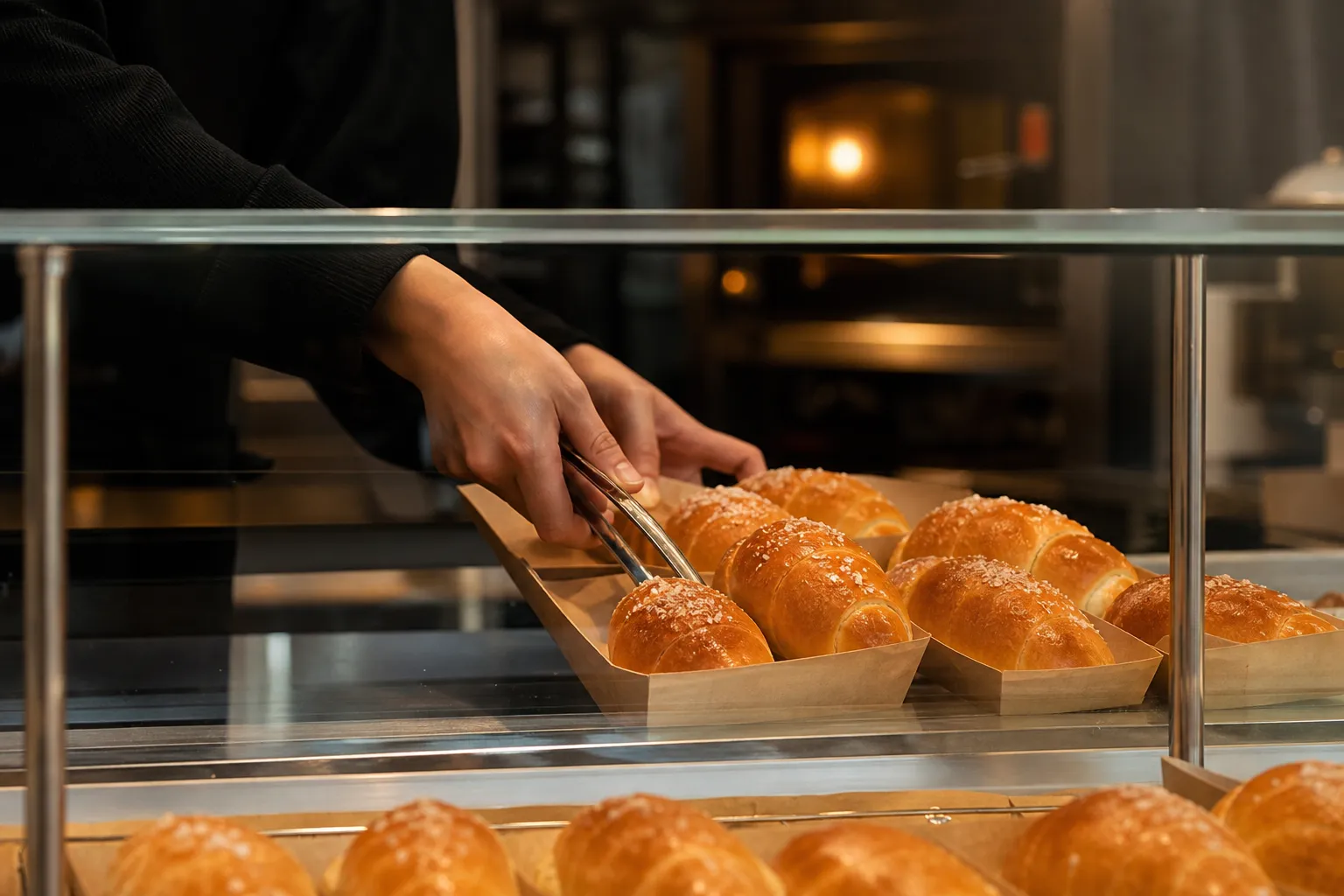
ETF Bakery’s 2025 pop-up made its point with numbers that were easy to understand. At the Glow Seongsu pop-up store in Seoul’s Seongdong District, salt bread, bagels, and baguettes were priced at 990 won, while white bread was 1,990 won, mentaiko baguette was 2,450 won, and red bean bread was 2,930 won.2 For anyone used to seeing bakery items climb steadily in price, the menu read almost like a public experiment.
That experiment was not presented only through the bread itself. News1 reported that the shop displayed the bread consumer price index and raw-material price information on its menu board, making the store feel partly like a bakery and partly like a live explainer about food prices.2 It helped turn a familiar item, salt bread, into a conversation starter about how much bread should cost and what parts of the supply chain shape the final price.
The pop-up also benefited from its setting. JoongAng Ilbo reported that crowds gathered even before the ETF Bakery pop-up opened at Glow Seoul in Seongsu-dong.3 In a neighborhood already known for brand activations, cafes, and trend-sensitive foot traffic, a 990 won salt bread was not just a discount product. It was a headline-friendly cultural object.
The comparison was especially sharp because the 990 won pop-up price was described as about one-third of the roughly 3,000 won price for salt bread at franchise bakeries.3 That gap explains why the item attracted consumers, but it also explains why the response from bakery owners was complicated.
From 990 Won Pop-Up to 1,190 Won Standalone Bakery
The story did not end with the 2025 pop-up. Maeil Business Newspaper reported that Glow Seoul reorganized ETF Bakery as an independent brand and reopened it in Seongsu-dong in April 2026. The name ETF was explained as “Express Trade Farm,” referring to the idea of reducing distribution margins through faster transactions with farms.1
By the time of that 2026 report, the store was selling salt bread for 1,190 won and butter tteok for 590 won.1 The salt bread was still priced low enough to stand out in Seongsu, but the change from 990 won also showed that the concept had moved from a pop-up moment into a more regular retail format.
The reported store scene matched the attention around the brand. During the reporter’s visit, customers filled the shop, and the signature salt bread required waiting for a fresh batch.1 That detail matters because low prices alone do not always produce staying power. In this case, the salt bread became the center of a bakery story that combined price, demand, branding, and Seongsu’s appetite for new concepts.
There was also a production-side explanation behind the effort to keep prices down. Glow Seoul CEO Yoo Jung-soo was quoted as saying, “Labor costs often rise in proportion to the number of breads.”1 In plain terms, bread is not priced only by flour, butter, and salt. Time, labor, rent, equipment, and logistics all sit behind the shelf price.
That is why the ETF Bakery conversation spread beyond people who simply wanted a cheaper snack. It touched a sensitive question: can a high-traffic bakery in a hot neighborhood make low prices feel sustainable, or does a temporary model create pressure on shops operating under very different cost structures?
Why Bakers Pushed Back
The 990 won salt bread pop-up drew criticism from some self-employed bakery owners. Maeil Business Newspaper reported that some argued the project made existing bakeries appear as if they were charging too much.4 JoongAng Ilbo also noted objections that fixed costs such as ingredient prices, distribution structure, and rent needed to be considered.3
That pushback is important because it keeps the Seongsu salt bread story from becoming too simple. A consumer sees the final price. A baker sees the hidden math behind that price. Both perspectives help explain why the same 990 won item could feel exciting to customers and frustrating to some shop owners.
Shuka, the operator of Shuka World associated with the pop-up, later apologized amid the controversy. Maeil Business Newspaper reported his statement that he had “never once criticized self-employed business owners.”4 News1 also quoted him saying that it would be meaningful if there were even hope that bread prices could come down through competition.2
The wider price backdrop made the issue more charged. Maeil Business Newspaper, citing Statistics Korea’s KOSIS data, reported that Korea’s bread price index reached 138.61 in August 2025, up 6.5% from the same month a year earlier. Bread prices also showed 6% range year-on-year increases for six straight months from March through August 2025.5
So when Seongsu salt bread appeared at 990 won, the reaction was not only about one bakery counter. It arrived during a period when bread inflation was already part of the public mood.
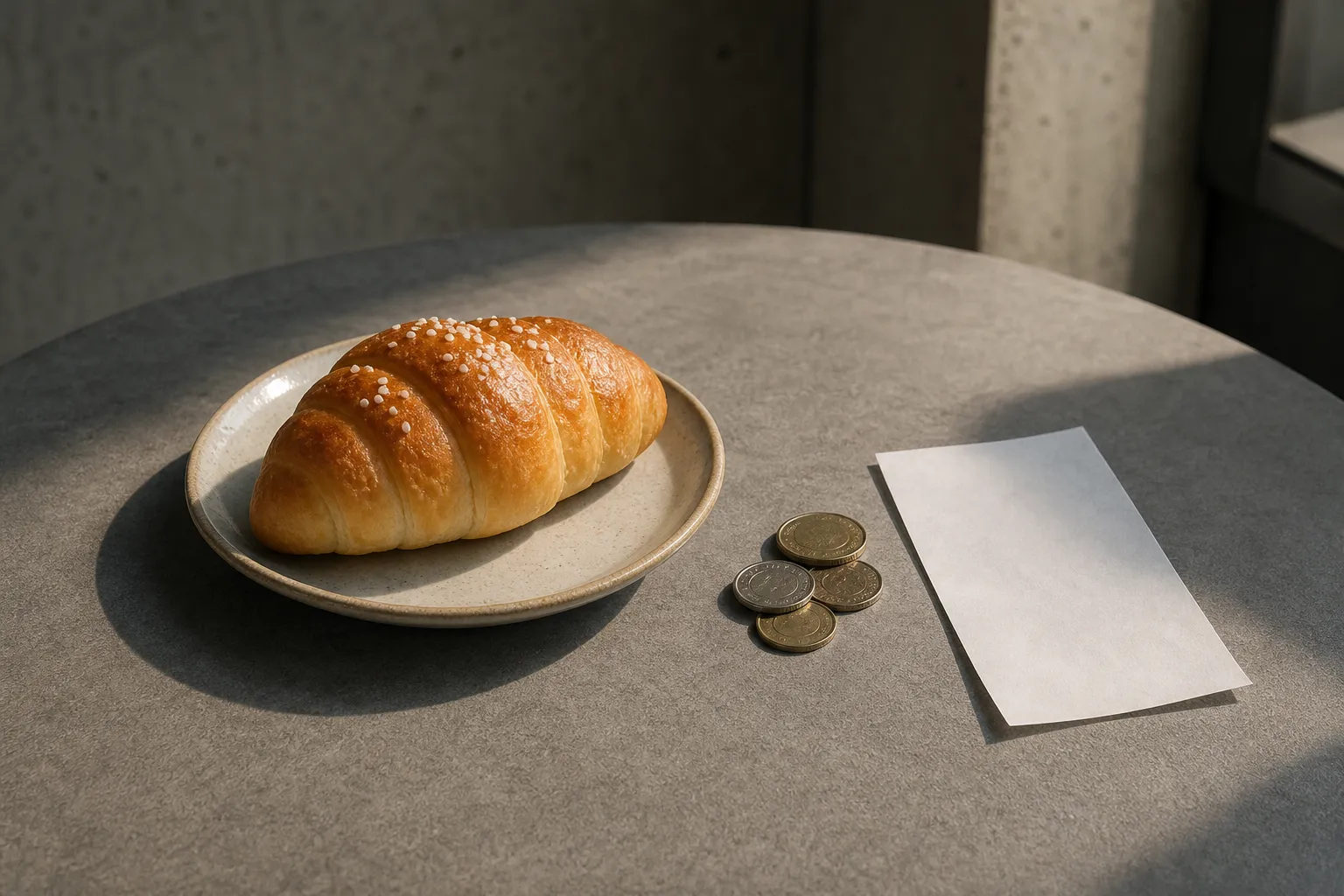
Seongsu’s salt bread scene also includes more straightforward destination bakeries. The Seoul Tourism Organization’s Visit Seoul page introduced Jayeondo Salt Bread’s Seongsu branch at 56-1 Yeonmujang-gil, Seongsu-dong 2-ga, describing it as a takeout shop that sells a single menu item: salt bread. The page lists six baking times per day and daily hours from 9:00 to 22:00.6
That helps explain why Seongsu salt bread has range. It can be a simple takeout specialty, a neighborhood food stop, a low-price experiment, or a broader debate about bakery economics. The common thread is that salt bread is familiar enough for everyone to understand, but flexible enough to carry a much bigger story.
In the end, Seongsu salt bread became a small item with unusual cultural weight: a buttery roll that connected Seoul bakery tourism, pop-up marketing, consumer price anxiety, and the real costs behind artisan bread.
References
- 소금빵 하나에 ‘1190원’…한국 최고 핫플서 이 가격으로 장사되는 이유는 (매일경제, 2026-06-07)
- [뉴스1 PICK]슈카, 990원 소금빵으로 ‘빵플레이션’에 도전장 (뉴스1, 2025-08-31)
- "잠깐 여는 팝업과 같냐"…빵집들 화나게 한 '990원 소금빵' (중앙일보, 2025-08-31)
- ‘990원 소금빵’ 사과한 유명 경제유튜버…“싼 빵 만들면 좋아할 줄 알았는데…” (매일경제, 2025-09-01)
- “‘990원’ 소금빵으로 빵값 잡겠다” 나선 슈카…얼마나 올랐나 보니 (매일경제, 2025-09-03)
- 성수 자연도소금빵 | 하루 7천개 판매 인기 빵집 (서울관광재단 Visit Seoul, 2025-05-22)
About the Author