The 2026 Daehanminguk Jeju Jeongwon Munhwa Bangnamhoe, a garden culture fair, runs November 6–10 at Barammoru Park (바람모루공원) in Seogwipo’s Jeju Innovation City. 1 Its 26 gardens bring together themes of Jeju’s stone and wind, the lives of its women divers and the island’s community culture. 1
The fair’s gardens have several kinds of makers: professionals, residents, companies and public institutions all contributed, and the exhibition includes designer, resident participation and corporate gardens among eight types. 2 That variety gives visitors a way to compare individual garden designs with spaces rooted in local livelihoods and community life. 2 3
Stone paths and gardens made by residents
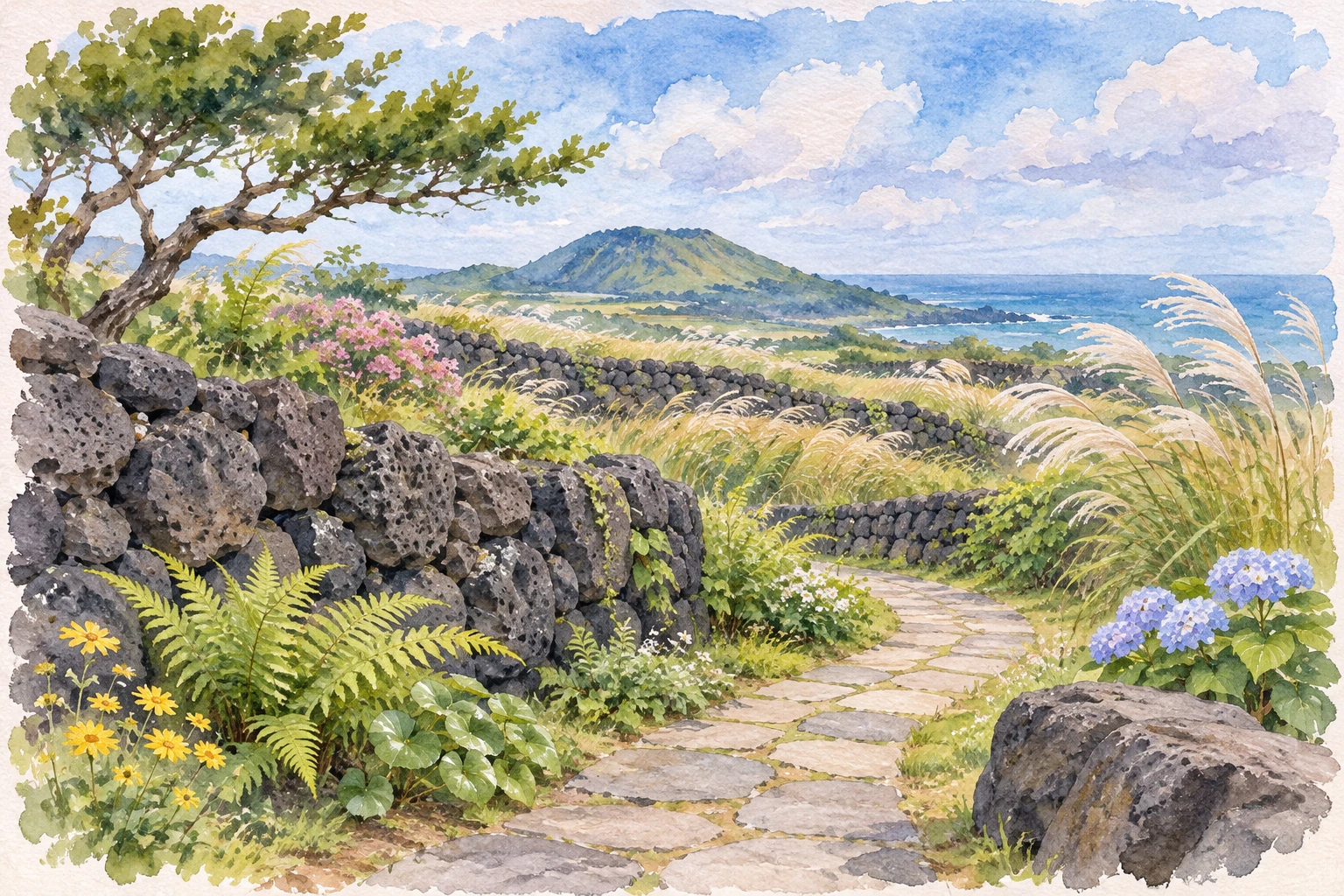
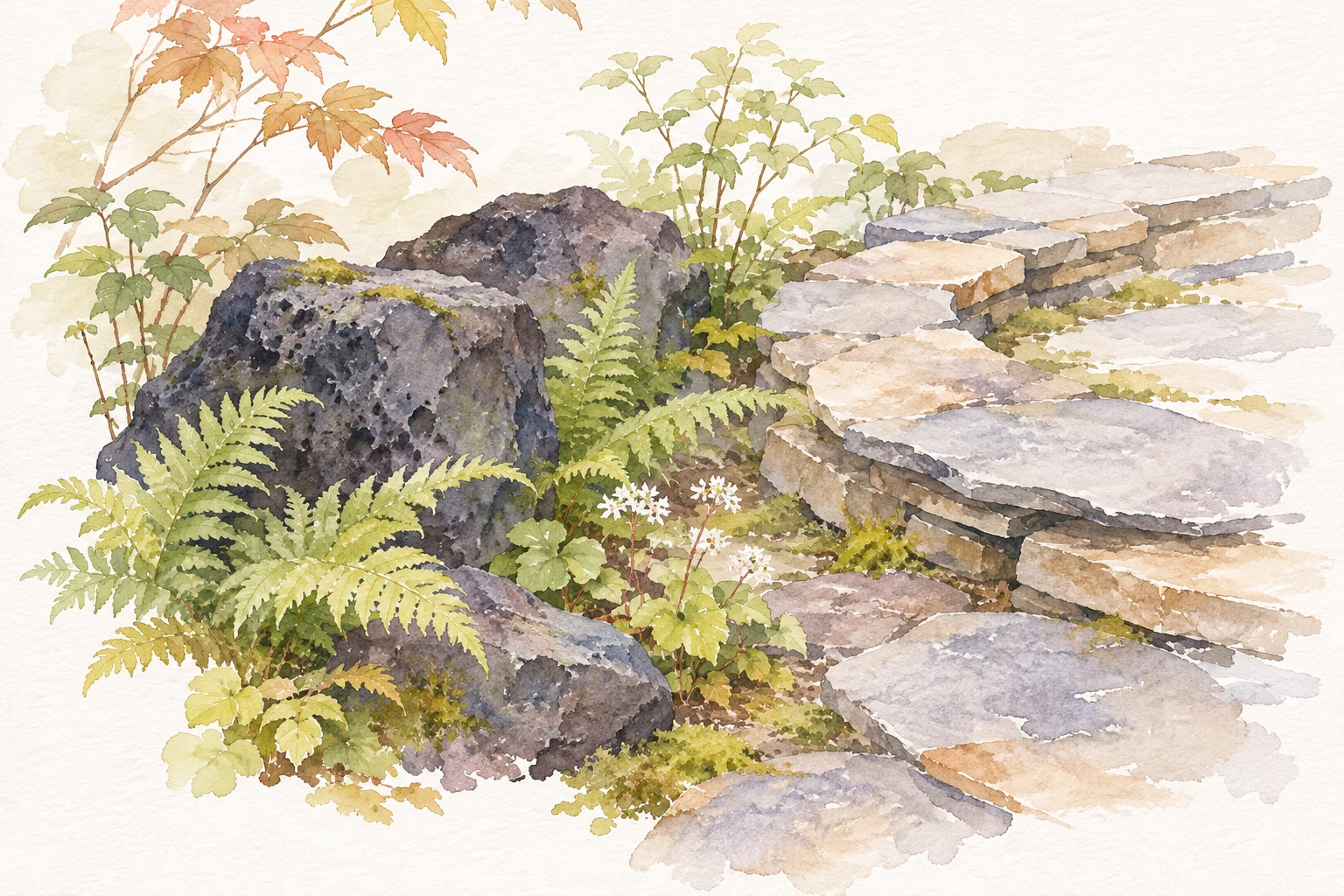
The Korea Garden Show presents five designer gardens selected from 59 entries submitted nationwide. 2 Each designer worked with a 100-square-meter space, using an individual approach to design and planting. 3 In a November 4 preview, Newsis described one garden within a wall of layered stone slabs, where basalt, ferns and low-growing plants sit beside a curving path. 3
There are also 10 gardens made and tended by residents. 2 Their subjects draw on Jeju living spaces and livelihoods, including a garden called Haenyeoui Jeongwon (해녀의 정원), named for the island’s women divers. 3 Jeju Provincial Council chair Song Young-hoon said the resident gardens hold memories of the divers. 1
The four Sunureum gardens connect garden-making with sunureum, a Jeju community culture. 3 Participants include a local garden academy, a Seogwipo City Hall garden club and horticulture-related university departments. 3 These gardens offer another perspective on the fair’s local theme: the focus is on the people making a shared space as well as the landscape they create. 3
Wind, borrowed scenery and reused wood
Baramui Jeongwon (바람의 정원), a wind garden, was designed by Jeju-born naturalistic gardener Kim Bong-chan. 3 The design uses existing trees and terrain, with grasses of different heights and textures arranged to create a landscape that changes with the wind. 3
The wider setting is part of the appeal too. In its preview, Newsis described Gogeunsan as a backdrop and Beomseom island appearing over the sea to the south. 3 The report compared this relationship to borrowed scenery, a traditional landscape technique that draws mountains and sea beyond a garden into its composition. 3
For a different approach to materials, look for the National Arboretum’s model garden. 3 It addresses carbon reduction and upcycling through forest byproducts such as fallen trees and waste wood, as well as discarded materials given new uses. 3 A separate exchange garden made with Seoul takes Bamseom, an island in the Han River, as its subject and tells a story of nature recovering after damage from urban development. 3
Tours and hands-on activities
A garden tour introduces the stories and plants in the displays; applications are taken at the general information desk for 20 people per session. 1 The fair also offers activities involving plant care, pots and small flower beds. 1
Newsis reported that the specified planting and garden classes require advance applications: the planting program includes citrus seedlings, while the classes include making pots, terrariums and miniature flower beds. 3 These arrangements are separate from the information-desk applications reported for the garden tour. 1 3
The fair ends on November 10, but Jeju Province plans to maintain major gardens at Barammoru Park after the event for residents and visitors to enjoy. 1
Sources
- 제주의 돌·바람·해녀 이야기, 26개 정원으로 피어나다
- 제주 돌담과 바람이 빚은 정원들…'대한민국 정원문화박람회' 개막
- [정원의 섬 제주] 흙·돌·바람을 작품에 담다…제주 첫 정원박람회 개막
About the Author