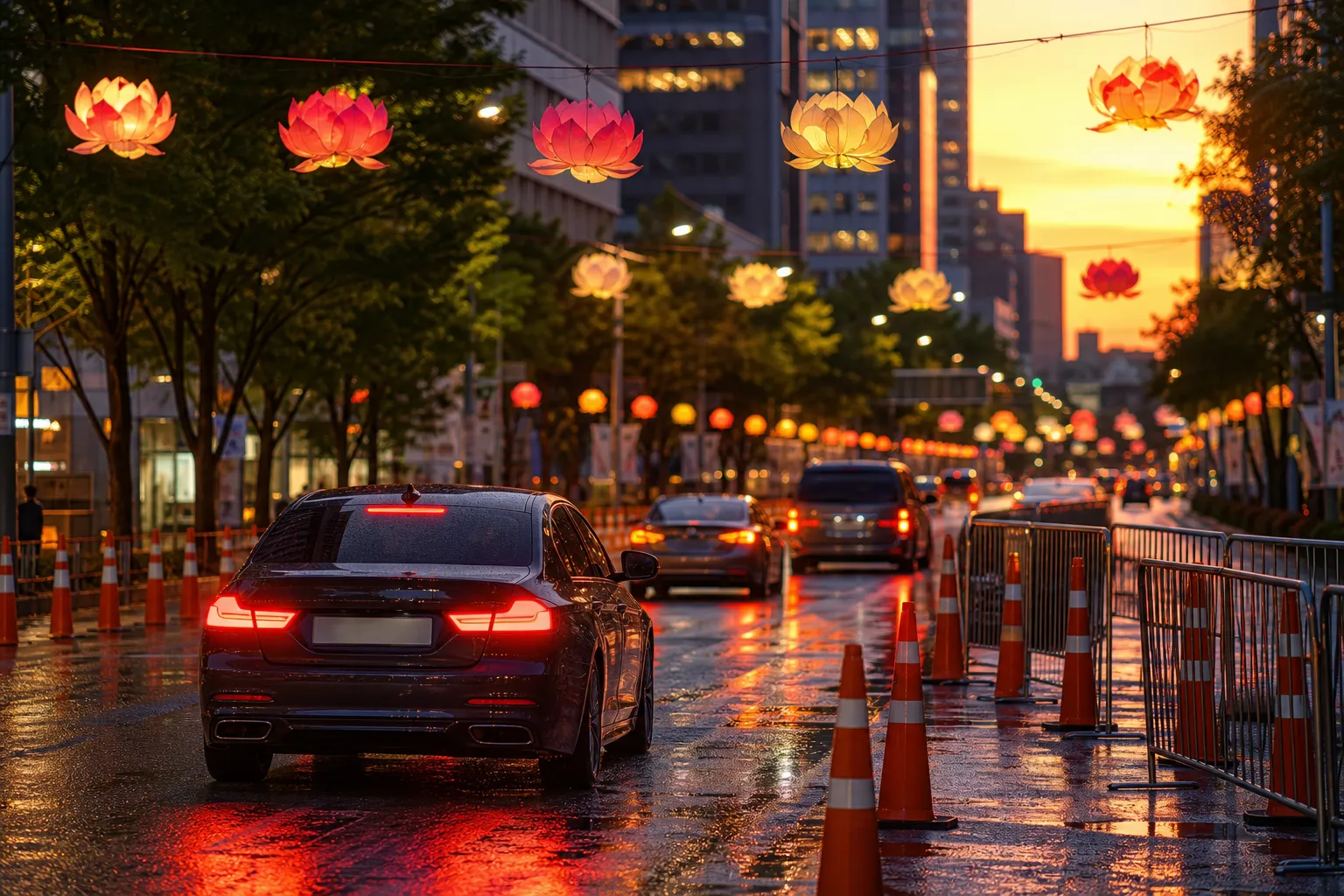
Ujeongguk-ro traffic control is one of the key points to check for anyone moving around Jogyesa, Jongno, or central Seoul during the 2026 Yeondeunghoe events. Vehicle access around Ujeongguk-ro, Jongno, Sejong-daero, and the Heunginjimun area is being restricted in stages across May 16 and May 17, 2026, with Seoul City urging visitors to use public transportation and confirm traffic information before traveling.1
The most important Yeondeunghoe traffic tips are straightforward: avoid driving near Jogyesa if possible, expect staged road closures rather than one single fixed closure, and treat bus routes as subject to temporary detours. For drivers, Ujeongguk-ro matters because it sits near the event destination area around Jogyesa, where procession-related movement, side events, and cleanup can affect normal traffic flow.
Ujeongguk-ro Traffic Control: Dates, Area, and Practical Impact
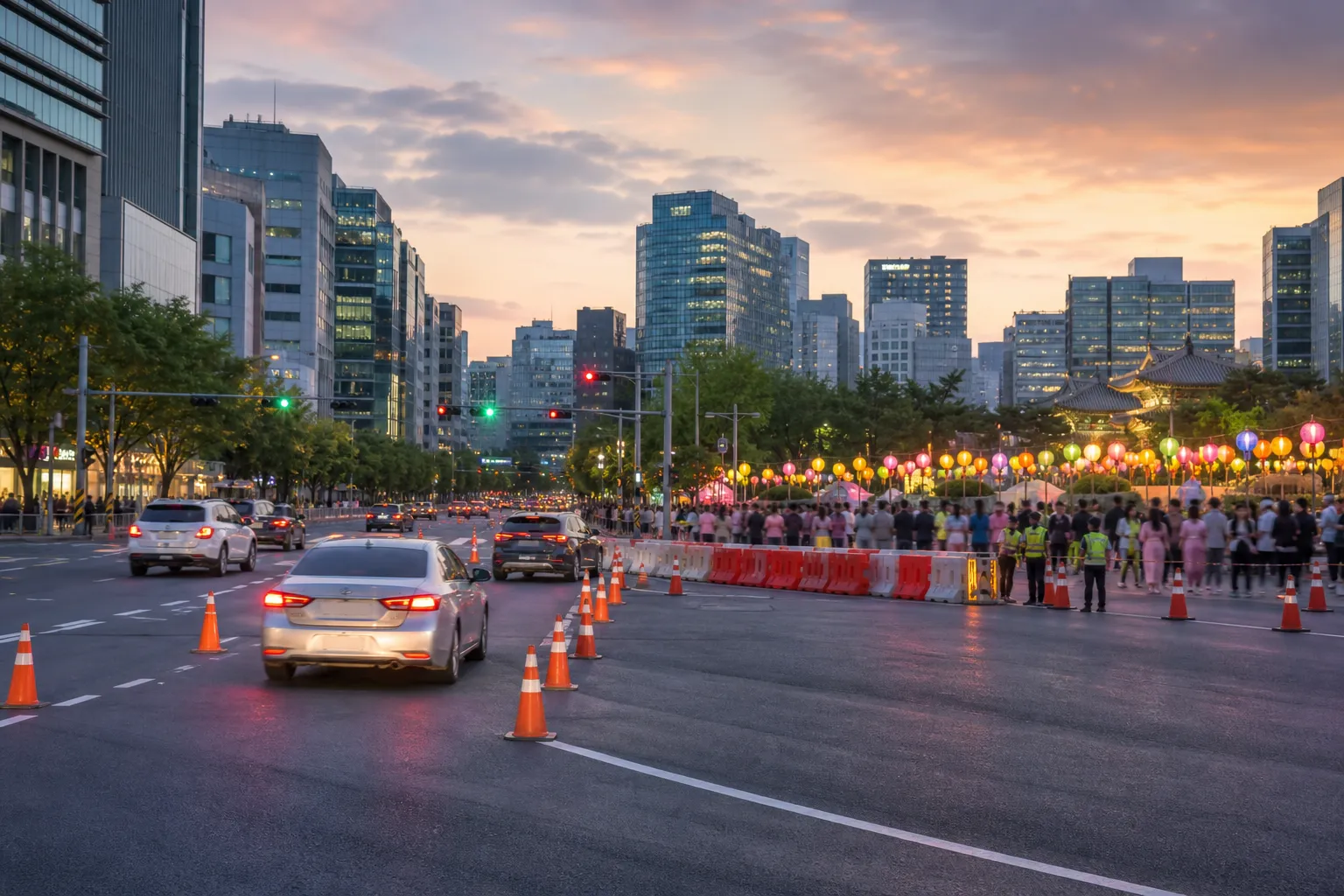
Seoul City announced that partial road controls in the Jongno area would run from the afternoon of May 16 through the night of May 17, 2026, linked to the Yeondeunghoe lantern procession and the Traditional Culture Plaza. Ujeongguk-ro was included among the controlled sections, with restrictions listed through 1:00 a.m. on May 17, 2026.1
That timing means Ujeongguk-ro should not be treated as a normal through-road during the event period, especially around Jogyesa. KBS reported that the main procession route connected Heunginjimun, Jonggak, and the direction of Jogyesa, with Ujeongguk-ro traffic restricted in line with event operations and dismantling work.2 For anyone driving across central Seoul, that creates two separate issues: the procession route itself and the roads affected by event setup, side programming, and post-event clearing.
The controls were not limited to Ujeongguk-ro. Reports also identified Jongno, Sejong-daero, and the area around Heunginjimun as places where vehicle entry would be limited by time period.3 The section from the Jongno 1-ga intersection to the Anguk-dong intersection was also listed as controlled through midnight on May 17, 2026.1 This matters because trying to bypass Ujeongguk-ro by moving only one or two blocks away may still place a driver inside another controlled or congested section.
For practical planning, the safest interpretation is that Ujeongguk-ro and nearby Jongno roads are event-zone streets during the control window. If the destination is not inside the event area, route around central Jongno more broadly rather than aiming for a last-minute turn near Jogyesa.
How to Move Around Jogyesa and Jongno During the Controls
The clearest advice from Seoul City was to use public transportation, including the subway, and to check traffic information before heading to the event area.1 That recommendation is especially relevant for Ujeongguk-ro because road closures near Jogyesa can affect both direct vehicle access and the reliability of surface travel.
If visiting the Yeondeunghoe area, subway access is the better default than private cars. Seoul Shinmun reported that citizens were advised to use the subway when approaching the event site, and that some city bus routes would operate on detours during the period.4 That means even bus riders should not assume their usual stop or route will operate exactly as normal around Jongno and Ujeongguk-ro.
Drivers who must pass through central Seoul should plan for wider rerouting, not just a short detour around one blocked street. YTN reported that traffic around Jongno and Ujeongguk-ro would be controlled sequentially, and that vehicles passing through the event sections would need to detour.5 Sequential control can be confusing because a road that appears open earlier may become restricted later, while roads around the procession and support areas can change according to event progress.
Police and Seoul City planned on-site traffic management measures, including traffic police deployment, detour guidance, and bus detour information.3 News1 also reported that Seoul Metropolitan Police would manage vehicle flow and guide detours around the controlled event sections. A Seoul police official said traffic management would include “guiding vehicle detours.”6
For people who need to reach a business, temple, hotel, or appointment near Jogyesa, the practical approach is to allow extra time and choose a subway-based route for the final leg. If a vehicle trip is unavoidable, avoid setting Ujeongguk-ro as the final approach road during the control period. Instead, check live traffic conditions before departure, confirm whether the destination is inside a controlled block, and prepare for police-directed detours near the site.
Quick FAQ
Is Ujeongguk-ro closed for the 2026 Yeondeunghoe events?
Ujeongguk-ro was included in the staged traffic controls for the 2026 Yeondeunghoe period, with Seoul City listing controls through 1:00 a.m. on May 17, 2026.1 The restriction was connected to the procession, related events, and post-event work around Jogyesa.2
Should visitors drive or use public transportation near Jogyesa?
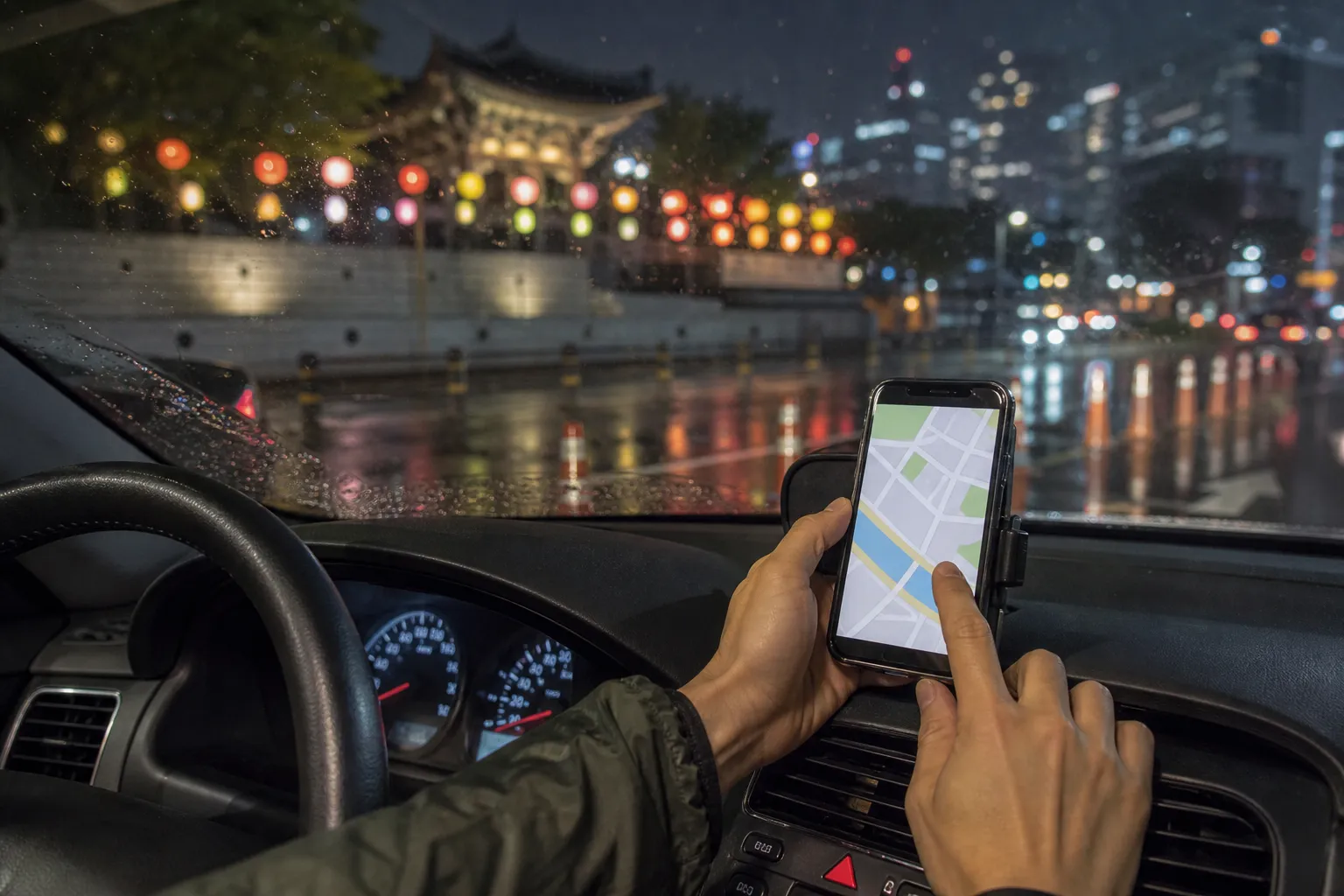
Public transportation is the recommended option. Seoul City urged visitors to use the subway and check traffic information in advance, while reports also noted temporary bus detours and expected congestion around Jongno and Ujeongguk-ro.14 !Ujeongguk-ro Yeondeunghoe driver route planning tips For Ujeongguk-ro, the practical takeaway is to treat the Jogyesa and Jongno area as a controlled event zone across the May 16-17, 2026 Yeondeunghoe schedule. Drivers should avoid relying on normal routes through Ujeongguk-ro, visitors should favor the subway, and anyone traveling near central Seoul should check traffic information before moving through the area.
References
- 연등회 연등행렬 16~17일 교통통제…대중교통 이용 당부 (서울특별시, 2026-05-13)
- 연등회 오늘 행렬…종로·우정국로 등 교통통제 (KBS, 2026-05-16)
- 서울 도심 연등행렬 개최…우정국로 등 단계별 교통통제 (뉴시스, 2026-05-13)
- 연등회 주말 도심 교통통제…조계사 주변 우정국로 통제 (서울신문, 2026-05-13)
- 오늘 연등회 행렬…서울 도심 곳곳 교통 통제 (YTN, 2026-05-16)
- 연등회 앞두고 서울 도심 교통통제…우정국로·종로 일대 포함 (뉴스1, 2026-05-13)
About the Author