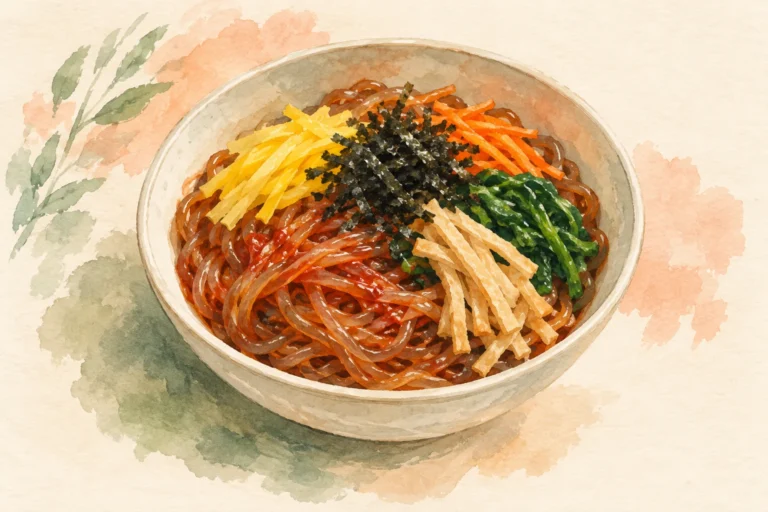
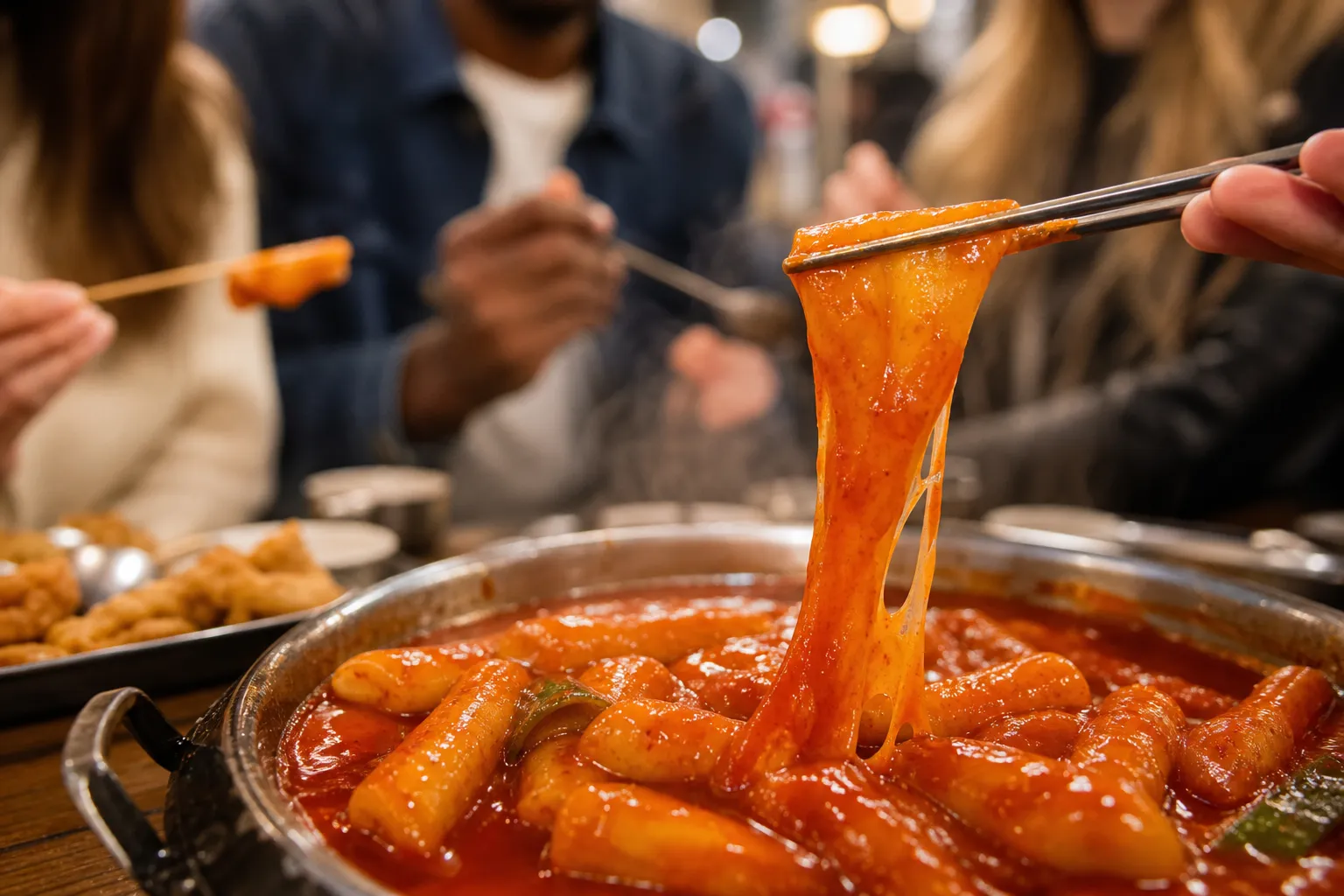
For many foreign diners, the most surprising part of the Tteokbokki Challenge is not only the heat of the sauce but the chewy texture of the rice cakes. That texture, once described as unfamiliar or even difficult for some overseas consumers, is now being discussed as part of the wider appeal of K-street food.
Understanding Tteokbokki Texture Before You Try It
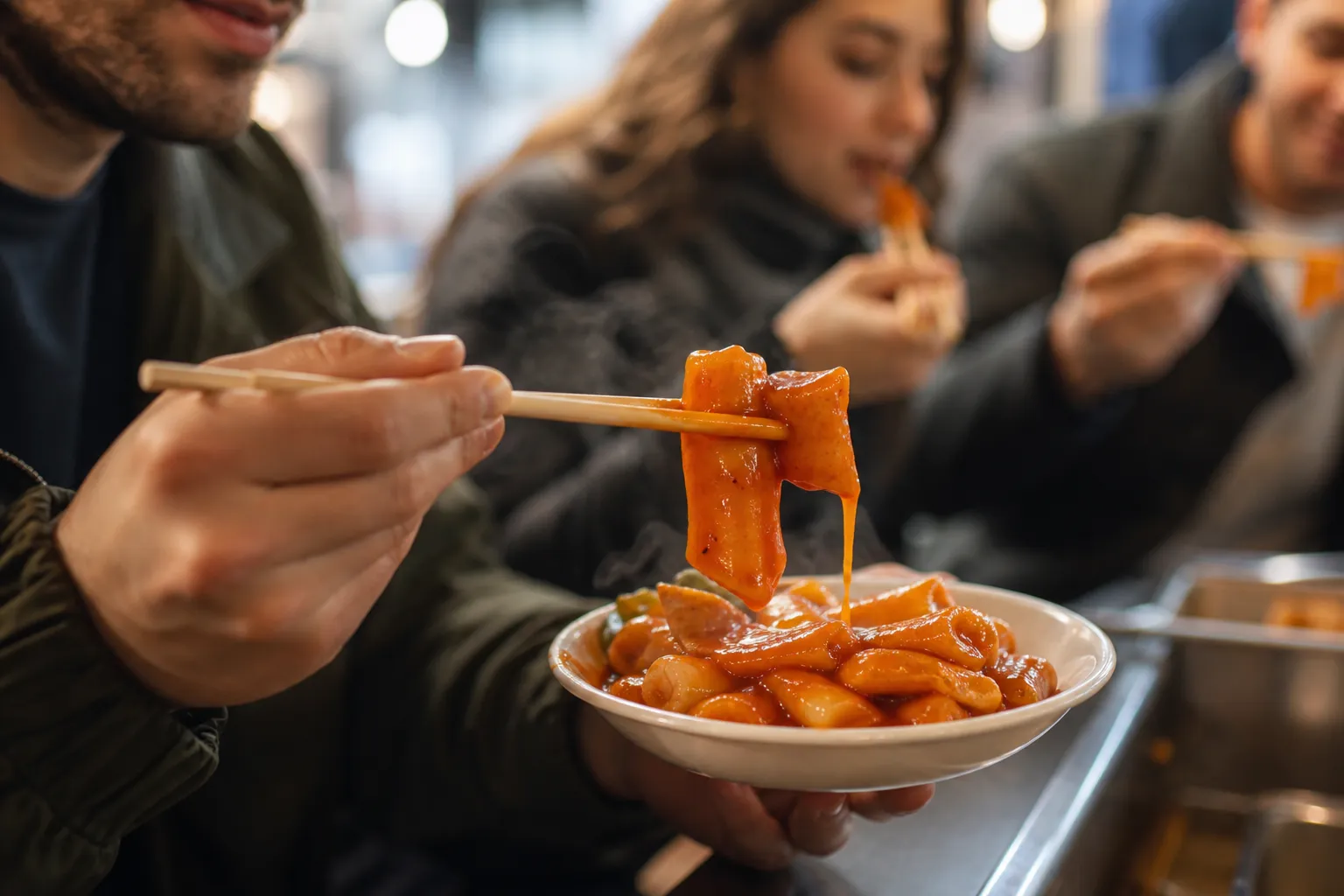
Tteokbokki is built around rice cakes, so the eating experience depends heavily on chewiness. The available reports do not describe the texture in technical food-science terms, but they do show why it matters: Kim Jong-gu, a vice minister, said at the 2026 Seoul Food Distribution Expo that several years ago, many foreigners in places such as Australia were resistant to the texture of rice snacks and tteokbokki. He added that K-street food is now increasingly being accepted as a form of culture.1
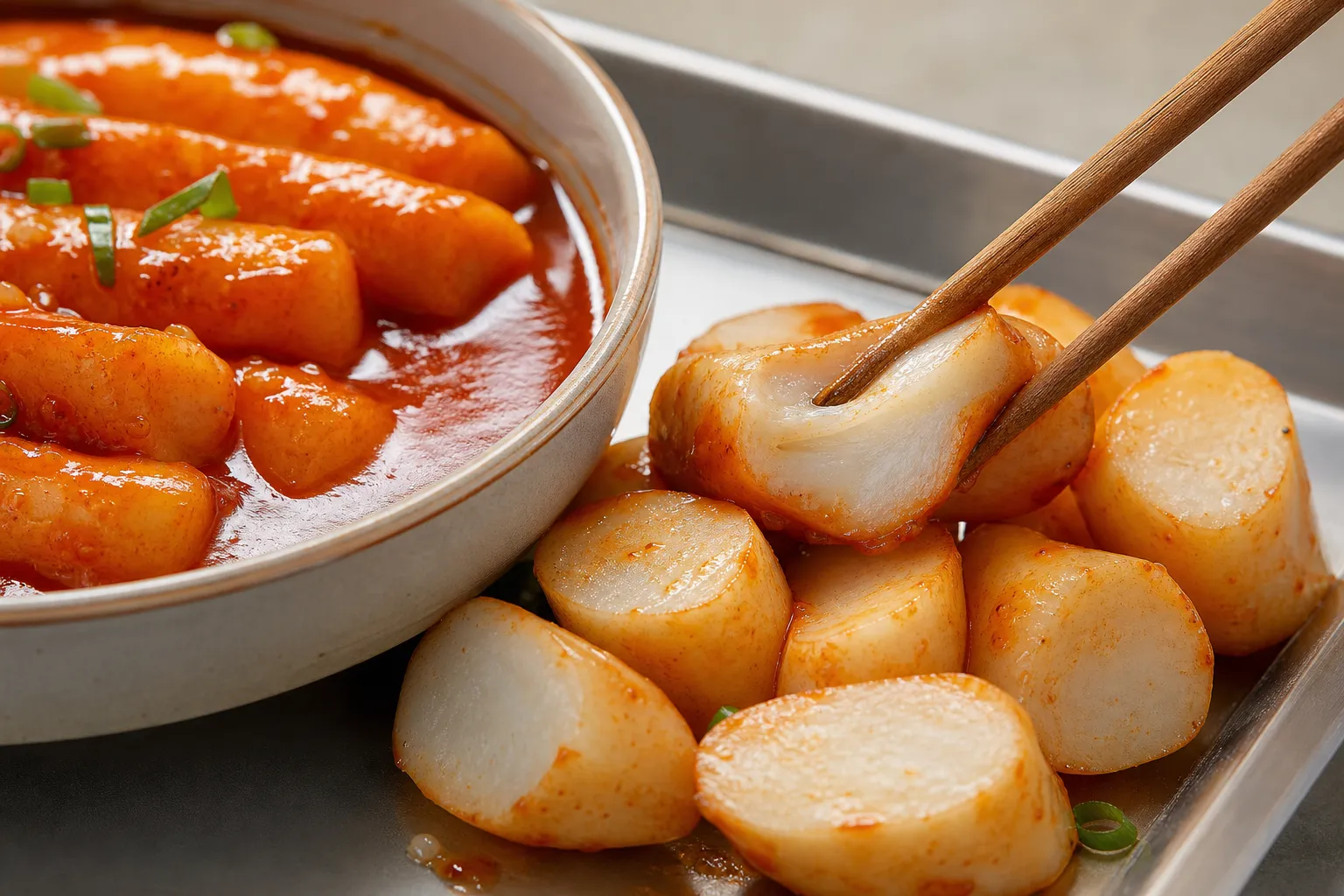
That shift is useful for anyone approaching tteokbokki for the first time. A first bite may feel different from noodles, dumplings, bread, or other familiar street foods. The rice cake is not meant to be crisp or flaky. It is a chewy centerpiece, usually paired with sauce and other snack foods, and the contrast between chew and seasoning is part of what makes the dish recognizable.
For readers planning a first try, the practical point is simple: judge tteokbokki as a texture-led food, not only as a spicy food. If the rice cake feels unfamiliar, that does not necessarily mean it is being served incorrectly. The reported foreign reaction shows that texture has been one of the main adjustment points for overseas eaters, even before the current global interest in K-street food grew.
How Foreign Interest Changed the Tteokbokki Challenge
The Tteokbokki Challenge now sits inside a broader wave of interest in Korean street food. In Seoul’s Myeongdong food street, foreign visitors have been reported lining up for Korean snack foods such as tteokbokki, gimbap, and hotteok. Merchants in Sindang-dong Tteokbokki Town also said foreign tourists are often seen on weekends.2
One foreign tourist quoted in the reporting said they were “very happy to see in person the various street foods that can only be tasted in Korea.”2 The quote points to an important part of the challenge: people are not only testing spice tolerance. They are seeking an in-person encounter with a food culture they may already know through Korean content, travel videos, or global K-food products.
The commercial data in the source material supports that wider spread. CJ CheilJedang has identified tteokbokki, gimbap, and hot dogs as strategic K-street food items for overseas markets. Its Bibigo tteokbokki is exported to 49 countries, including the United States, Japan, and Australia, and its overseas sales in 2025 rose 84% compared with the same period a year earlier.3
Daesang’s O’Food tteokbokki has also expanded beyond a single region. It is exported to more than 40 countries across the Americas, Europe, Southeast Asia, Latin America, and Africa. The brand’s 2025 tteokbokki sales rose about 12% from the previous year and about 84% compared with 2021.4
For first-time eaters, this means there are now more entry points. Some products and formats are designed with overseas markets in mind, including flavor lineups and adjusted spice levels. The sources specifically note that varied flavors and spice control have been viewed by the industry as factors in reaching local consumers.3
Practical Tips for First-Time Foreign Diners
Start by expecting chewiness. The most important mental adjustment is to know that the rice cake texture is central to the dish. If you expect a soft noodle, a crisp snack, or a bread-like bite, tteokbokki may feel confusing. If you expect a dense, chewy rice cake coated in sauce, the experience is easier to understand.
Try it in a street-food setting if that is available. Reports from Seoul show foreign visitors seeking out tteokbokki and other snack foods in places such as Myeongdong and Sindang-dong.2 Those locations are not presented as the only places to try it, but they show how tteokbokki is often experienced alongside other Korean street foods rather than as an isolated dish.
Use flavor variety as a bridge. The source material indicates that brands are expanding sauces and testing products for overseas consumers. Daesang has been broadening its tteokbokki sauce lineup while improving product ingredients for entry into Europe.4 E&Creative, the company behind Gukminhakgyo Tteokbokki, introduced five KPOP bead-style tteokbokki and bead rabokki products at the 2026 Milan food fair and tested a spicy carbonara flavor prototype for overseas sales.5
If spice is the barrier, look for milder or localized versions where available. If texture is the barrier, try a small portion first and pair it with other K-street foods. The source material does not provide a universal best version for beginners, but it does show that the market is moving toward more flavors, more formats, and more export-oriented products.
Global food fairs also show how tteokbokki is being introduced to people who may not have grown up with the texture. At the Bangkok international food fair, Korea’s integrated pavilion included tasting events and cooking shows featuring Korean street foods such as roasted sweet potato, tteokbokki, and fish cake, with export consultations totaling $97.2 million.6 At the 2026 Milan food fair, Gukminhakgyo Tteokbokki held about 50 consultations with global buyers, including buyers and distributors from more than 15 countries across Europe, North America, the Middle East, and South America.5
Quick FAQ
Why do some foreign diners find tteokbokki texture challenging?
The rice cake has a chewy texture that may be unfamiliar to people who have not eaten similar rice-based foods. A Korean government official noted that some foreigners had previously shown resistance to the texture of rice snacks and tteokbokki, while K-street food is now increasingly accepted as culture.1
Is the Tteokbokki Challenge only about spicy food?
No. The heat matters, but the texture is also central. Current overseas interest includes product exports, food-fair tastings, sauce lineups, and localized flavors, showing that the challenge is about getting used to the full eating experience, not just handling spice.3 Tteokbokki’s chewy bite remains the key detail first-time foreign diners should understand before trying it. What was once a point of resistance for some overseas consumers is now part of a larger K-street food experience spreading through tourism, exports, and international food fairs.
References
- "떡볶이 식감 싫어하던 외국인… K분식, 지금은 세계서 관심" [2026 서울식품유통대전] (파이낸셜뉴스, 2026-06-16)
- 외국 관광객 줄서서 먹는 떡볶이·김밥… "한국 음식 힙해요" (파이낸셜뉴스, 2026-03-24)
- 해외서도 줄서서 먹는 비비고 김밥… K분식 열풍 이끈다 [K푸드, 글로벌 푸드로] (파이낸셜뉴스, 2026-04-05)
- 대상 '오푸드', 美 넘어 유럽까지.. 떡볶이·김치라면 글로벌 영토 확장 (파이낸셜뉴스, 2026-04-08)
- 국민학교 떡볶이, 밀라노 식품박람회서 50건 상담…K-분식 글로벌 공략 본격화 (이투데이, 2026-05-26)
- aT, 방콕 국제식품박람회서 선보인 K푸드…'9720만달러' 수출상담 (아시아경제, 2026-06-02)
About the Author