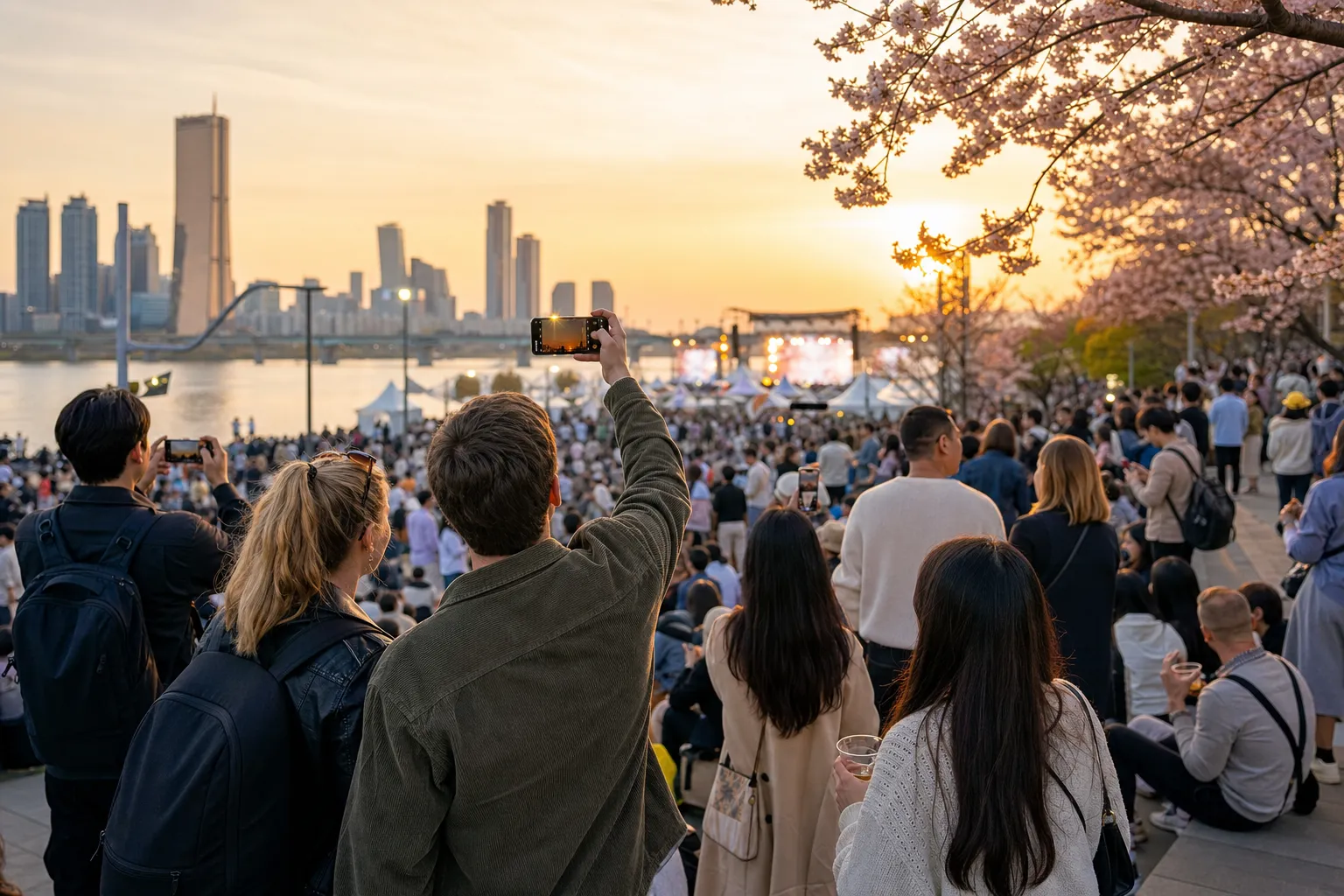
The 2026 Seoul Spring Festival drew 7.06 million visitors during its 26-day run along the Han River, with foreign tourists accounting for 1,172,724 visitors, or 17% of total attendance. The figures, released after the event ended on May 5, show a sharp expansion in both overall turnout and international participation for Seoul’s spring festival program.1
Held from April 10 to May 5 across the Han River area and Han River parks, the festival recorded 8.5 times more visitors than the previous year, according to reports citing the Seoul Metropolitan Government.1 The result places the Seoul Spring Festival among the city’s most closely watched tourism-linked cultural events this spring, particularly because its foreign visitor count exceeded one million.
Foreign Tourists Drive Seoul Spring Festival Growth
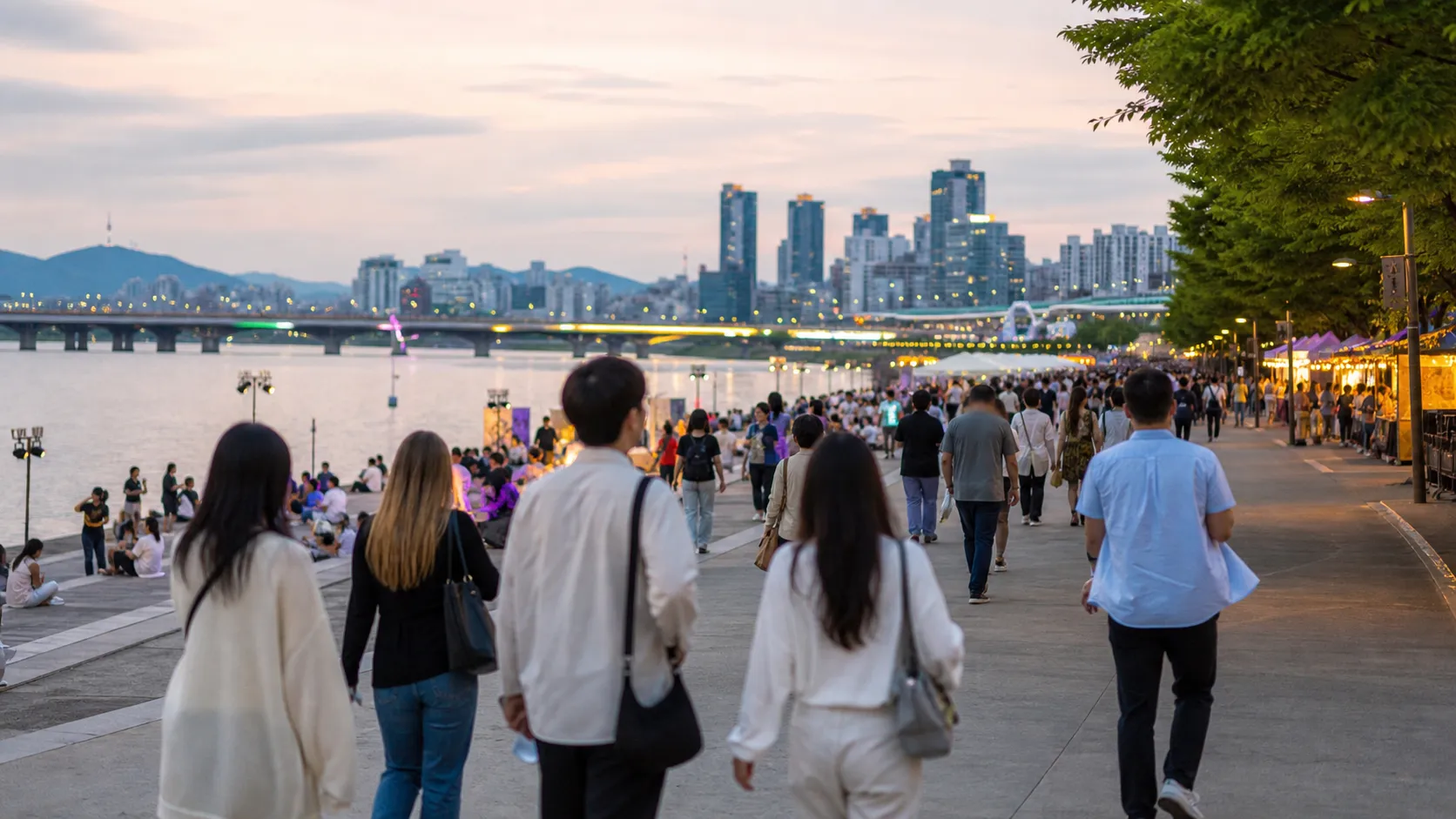
Foreign attendance was one of the central indicators in the city’s post-event tally. The reported 1,172,724 foreign visitors made up about 17% of the total 7.06 million visitors, a share that Seoul officials framed as evidence of the festival’s growing international reach.2
The visitor base also broadened by market. Reports said arrivals were led by Southeast Asia at 31% and China and Japan at 28%, while participation also expanded from the Americas, Europe, the Middle East and Oceania.3 That shift is significant because the festival was positioned not only as a local spring event, but also as a cultural and tourism-linked program designed to draw overseas travelers to Seoul.
The festival’s larger format was planned before the event opened. Seoul’s Smart Seoul News had introduced the 2026 Seoul Spring Festival as a 26-day event running from April 10 to May 5 across Han River parks, with programming connected to K-pop, K-music, K-food, performance, culture and tourism.4 Earlier reporting on Seoul’s wider “365 Festival City Seoul” plan also noted that the festival period was expanded from seven days to 26 days and that the main stage area was moved to the Han River.5
A compact view of the headline figures shows how the festival’s foreign-tourism angle fits into the wider attendance result:
| Indicator | Reported figure |
|---|---|
| Total visitors | 7.06 million |
| Foreign visitors | 1,172,724 |
| Foreign visitor share | 17% |
| Festival period | April 10-May 5, 2026 |
| Duration | 26 days |
| Super Week visitors | 1,846,585 |
| Year-on-year visitor growth | 8.5 times |
Han River Format and Super Week Attendance
The 2026 edition centered on the Han River, a change that gave the festival a more concentrated waterfront setting than in the previous year. The city’s pre-event information described the main program as spread across Han River parks, while March reporting on Seoul’s annual festival strategy said the major stage had shifted to the Han River as the event expanded in duration.45
The strongest late-period turnout came during “Super Week,” from May 1 to May 5, when 1,846,585 visitors were recorded.3 That five-day figure covered the final stretch of the event and accounted for a substantial portion of total attendance. The festival had already concluded by the time the May 19 attendance figures were reported.
Programming also contributed to crowd concentration. Yonhap reported that the Wonder Show sold out all seats and that the Signature Show drew 80,000 spectators.1 Those figures were included alongside the broader attendance count, indicating that major scheduled performances helped anchor the festival’s public turnout.
The Seoul Metropolitan Government also connected the event to local economic activity. Edaily reported that the city cited use of Han River buses and increased sales among businesses located at piers as part of the festival’s economic impact.2 The source material does not provide a total sales value for those businesses, so the available claim is limited to reported increases and activity around related transport and pier facilities.
Seoul Links Festival Results to Tourism Strategy
Seoul’s broader festival policy context helps explain why the foreign visitor count received attention. In March, the city announced its “365 Festival City Seoul” plan, with targets that included 30 million foreign visitors to Seoul in the year, 60 million visitors to seasonal festivals and an economic ripple effect of 500 billion won.5 The Seoul Spring Festival was presented within that plan as a combined performance, culture and tourism festival.
The May 19 post-event statements continued that framing. Kim Myung-joo, director general of Seoul’s Tourism and Sports Bureau, said the city would develop the event into “Seoul’s representative spring festival that people around the world want to visit again.”1 Dailian also reported a Seoul city statement saying the festival confirmed “growth momentum as a global festival.”3
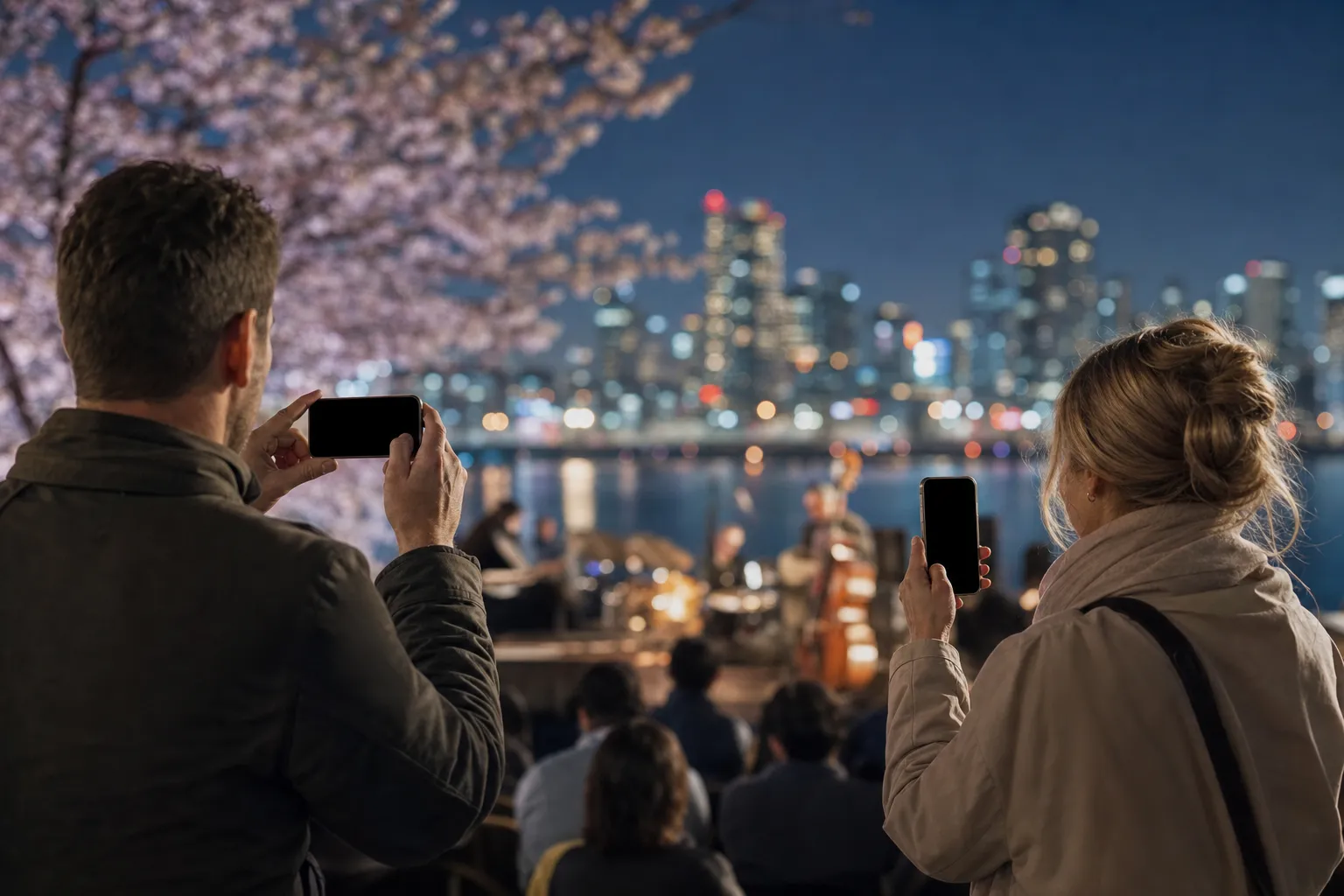
The figures released for the 2026 Seoul Spring Festival show a completed event with a large overall turnout and a clearly measured foreign-tourism component. With 7.06 million total visitors, 1,172,724 foreign tourists and a reported 8.5-fold rise from last year, Seoul’s post-event assessment presents the Han River-centered spring festival as a major tourism-linked cultural program for the city.
References
- 서울스프링페스티벌 706만명 방문해 작년의 8.5배…외국인 17% (연합뉴스, 2026-05-19)
- 서울스프링페스티벌, 706만명 찾아…"경제활성화도 기여" (이데일리, 2026-05-19)
- 한강공원서 열린 '2026 서울스프링페스티벌'에 관광객 706만명 방문 (데일리안, 2026-05-19)
- 서울 최대 봄축제 ‘서울스프링페스티벌’, 한강에서 만나요! (서울시 스마트서울소식)
- 서울시, 사계절 즐길거리 안 끊기는 '365 축제도시' 조성 (뉴시스, 2026-03-16)
About the Author