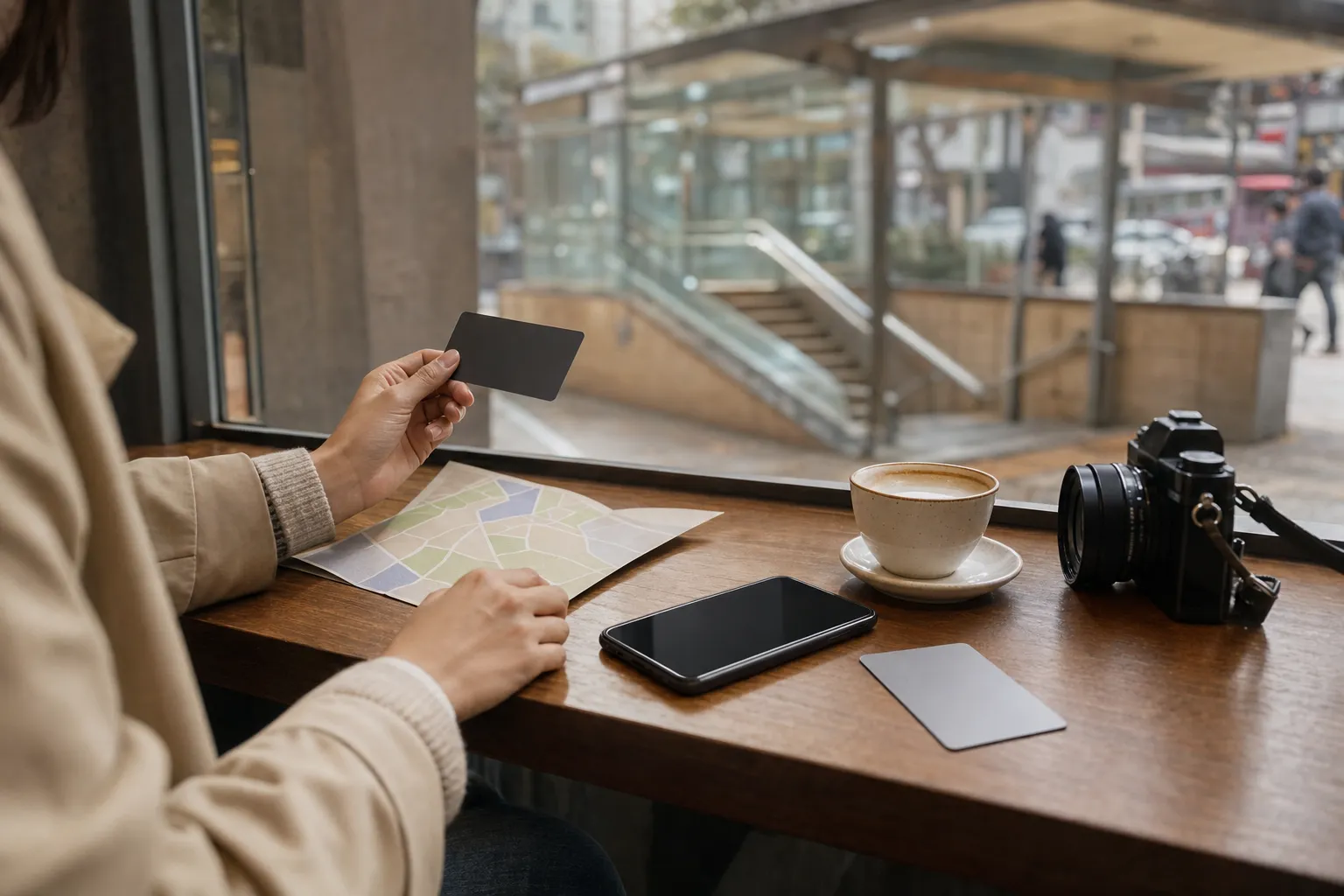
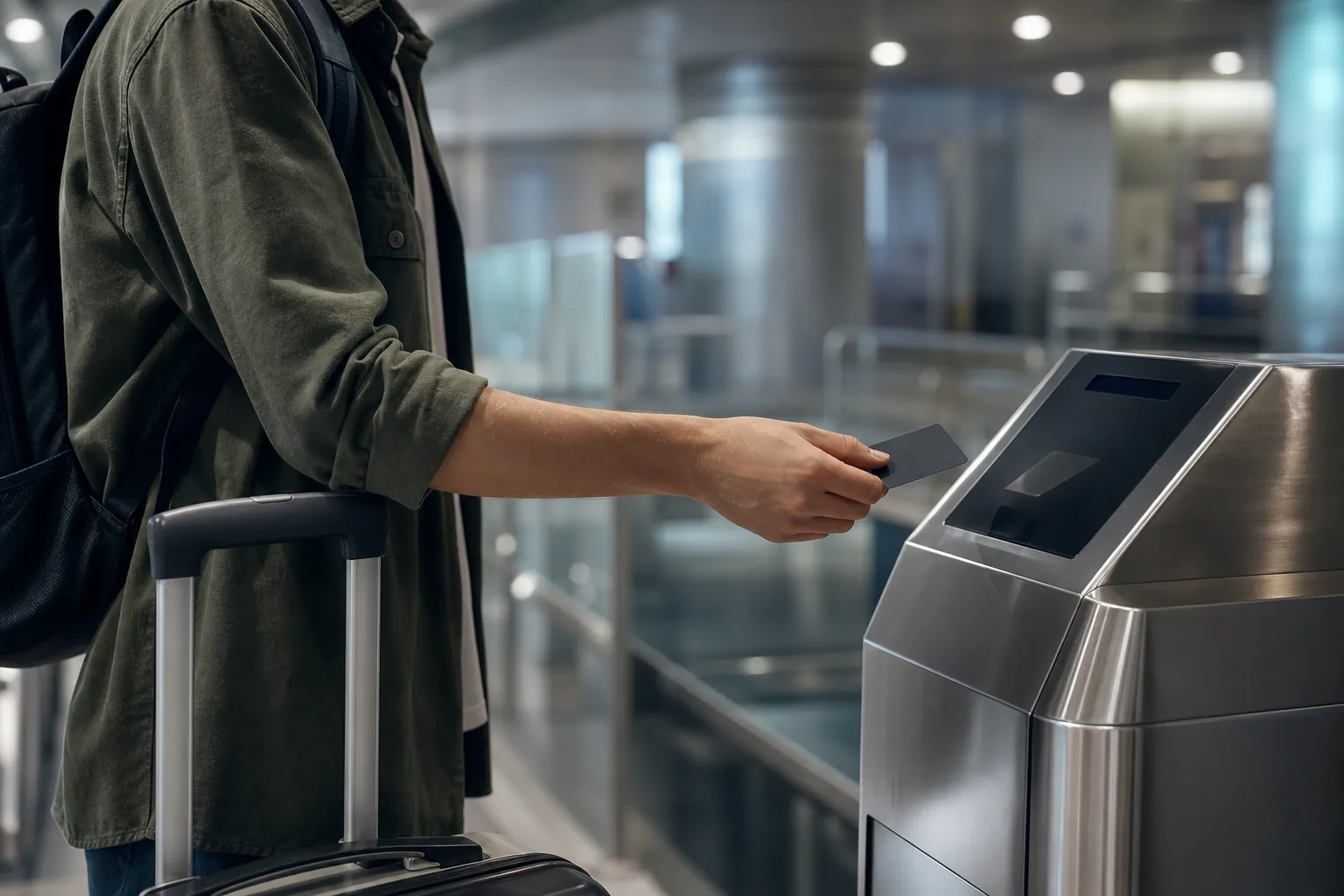
Foreign visitors can now use overseas-issued credit cards, debit cards, and supported easy-payment options to buy or recharge selected Seoul Climate Card products at new subway ticket machines. The service began on March 17, 2026, and applies mainly to short-term travel needs: purchasing the card itself, charging 1-, 2-, 3-, 5-, and 7-day short-term passes, and buying one-time subway tickets.1
For travelers, the practical change is simple: carrying Korean cash is no longer the only option when using the new ticket machines on Seoul Subway Lines 1-8. The service is available at 440 new transport card vending machines across 273 stations on those lines.1
Seoul Climate Card Overseas Card Payment: What Works
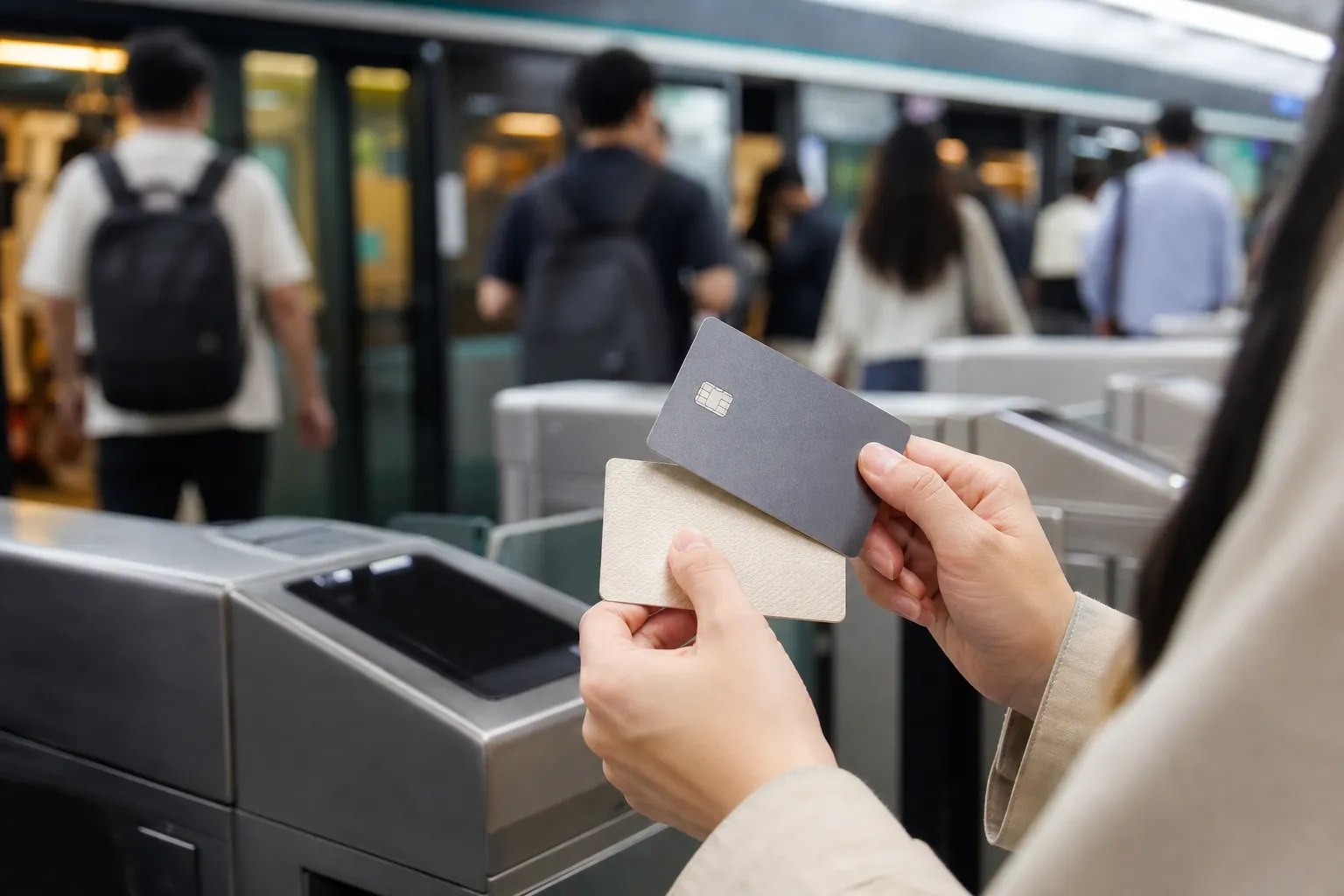
Overseas card payment is supported for three main uses. First, visitors can purchase a Seoul Climate Card. Second, they can charge short-term passes for 1, 2, 3, 5, or 7 days. Third, they can buy one-time subway tickets.1
The service is aimed at overseas visitors who may not have Korean-issued cards or local cash ready on arrival. Seoul Metropolitan Government said the payment upgrade supports overseas-issued credit and debit cards as well as easy-payment methods at the new vending machines.1
The short-term pass prices listed by Seoul Metropolitan Government, revised on April 13, 2026, are KRW 5,000 for a 1-day pass, KRW 8,000 for a 2-day pass, KRW 10,000 for a 3-day pass, KRW 15,000 for a 5-day pass, and KRW 20,000 for a 7-day pass.2
One important cost detail: purchases or recharges made with overseas-issued cards carry an average service fee of 3.7%.1 That means travelers should expect the final payment amount to be higher than the face value of the card purchase, recharge, or one-time ticket.
The city framed the change as part of improving public transport access for visitors. Yeo Jang-gwon, head of Seoul’s transport office, said the city would “continue improving convenience for foreign tourists using public transportation.”1
Short-Term Pass Limits Travelers Should Know
The overseas payment rollout does not cover every Seoul Climate Card product. It applies first to buying the card and charging short-term passes, while application to the 30-day pass will be reviewed later.1 Yonhap also reported that the city plans to decide whether to expand overseas-card payment to the 30-day pass after looking at foreign visitor demand.3
That distinction matters because the 30-day pass is not the same use case as the short-term visitor passes. If you are planning a short stay, the 1-, 2-, 3-, 5-, or 7-day products are the source-backed options tied to overseas card payment at the new machines. If you are considering longer use, the available source material only says the 30-day pass expansion will be reviewed later; it does not provide a confirmed start date.
There are also service-scope limits for short-term passes. Seoul’s official guide says short-term passes do not include Ttareungi bike sharing or the Han River Bus, and the validity period begins from the recharge date. Advance charging is not available.2 In practical terms, a short-term pass should be charged when the traveler is ready to start using it, not before the intended first day of use.
For network coverage, the Seoul Climate Card guide lists use across Seoul-area subway service, some subway sections in Gyeonggi Province, Seoul-licensed city and village buses, Ttareungi, and the Han River Bus.2 However, because the same guide separately says short-term passes do not include Ttareungi or the Han River Bus, short-term users should treat those two services as excluded from the short-term product even though they are part of the broader Climate Card program.
Where the Service Was Introduced and Early Usage
The overseas-card payment function was introduced on the new vending machines installed across Seoul Subway Lines 1-8. The launch covered 440 machines at 273 stations, a large enough rollout to affect many common visitor routes.1
Several reports also highlighted support efforts at major stations. Yonhap reported that promotional booths were planned at Seoul Station, Hongik University Station, and Myeong-dong Station around the launch date and before and after BTS performances.3 EToday similarly reported that Seoul City and Tmoney planned booths at those same stations.4
Early usage data suggests the payment change was quickly used. NewsPim, citing Seoul Metro analysis, reported that from March 17 to April 17, 2026, overseas-issued card and easy-payment transactions averaged 9,158 users per day and about KRW 70 million in daily payment value.5 NewsPim also reported that short-term Seoul Climate Card recharge volume rose from about 120,000 in the same period the previous year to about 240,000, with the 3-day pass accounting for about 35% of short-term pass recharges.5
Ma Hae-geun, head of Seoul Metro’s sales division, said the figures showed that “accessibility to subway use for foreign tourists has improved.”5
Quick FAQ
Can I use an overseas card for the 30-day Seoul Climate Card pass?
The available source material says overseas card payment applies first to card purchases and 1-, 2-, 3-, 5-, and 7-day short-term pass recharges. The 30-day pass is under later review, and no confirmed expansion date is provided.1
When does a short-term pass start after recharge?
Seoul’s official guide says the use period starts from the recharge date, and advance charging is not available. Short-term passes also do not include Ttareungi or the Han River Bus.2 !Seoul Climate Card overseas card payment foreign visitors For overseas visitors, the key point is that Seoul Climate Card short-term travel is now easier to purchase without Korean cash, as long as the transaction is made through eligible new vending machines on Seoul Subway Lines 1-8. The clearest supported use is still the short-term pass range, so travelers should choose the 1-, 2-, 3-, 5-, or 7-day option that matches their stay and account for the average 3.7% overseas-card service fee.
References
- 기후동행카드·일회용 승차권, 현금없이 해외 신용카드로 구매가능해진다 (서울특별시, 2026-03-16)
- 기후동행카드 소개 (서울특별시, 2026-04-13)
- 기후동행카드·지하철 일회용 승차권, 해외 신용카드 결제 도입 (연합뉴스, 2026-03-16)
- 외국인 관광객, 현금 없어도 지하철 탄다…해외 카드 기후동행카드·승차권 결제 (이투데이, 2026-03-16)
- 서울 지하철 해외카드 결제 도입 한 달…하루 9000명·7000만원 사용 (뉴스핌, 2026-04-22)
About the Author