Korean Museum Name Controversy: Daehan Museum Sparks Debate Over Chinese Artifacts Display
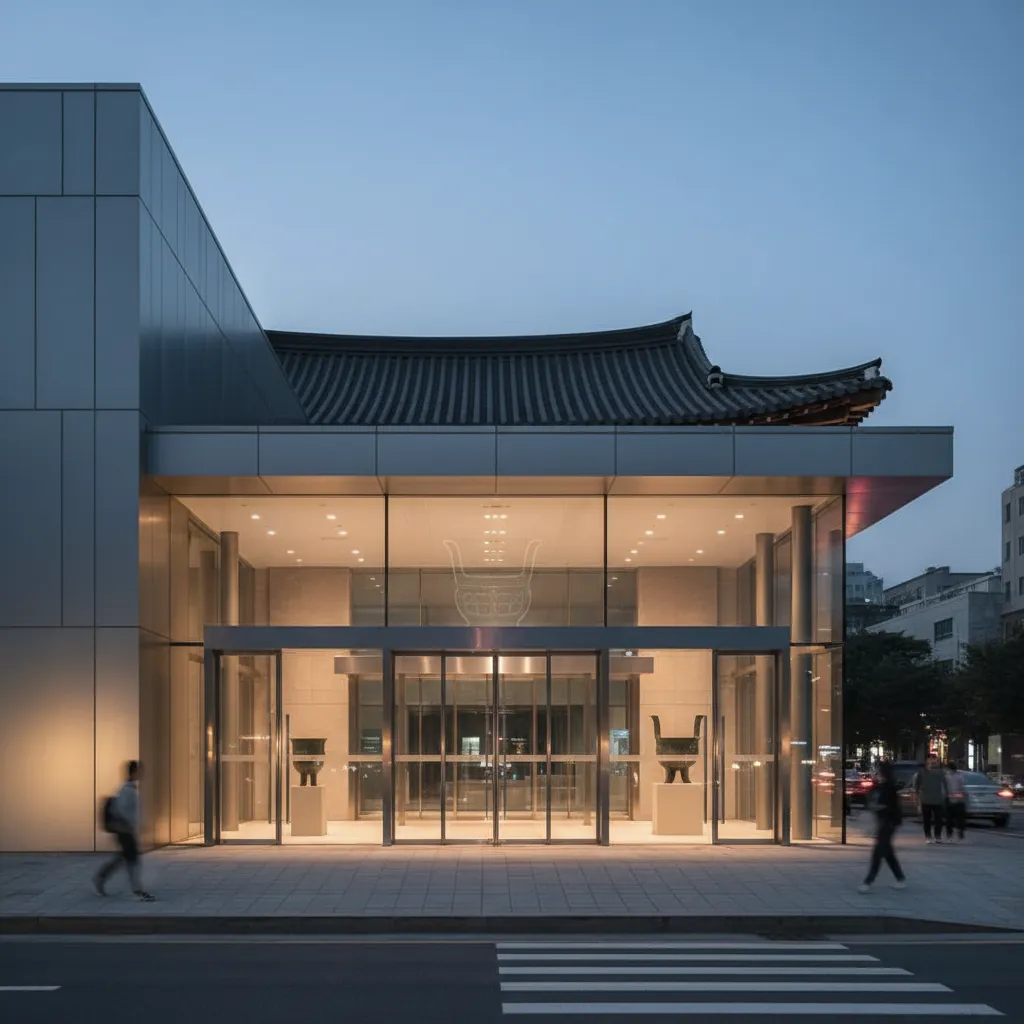
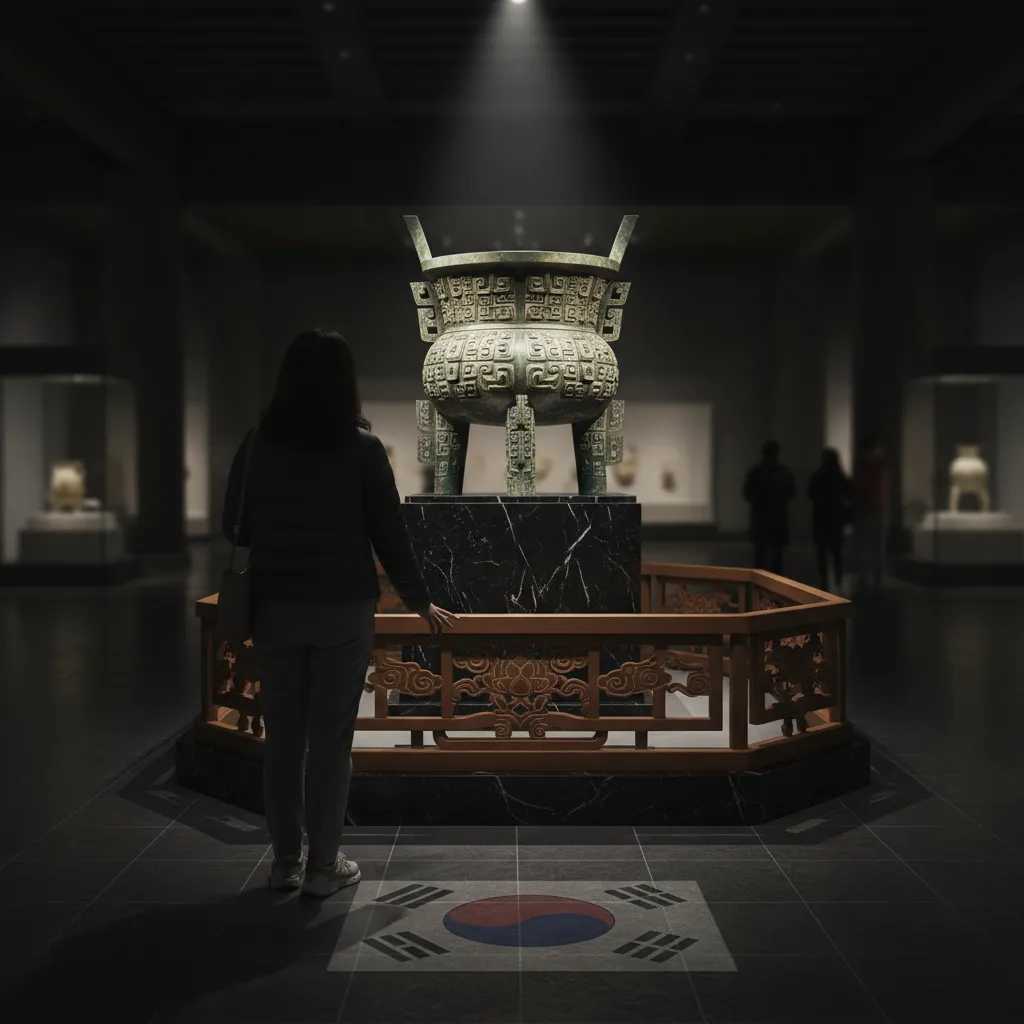
Our investigation found that a newly prepared exhibition space in Seoul’s Eunpyeong Hanok Village has become the focus of a heated public dispute. The venue, which calls itself Daehan Museum (대한박물관) and displays a sign reading “Korea Museum” (코리아 뮤지엄), is preparing to showcase a collection that spans Chinese history from the Neolithic period through the Qing dynasty. Despite its Korean‑sounding name, the exhibits reportedly center on Chinese artifacts, including items such as ancient cavalry figures.
Background of the Daehan Museum Dispute
Located roughly 100 meters from the traditional hanok houses that attract both domestic and international tourists, the facility has drawn attention after images of its exterior signage and interior guidance panels circulated online. The panels list a chronological flow of Chinese dynasties—starting with the 신석기 시대 (Neolithic) and moving through 춘추전국시대, 진, 한, 당, 송, 명, 청—indicating the thematic focus of the planned displays. Visitors who encounter the “Korea Museum” signage may reasonably expect a presentation of Korean heritage, yet the actual contents appear to emphasize Chinese historical narratives.
Officials from Eunpyeong District (은평구) have stressed that the establishment bears no administrative connection to the local government. In an official statement released on the 24th, the district described the venue as an unregistered private museum and confirmed that a site inspection carried out on the 17th revealed a possible mismatch between the building’s registered use and its actual function. The structure is recorded as a 제2종 근린생활시설 (Category 2 neighborhood living facility) rather than a cultural or assembly space, which, according to the district, raises concerns about unauthorized conversion under the Building Act (건축법).
Official Responses and Legal Actions
Eunpyeong District announced that it will conduct an on‑site verification as soon as the facility opens, which is slated for early May. The district said it will pursue any applicable administrative measures, including potential orders to correct the use of the building, while acknowledging that pre‑opening regulatory tools are limited. Additionally, the district is reviewing whether the presentation constitutes deceptive advertising under the Fair Labeling and Advertising Act (표시광고법) and is considering referring the matter to the Fair Trade Commission (공정거래위원会).
Legal scrutiny has also come from the Seoul Metropolitan Council. Councilmember Moon Sung-ho (문성호 서울시의원) filed a criminal complaint with the Seoul Metropolitan Police Agency, alleging that the operators violated three statutes: the Building Act for unapproved change of use, the Fair Labeling and Advertising Act for misleading signage, and the Museum and Art Museum Promotion Act (박물관 및 미술관 진흥법) for using the term “museum” without proper registration.
Cultural and Tourism Concerns
Professor Seo Kyung-duk (서경덕 성신여대 교수) of Sungshin Women’s University visited the site and reported that Chinese cavalry exhibits were among the first items visible upon entry. He warned that the combination of a “Korea Museum” sign and Chinese‑focused displays risks deceiving foreign tourists who frequent Eunpyeong Hanok Village as a gateway to Korean traditional culture. Professor Seo urged that the name be changed immediately to avoid misleading visitors and noted that local residents had expressed their disapproval by pointing fingers at the signage.
The controversy has highlighted broader worries about preserving the cultural identity of the Eunpyeong Hanok Village and the adjacent Korean Culture Experience Special Zone (한문화체험특구). Officials reiterated that the area has been cultivated over time as a hub for Korean heritage and affirmed their commitment to protecting its identity through all available legal means.

As the projected opening date approaches, authorities, legal experts, and community members await clarification on how the facility will reconcile its signage, actual exhibition content, and regulatory status. The outcome will likely influence how similar cases involving cultural representation and naming are handled in the future.
About the Author