
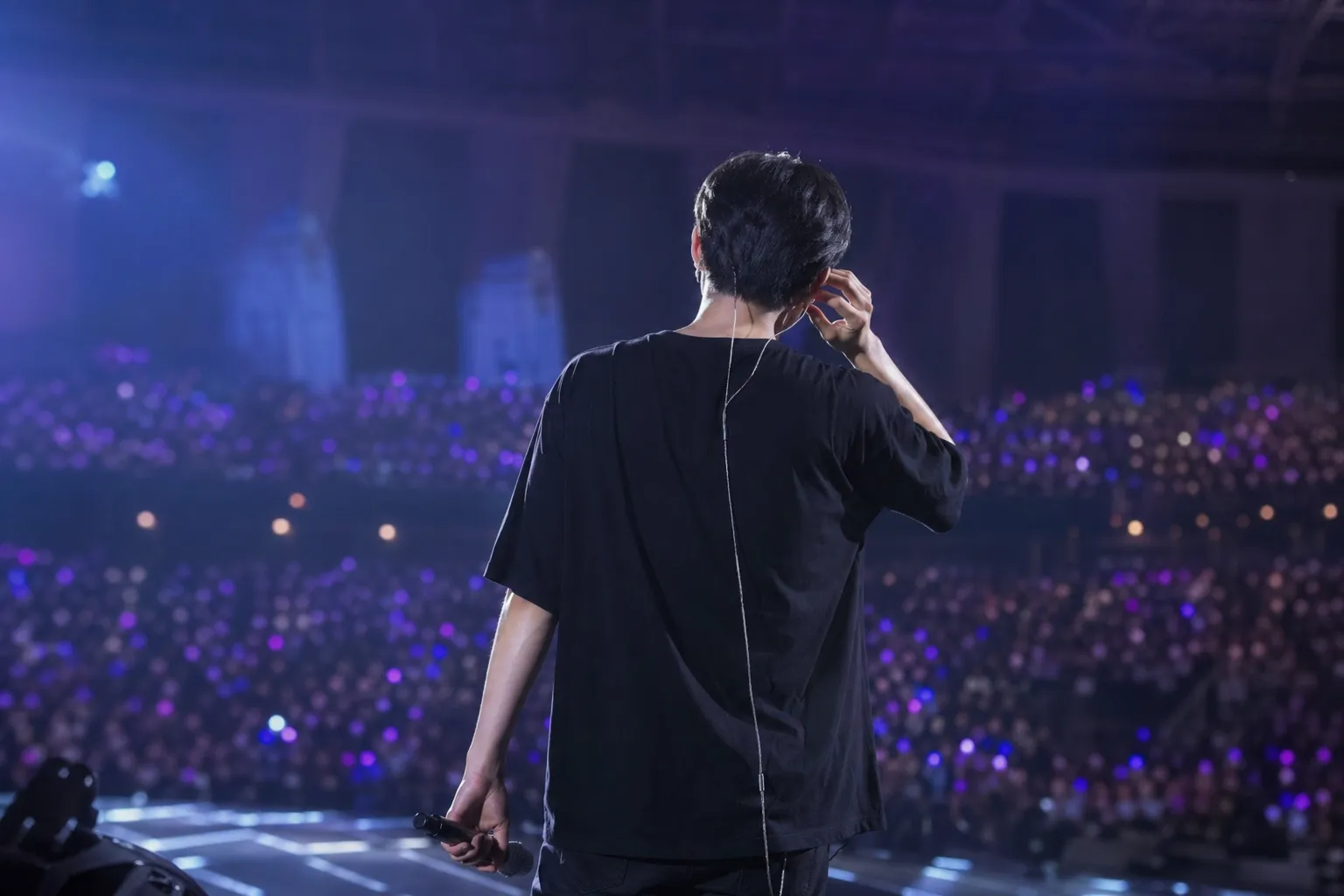
The Jungkook Magic Shop sound issue became a major talking point after BTS opened its North American tour in Tampa, Florida, with a performance at Raymond James Stadium on April 25, 2026. During the “Magic Shop” stage, audio problems were reported, and some members’ voices were heard unevenly or unstably through the sound system. Jungkook later addressed the situation directly on social media on April 27, apologizing to ARMY who attended the show and expressing that he was upset as well.
What Happened During the Jungkook Magic Shop Performance
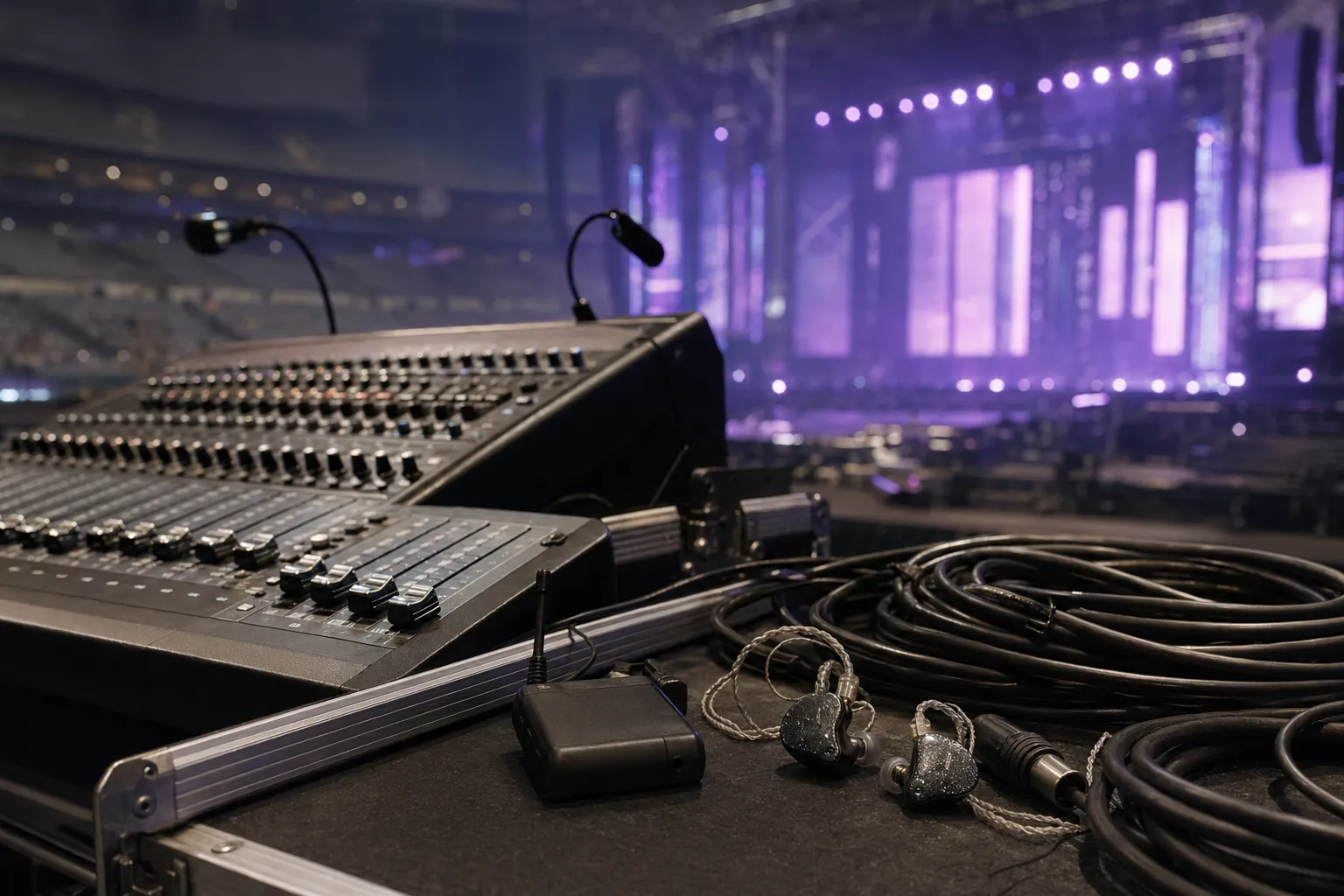
BTS began its U.S. concert schedule in Tampa on April 25, 2026. The first show of the North American leg took place at Raymond James Stadium, and the sound issue emerged during “Magic Shop,” a song with deep emotional meaning for many fans. Because the song is closely tied to BTS’s connection with ARMY, any disruption during that stage was bound to feel especially noticeable.
The problem was described as an audio incident during the live performance. Reports indicated that some voices were transmitted in an unstable way, and the live pitch or vocal delivery appeared shaky because of the sound situation. The available information points to a technical sound problem during the stage rather than a lack of effort from the performers.
What stood out afterward was Jungkook’s response. After the performance, he reportedly sang his part again backstage without instrumental accompaniment. That detail mattered to fans because it showed that he was aware of how the moment had come across and wanted to deliver the part properly, even if only behind the scenes. It also reflected the kind of perfectionism fans often associate with him, though the facts available here only confirm that he re-sang his part a cappella after the stage.
Jungkook’s Apology to ARMY
Jungkook addressed the “Magic Shop” sound issue himself on social media on April 27, 2026. He apologized to fans who had come to see the concert and shared that he felt sorry and disappointed about what happened. He also expressed anger over the situation, making clear that the issue bothered him personally as well.
His message was not framed as a distant statement. It was direct and emotional. He acknowledged the controversy around the “Magic Shop” performance and apologized to ARMY. He also indicated that from that day onward, he would make sure to catch the pitch well, a comment that suggested he was thinking seriously about how the live performance would be heard going forward.
For fans, that kind of response can carry a lot of weight. Concerts are live events, and technical problems can happen even at the biggest venues and on the most carefully prepared tours. But when a singer personally recognizes the disappointment of the audience, it changes the tone of the conversation. Jungkook did not ignore the situation. He addressed it, apologized, and shared his frustration.
At the same time, it is important to stay close to what is known. The confirmed details are that the sound issue occurred during “Magic Shop” at the Tampa concert, that Jungkook apologized on social media on April 27, and that he expressed both regret toward fans and anger about the situation. The available information does not provide a full technical explanation of what caused the audio problem.
Why the Jungkook Magic Shop Moment Drew So Much Attention
“Magic Shop” is not just another song in the BTS catalog for many listeners. Within the available reports, the focus was not on a broad concert review but specifically on the sound problem during that stage and Jungkook’s reaction afterward. That narrow focus shows why the moment spread quickly among fans: it involved a beloved song, a major U.S. tour opening, and a member personally apologizing.
The timing also mattered. This was the first concert of BTS’s North American tour schedule, beginning in Tampa. When an audio problem happens on an opening night, fans naturally pay close attention because it can shape expectations for the rest of the tour. BTS was also reported to be continuing a tour across 12 major North American cities, so the Tampa incident became part of a larger conversation about how future shows would sound.
The reaction around the incident appears to have centered on disappointment with the audio rather than a rejection of the performance itself. Jungkook’s own apology helped clarify that he understood why fans were upset. His statement also suggested that he wanted the live experience to be better from that point on.
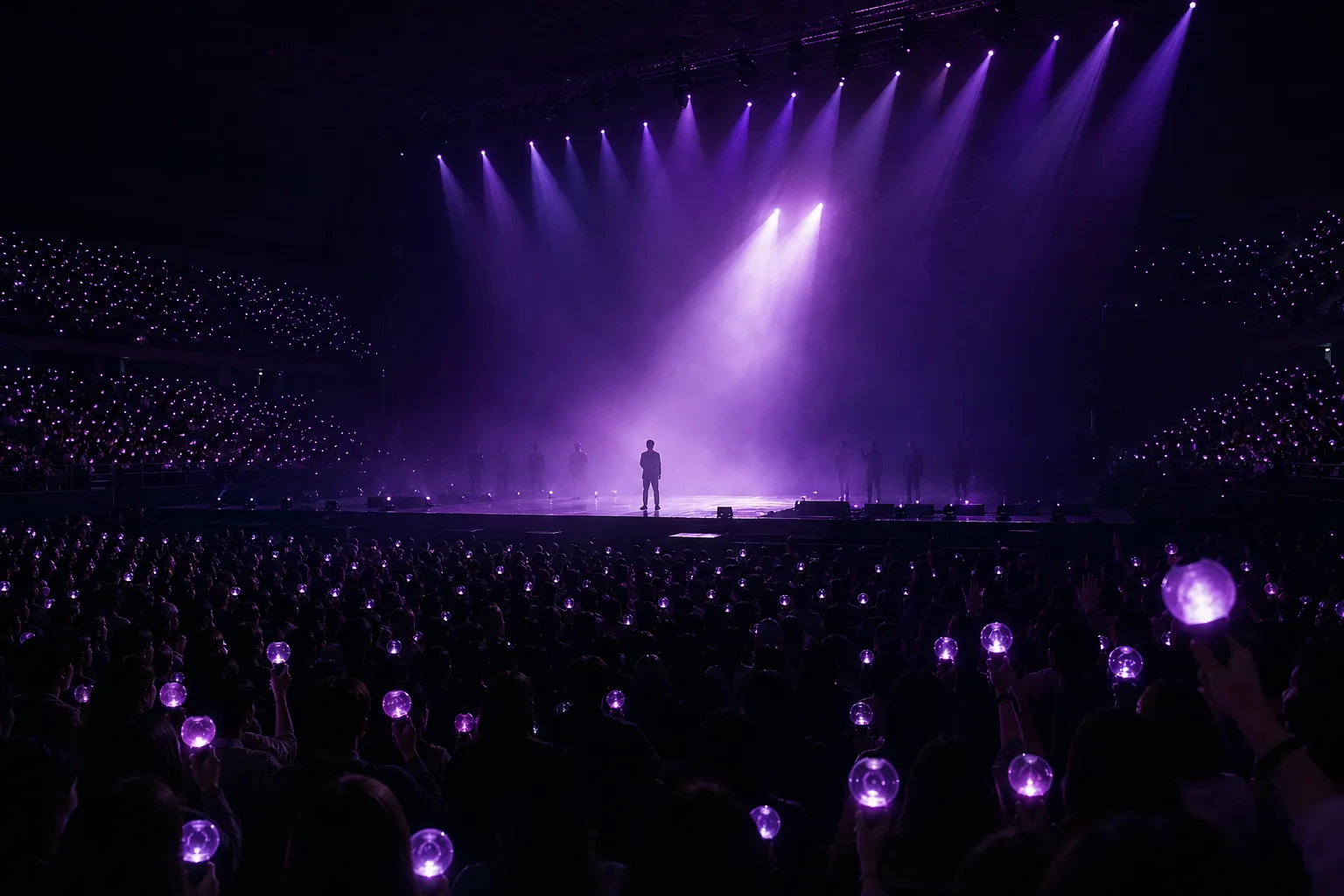
The clearest takeaway is that the “Magic Shop” sound issue was a real disruption during BTS’s April 25 Tampa concert, and Jungkook responded publicly two days later with an apology to ARMY. He acknowledged the problem, expressed frustration, and showed that the moment mattered to him as much as it mattered to fans. As BTS continues its North American tour, the Tampa performance will likely be remembered not only for the audio controversy but also for Jungkook’s direct and sincere response.
About the Author