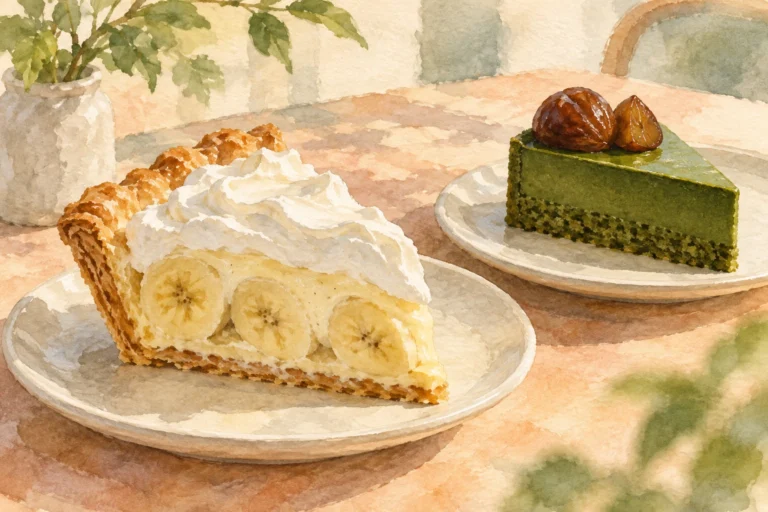
Gwangjin 92do, known in Korean as Gusipido, has become part of Seoul’s Butter Tteok conversation through a very specific angle: a Shanghai-inspired rice-cake dessert adapted for local tastes. The shop was featured by Korean lifestyle outlets in March 2026 as one of the places drawing attention while Butter Tteok moved from cafe curiosity into a wider dessert trend.1
What makes the Gwangjin name stand out is not just that it sells Butter Tteok, but the story attached to its version. Cosmopolitan Korea described 92do as a shop in Neung-dong, Gwangjin-gu, where an owner who had studied in Shanghai created the menu based on Butter Tteok tasted locally in China.1 GQ Korea also identified the shop as one that recreates a local Shanghai flavor and listed it among places selling chestnut-shaped Butter Tteok.2
Gwangjin 92do and the Shanghai-Style Butter Tteok Link
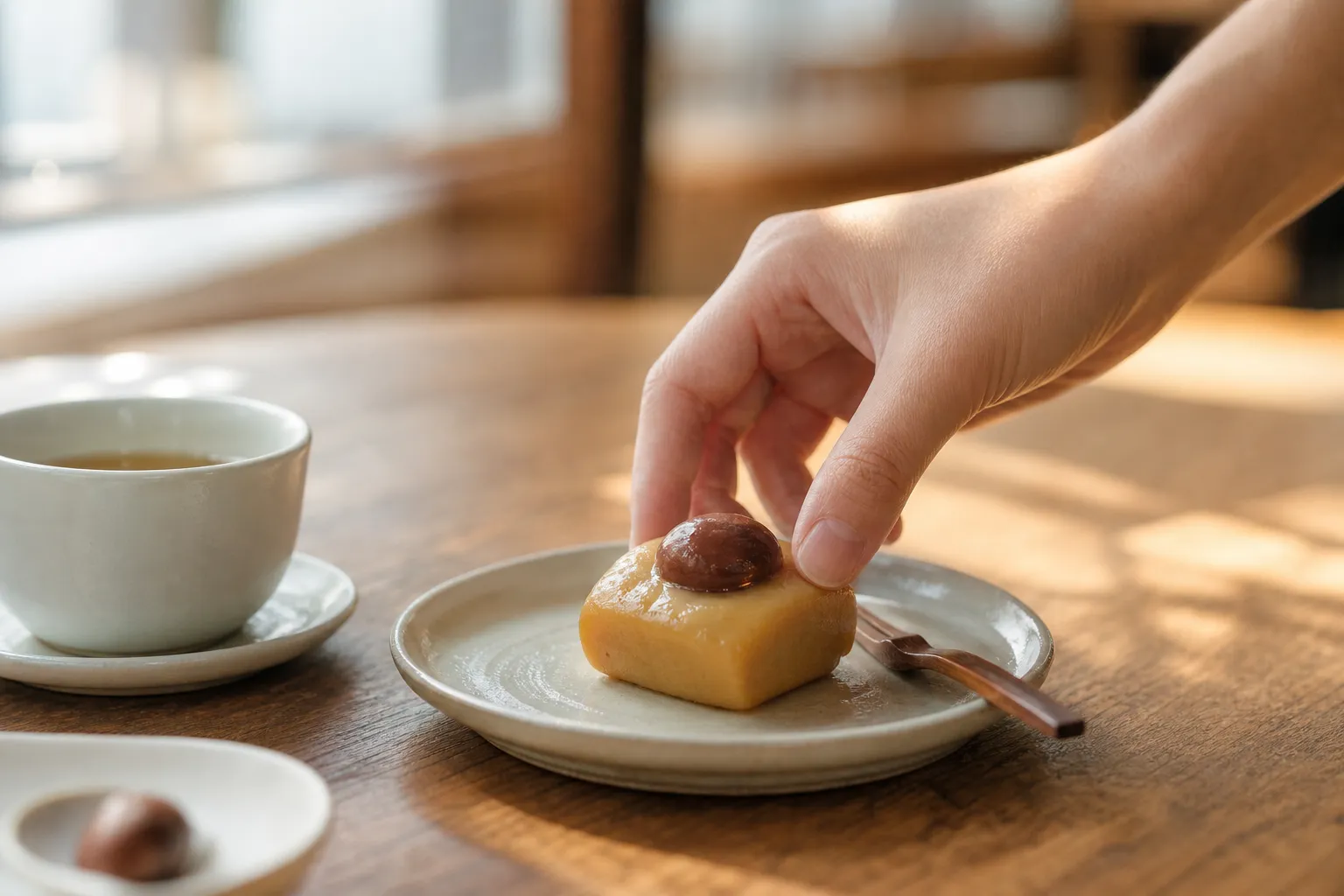
Butter Tteok is often explained through its connection to Chinese rice-cake traditions. Several March 2026 reports described it as a dessert influenced by Shanghai-style huangyou niangao or nian gao, reinterpreted for Korean dessert culture.3 In more practical terms, the dessert is built around glutinous rice dough, with butter added and the dough baked, creating the crisp-outside, chewy-inside appeal that many Korean articles emphasized.4
At 92do, the Shanghai link appears especially central. The shop was not presented simply as a place following a retail trend; it was described as a spot where the owner’s Shanghai student background shaped the menu. Cosmopolitan Korea reported that 92do’s Butter Tteok was made after the owner drew on what was tasted locally in Shanghai, then adjusted sweetness and butter intensity for Korean preferences.1
That detail matters because Butter Tteok can sound simple at first: rice cake plus butter, then baked. But the difference between versions can come down to balance. Too much sweetness can make it feel heavy, while too much butter can overpower the rice-cake chew. The available source material does not give a full recipe for 92do, but it does point to a deliberate adaptation: a Shanghai-inspired dessert softened into a version meant to suit Korean palates.1
Why the Chestnut Shape Helps 92do Stand Out
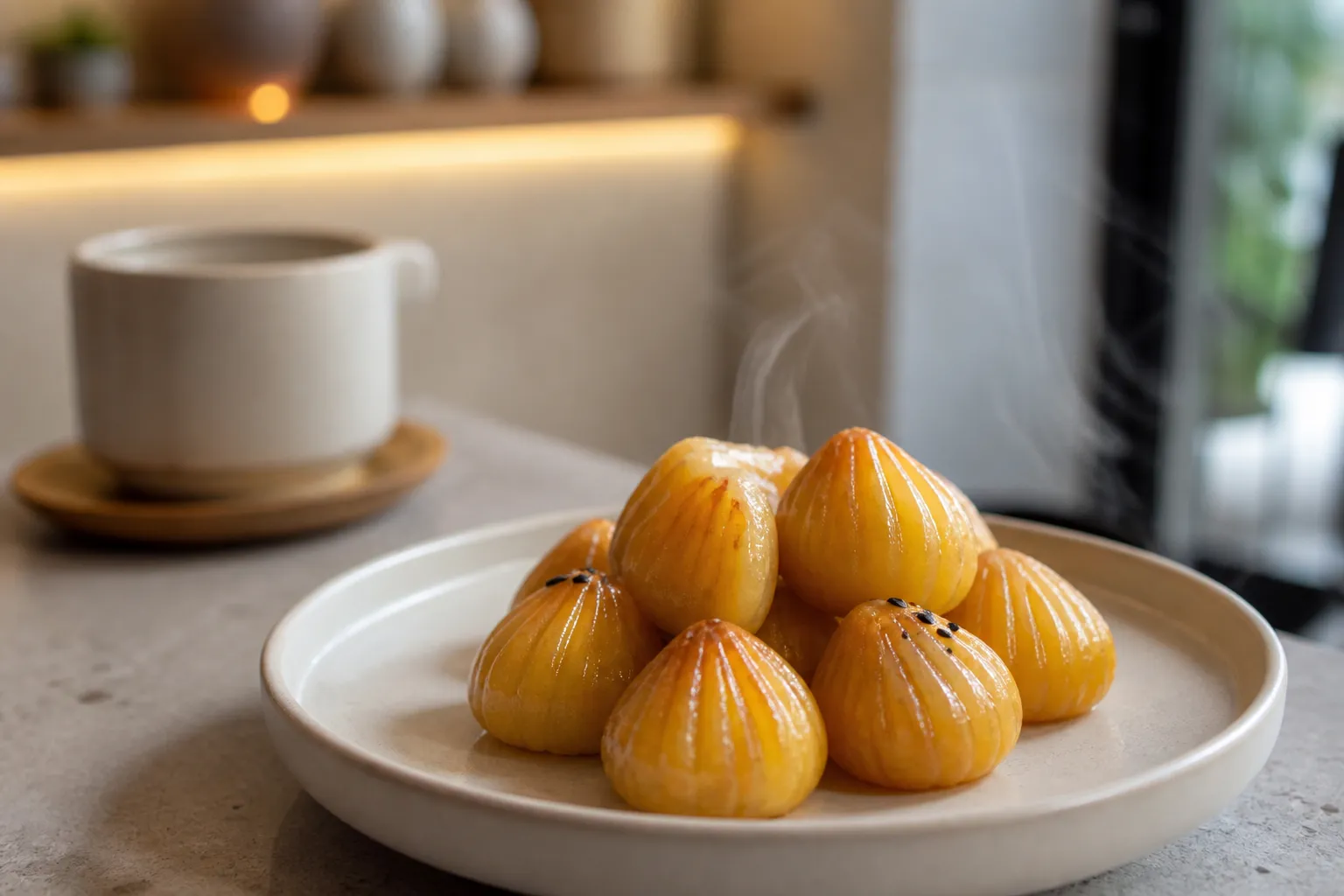
GQ Korea grouped Butter Tteok shops by shapes suited for gifting, and 92do appeared among sellers of chestnut-shaped Butter Tteok.2 That may sound like a small visual detail, but in dessert culture it does useful work. Shape gives a trendy food an identity before anyone even talks about texture or flavor.
The chestnut-like form also fits the broader way Butter Tteok has been discussed in Korea: not only as something to eat, but as something to notice, photograph, compare, and give. Bridge Economy quoted an industry comment that dessert consumers are increasingly considering not only taste but also fun and experience.4 In that context, 92do’s form is part of the product’s appeal, not just decoration.
The address details in the source material are not fully identical. Cosmopolitan Korea listed the shop in Seoul’s Gwangjin-gu, Neung-dong 221-13, while GQ Korea gave the address as 40 Cheonho-daero 110-gil, Gwangjin-gu, Seoul.12 Since both records refer to 92do in Gwangjin-gu, the reliable takeaway is that the shop is tied to Gwangjin in Seoul, even though readers should check current map listings before planning a visit.
From Cafe Menu to Convenience Store Trend
The wider Butter Tteok moment helps explain why a Gwangjin shop like 92do drew media attention. By late March 2026, major retailers were also moving into the category. Segye Ilbo reported that CU began reservation sales of ‘Salt Butter Tteok’ on March 16, 2026, with wider offline store sales planned from March 25, 2026.5 The same report described Butter Tteok as a dessert made by adding milk and butter to glutinous rice flour dough and baking it, after it became a social media topic centered around China.5
Seven-Eleven was also part of the push. Edaily reported on March 22, 2026, that Seven-Eleven would begin with ‘Shanghai Butter Mochi Ball’ on March 25, 2026, then release three Butter Tteok series items in stages, with prices set in the 2,000-won range.6 A Seven-Eleven representative said the company was “speeding up commercialization to reflect rapidly changing dessert trends.”6
Homeplus approached the trend through experience rather than packaged retail. News1 and Financial News reported that Homeplus Culture Center held one-day ‘Crispy Outside, Chewy Inside Shanghai Butter Tteok Making’ classes from March 28 to April 19, 2026, across more than 70 culture centers nationwide.3 That same report noted that an earlier Dubai chewy cookie class had drawn about 2,700 participants and closed early, showing how quickly dessert trends can move from social media into hands-on programs.3
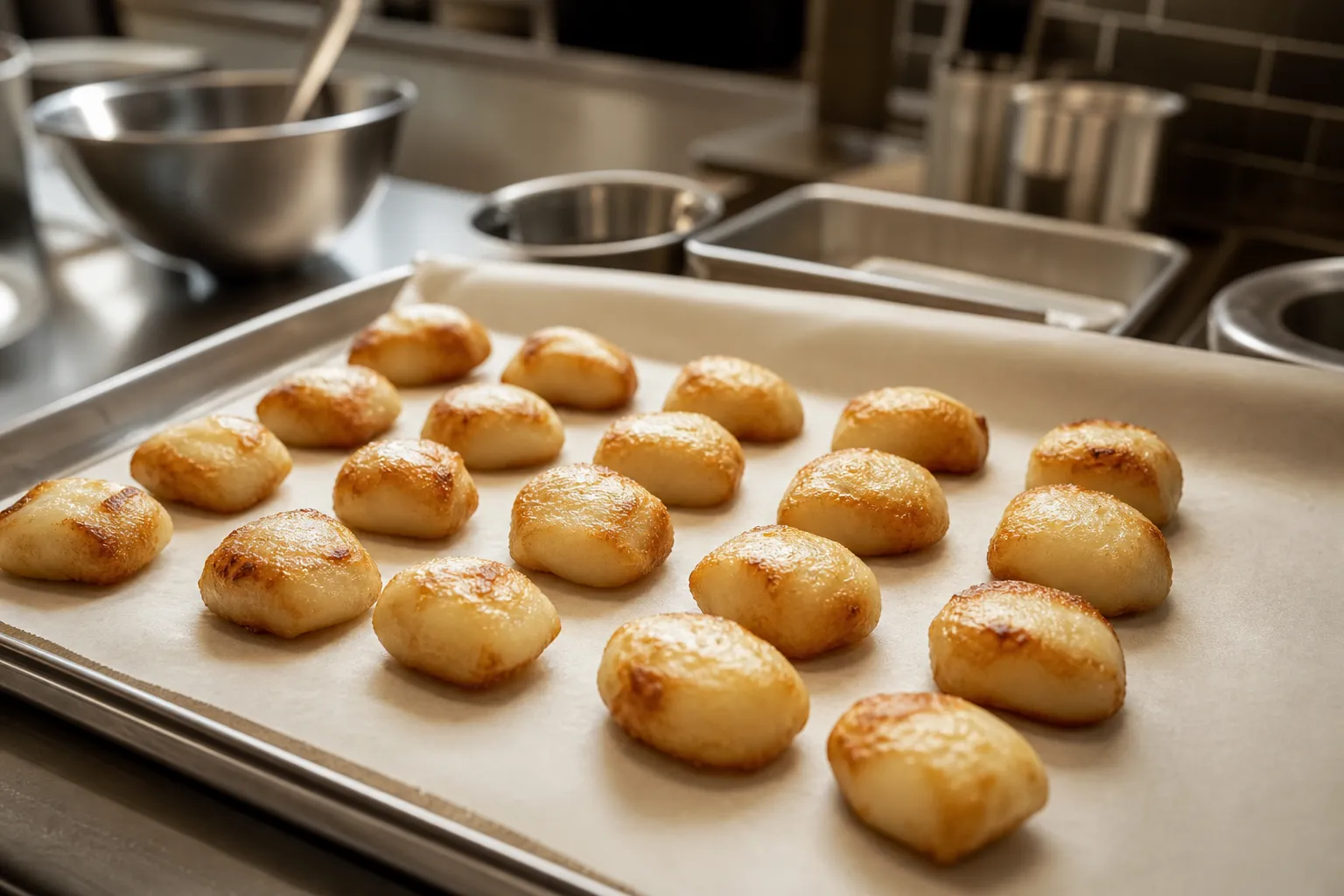
For readers trying to understand Gwangjin 92do, the key is to see it at the cafe end of this trend rather than the mass-market end. The available sources frame 92do as a Seoul shop with a Shanghai-inspired origin story, a locally adjusted flavor profile, and a recognizable chestnut-shaped style. Convenience stores and culture centers show how broadly Butter Tteok spread in March 2026, but 92do’s appeal sits in the more specific story of how a Chinese-influenced dessert became a Korean cafe item with its own shape, balance, and neighborhood identity.
References
- 겉바속쫀 디저트 등장! 요즘 카페에서 난리 난 버터떡 맛집 4 (코스모폴리탄 코리아, 2026-03-16)
- 밤톨, 꽃송이, 하트 모양? 선물하기 좋은 버터떡 맛집 9 (GQ Korea, 2026-03-11)
- 두쫀쿠에 이어…홈플러스 문화센터, '버터떡 만들기' 특강 (뉴스1/파이낸셜뉴스, 2026-03-23)
- “버터떡을 두쫀쿠처럼 대세 디저트로?”…유통가, 차세대 디저트 ‘선점 경쟁’ (브릿지경제, 2026-03-23)
- 상하이서 인기 끈 ‘버터떡’ 상륙…편의점 디저트 대전 다시 불붙었다 (세계일보, 2026-03-22)
- "두쫀쿠 다음 대란템" 세븐일레븐, 버터떡 3종 출시 (이데일리, 2026-03-22)
About the Author