
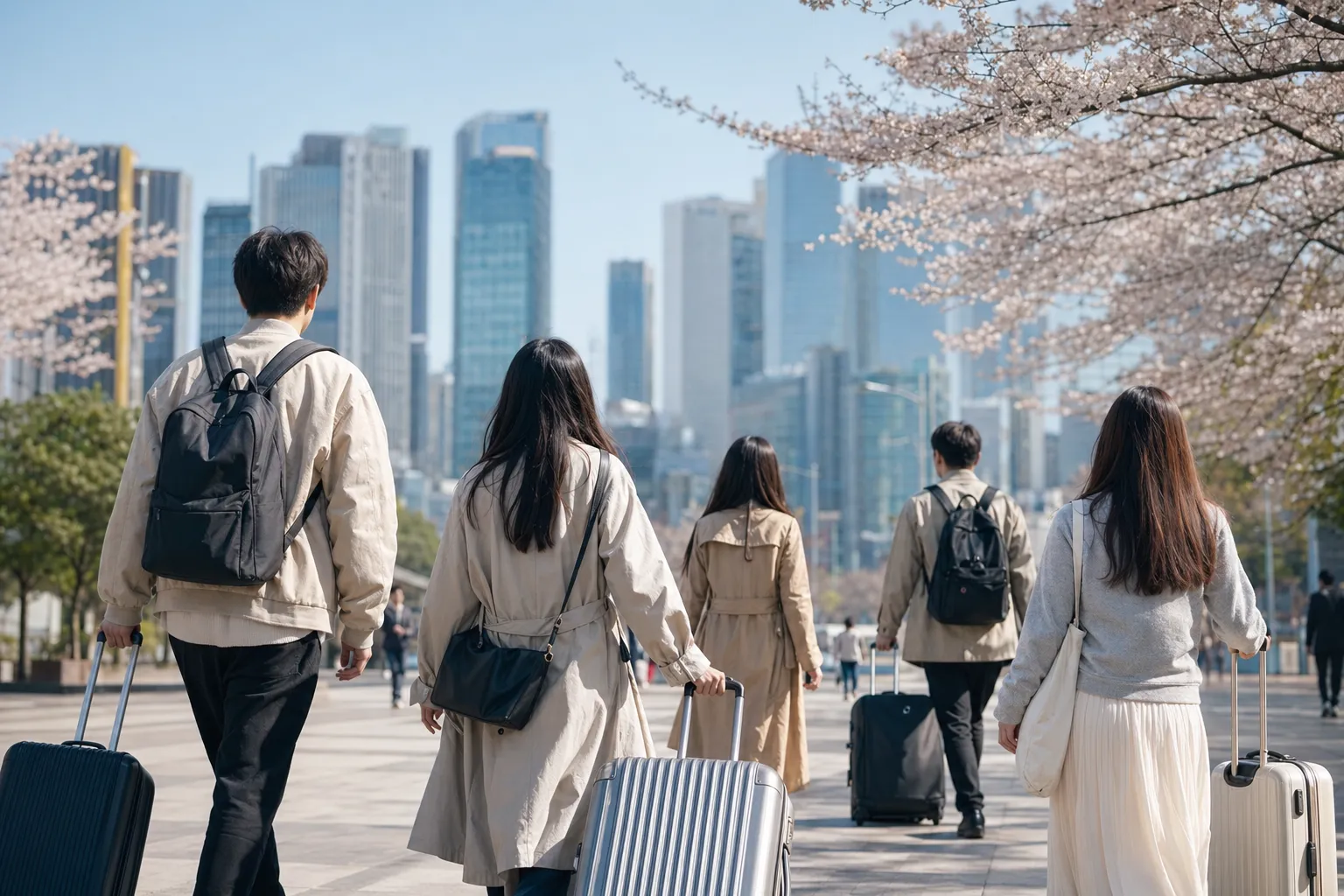
Golden Week Korea Travel is becoming one of the clearest travel trends of spring 2026. As Japan’s Golden Week lines up with a wider rebound in regional travel, Korea is preparing for a busy stretch of visitors, especially from Japan. The numbers point in the same direction: overseas travel reservations from Japan are rising, Seoul has been ranked the most popular overseas destination for the holiday period, and Jeju and Busan are also appearing high on travelers’ lists.
Golden Week Korea Travel Is Led by Seoul
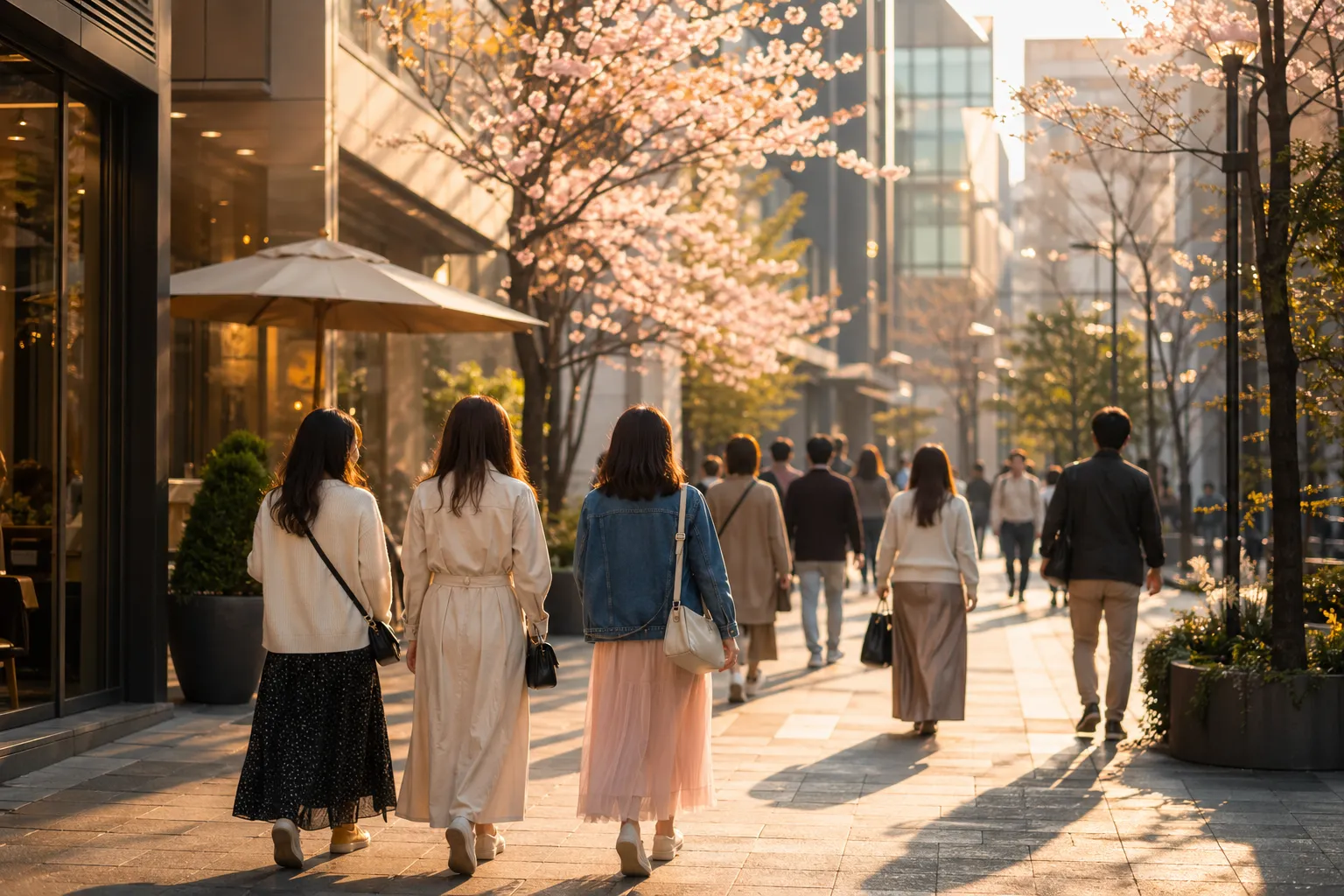
For Japanese travelers planning an overseas break during Golden Week, Seoul is standing out as the headline destination. Travel reservation data from H.I.S. indicated that Japanese overseas travel bookings for the Golden Week period were expected to rise 26.7 percent from a year earlier, with Seoul ranked as the No. 1 popular overseas destination.
That is not just a one-off signal. JTB also projected that 572,000 Japanese travelers would go overseas between April 25 and May 7, 2026, an 8.5 percent increase from the previous year. Korea, Taiwan, and Southeast Asia were named among preferred destinations, showing that short- and mid-haul Asian trips remain especially appealing for the holiday window.
Korea’s appeal is not limited to Seoul, either. In an April 2 report from H.I.S., Jeju ranked fifth and Busan sixth among popular overseas destinations for Golden Week travel. That matters because it shows Japanese interest spreading beyond the capital into coastal, island, and regional routes. If you are watching Korea travel patterns closely, this is one of the most interesting details: Seoul may be the main gateway, but it is not the whole story.
The timing also works in Korea’s favor. Golden Week is a compact but powerful travel season, and Korea is close enough for Japanese visitors to fit into a short holiday. At the same time, Korea has a broad enough range of city breaks, food experiences, shopping districts, cultural stops, and regional destinations to make repeat visits feel worthwhile.
Visitor Numbers Were Already Climbing Before Golden Week
The Golden Week rush is arriving on top of a strong start to the year. In the first quarter of 2026, Korea welcomed 4.76 million foreign visitors, the highest first-quarter total on record. Japanese arrivals were a major part of that growth, reaching about 940,000 in the quarter, up 20.2 percent from a year earlier.
Another figure gives useful context for how quickly the market has been recovering. By the end of February 2026, Japanese visitors to Korea had already reached 458,186, a 14.8 percent increase from the same period a year earlier. In 2025, Japanese arrivals totaled about 3.65 million, the highest annual figure recorded for visitors from Japan.
So when people talk about a Golden Week bump, it should be understood as part of a larger trend. Korea was already drawing more visitors before the holiday season began. Golden Week simply concentrates that demand into a highly visible travel window.
There is also a broader regional effect. Japan’s Golden Week and China’s Labor Day holiday overlap closely enough to create a busy inbound period for Korea. Chinese travel interest is also part of the spring picture, with Korea ranking first by country in overseas travel searches in a 2026 Labor Day travel trend report from Airbnb China. For Korea’s airports, hotels, shops, transport networks, and local tourism businesses, that overlap may make the coming weeks especially active.
Roadshows, Discounts, and Local Experiences Add Momentum
Korea has not been waiting passively for demand to arrive. From April 9 to 30, 2026, the Ministry of Culture, Sports and Tourism and the Korea Tourism Organization held K-tourism roadshows in Osaka, Tokyo, and Fukuoka. The timing was deliberate, aimed at increasing demand for travel to Korea before and around Golden Week.
There is also a regional airport push. In April 2026, Korea Airports Corporation moved forward with inbound promotions designed to encourage more foreign visitors and support local airport use. For Japanese Golden Week demand, the promotion included discount coupons through Trip.com. Travelers purchasing Japan-to-regional-airport international routes and Seoul-area-to-regional-airport domestic routes could receive coupons worth up to about 30,000 won per person. The corporation planned to invest about 50 million won to encourage greater use of regional airports.
That regional focus connects neatly with the popularity of Jeju and Busan. If Japanese visitors are already looking beyond Seoul, airline and airport promotions can make regional itineraries easier to choose. For travelers, it may mean a more practical path to combining Korea’s capital with a second destination.
Local experiences are another part of the story. Bookings for local experiences and optional tours by Japanese international travelers during the 2026 Golden Week period increased by up to 2.2 times compared with a year earlier, based on reservations made from March 26 to April 6. Korea recorded the largest increase among destinations, at about 2.2 times, followed by Thailand, Vietnam, and Europe. In Korea and Taiwan, railway tickets were mentioned as preferred products.
That detail says a lot about how visitors may be traveling. Interest is not only in flights and hotels; travelers are also booking activities and transport that help them move around once they arrive. Railway ticket demand suggests practical, self-directed travel planning, especially for people considering more than one stop.
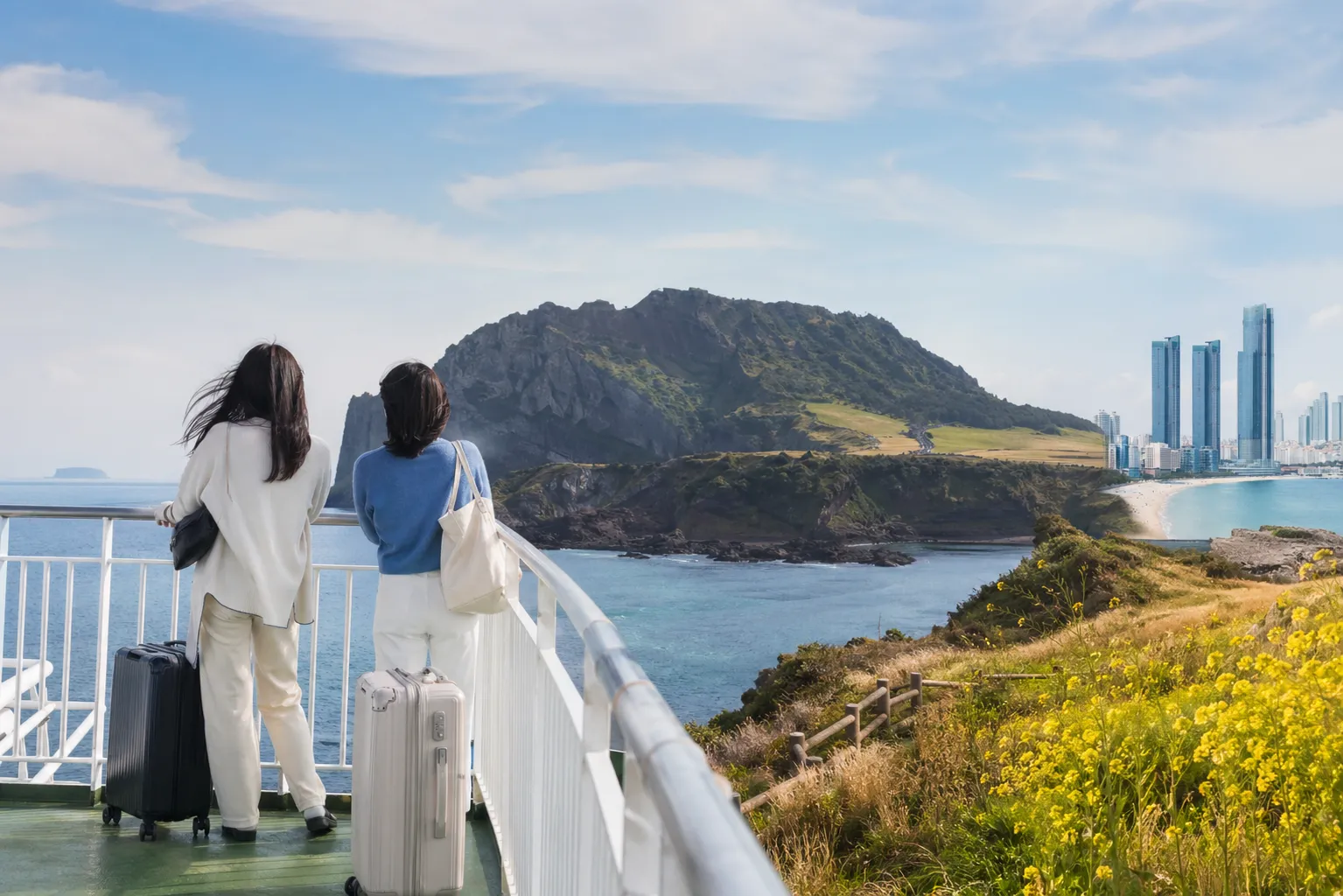
In short, Korea is entering Golden Week 2026 with strong momentum: record first-quarter arrivals, rising Japanese visitor numbers, Seoul at the top of the overseas destination list, and growing interest in Jeju, Busan, local tours, and rail travel. For anyone following Golden Week Korea Travel, the key point is simple: this is not just a holiday spike, but part of a broader shift toward more active, regional, and experience-focused travel to Korea.
About the Author