Foreign traveler seshin booking has moved from a niche wellness curiosity to a practical part of Korea trip planning. For visitors interested in K-Seshin Tourism, the clearest source-backed picture is this: reservations are increasingly being made through online channels, one-person seshin shops are drawing international customers, and booking demand has risen across several reported datasets.
Seshin, often translated as Korean body scrubbing, is connected in the sources to public bathhouses, jjimjilbang, saunas, and private or one-person seshin shops. The available reports do not provide a universal booking rule for every venue, so travelers should treat each shop or sauna as its own reservation case. What is confirmed is that foreign visitors are already booking these experiences through Line, Instagram, and experience-program reservation apps, especially for appointment-based one-person seshin shops in areas such as Gangnam.1
Foreign Traveler Seshin Booking: Where Reservations Are Happening
The most practical starting point is to decide which type of experience you want: a sauna or jjimjilbang-linked bathhouse visit, or a more private one-person seshin shop. Reports describe both as part of the growing foreign interest in Korean beauty and everyday-life culture experiences. Maeil Business Newspaper reported that jjimjilbang and one-person seshin shops are spreading as K-beauty and daily-culture courses for foreign tourists.2
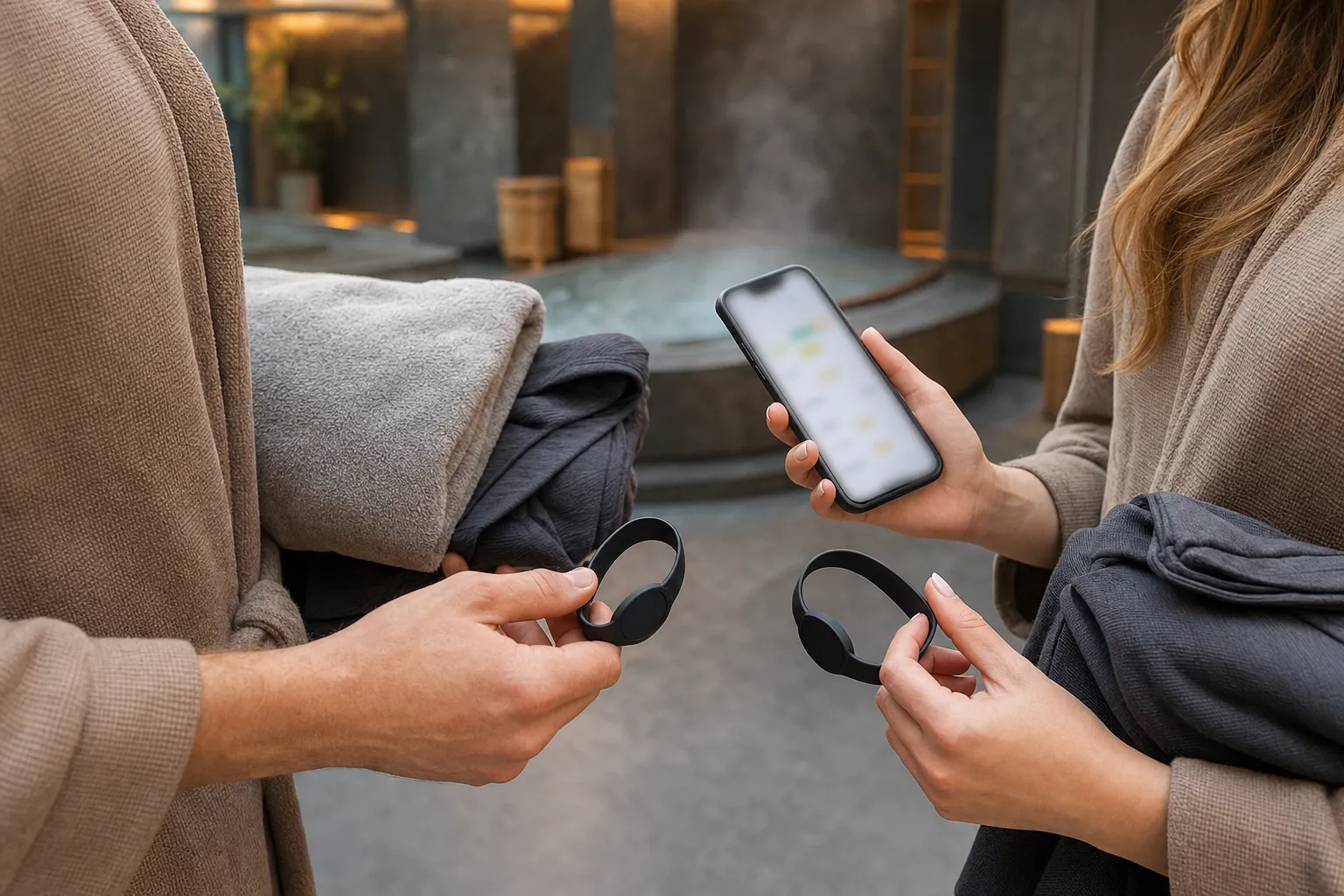
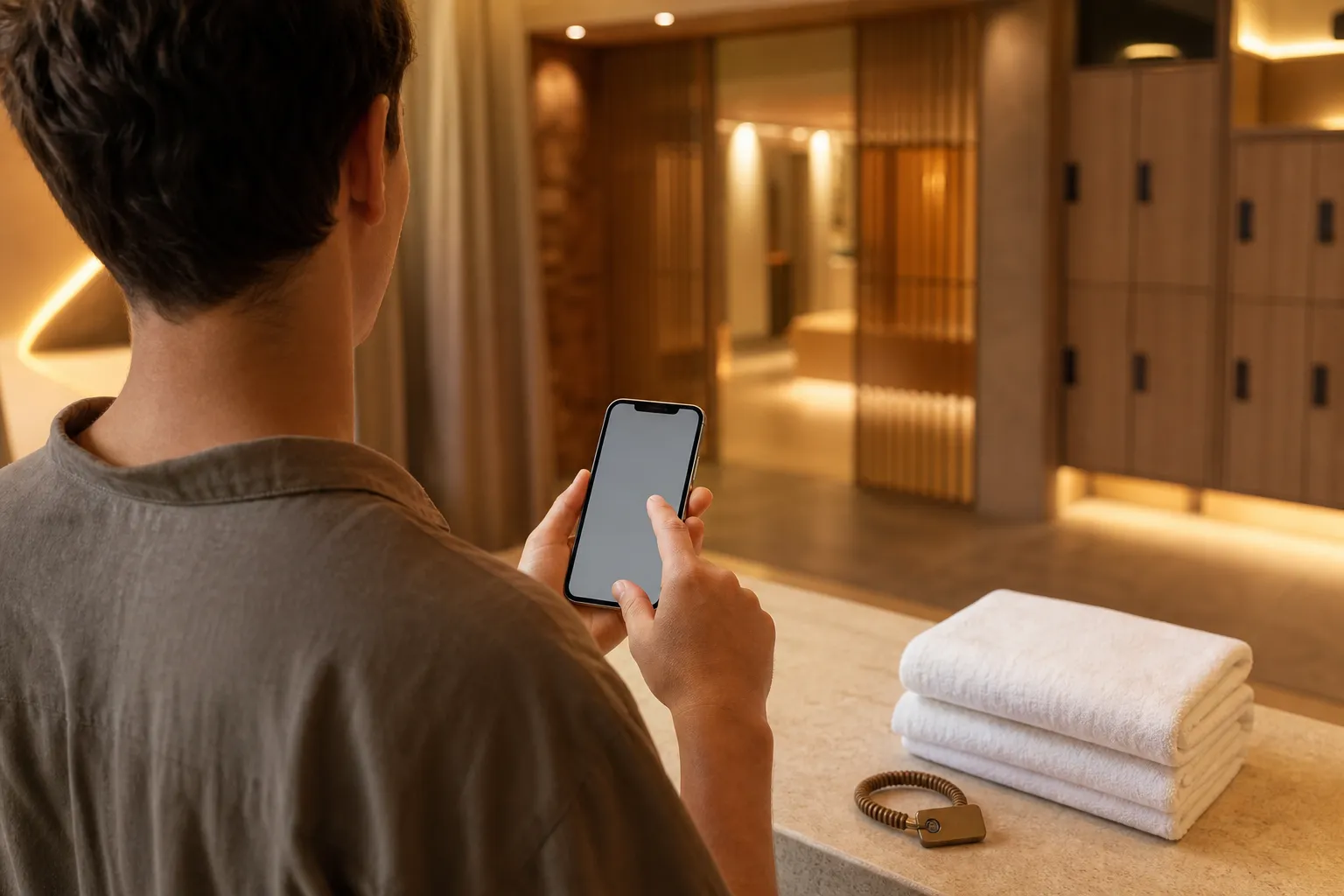
For one-person seshin shops, reservation-based operation appears especially important. Asia Economy reported from a Gangnam appointment-only one-person seshin shop that around half of recent customers were foreign visitors, and that tourists book through Line, Instagram, and experience-program reservation apps.1 The same report quoted a seshin worker as saying, “These days, tourists make reservations and come.”1
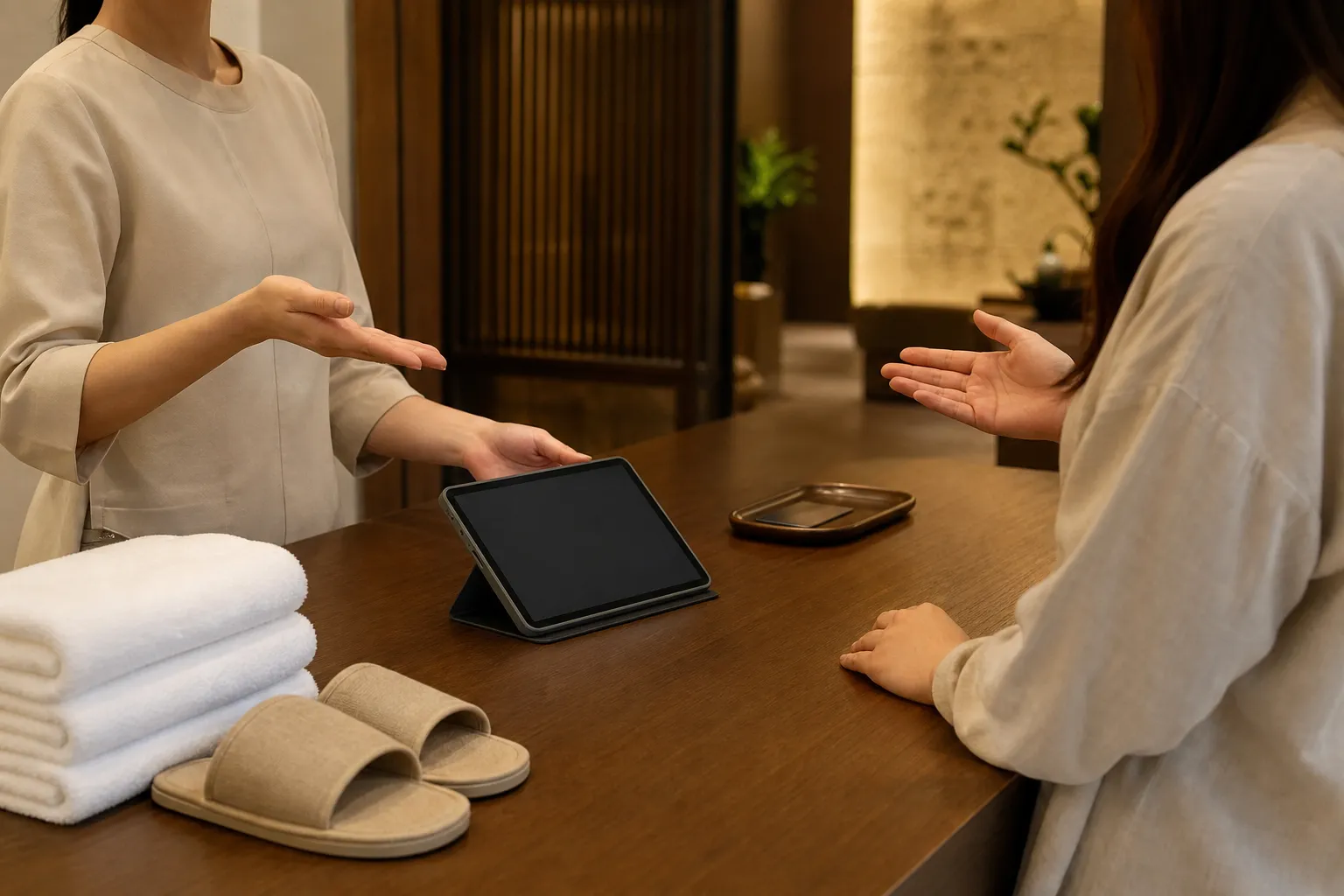
That matters for travelers because it suggests that walk-in availability should not be assumed at every location. The sources do not list standard booking lead times, cancellation rules, opening hours, prices, or required documents. A practical booking approach, based only on the available information, is to check the venue’s direct social channels or the reservation app where the product is listed, confirm the service type, and verify whether the shop can communicate in a language you can use.
Language support is a real consideration. Maeil Business Newspaper reported that Damda, a seshin shop near Hongdae, said about 40% of its total customers are foreigners and that it has managers who can respond in English, Japanese, and Chinese.2 That does not prove all shops offer multilingual help, but it does show that some venues are adapting operations for international customers.
Why Booking Demand Has Increased
Several reports point to measurable growth in seshin-related reservations and transactions. Klook data cited by multiple outlets showed that Korean seshin and jjimjil experiences rose 11% compared with the period before related content aired, while sauna ticket bookings increased 57% in Seoul’s Seodaemun-gu and 15% in Jongno-gu.23 Dong-A Ilbo also reported the same 11%, 57%, and 15% figures and said Klook planned to introduce varied seshin experience products, including one-person seshin shops, in response to peak-season demand.4
Creatrip-linked figures show a similar direction from another booking ecosystem. Unicorn Factory reported Creatrip’s 2025 inbound tourism trend announcement, which said transaction value for one-person seshin shop bookings rose about 170% in the second half of 2025 compared with the first half. The same material said beauty and medical transaction value increased 71% year over year, framing foreign visitor spending as expanding into self-care travel experiences.5
Another Creatrip dataset covered June 20 to July 19, 2025. Platum reported that transaction value for foreign tourists’ public bathhouse seshin experiences increased 84% compared with the same period in the previous month.6 These figures do not all measure the exact same product or date range, so they should not be combined into one total. Read together, they support a narrower conclusion: booking interest in Korean seshin experiences among foreign visitors has increased across several reported platforms and time windows.
The cultural driver is also part of the booking story. Sources connect demand to Korean content and scenes featuring bathhouse culture, alongside broader interest in everyday Korean experiences such as hanbok, bathhouses, and Korean food.6 Creatrip’s Lim Hye-min was quoted as saying foreign travelers want to “go deeper into Koreans’ everyday lives,” a useful summary of why a bathhouse-based service can become a travel booking category rather than just a local routine.5
How to Book More Carefully
Because the available sources confirm channels but not universal procedures, the safest planning method is simple. First, identify whether the listing is for a public bathhouse, a sauna ticket, a jjimjilbang-linked experience, or a private one-person seshin shop. Second, book through the channel named by the venue or platform, such as a reservation app, Line, Instagram, or an experience-program app. Third, check whether the venue offers language support, especially if you need English, Japanese, or Chinese assistance.
Travelers should also separate “seshin” from broader sauna access when reading product names. Some reports discuss Korean seshin and jjimjil experiences together, while others refer specifically to sauna tickets in Seodaemun-gu and Jongno-gu.3 A reservation may therefore be for a sauna entry, a body-scrub service, a combined experience, or a one-person shop appointment. The sources do not provide enough detail to assume that every sauna ticket includes a scrub.
The most service-oriented takeaway is to reserve before going when the product is appointment-based, especially at one-person seshin shops. Demand data and shop-level reporting show that foreign customers are already part of the regular booking flow, but the reports do not establish a nationwide standard for same-day availability.
Quick FAQ
Can foreign visitors book a Korean seshin experience before arriving?
Yes, the sources confirm that tourists book through Line, Instagram, and experience-program reservation apps for appointment-based one-person seshin shops.1 The reports do not provide one official nationwide booking platform.
Are there seshin shops with foreign-language support?
Yes, at least some shops are adapting for international visitors. Damda near Hongdae was reported to have English, Japanese, and Chinese response managers, with foreign customers making up about 40% of total customers.2 !외국인 세신 체험 예약 Seoul K-Seshin tourism demand trend For anyone planning K-Seshin Tourism, the best source-backed advice is to treat seshin as a reservation-led experience, not just a spontaneous stop. Choose the type of venue carefully, use the booking channel attached to that venue or platform, confirm language support when needed, and remember that the confirmed trend is rising demand rather than one standardized booking system for all of Korea.
References
- "한국 오면 꼭 간다" 비행기 내리자마자 '우르르'…확 바뀐 외국인 관광코스[K관광 新지형도]② (아시아경제, 2026-02-17)
- “어서와 K-때밀이는 처음이지?”…찜질방·세신숍에 반한 외국인들 (매일경제, 2026-03-29)
- 외국인들이 한국식 때밀이에 꽂힌 이유, 이것 때문이었어? (한국경제, 2025-09-02)
- 목욕탕 ‘때밀이’ 번호표 끊는 외국인들…‘케데헌 나라’ 여행 80% 쑥 (동아일보, 2025-09-02)
- "외국인 여행은 이제 케어케이션"…뷰티·메디컬 거래액 71%↑ (유니콘팩토리, 2026-01-29)
- K-콘텐츠, 외국인 관광객의 한국 ‘일상 여행’ 견인 (플래텀, 2025-07-31)
About the Author