BTS 월드투어: 글로벌 현상을 직접 느껴보다
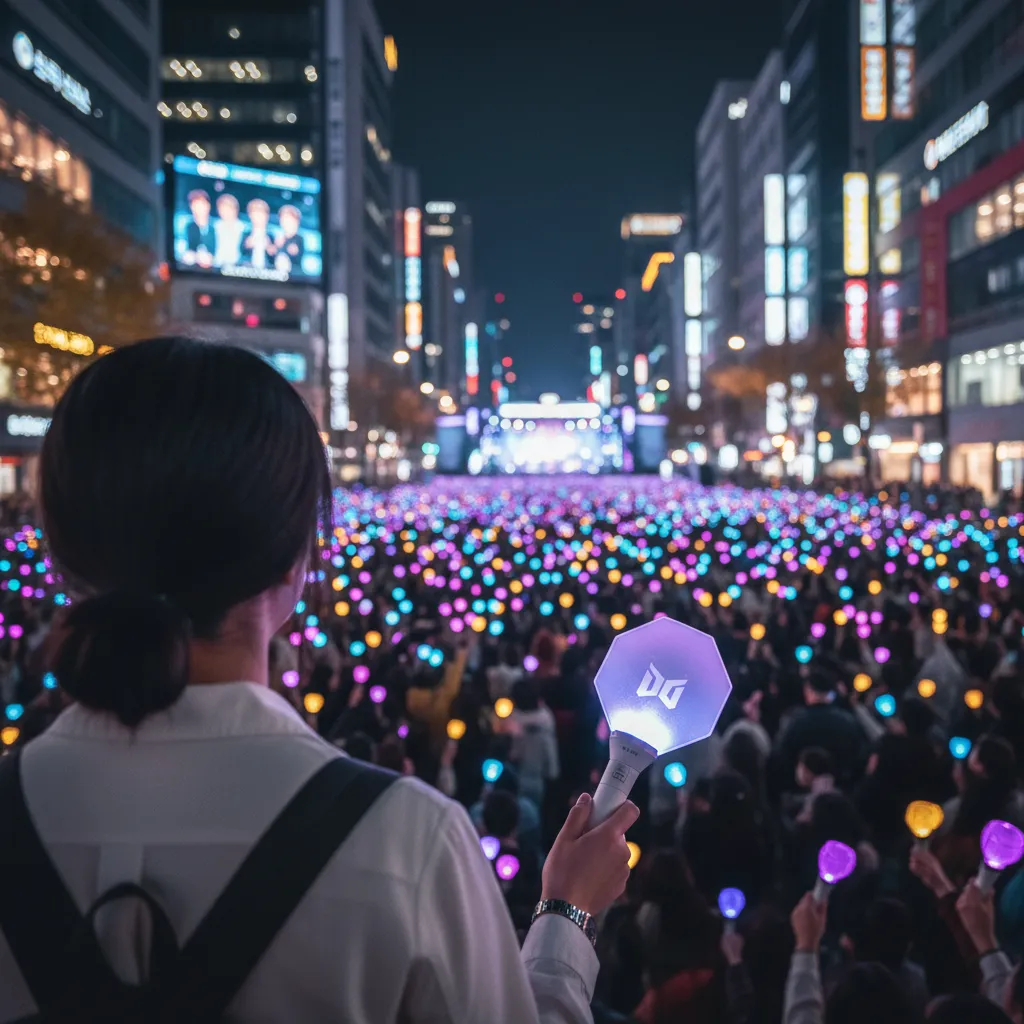
When I first heard about the upcoming BTS 월드투어, I could feel the excitement buzzing across fan communities worldwide. The agency’s confidence was palpable—they said even if you combined the top two boy groups, they still couldn’t match BTS’s current presence. It wasn’t just about music; it felt like a cultural phenomenon waiting to explode.
The pent‑up desire of global ARMY had already shown itself in staggering pre‑order numbers: four million copies of the new album were snapped up before the record even hit the shelves, and fans endured countless “피케팅” moments to snag tickets for the comeback shows. This wasn’t a simple album drop; it was the return of a group that leads a worldwide “army,” poised to rebuild the K‑pop empire and shift the global pop market—a moment many are calling the start of “BTS 노믹스.”
투어의 역사적 규모와 기록
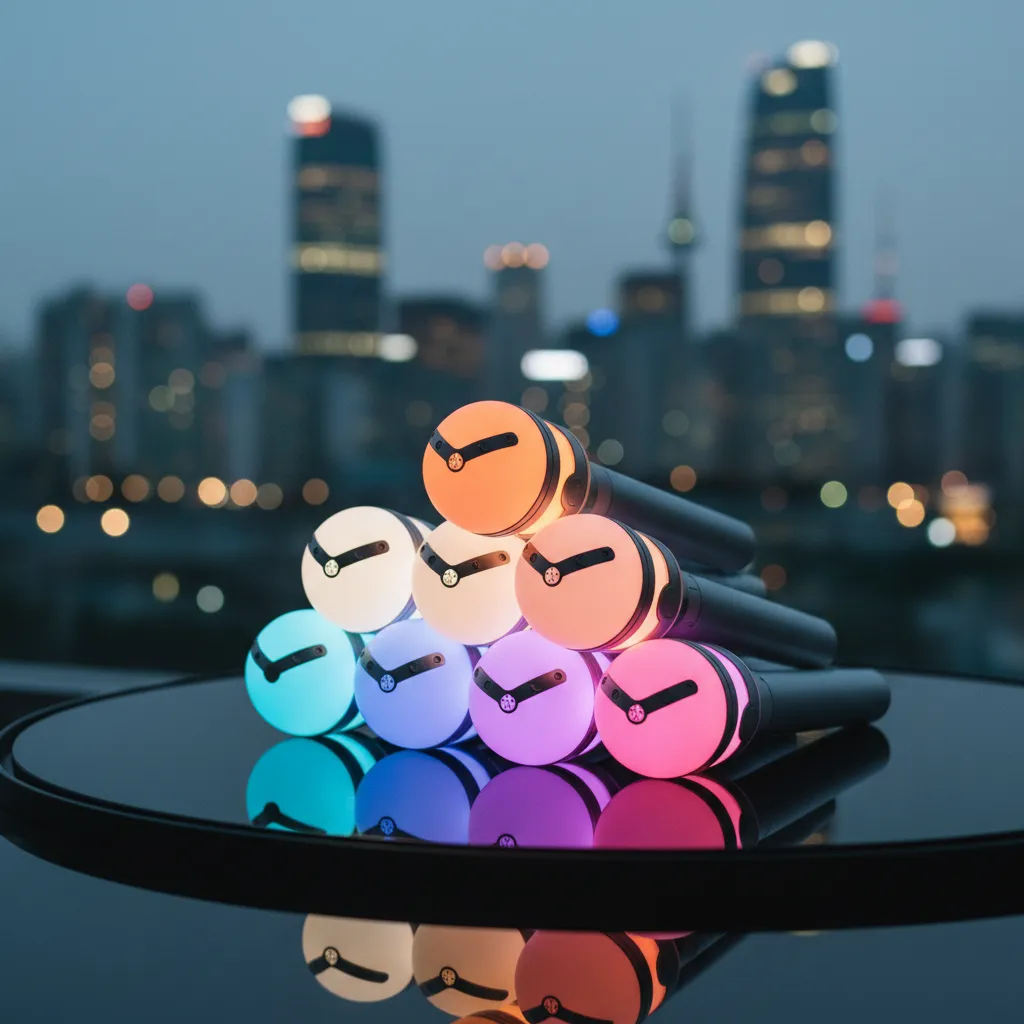
The tour itself is set to be historic. BTS will kick off the ‘아리랑’ stadium tour on April 9 at Goyang Stadium (고양종합운동장) and then travel to 34 cities across the globe, delivering a total of 82–85 shows. This makes it the largest K‑pop tour ever conceived, with a projected audience of between 4.5 million and 4.8 million spectators. To put that in perspective, previous K‑pop heavyweights like Stray Kids drew 2.6 million fans, Blackpink attracted 1.8 million, and Twice welcomed 1.5 million—numbers that pale beside BTS’s forecast.
Ticket sales have been nothing short of explosive. As of March 24, every North American and European leg was already sold out, with sell‑out times that stunned even seasoned industry observers: Tottenham’s stadium tickets vanished in 30 minutes, Madrid in 37 minutes, Munich in 39 minutes, and Paris in 42 minutes. Live Nation UK highlighted that BTS’s ARMY achieved the highest single‑show occupancy ever recorded at Tottenham’s venue. The tour’s design—featuring a 360‑degree open stage in stadiums and domes—aims to maximize fan immersion and capacity.
A special highlight is the South America leg, marking BTS’s first-ever visit to the continent. In Mexico City, over one million fans showed interest in three planned concerts, prompting President Claudia Sheinbaum to request additional dates—a testament to how the group is viewed not just as entertainers but as cultural ambassadors and economic catalysts.
경제적 파급효과와 도시별 관광 붐
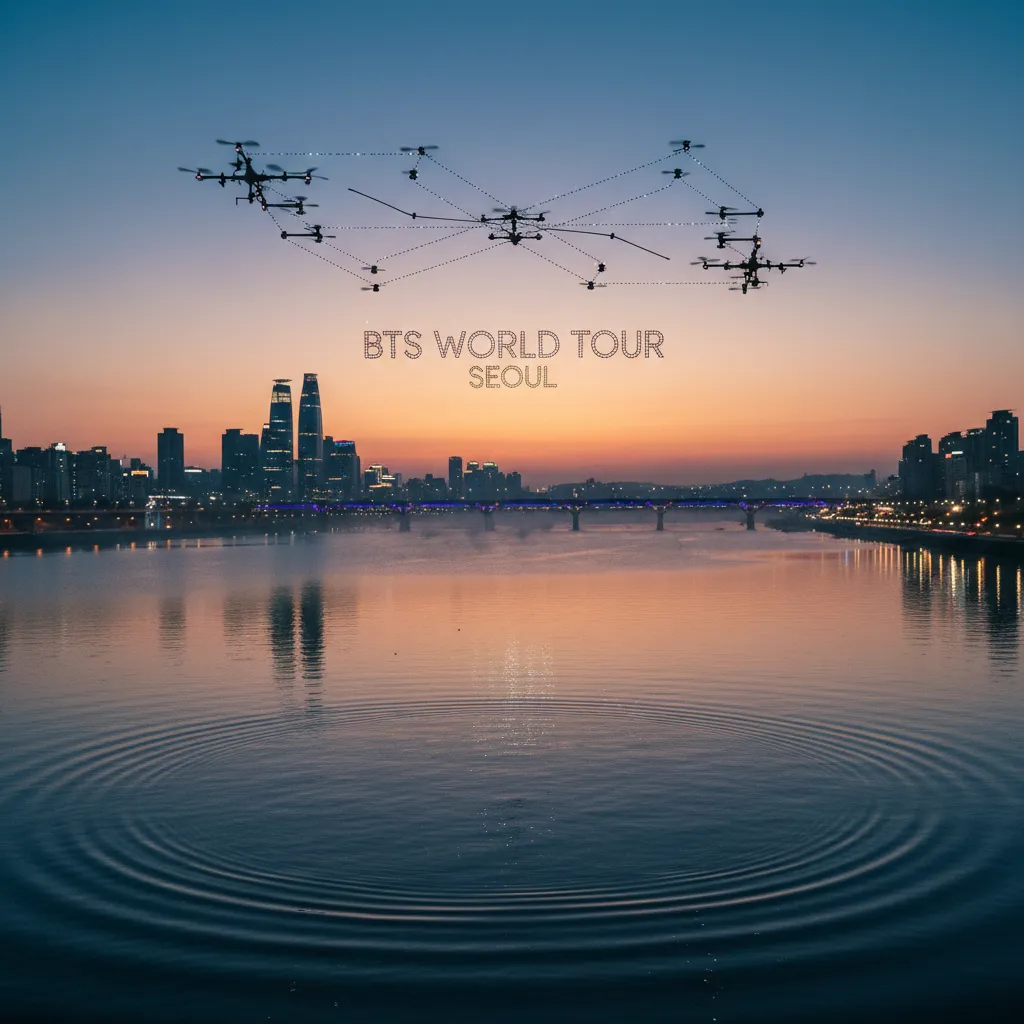
Beyond the music, the BTS 월드투어 is expected to generate massive economic ripple effects. Analysts estimate that if all shows sell out, the tour could bring in anywhere from $1.09 billion to $1.45 billion in revenue over a twelve‑month span. A conservative scenario—4.5 million attendees, an average ticket price of $170, and $50 of merchandise spend per person—yields roughly $1.09 billion. An optimistic outlook—4.8 million attendees, $204 average tickets, and $68 merchandise per person—pushes the estimate toward $1.45 billion, with a midpoint around $1.36 billion. That figure represents a four‑fold increase in per‑show revenue and more than six times the total gross of their 2018‑2019 ‘Love Yourself: Speak Yourself’ tour.
Such earnings would place BTS among the top three highest‑grossing world tours of all time, trailing only Taylor Swift and Coldplay, and mark the first time a non‑English‑speaking act has surpassed the $1 billion threshold in a single tour.
The impact extends far beyond ticket sales. In cities hosting the concerts, hotel searches have surged dramatically. After the Busan show announcement, accommodation queries jumped 2,375 %; Seoul saw a 155 % increase; and in São Paulo, bus ticket searches spiked 600 times the normal level. During tour periods, hotel occupancy rates regularly exceed 95 %, with room rates climbing two to three times their usual price. Las Vegas hotels even offered BTS‑themed rooms as part of a broader “The City” initiative.
Local businesses feel the boost, too. Restaurants and cafés near venues report sales increases ranging from 50 % to over 200 %. Industry observers note that the average concert‑goer typically spends three to four times the ticket price on lodging, food, and shopping while in town, amplifying the economic stimulus.
The cultural shift is equally noteworthy. BTS’s comeback signals a move into the $1 billion annual revenue arena once dominated by mainstream Western pop stars, underscoring the power of fan‑driven “experience economics.” Merchandise alone is projected to generate about $326 million—more than the yearly turnover of many mid‑sized companies. Experts point out that the tight‑knit ARMY community has built a sustainable business ecosystem, suggesting that BTS will leave an unprecedented cultural and economic legacy while reshaping the music industry’s paradigm.
Of course, no large event is without hiccups. On the second day of the Goyang leg, roughly 500 wristbands went missing from a ticket booth, prompting Hybe (하이브) to urge fans to report any illegal distribution immediately.
All in all, watching the BTS 월드투어 unfold feels like witnessing a global celebration that blends music, tourism, and community spirit into one unforgettable experience. Whether you’re planning to catch a show in person, stream the Netflix broadcast, or simply follow the buzz online, there’s no denying that this tour is rewriting the rules of what a pop act can achieve on the world stage.
About the Author