
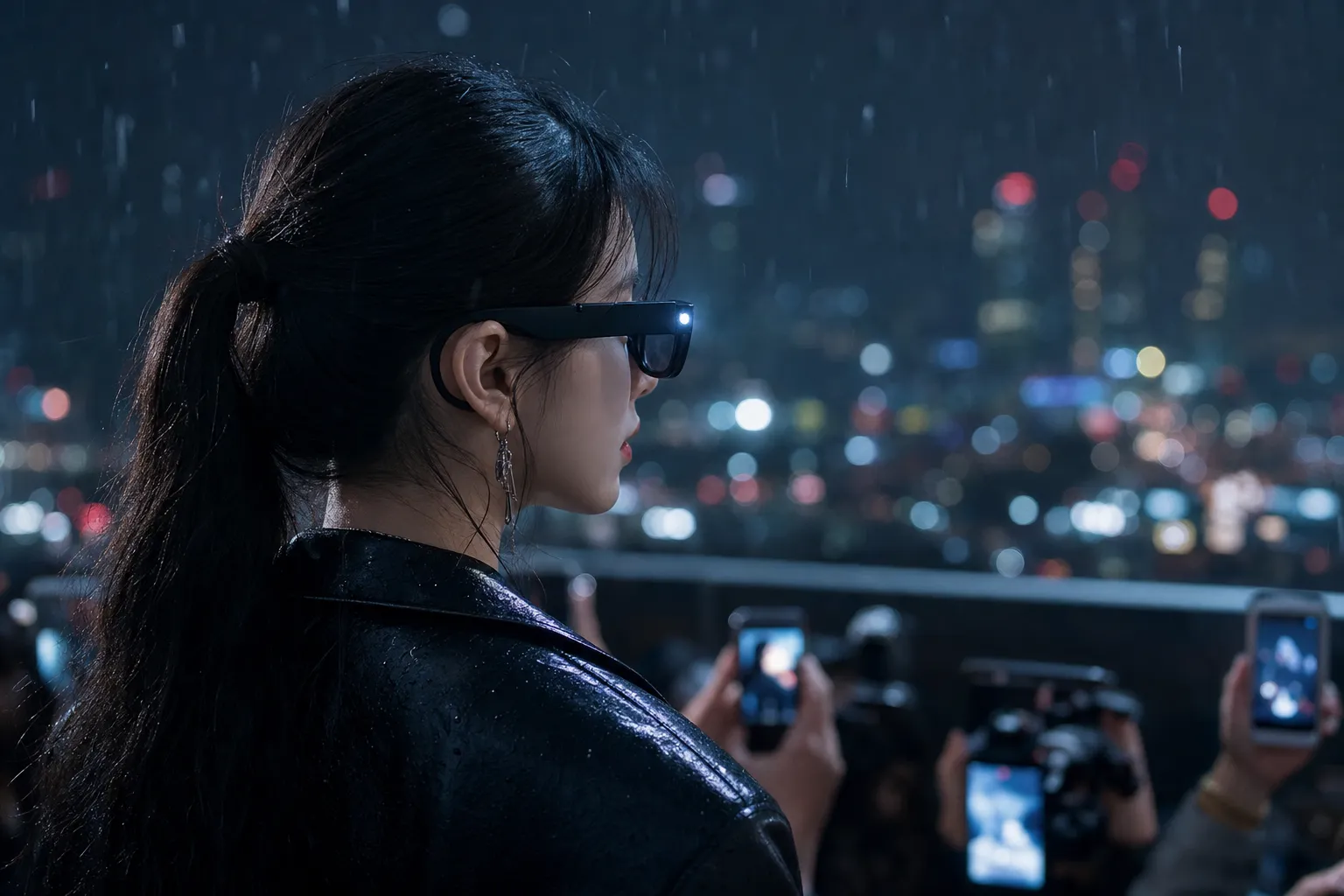
BLACKPINK member Jennie’s promotion of Ray-Ban Meta smart glasses has become part of a wider privacy debate over wearable cameras, recording functions, and data handling. The discussion around Jennie Glasses intensified after online criticism of the campaign was met by fans arguing that scrutiny should be aimed at the product makers rather than the ambassador.1
The issue is broader than celebrity endorsement. Source-backed concerns now include the product’s built-in camera and recording functions, reports about facial-recognition-related code in the Meta AI app, and a U.S. class-action lawsuit alleging sensitive smart-glasses footage was viewed by outside contractor staff.23
Jennie Meta Glasses Privacy Debate
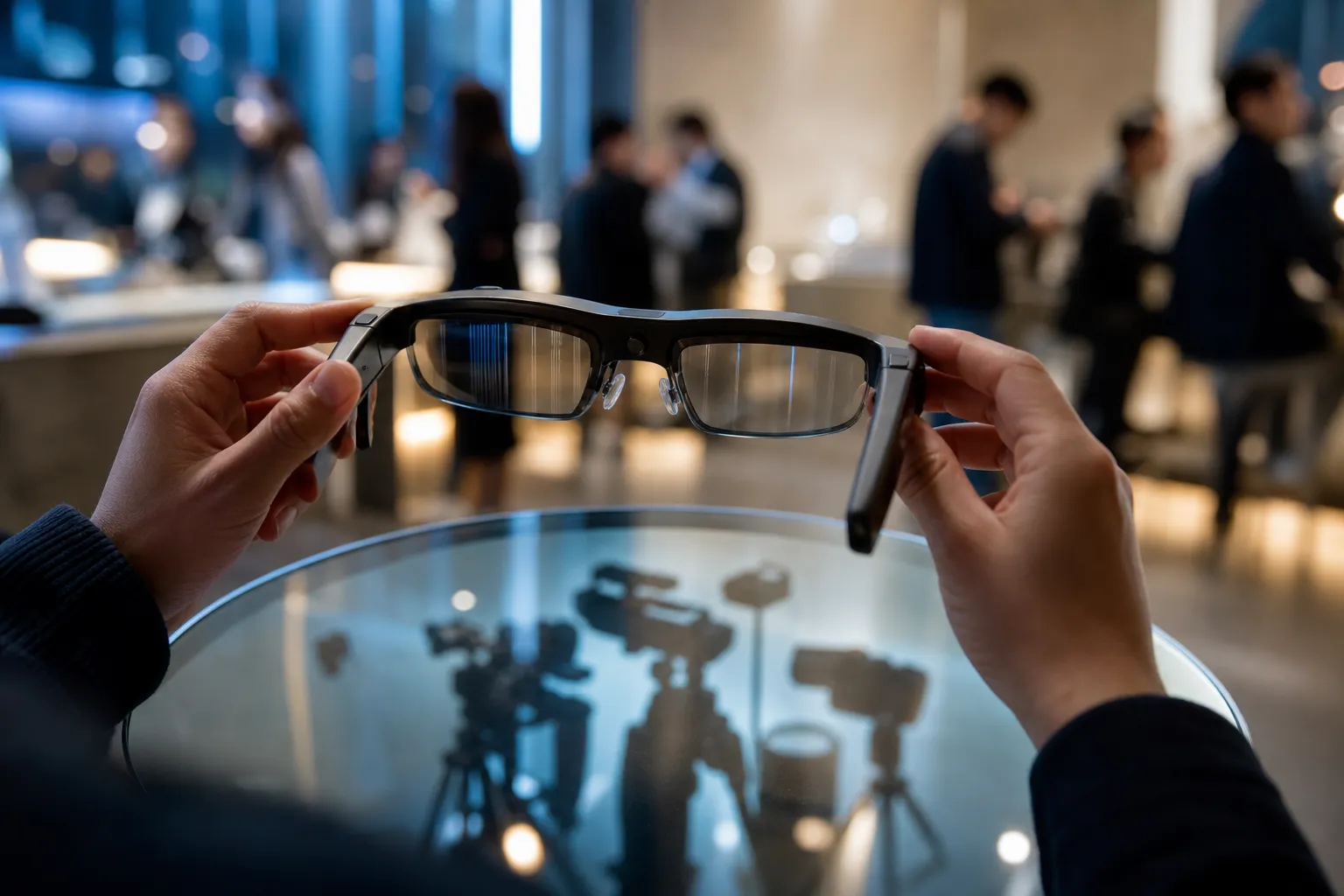
Sportskeeda reported on July 2, 2026, that Jennie drew online backlash after promoting Ray-Ban Meta glasses, with critics focusing on privacy concerns tied to the device’s camera and recording capability. The same report noted that fans defended Jennie, saying responsibility for privacy questions should sit with the company and product rather than the celebrity ambassador.1
Ray-Ban’s official campaign page presents Jennie as part of a Ray-Ban campaign and includes product navigation that also features Ray-Ban Meta and AI glasses. The official campaign page summarized in the source material does not include a separate statement addressing the privacy controversy.4
The product itself has been marketed as more than a fashion accessory. 한국경제 reported that Meta and EssilorLuxottica officially launched Ray-Ban Meta and Oakley Meta in South Korea on May 25, 2026. The same report said Ray-Ban Meta includes a 12-megapixel ultra-wide camera, 3K photo and video capture, open-ear audio, and voice-command functions, with recommended pricing starting at 690,000 won.5
Those functions explain why the discussion has moved beyond Jennie’s image as a campaign figure. Smart glasses place a camera and microphone at face level, making recording less physically obvious than holding up a phone. 한국경제 also reported that the product includes a privacy safeguard in which an LED indicator turns on during recording.5
Meta Korea CEO Kim Jin-ah was quoted in a press-release context as saying, “AI is now entering an era where it accompanies us at eye level.”5 That framing aligns with the product’s core pitch, but it also highlights the central privacy question: what happens when AI-enabled recording tools are worn in public and private spaces as everyday eyewear.
Facial-Recognition Code Report Added to Concerns
A separate June 5, 2026 report by IT조선, citing Wired, said facial-recognition-related code had been found in the Meta AI app required for Ray-Ban and Oakley smart glasses. The reported structure was described as converting faces captured by the wearer’s camera into biometric information for identification.2
Meta said the feature had not been provided to consumers and that no final decision had been made. In the wording cited in the source material, Meta said, “Nothing has been provided to consumers, and no final decision has been made.”2
Privacy groups raised concerns that combining smart glasses with facial recognition could enable covert identity checks in public places.2 That concern is separate from whether such a feature is currently available to consumers. The reported issue is about technical capability, possible future deployment, and the difficulty bystanders may face in recognizing when they are being captured or analyzed.
The controversy around facial-recognition code also makes the product’s visible recording indicator only one part of the debate. A recording LED can signal when camera capture is active, but it does not by itself answer questions about what data is processed, where it is processed, who can access it, or whether future functions could identify people in view.
Lawsuit and Contractor Review Allegations
The privacy debate had already been sharpened before Jennie’s campaign drew renewed attention. 연합뉴스 reported on March 6, 2026, that a U.S. class-action lawsuit had been filed over allegations that videos recorded with Meta AI smart glasses were sent to outside contractor employees for viewing and classification. The lawsuit was filed by two purchasers from California and New Jersey against Meta and EssilorLuxottica’s U.S. entities.3
The plaintiffs claimed they bought the product because they trusted its privacy protections. The complaint, as summarized by 연합뉴스, alleged that sensitive content such as bathroom use, undressing, sexual activity, financial information, and private text conversations was included among reviewed material.3
Those allegations followed a joint investigation by Svenska Dagbladet and Göteborgs-Posten, published March 3, 2026, which reported that smart-glasses-related video and audio data had been provided for annotation work to employees of Sama, a subcontractor in Nairobi, Kenya. The investigation said the outlets interviewed more than 30 workers and former Meta employees, and that some workers reported seeing sensitive footage involving bathrooms, changing, sexual scenes, and bank cards.6
One anonymous data annotator was quoted in the investigation as saying, “We see everything – from living rooms to naked bodies.”6 The source summary says Meta did not respond to detailed questions and instead explained that processing was conducted under its AI terms and privacy policy.6
Meta’s official privacy guidance, as summarized in the source material, says Ray-Ban Meta users can manage sharing settings, should turn the device off in sensitive spaces, and should let people nearby know about the capture LED.4 Those recommendations place some responsibility on users, while critics and litigants have focused on whether the product ecosystem gives bystanders and recorded subjects enough practical control.
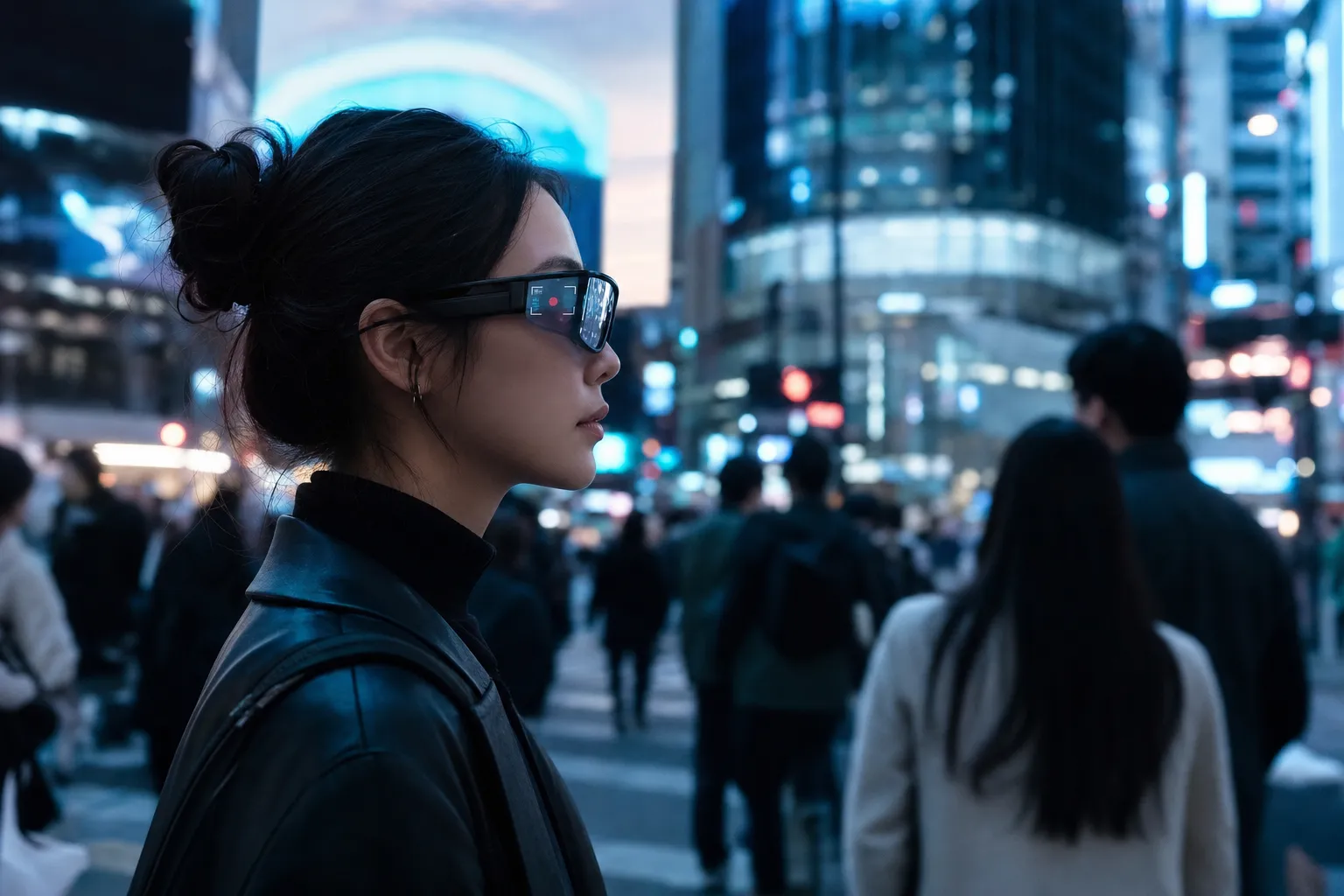
The Jennie Glasses controversy now sits at the intersection of celebrity marketing, wearable AI, and unresolved privacy questions. Based on the available source material, Jennie’s campaign role is confirmed, the product’s camera and AI features are documented, and separate reports have raised concerns about facial-recognition code and contractor access to sensitive footage. The current debate is therefore not only about one advertisement, but about how smart glasses should be promoted, governed, and understood before they become routine consumer devices.
References
- "Aren't you guys ashamed"- Fans defend BLACKPINK's Jennie against backlash for promoting Ray-Ban Meta glasses amid privacy concerns (Sportskeeda, 2026-07-02)
- 메타 스마트안경 앱, 얼굴인식 코드 탑재 논란 (IT조선, 2026-06-05)
- "메타 AI안경 민감 사생활영상, 제3자가 열람"…美서 집단소송 (연합뉴스, 2026-03-06)
- Ray‑Ban and Jennie: Styles for Unfiltered Confidence (Ray-Ban / Meta official pages)
- 69만원짜리 '제니 안경' 뭐길래…해외서 불티나더니 한국 온다 (한국경제, 2026-05-19)
- Meta’s AI Smart Glasses and Data Privacy Concerns: Workers Say “We See Everything” (Svenska Dagbladet, 2026-03-03)
About the Author