Hearts2Hearts Airport Security Controversy Sparks Public Debate Over Idol Protection Measures
SEOUL – South Korean girl group Hearts2Hearts found themselves at the center of a growing controversy after their airport security arrangements disrupted regular passenger flow at Incheon International Airport on March 18, 2026.
The incident occurred when approximately ten security personnel escorted the group members through the airport by forming a human chain – holding hands in a circle around the artists while moving through the terminal. This formation, which netizens quickly dubbed “ganggangsullae” security (referring to a traditional Korean circle dance), blocked pathways and caused inconvenience to other travelers attempting to navigate the busy airport.
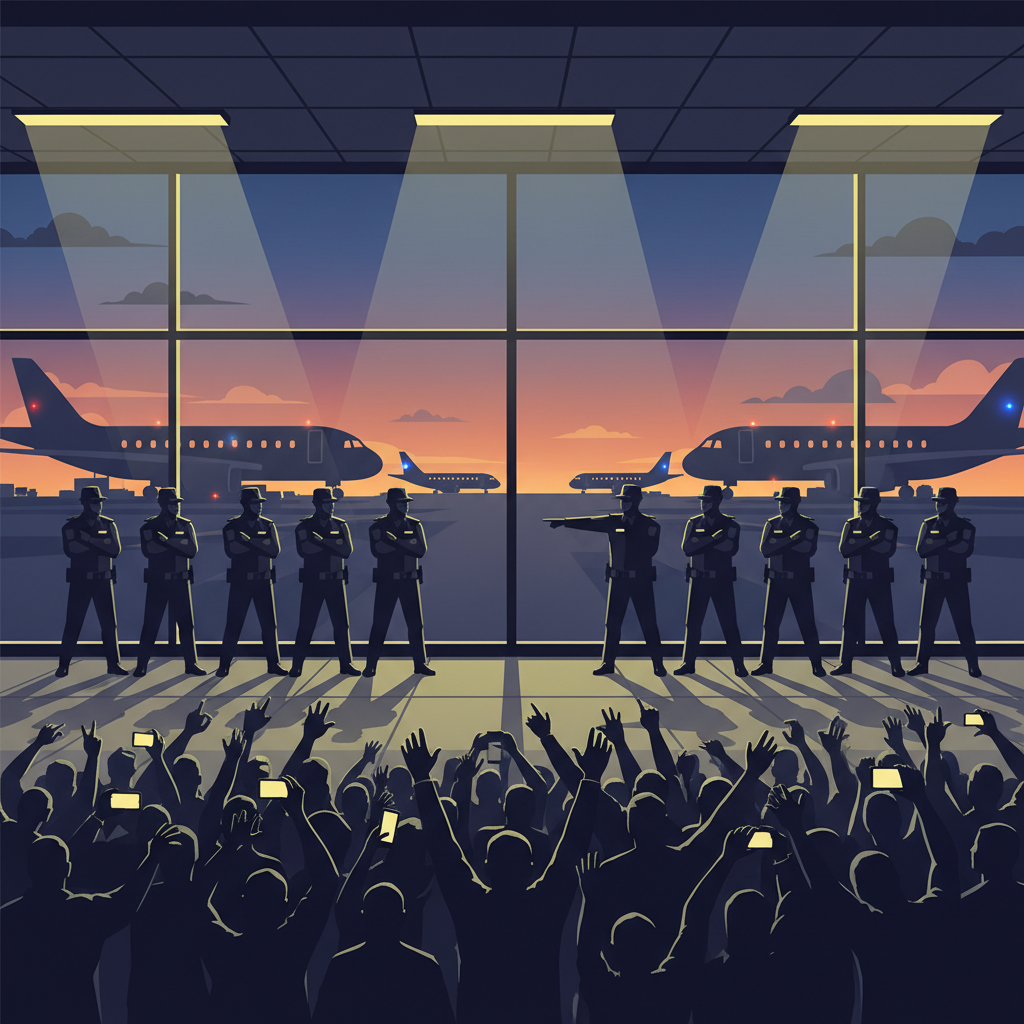
Image content may not be directly related to the article content.
Eyewitness videos shared across online communities and social media platforms showed the security team maintaining this circular formation from the airport entrance through to the departure gates, effectively creating a moving barrier that ordinary passengers had to navigate around. The footage quickly went viral, sparking heated debate about appropriate security measures for celebrities in public spaces.
Public reaction was sharply divided. Critics argued that the security arrangement was excessive and inappropriate for a public facility. Comments such as “Even the president doesn’t receive security like this” and “This is obstructing citizen pathways – what are they doing?” reflected frustration that idol groups were receiving preferential treatment that impeded normal airport operations. Some netizens questioned whether such measures actually attracted more attention to the celebrities rather than providing discreet protection.
Conversely, supporters maintained that the stringent security was necessary given the unpredictable behavior of obsessive fans. They referenced incidents where sasaeng fans (extremely obsessive followers) had physically approached or even attacked idols in public settings, arguing that visible security formations acted as both deterrent and protection.
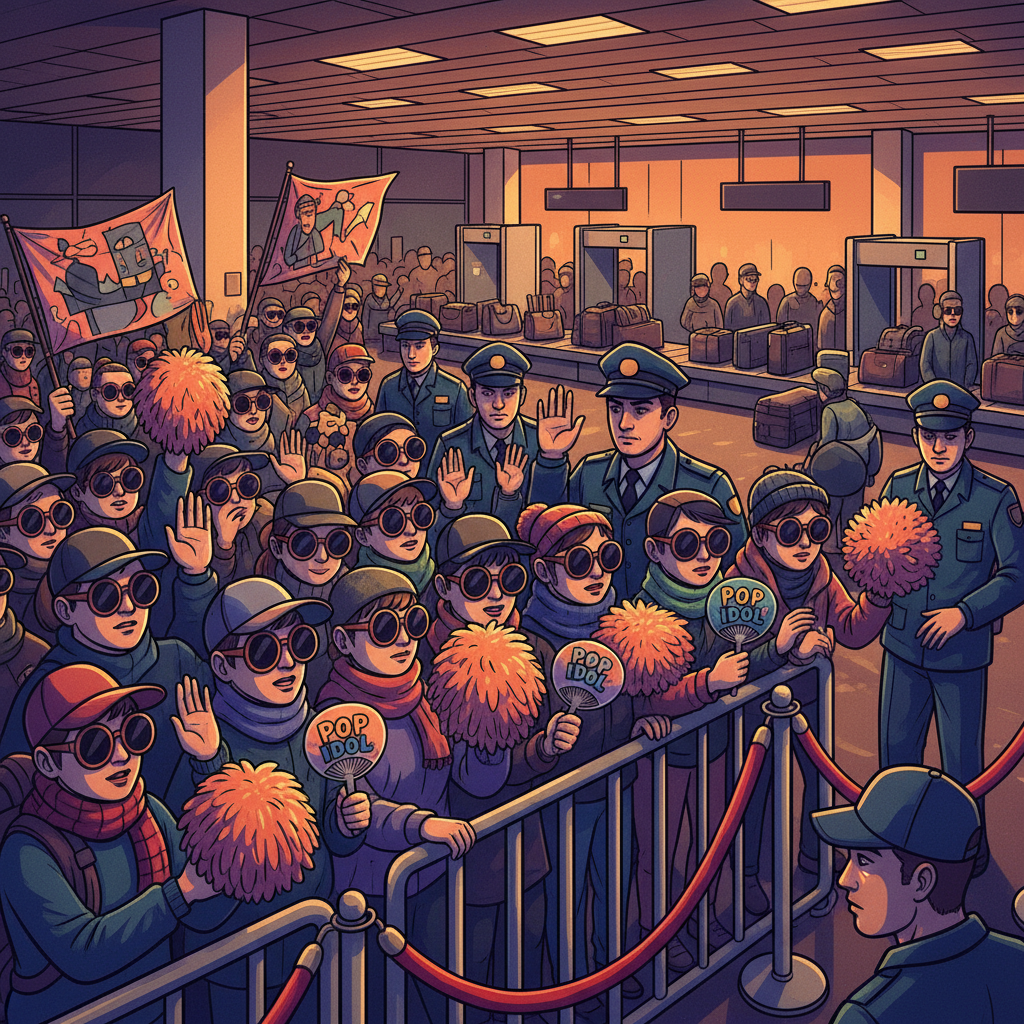
Image content may not be directly related to the article content.
This controversy is not isolated but part of a recurring pattern involving celebrity airport security in South Korea. Similar incidents have occurred previously, including a notable case in July 2025 where security personnel for actor Byeon Woo-seok were accused of overreach by allegedly inspecting ordinary passengers’ boarding passes with flashlights during his airport transit.
Incheon International Airport authorities have implemented certain preventive measures in response to ongoing concerns. The airport requires entertainment agencies to submit advance “airport usage plans” detailing celebrities’ intended routes through the facility, allowing airport security personnel to prepare for potential crowd concentrations. According to airport officials, Hearts2Hearts had submitted such a plan prior to their March 18th departure.
However, officials acknowledge limitations in the current system. An airport spokesperson noted that while advance planning helps security teams anticipate situations, preventing disruptive security formations in real-time remains challenging. They emphasized that airport areas remain public spaces where restrictions on fan access cannot be implemented, stating: “Anyone can come to these areas – we cannot prevent fans from coming. However, it’s true that when fans rush to take photos of celebrities, general passengers experience inconvenience.”

Image content may not be directly related to the article content.
Proposals for implementing special celebrity clearance services or “fast-track” systems have faced significant obstacles due to concerns about perceived favoritism. Airport authorities explain that establishing objective criteria for who qualifies for such preferential treatment proves difficult, making implementation of specialized celebrity services politically sensitive and unlikely in the near future.
As the debate continues, industry observers suggest that entertainment companies and security firms may need to revisit their protection strategies to balance artist safety with public convenience in shared spaces like airports. The Hearts2Hearts incident has renewed calls for clearer guidelines on celebrity security protocols that respect both performers’ safety needs and the rights of ordinary citizens to use public facilities without undue obstruction.
About the Author