G-Dragon’s Dubai Concert Sparks Lunar New Year Naming Controversy
SEOUL, March 2 – K-pop icon G-Dragon (Kwon Ji-yong) has ignited a heated debate among Chinese netizens after using the term “Lunar New Year” during his concert in Dubai, with critics insisting the holiday should be referred to as “Chinese New Year.” The incident highlights ongoing sensitivities around cultural nomenclature and the growing push for more inclusive, pan-Asian references to the holiday.
According to multiple South Korean media reports, G-Dragon headlined the “Crazy Super Concert” at Dubai Media City Amphitheatre on February 17, 2026 (local time), marking his first official performance in the Middle East. During the show, the BIGBANG leader greeted the audience with a Lunar New Year wish, repeatedly saying “Lunar” and prompting fans to chant “New Year” in response.
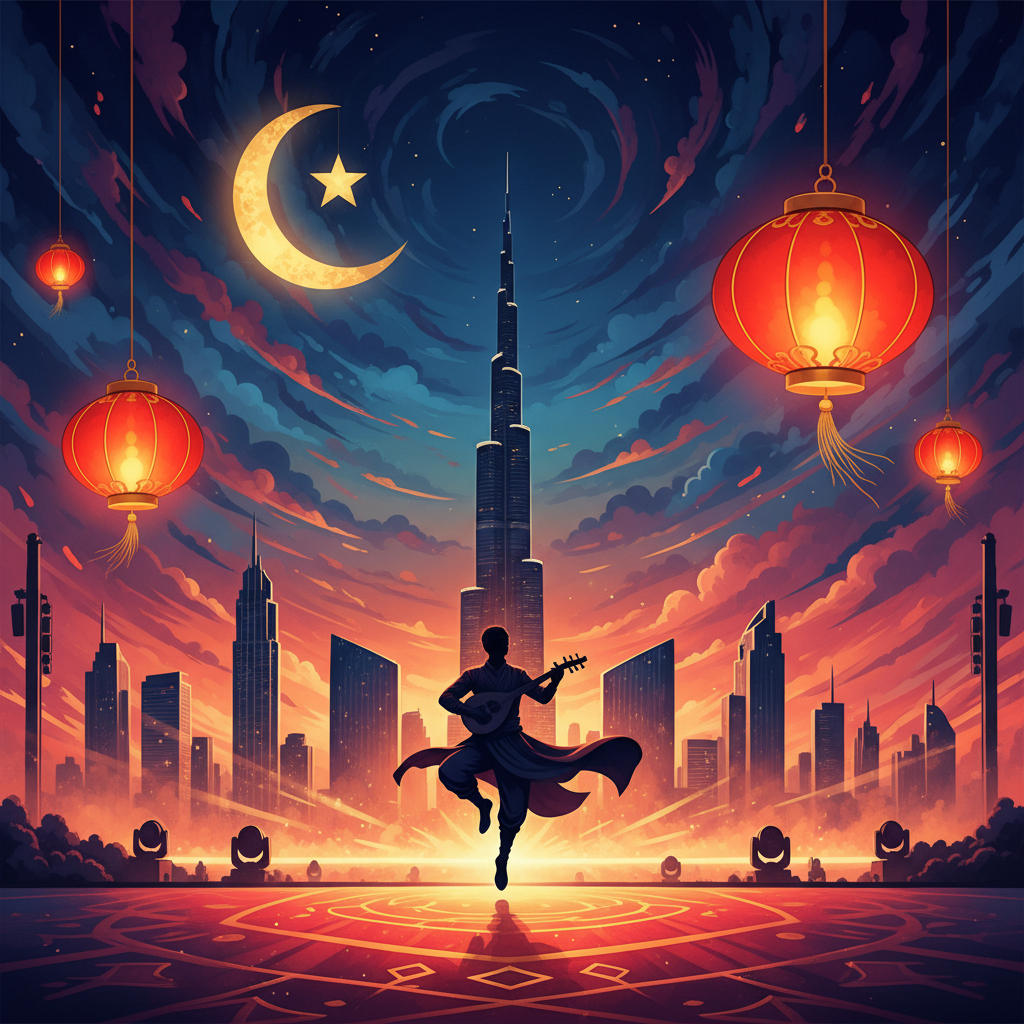
Image content may not be directly related to the article content.
The moment drew immediate backlash from some Chinese social media users, who argued that the correct term is “Chinese New Year” and accused G-Dragon of overlooking China’s cultural primacy over the holiday. The controversy was amplified by the fact that fellow performer Cai Xukun, a Chinese pop star who appeared as a special guest, had used the phrase “Chinese New Year” in his own greeting—a contrast that netizens pointed to as evidence of G-Dragon’s alleged misstep.
Hong Kong-based South China Morning Post (SCMP) provided detailed coverage of the episode, noting that several Chinese fans expressed feelings of disappointment and betrayal, viewing the use of “Lunar New Year” as a slight against their cultural identity.
In response, Professor Seo Kyung-duk of Sungshin Women’s University took to social media to defend G-Dragon, labeling the criticisms as “baseless claims” that have been “increasingly absurd.” Seo emphasized that Lunar New Year is not exclusive to China but is celebrated across many Asian nations, including Korea (where it is known as Seollal) and Vietnam (where it is called Tết). He cited the New York Times’ official social media accounts, which have explicitly described Lunar New Year as a holiday observed by multiple Asian countries, with China referring to it as Chunjee, Korea as Seollal, and Vietnam as Tết.
Image content may not be directly related to the article content.
Seo praised G-Dragon as a “true global star” for refusing to yield to pressure and using the culturally accurate term. He urged Chinese netizens to adopt a “global mindset” by first respecting the cultures of other nations before expecting conformity to their own preferences.
The dispute is not isolated. Similar controversies have arisen in recent years when international brands and entities used “Lunar New Year” in their messaging. In one case, a Chinese automobile manufacturer issued a public apology after employing the term, while Disneyland faced backlash in 2024 for posting Lunar New Year greetings accompanied by an image of a character wearing a hanbok (traditional Korean attire).
Image content may not be directly related to the article content.
Linguists note that the phrase “Chinese New Year” originated in Western contexts, particularly within Chinatowns where large-scale festivities made the holiday visible to non-Asian audiences. However, as awareness of the holiday’s broader regional significance grows, there has been a noticeable shift toward “Lunar New Year” as a more inclusive designation that acknowledges the shared traditions of Korea, Vietnam, Singapore, Malaysia, and other Asian communities.
The Dubai incident underscores how even seemingly innocuous language choices can become flashpoints in the era of global fandom and social media, where cultural expressions are scrutinized across borders. As G-Dragon’s concert demonstrated, navigating these nuances requires sensitivity to both historical usage and contemporary movements toward cultural recognition.
About the Author