Korean School Lunches are drawing fresh attention because of a simple but powerful contrast: while England is debating tighter rules for healthier school food, South Korea’s course-style school meals are being noticed for their structured, balanced format. The Korean model described in recent discussion is built around rice, soup, several side dishes and dessert, creating a meal that feels less like a single cafeteria item and more like a complete lunch tray with variety built in.
For anyone who follows school food, this comparison is fascinating. It is not just about what appears on a plate. It is about how a school meal is designed, how children respond to healthier options, and how governments try to balance nutrition, cost, consistency and participation. England’s proposed reforms show how difficult that balance can be, while the Korean course-style format offers a useful point of reference.
What Makes Korean School Lunches Course-Style?
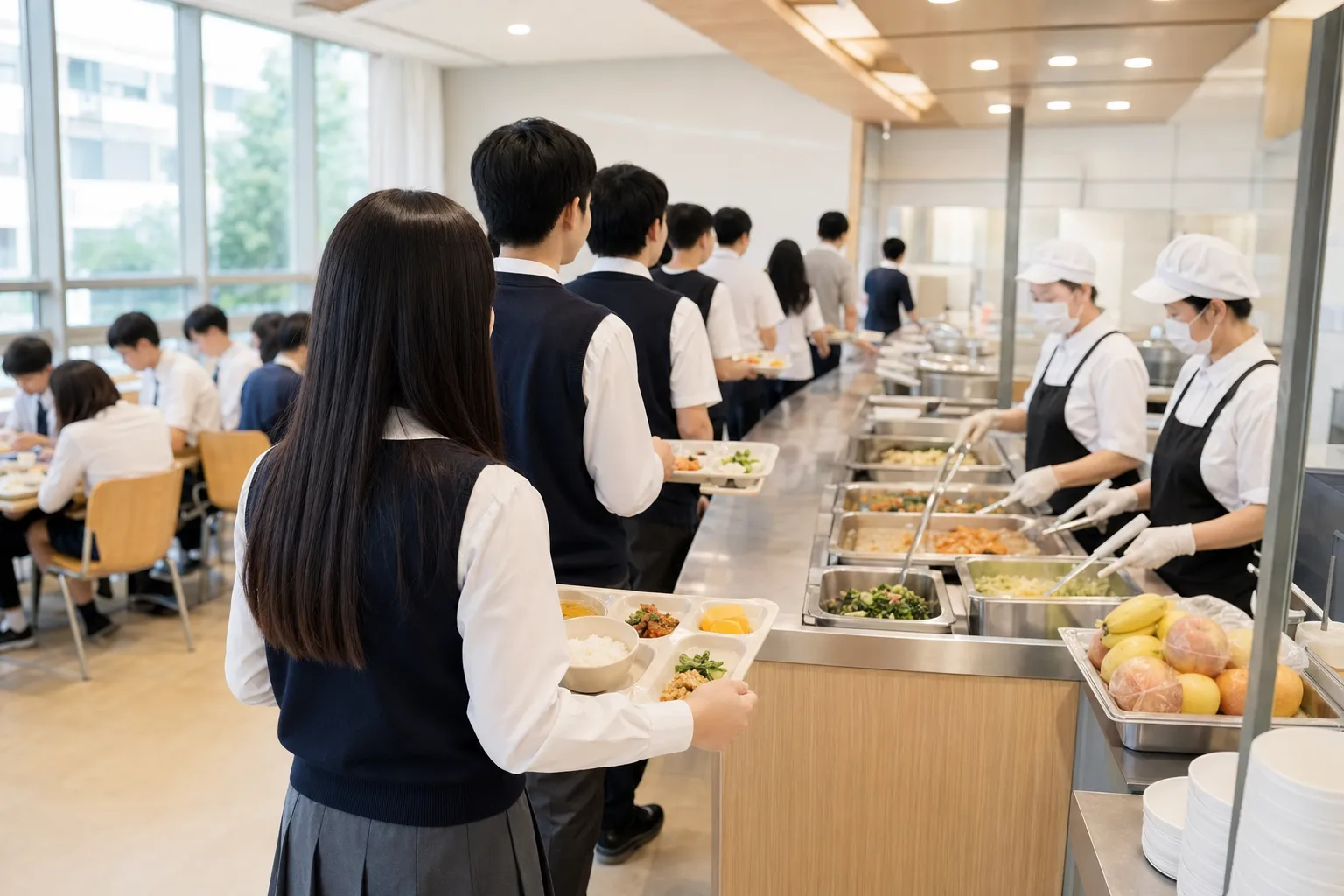
The phrase “course-style school meals” can sound formal, but the structure is easy to understand. Korean school meals are described as being built around rice, soup, several side dishes and dessert. That arrangement gives students a lunch with multiple components instead of a single main item carrying the whole meal.
Rice provides the central base. Soup adds another warm element. Several side dishes bring variety to the tray. Dessert completes the meal. Within the facts available, that is the clearest description of the Korean approach: a meal made from several coordinated parts rather than one dominant item.
That structure matters because it makes variety part of the meal’s basic design. A child is not simply choosing between one familiar item and one healthier replacement. The lunch already contains different textures, categories and portions. From a parent’s or food-lover’s point of view, that is one reason the format can feel more complete and more intentional.
It is important not to overstate what is known here. The available information does not give a full nutritional breakdown of Korean school meals, nor does it provide participation rates, cost data or student satisfaction figures for South Korea. What we can say is that the course-style format has been highlighted in comparison with England’s efforts to restrict fried foods and tighten nutrition rules.
Why Korean School Lunches Entered the Conversation
England has opened a consultation on updating its School Food Standards. The existing standards have been in place for more than 10 years and, according to the consultation, no longer fully align with current dietary advice. The consultation opened on April 13, 2026, and closes on June 12, 2026.
The proposed standards are intended to make school meals healthier, more balanced and more consistent across schools. The planned direction includes increasing fruit, vegetables and wholegrains, restricting foods high in fat, salt and sugar, ending deep-fried foods, and developing a national monitoring and enforcement system from September 2027.
That is where the comparison with Korean school lunches becomes especially relevant. England is trying to move away from menus where less healthy foods appear too often. Under the proposed direction, schools would no longer be allowed to offer deep-fried foods, and high-sugar items would be limited. Items such as sausage rolls and pizza would not be available every day.
The goal is clear: healthier school food and action on childhood obesity. But changing school meals is not just a nutrition exercise. Children have to eat the food. Catering services have to deliver it. Schools have to maintain participation. That is why the Korean model is interesting as a contrast. A course-style structure naturally presents school lunch as a composed meal, not merely a rotation of popular stand-alone items.
The Challenge of Healthier School Meals
The English reform discussion also shows the practical pressure behind school food policy. A six-week pilot of the new standards at a Brighton primary school was followed by a 15% fall in school meal uptake. Some children moved toward packed lunches, raising concern that healthier menus could reduce participation if pupils reject the options.
That detail is important because a healthy school meal only works when students actually choose and eat it. If a reform improves nutrition rules but pushes more children away from school meals, the outcome becomes more complicated. Participation is part of the public health equation.
School meal providers have also warned that healthier standards could increase costs and make some catering services harder to sustain. The government position is that the standards have been tested with caterers, schools and nutrition experts and are intended to be deliverable and realistic.
This is the real tension in school food reform. Better standards can sound straightforward on paper: more fruit, vegetables and wholegrains; fewer high-fat, high-salt and high-sugar foods; no deep-fried foods. But in practice, those standards must work inside school kitchens, budgets, supply chains and children’s daily preferences.
That is why course-style Korean school lunches are such a compelling reference point. The appeal is not that one country’s system can simply be copied into another. The available facts do not support that kind of sweeping claim. The useful point is smaller and more practical: a meal built around multiple components may offer a different way of thinking about school lunch design.
Instead of asking whether a single item should stay or go, a course-style format starts from the idea of a balanced tray. Rice, soup, side dishes and dessert each have a role. The meal is not defined by one fried item, one pastry or one slice of pizza. It is defined by combination.
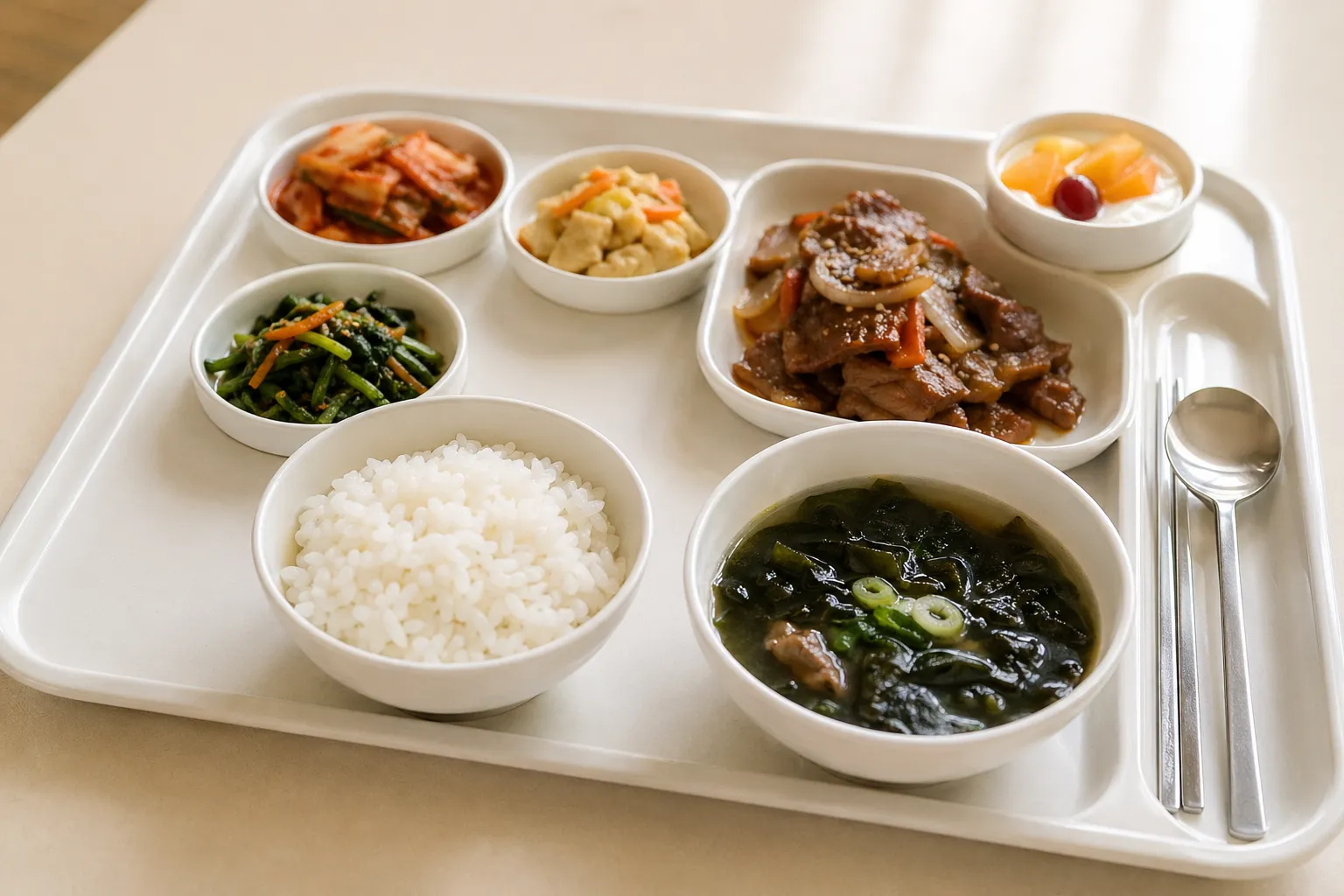
For parents, educators and anyone interested in food culture, the current debate is a reminder that school lunches carry more weight than they might seem to. They are daily meals, but they are also policy tools, cultural expressions and practical services. England’s proposed standards show the push for healthier, more consistent school food. Korean course-style school meals show how a structured, multi-part lunch can become part of the global conversation.
The final lesson is modest but meaningful: better school lunches depend not only on rules about what to remove, but also on thoughtful meal design that children can recognize, enjoy and actually eat.
About the Author