
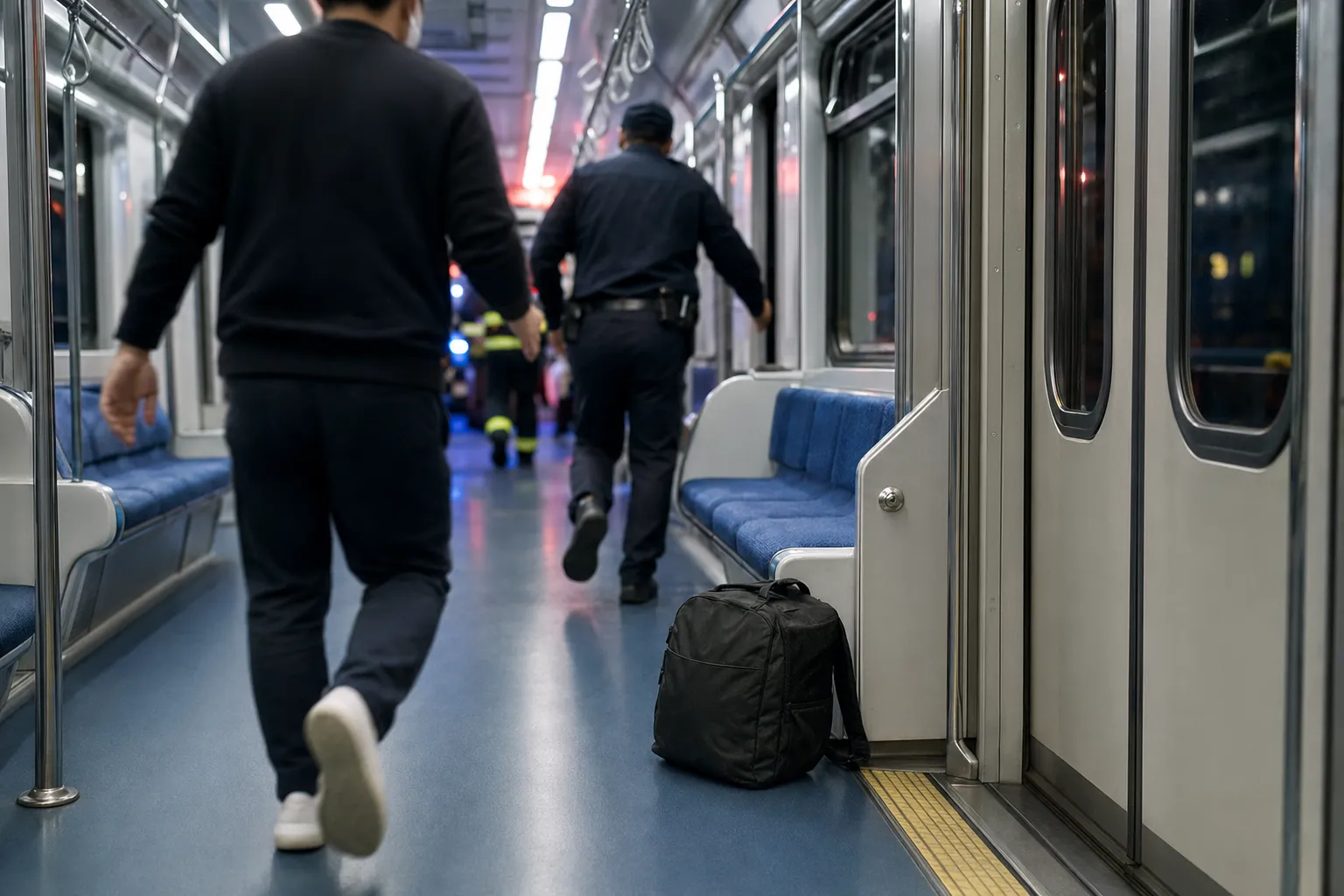
The Daegu subway arson-attempt case centers on an April 23, 2026 incident in which a man in his 40s was stopped after allegedly trying to ignite paper inside a Daegu urban railway train. For readers focused on Korea Subway Safety, the most useful takeaway is the confirmed response sequence: a passenger report, citizen intervention, transit staff coordination, and police handoff helped prevent a fire or injuries.1
Daegu Subway Arson Attempt: Confirmed Timeline
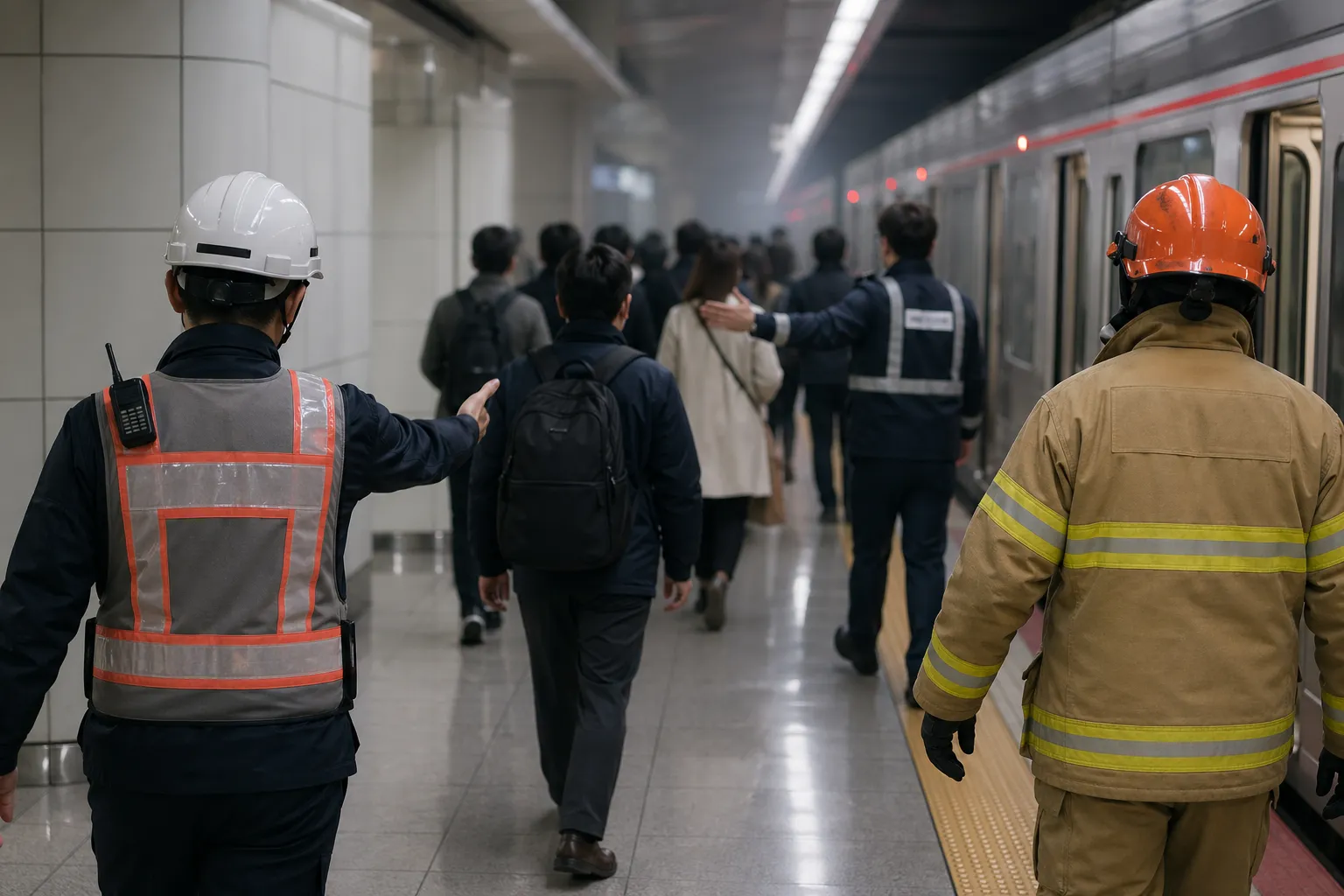
The incident took place during the morning commute on Daegu urban railway Line 1 near Jincheon Station in Dalseo District. Reports place the time around 8:30 a.m. to 8:35 a.m. on April 23, 2026, with Nocut News reporting that the citizen intervened at about 8:33 a.m. as the train was passing Jincheon Station.2
Initial reports described a man in his 40s on an Ansim-bound Line 1 train carrying a lighter and spray-type insecticide. A passenger reported suspected arson, and police tracked the train route before waiting at Jincheon Station and arresting the man after the train arrived.3
Later reports provided a more specific account of the same case. Daegu MBC reported on April 29, 2026 that video had been released showing the man attempting to set fire to paper inside the operating train before being stopped by a citizen. The report also said the control center shared the situation and that station staff and train crew responded, with the matter ending without further damage.1
The most important confirmed result is clear: no fire occurred, and no casualties were reported. Kyungbuk Maeil, citing Daegu Transportation Corporation, reported that the citizen and corporation staff moved the suspect to the customer information center and then handed him over to police.4
What Riders Should Learn From the Response
This case is best understood as a layered safety response. The first layer was awareness. A passenger noticed behavior that appeared dangerous and made a report. That report gave police and transit staff time to prepare at the station before the situation escalated.5
The second layer was direct prevention. Nocut News reported that a man in his 30s, identified as A, saw a man in his 40s trying to ignite paper and stopped him. A was later given a certificate of appreciation and encouragement money by Daegu Transportation Corporation.2
The third layer was transit coordination. Kyungbuk Maeil reported that the corporation’s control center shared the situation so station staff and train crew could respond at the scene. This detail matters because subway safety does not depend only on one person’s action; it also depends on communication between passengers, the control center, station employees, train crew, and police.4
The fourth layer was the legal handoff. Daegu MBC reported that the suspect was handed over to police and later sent to prosecutors in custody on suspicion of violating the Railway Safety Act. Earlier reports described the initial arrest under suspected attempted arson of an inhabited structure, while later reports used the Railway Safety Act charge.1
For riders, the practical lesson is to report quickly when someone appears to be using or preparing to use fire, flammable spray, or other dangerous materials on a train. Segye Ilbo reported that the insecticide carried in this case was confirmed to be flammable, and that the suspect was said to have refused to explain his motive and the circumstances.5
At the same time, the available reports should not be read as a general instruction for passengers to physically intervene in every dangerous situation. In this case, intervention stopped the immediate act, but the confirmed record also shows that trained staff and police were essential. If a rider sees a possible fire risk, the safest general priority is to alert staff or police immediately, move away from direct danger when possible, and avoid creating a crowd confrontation.
Reporting Danger on a Subway Train
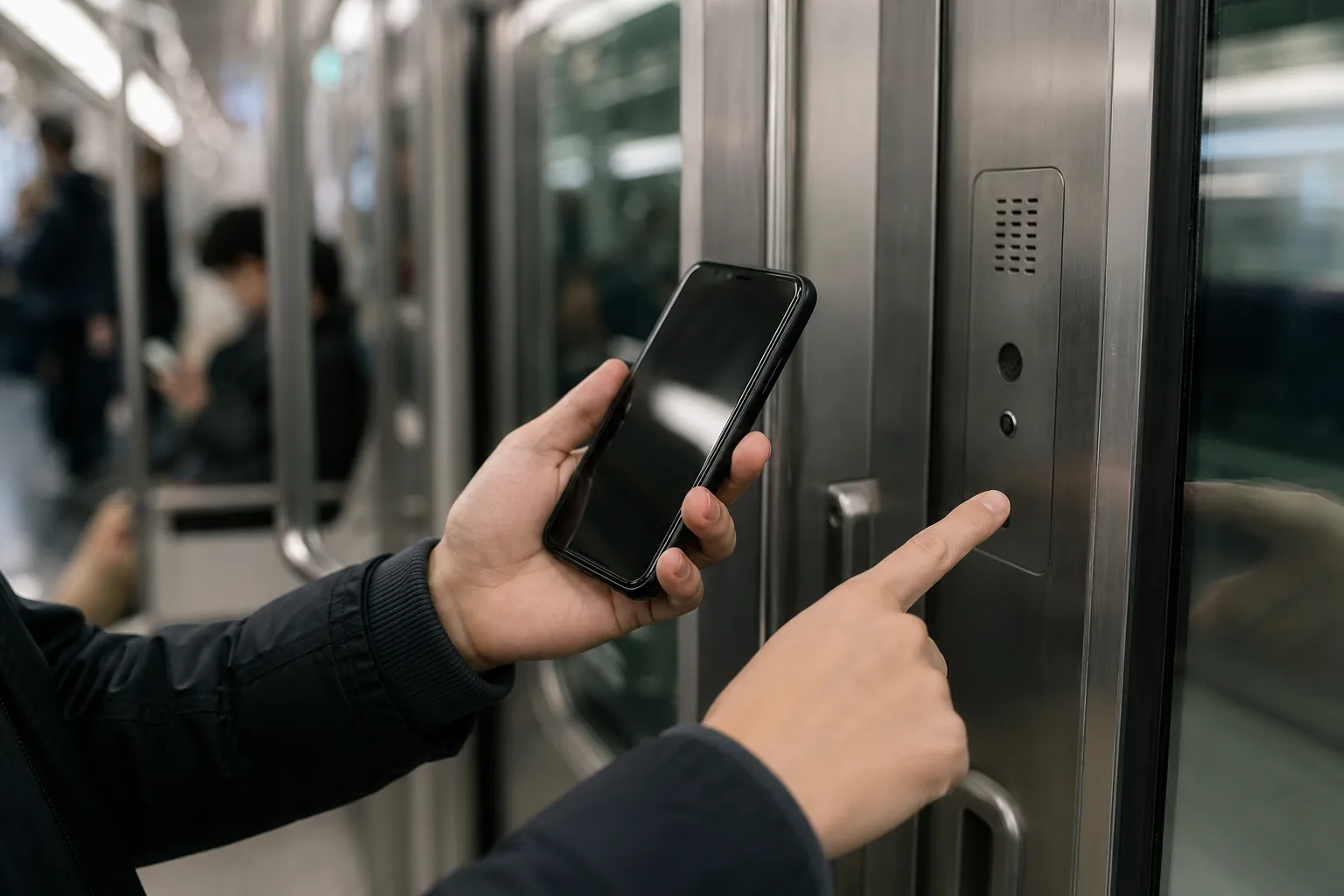
A practical rider response begins with observation. Note the train line, direction, station area, car location if known, and the specific behavior causing concern. In the Daegu case, reports identified Line 1, the Jincheon Station area, and an Ansim-bound train in early coverage, details that helped authorities respond.3
Next, report the risk as soon as possible. The source material does not provide a universal reporting script, but the facts show why speed matters: police were able to wait at Jincheon Station after the train route was identified. Clear information can help staff and police decide where to respond and how to separate the person from other passengers.
If there is visible flame, smoke, or an immediate attempt to ignite something, personal safety should remain the first concern. Move away from the direct hazard if you can. Warn nearby passengers in plain language. Let transit staff and police take over as soon as they arrive. The Daegu incident ended without a fire or injuries, but that outcome depended on a sequence of timely actions rather than speculation about the suspect’s motive.
The recognition given to the citizen also shows how transit authorities framed the event after the fact. Nocut News reported that Daegu Transportation Corporation President Kim Ki-hyeok said A’s courageous action helped prevent a major accident. A was also quoted as saying that when he saw the flame, he thought only of securing passenger safety first.2
Quick FAQ
Did a fire actually break out in the Daegu subway incident?
No. Multiple reports state that no fire occurred and no casualties were reported after the suspected arson attempt was stopped.2
What happened to the suspect after the incident?
Reports say the suspect was arrested by police and later sent to prosecutors in custody on suspicion of violating the Railway Safety Act. Earlier coverage described the initial arrest as suspected attempted arson of an inhabited structure.1 The Daegu subway arson-attempt case is a practical reminder that subway safety depends on fast reporting, calm movement away from danger, coordinated staff response, and timely police action. The confirmed facts show that the April 23, 2026 incident ended without fire or injury because the risk was noticed, communicated, contained, and handed over to authorities.
References
- "저 사람 저기서 뭐 하는 거야!"···출근길 대구 지하철서 방화 미수 '참사' 막은 영상 공개 (대구MBC, 2026-04-29)
- 대구교통공사, 지하철 방화 제지 시민에게 감사패 전달 (노컷뉴스, 2026-04-28)
- 대구 지하철서 라이터·살충제 들고 배회…'방화 의심' 40대 남성 체포 (아시아경제, 2026-04-23)
- 대구교통공사, 열차 내 방화 시도 막은 시민에 감사패 전달 (경북매일, 2026-04-28)
- “방화 의심된다”…대구 지하철서 라이터∙살충제 든 40대 남성 검거 (세계일보, 2026-04-23)
About the Author