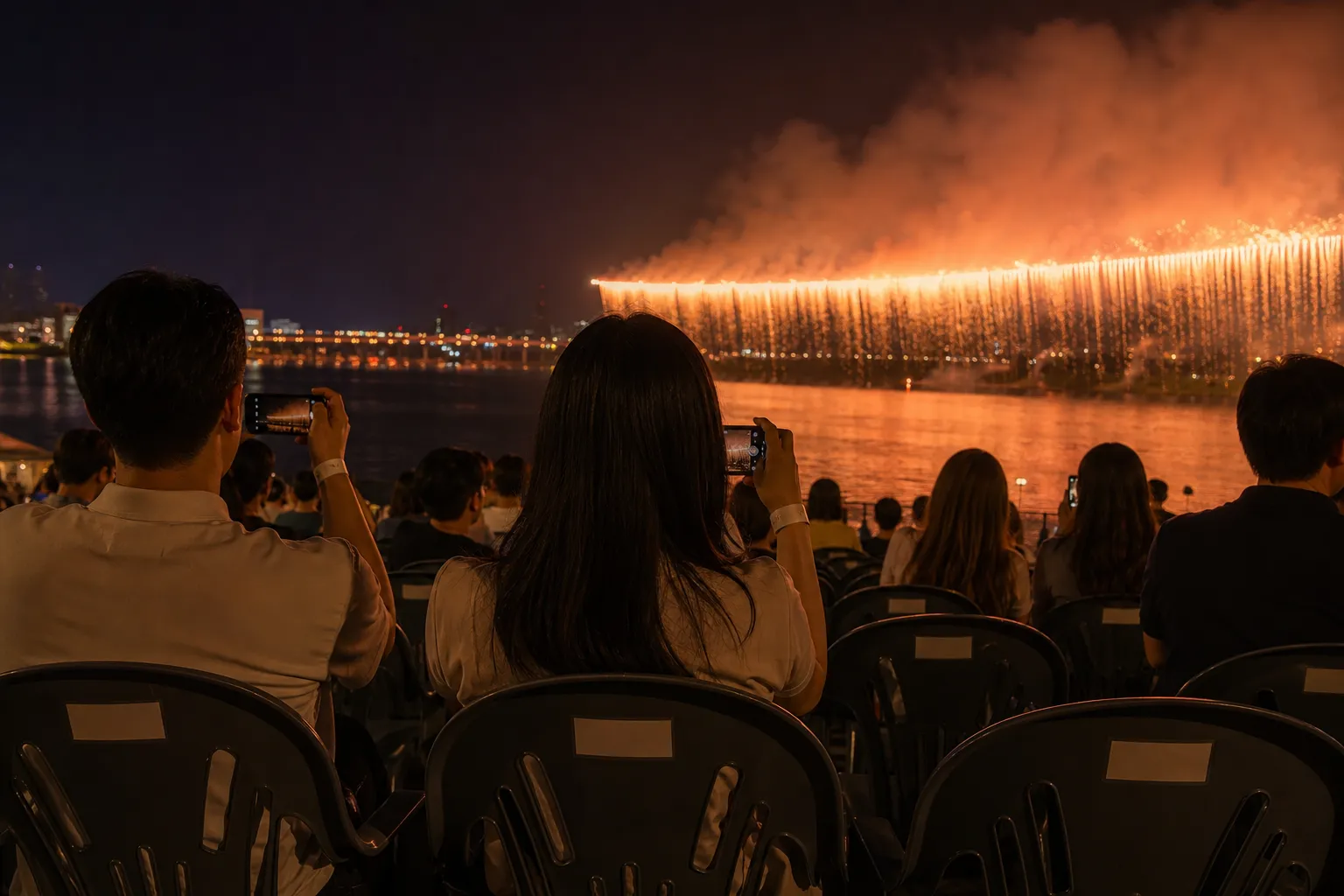
The 2026 Haman Nakhwa Festival paid seats marked the first full shift to a reserved, paid viewing system for the event at Mujinjeong in Haman-gun. Because the festival took place on July 3 and 4, 2026, this guide explains what the paid-seat system was, how tickets were structured, and what results were reported after the event.
Haman Nakhwa Festival Paid Seats: Key Facts
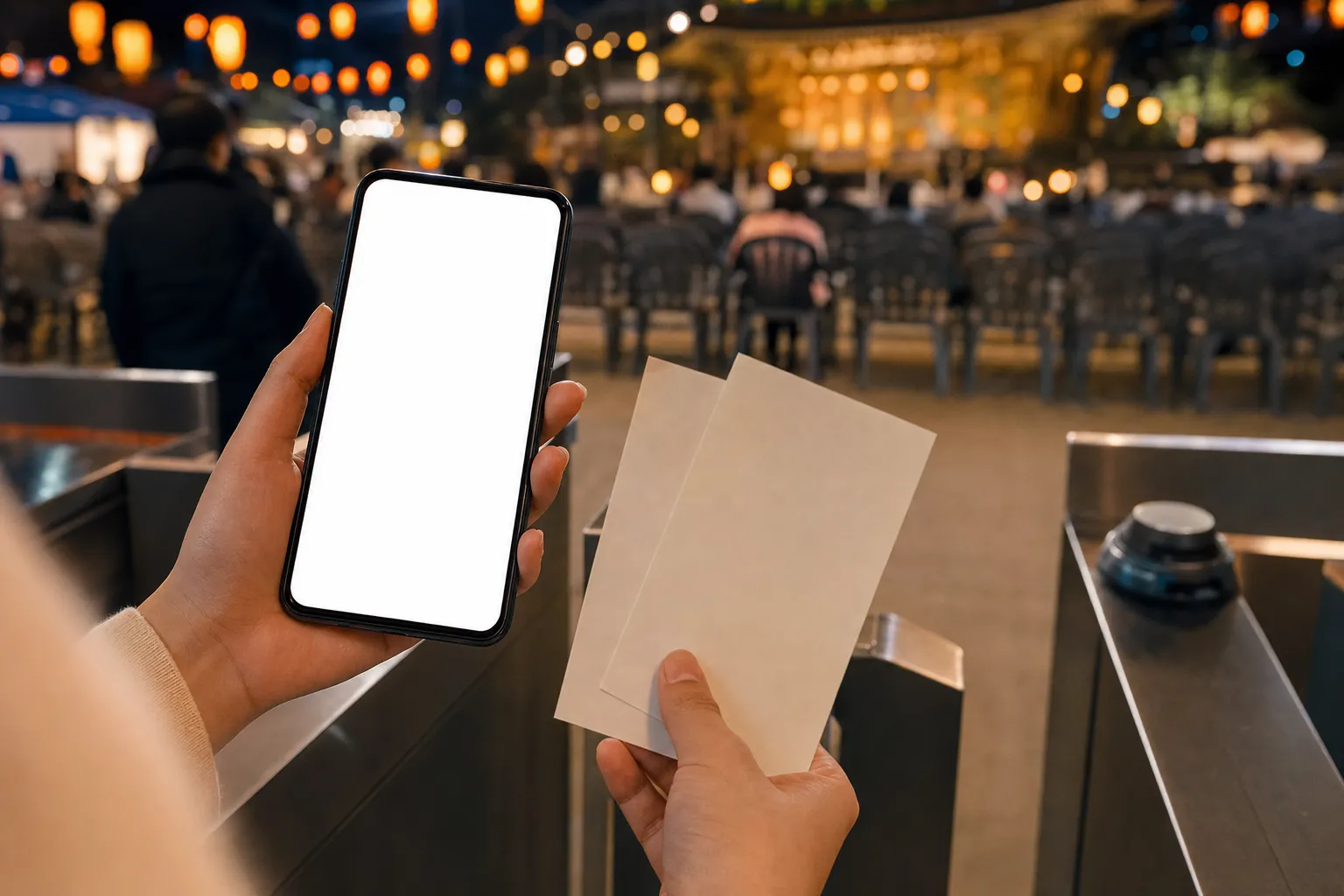
The 2026 event, officially promoted as 2026 Haman Nakhwa Festival with MyK FESTA, was held around Mujinjeong in Haman-gun, Gyeongnam, on July 3 and 4, 2026. Haman-gun announced that the festival would run on a 100% advance-reservation basis, with no on-site ticket sales and entry limited to people who had completed reservations in advance.1
The paid seating plan was important because it changed how visitors experienced a festival that had previously raised crowding concerns. Reports noted that earlier Buddha’s Birthday-related Nakhwa events had drawn about 7,000 people into a limited space, and the 2026 paid reserved-seat model was introduced as a measure to reduce safety risks.2
| Item | 2026 Details |
|---|---|
| Event dates | July 3-4, 20263 |
| Venue | Mujinjeong area, Haman-gun, Gyeongnam3 |
| Ticket opening | June 19, 2026, at 10:00 a.m.3 |
| Ticket prices | S area 30,000 won; A-D areas 20,000 won; non-seat free-viewing ticket 10,000 won3 |
| Booking limit | Up to 4 tickets per person3 |
| Entry rule | Only advance reservation holders could enter the venue1 |
| Daily capacity | Up to 3,000 people per day4 |
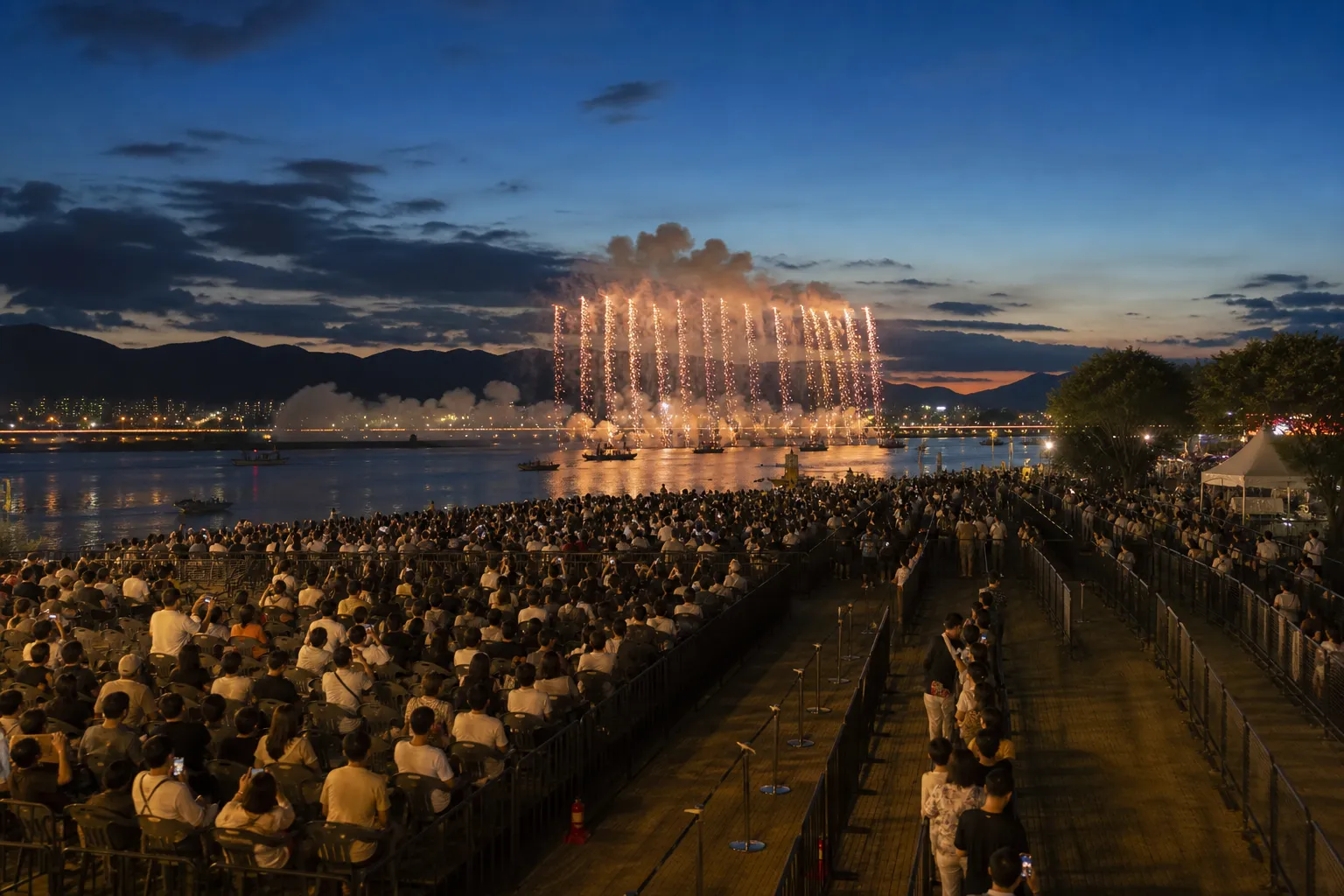
| Seating setup | 2,600 simple chairs and cushions for reserved seats, plus 400 free-viewing seats4 |
For readers searching the Haman Nakhwa Festival after the event, the key point is that the 2026 paid-seat program was not a general walk-in system. It combined ticketed entry, identity and reservation checks, seating assignments, and a daily attendance cap.
Booking, Entry, and Seat Rules
YES24 Ticket listed the ticket opening for June 19, 2026, at 10:00 a.m., with the event scheduled for July 3 and 4 at the Mujinjeong area. Prices were divided by viewing area: S area tickets were 30,000 won, A-D area tickets were 20,000 won, and non-seat free-viewing tickets were 10,000 won. Each person could reserve up to four tickets.3
Haman-gun’s official notice emphasized that the event was 100% advance-booking only. Visitors were told to prepare for identity verification and reservation confirmation, and reserved-seat ticket holders were instructed to be seated before the 7:45 p.m. sunset time.1 That seating deadline mattered because the Nakhwa viewing experience is tied to the evening fire display, so late arrival could disrupt both safety control and assigned-seat operations.
The reserved-seat system was described as a first-time trial for the festival. A Haman-gun official said the newly introduced reserved seating would provide “a safer and more refined viewing environment,” while helping expand Haman’s cultural tourism content connecting tradition and modernity.4
Demand was strong before the festival. By June 28, reports said all 3,000 seats for July 4 had sold out, while about 2,000 tickets for July 3 had been sold.2 This showed that the paid model did not prevent substantial interest, even though entry was no longer free or fully open.
What Changed After Paid Seating Was Introduced
After the festival ended, reports described the paid and reserved-seat system as successful. Newsis reported that Haman-gun limited attendance to 3,000 people per day, introduced reserved-seat booking, paid viewing, and 14 shuttle buses for the 2026 event. Despite the paid format, 2,500 people attended on July 3 and 3,000 people attended on July 4. About 2,000 foreign tourists visited over the two days.5
Cookie News also reported that the festival received positive reviews for improved visitor convenience after introducing reserved-seat booking and paid admission. The same report said the Nakhwa Village stamp tour in Goehang Village drew about 1,000 participants, and all 218 Hong Kong tourists joined the Nakhwabong-making experience.6
The event also combined the traditional fire-viewing experience with performances. Cookie News listed performances by Sohyang, Seo Do Band, and Ahn Ye-eun during the festival period.6 This helps explain why the festival was promoted not only as a local traditional event but also as a broader cultural tourism program.
A Haman-gun official described the finished event as “a meaningful festival” that strengthened safety, convenience, and content, adding that it had moved toward becoming a higher-quality global Hallyu event.5 Another official framed the festival as a new form of global cultural tourism festival combining Korea’s representative traditional fire play with Hallyu content.2
Quick FAQ
Was the 2026 Haman Nakhwa Festival free to enter?
No. The 2026 festival used paid admission and advance reservations. Ticket prices were 30,000 won for S area, 20,000 won for A-D areas, and 10,000 won for non-seat free viewing.3
Could visitors buy tickets at the venue?
No. Haman-gun announced that there would be no on-site ticket sales and that only advance reservation holders could enter the event area.1 !Haman Nakhwa Festival Paid Seats attendance results venue concept The 2026 Haman Nakhwa Festival paid-seat system was a practical change aimed at controlling crowd size, improving safety, and giving visitors clearer viewing arrangements. With capped attendance, assigned seating, paid tickets, and reported sellout demand for the second day, the 2026 edition became a test case for how the festival can manage popularity while preserving the evening Nakhwa experience.
References
- 2026 함안낙화 페스티벌 with MyK FESTA 개최 및 참여 신청 안내 (함안군 문화관광포털, 2026-06-16)
- ‘K-불꽃쇼’ 함안낙화놀이 첫 유료 지정석도 ‘흥행’ (경남도민일보, 2026-06-28)
- 2026 함안낙화 페스티벌 with MyK FESTA 티켓오픈 안내 (예스24 티켓, 2026-06-16)
- 함안군, 7월 3~4일 ‘함안낙화 페스티벌’ 개최 (경남신문, 2026-06-18)
- 유료화·지정좌석제 성공…'함안낙화 페스티벌' 마무리 (뉴시스, 2026-07-06)
- 함안낙화 페스티벌 성료…“지정좌석제 신의 한 수” 호평 (쿠키뉴스, 2026-07-07)
About the Author