
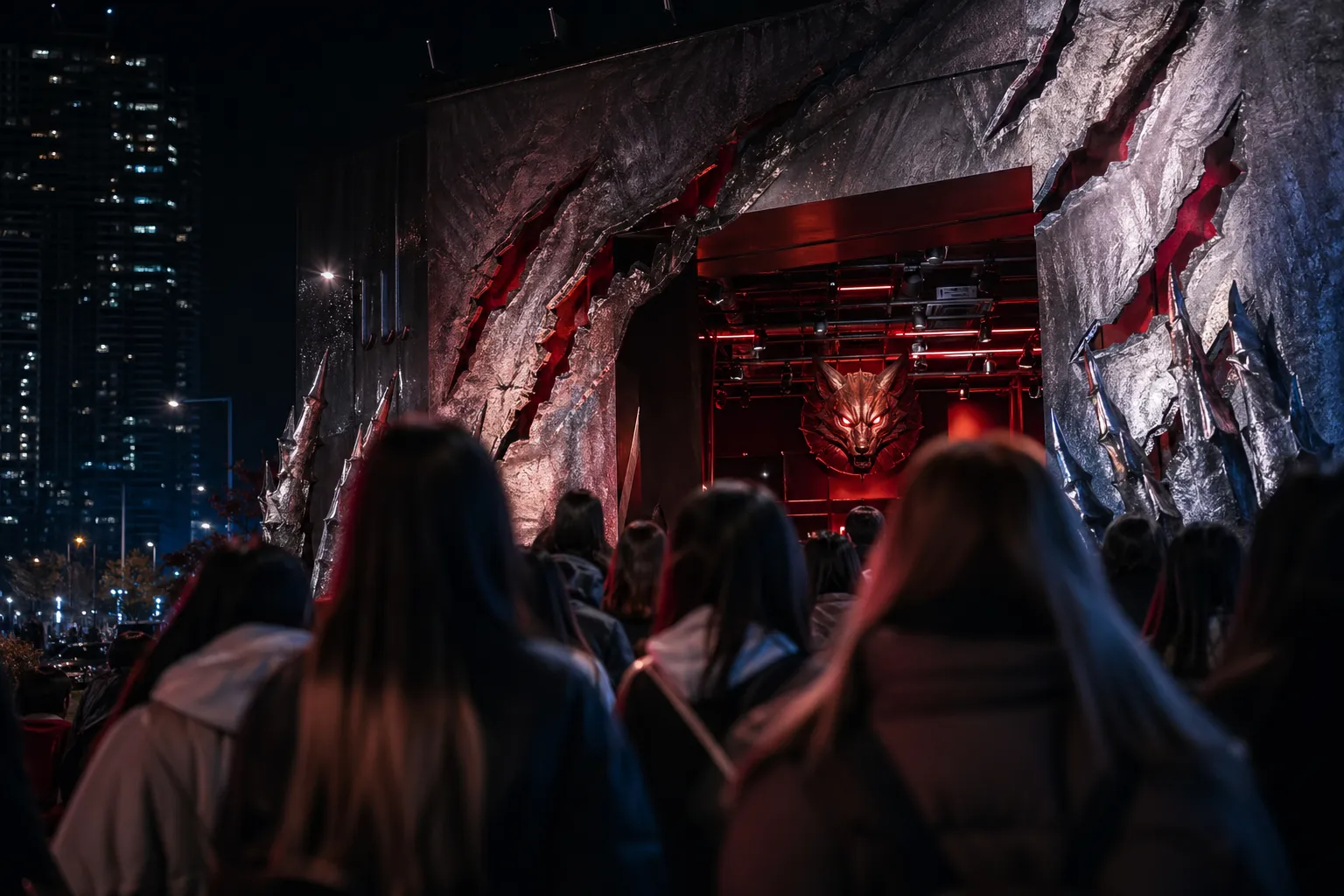
&TEAM’s Werewolf Hideout turned the group’s latest release celebration into something fans could step inside, shout through, photograph, and remember. Held in Seoul for the release of the group’s Japanese 3rd EP, We on Fire, the offline event brought the album’s wolf-themed concept into a real-world space at The Terrace on the 4th floor of Yongsan I’Park Mall. For fans who enjoy comeback moments not just as music drops but as shared experiences, this was designed as a compact, high-energy pop-up with interactive missions, themed photo zones, and keepsake-style rewards.
Inside the Werewolf Hideout Event
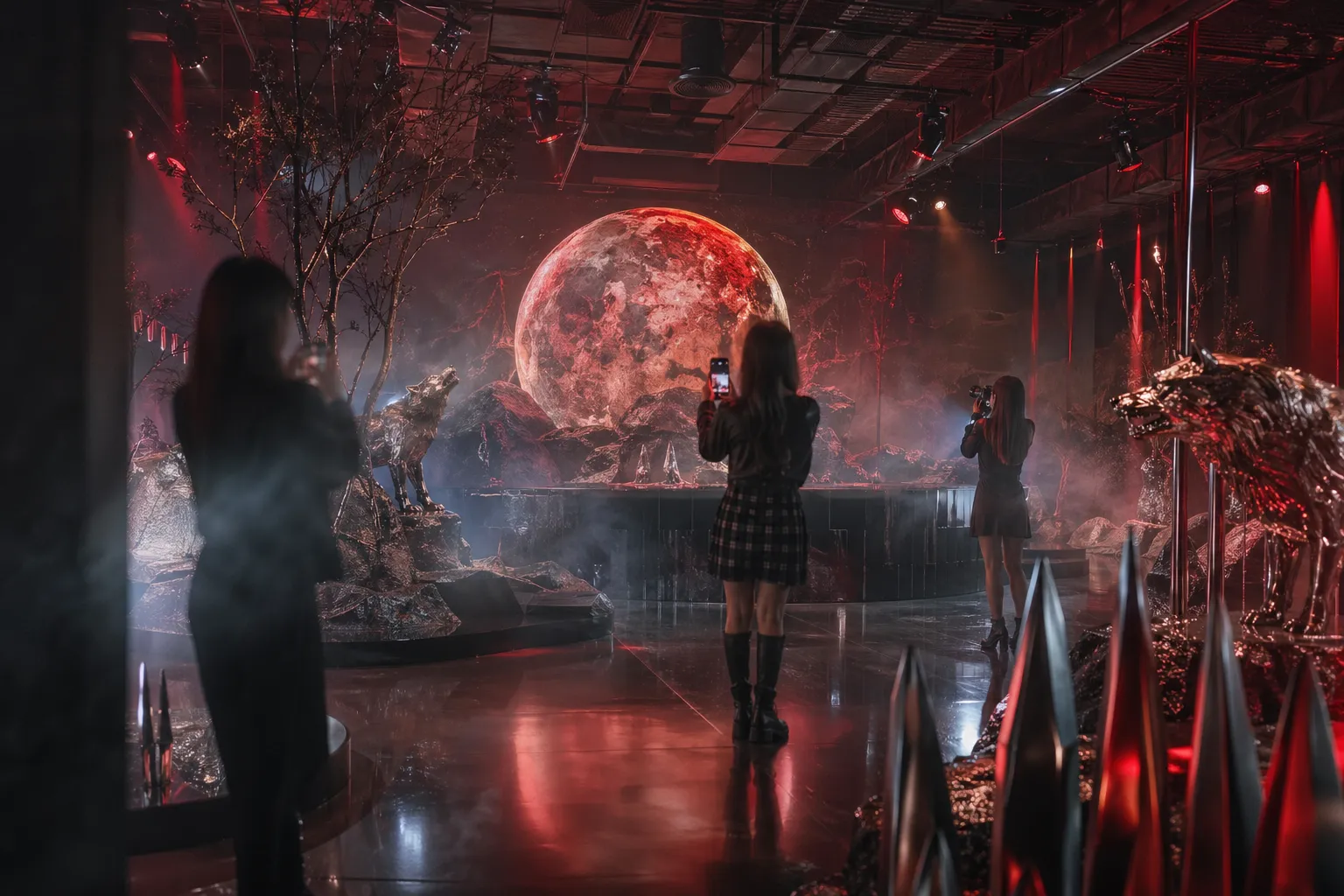
The Werewolf Hideout took place on April 25, 2026, from 1 p.m. to 7 p.m. in central Seoul. The event was prepared as an open experience that anyone could join, making it more than a closed fan-only gathering. Its theme centered on the idea of becoming friends with a wolf pack, matching the identity of We on Fire and extending the new release’s concept beyond screens, stages, and album packaging.
The main setting, The Terrace at Yongsan I’Park Mall, gave the event an accessible location for visitors moving through one of Seoul’s busiest shopping and cultural spaces. Instead of simply displaying promotional images, the pop-up offered a sequence of participation points. Fans could enter the atmosphere of the release, take part in missions, pose in dedicated areas, and receive physical items connected to the day.
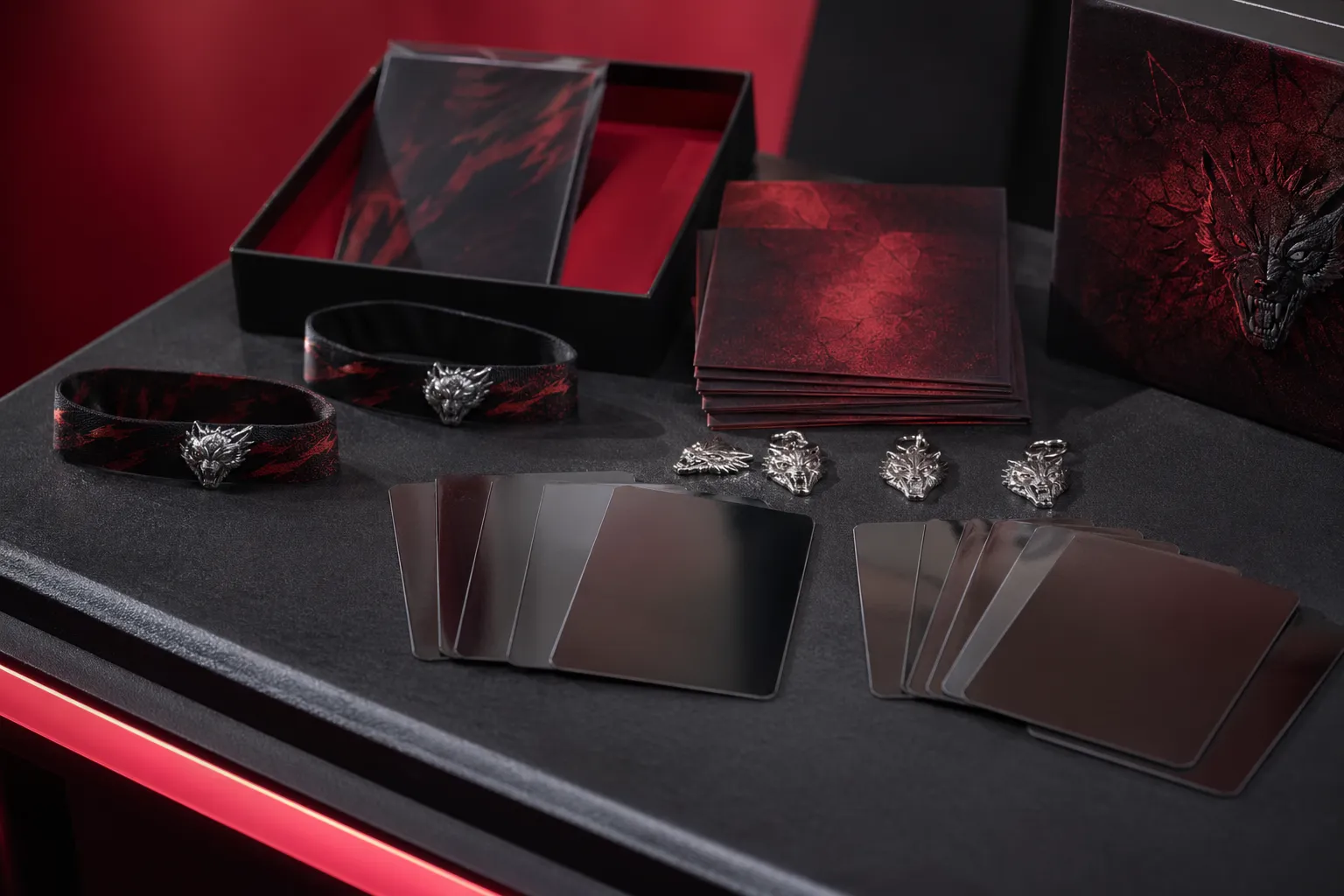
One of the key details was the issuing of certification cards. That small touch helped turn the visit into a personal record, almost like proof that you had entered the group’s temporary wolf-themed world. For a comeback event built around identity and transformation, a certification card fit neatly with the concept: visitors were not just watching the promotion happen; they were being included in it.
Why the Howling Zone Became the Main Attraction
The Howling Zone was the event’s central interactive feature, and it is easy to see why it drew attention. Visitors took part in a decibel-based mission built around the idea of howling. The louder or more successful the attempt, the closer participants came to clearing the challenge. Those who passed the required standard were given a chance to use a gacha machine, adding a reward element to the moment.
This worked because it was simple, playful, and directly tied to the wolf-pack theme. You did not need complicated instructions to understand the fun of a Howling Zone. You showed up, joined the mood, made noise, and became part of the atmosphere. In a crowded pop-up setting, that kind of activity can quickly become contagious, especially when other visitors are watching, waiting, and reacting.
The event also included a photo zone, another essential part of the experience. For fans, photo areas are not just decorative corners. They are where a short visit becomes something shareable, where the concept becomes a background, and where the memory of a comeback turns into an image that can be kept. The Werewolf Hideout included multiple visual touchpoints, including a media wall and a Dark Moon collaboration photo zone.
The Dark Moon collaboration detail gave the pop-up another layer for visitors already familiar with &TEAM’s broader concept world. Without needing to overexplain the connection, the collaboration photo zone helped connect the event to the darker, story-driven mood surrounding the group’s wolf imagery. It also offered another reason for fans to move through the space instead of stopping at one single attraction.
Fan Keepsakes, Rewards, and the We on Fire Moment
Beyond the Howling Zone and photo areas, the Werewolf Hideout offered special fan items that made the day feel more personal. Visitors could encounter special photo cards and random fortune cookies containing handwritten messages from the members. These details matter because they shift an event from a simple promotional stop into a fan-centered memory.
A random fortune cookie with a member’s handwritten message adds surprise. A special photo card gives fans something collectible. A certification card marks participation. Together, these items created layers of reward: one for joining, one for playing, one for discovering, and one for remembering. For a six-hour event, that range helped give visitors several reasons to stay engaged.
The timing also made the pop-up feel important. We on Fire was released on April 21, 2026, and recorded 1,090,261 sales on its first day according to Hanteo Chart figures included in the available information. The album was also connected to &TEAM achieving three consecutive million-seller releases. In that context, the Werewolf Hideout was not just a decorative event attached to a comeback. It arrived during a major commercial moment for the group.
Around 2,000 people visited the pop-up over the course of the day. That number shows the event had strong pull as an offline fan experience, especially given that it ran for a limited window on a single date. The turnout also suggests that fans responded to the chance to meet the We on Fire concept in person, not only through album sales, music content, or online updates.
What I find interesting about the Werewolf Hideout is how focused it was. The event did not need a huge list of unrelated activities. Its strongest pieces all pointed back to the same idea: wolves, belonging, sound, and transformation. The Howling Zone gave the theme a voice. The photo zones gave it a look. The certification card gave it a status. The fortune cookies and photo cards gave it a keepsake.
In the end, &TEAM’s Werewolf Hideout worked as a physical extension of We on Fire: open to visitors, built around participation, and anchored by memorable fan rewards. With about 2,000 visitors, a standout Howling Zone, and a concept that translated clearly into an offline space, the Seoul pop-up gave fans a vivid way to step into the group’s comeback world.
About the Author