
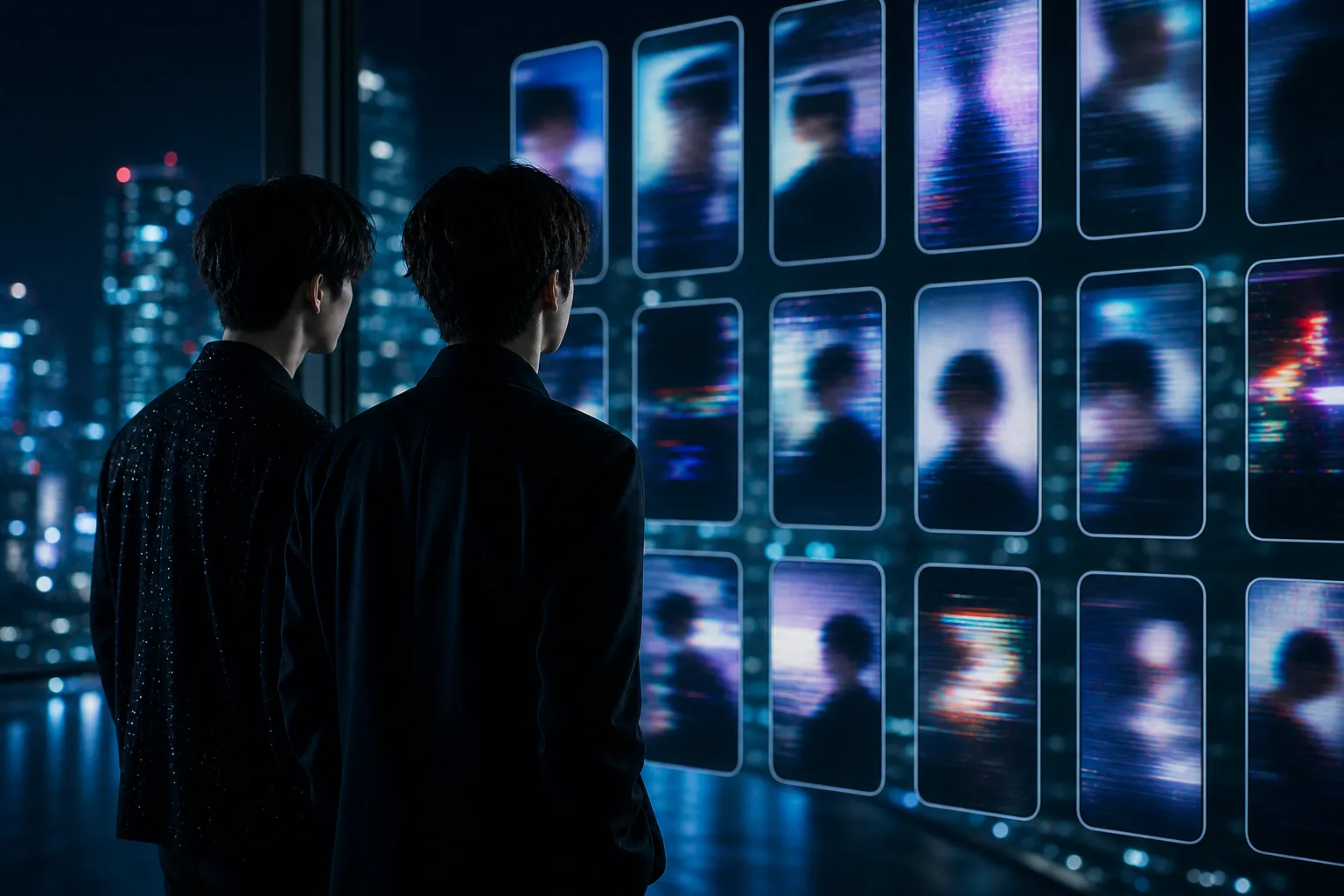
Deepfake-style videos involving BTS members V and Jungkook have become part of a wider entertainment-industry dispute over AI face-swap content circulating on TikTok and other SNS platforms. The issue centers on realistic edited media that can make celebrities appear in contexts they did not create, approve, or participate in.
Sports World reported on March 26, 2026, that multiple SNS channels had carried AI face-swap videos in which a man’s face changed into the faces of Korean celebrities after he snapped his fingers. The examples cited included IVE’s Jang Wonyoung, aespa’s Karina, IU, and BTS members V and Jungkook, placing the BTS AI TikTok discussion inside a broader pattern of celebrity deepfake exposure rather than a single isolated post. 1
V and Jungkook Deepfake Clips Highlight Celebrity Exposure
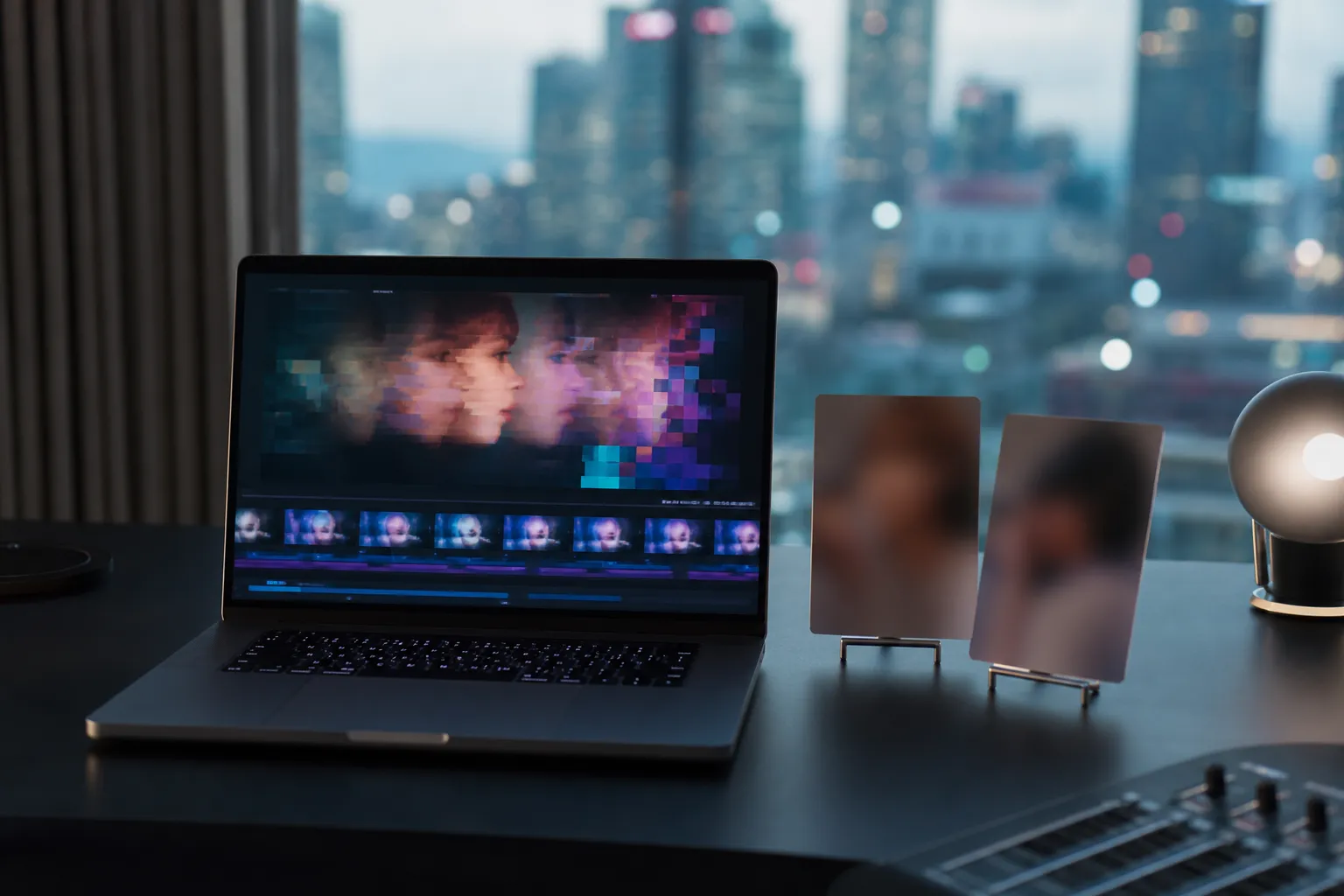
The reported content falls into a growing category of AI-edited media that uses recognizable public figures as visual material. In the Sports World report, the concern was not limited to one fandom or one platform. The article described an entertainment environment in which public photos and videos of celebrities can be used as source material for AI learning and synthetic video creation, making well-known performers especially vulnerable to face-swap content. 1
For V and Jungkook, the controversy is tied to their status as globally recognized members of BTS and to the volume of public-facing media available online. The source material does not state that the members themselves commented on the videos, nor does it identify a specific creator, account, or enforcement outcome tied only to the V and Jungkook clips. What is confirmed is that their faces were named among examples of Korean celebrities appearing in AI face-swap videos that drew concern in entertainment coverage. 1
The case also illustrates why deepfake-style posts are difficult to discuss as ordinary fan edits. A realistic face swap can blur the distinction between parody, impersonation, synthetic media, and misleading content. When a celebrity’s face is placed onto another person’s body or into a fabricated setting, the result can create confusion about whether the person actually appeared in the scene. That risk is central to the current debate over AI-generated celebrity media on short-form video platforms.
TikTok Rules Require Labels for Realistic AI Media
TikTok’s own policy framework is directly relevant to the controversy because the platform has published rules for edited media and AI-generated content. TikTok said in a March 10, 2026 Newsroom update that it requires labels for realistic AI-generated content and is using multiple strategies to identify AI-generated material while expanding features that help users understand such content. 2
The platform’s Community Guidelines also state that AI-generated or edited content showing realistic people or scenes must be labeled. The same guidelines say TikTok does not allow content that places a public figure or celebrity in certain false contexts. 3
Those rules do not automatically establish how every individual video in the V and Jungkook controversy was reviewed or moderated. However, they show the platform standard that applies when realistic synthetic media features recognizable people. In practical terms, content that makes BTS members appear to be present in a fabricated video setting can raise questions about labeling, viewer confusion, and whether the clip puts a celebrity into a false context.
The TikTok policy background matters because AI face-swap posts often spread quickly across short-form platforms before audiences can verify their origin. Labels can help identify synthetic media, but the underlying dispute remains broader: whether the use of a celebrity’s likeness in realistic AI-generated edits is acceptable when the person did not consent and the content may be mistaken for genuine footage.
BIGHIT MUSIC’s Legal Response Covers Rights Violations
BIGHIT MUSIC addressed artist-rights violations in a Weverse notice published on March 26, 2026, the same date as the Sports World report. The company said it had begun legal action against writers of malicious posts identified on domestic online communities and international SNS channels as part of its first-quarter 2026 legal proceedings update for BTS. 4
The notice also stated that the company was documenting the spread of false rumors and fake news in real time and would pursue legal responsibility. 4 The provided source material does not say that BIGHIT MUSIC named the specific V and Jungkook face-swap videos in that notice. Still, the company’s update establishes that BTS-related rights violations on online communities and global SNS platforms were already under legal monitoring during the same period.
That distinction is important. The available records support a clear reportorial conclusion: V and Jungkook were among celebrities cited in coverage of AI face-swap videos, TikTok has rules requiring labels for realistic AI-generated media, and BIGHIT MUSIC has separately announced legal action and monitoring over BTS artist-rights violations. The sources do not support claims that a specific TikTok account was penalized, that a named person was sued over the V and Jungkook clips, or that TikTok issued a case-specific statement about those videos.
The controversy also sits alongside wider public-sector concern over deepfakes in South Korea. Korea’s official policy briefing reported that the Ministry of the Interior and Safety had been developing an AI-based deepfake detection analysis model with the National Forensic Service since 2024. The government said the model would be used to strengthen responses to AI-driven false information around the June 2026 local elections and would also be supported for the National Election Commission. 5
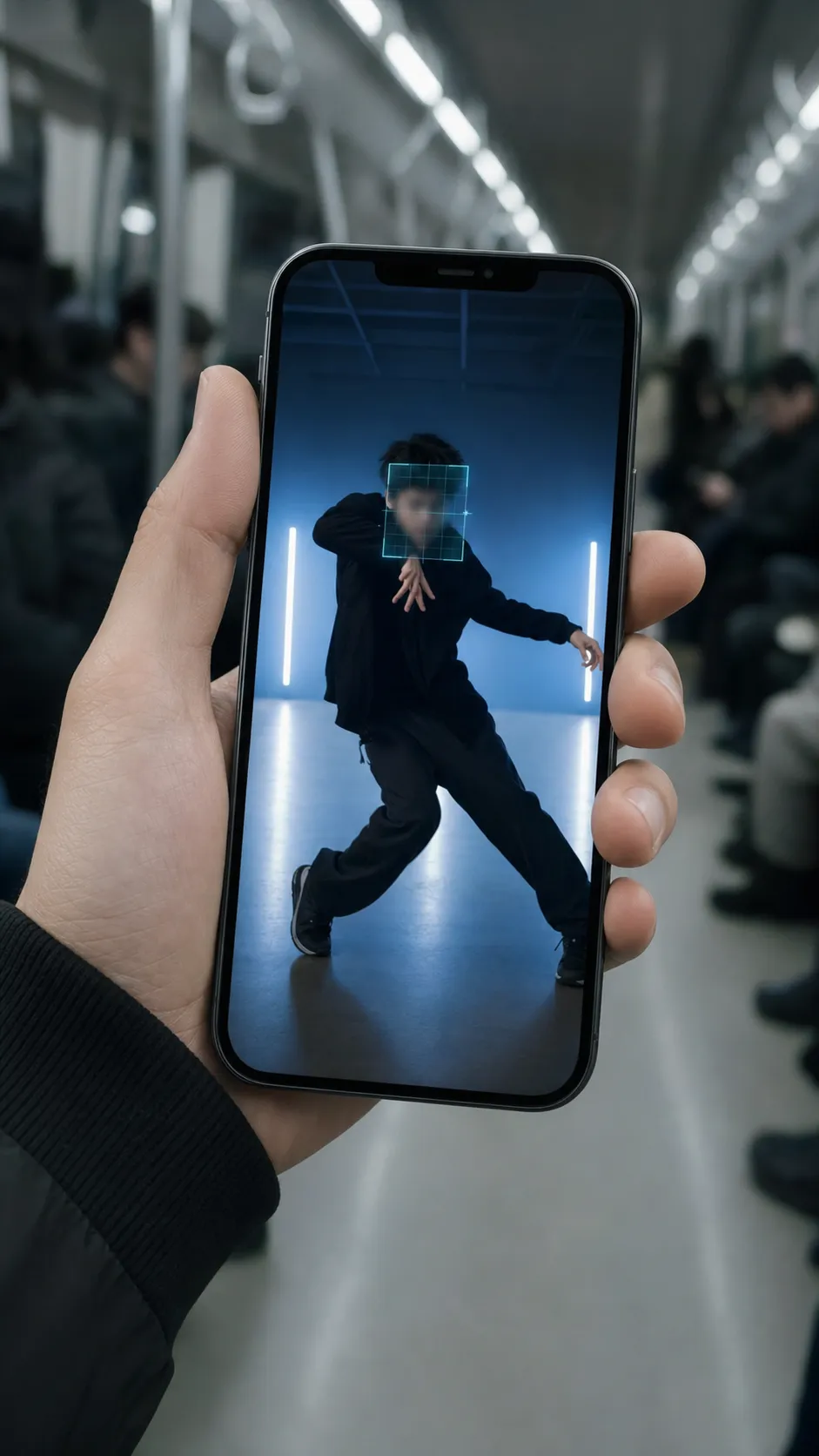
The V and Jungkook deepfake dispute shows how celebrity likeness, platform rules, and legal enforcement are converging as AI-generated media becomes easier to produce and distribute. Based on the available records, the confirmed issue is not an official BTS project or authorized promotional content, but the appearance of BTS members’ faces in reported AI face-swap videos and the broader response framework surrounding such content.
References
- [BS이슈] 가짜 결혼식·가짜 리뷰…연예계 딥페이크 피해 계속 (스포츠월드, 2026-03-26)
- TikTok shares more ways to spot, shape and understand AI-generated content (TikTok Newsroom, 2026-03-10)
- Community Guidelines: Integrity and Authenticity – Edited Media and AI-Generated Content (TikTok Community Guidelines)
- [NOTICE] Update Notice on Legal Proceedings Against Violation of Artist Rights (March.26.) (Weverse / BIGHIT MUSIC, 2026-03-26)
- AI 딥페이크 탐지기술 탐지 분석 모델 시연회 – 부처 브리핑 (대한민국 정책브리핑, 2026-03-10)
About the Author