Surge in Visits to Joseon Royal Tombs Marks Record Tourism Milestone
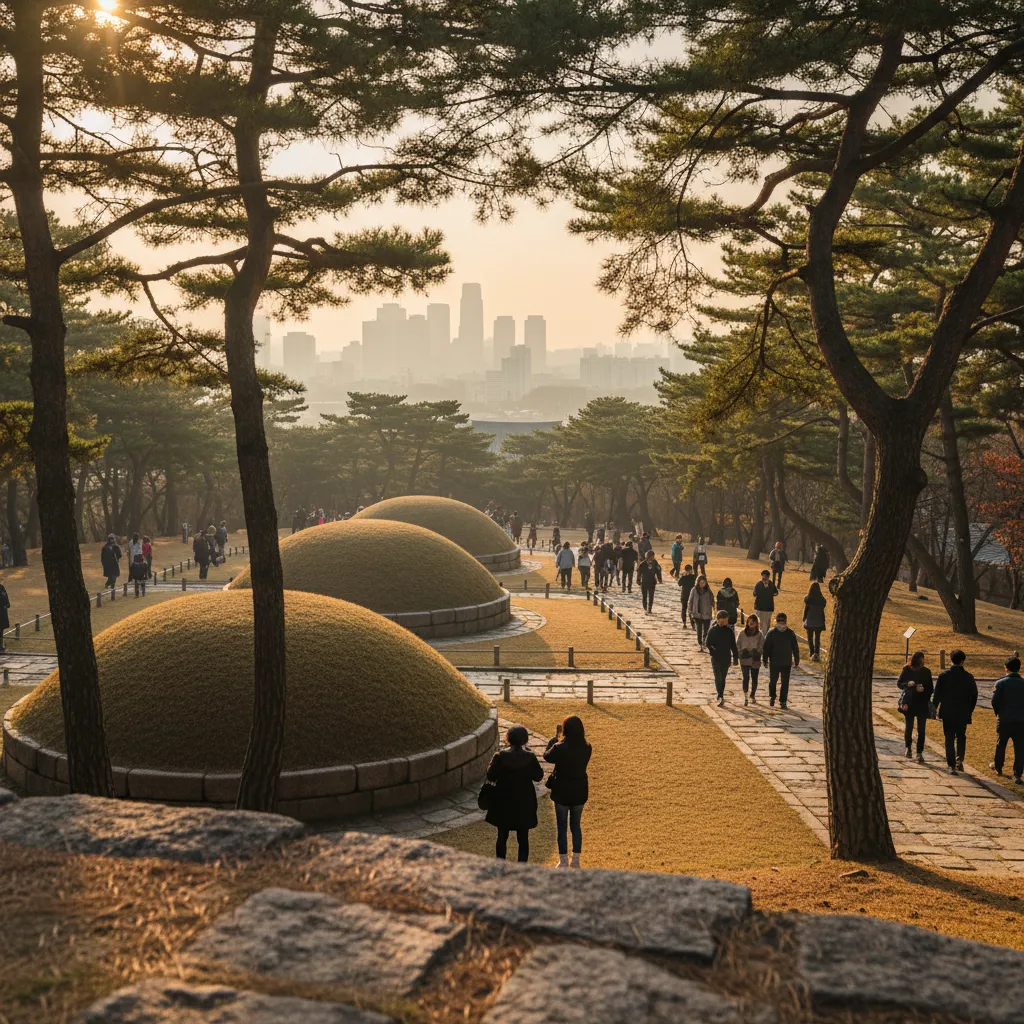
Visitor numbers to Seoul’s four major palaces, Jongmyo Shrine and the Joseon royal tombs (조선왕릉) have reached an unprecedented 17 million in 2024, with foreign tourists accounting for more than one‑quarter of all guests. The data, released by the Cultural Heritage Administration’s Palace and Relics Division, shows a 13% year‑over‑year increase and highlights the growing global appetite for Korean heritage.
Record‑Breaking Attendance Across the Historic Sites
The combined attendance for Gyeongbokgung (경복궁), Changdeokgung (창덕궁), Changgyeonggung (창경궁), Deoksugung (덕수궁), Jongmyo Shrine (종묘) and the Joseon royal tombs reached 17.81 million visitors in 2024, according to the provisional count announced on May 5. This represents a 12.9% rise from the previous year and sets a new all‑time high for the six sites.
Gyeongbokgung alone attracted 6.89 million guests, comprising 38.7% of total visitors to the palace complex. The palace remains the most popular destination, but the most striking growth was observed at Jongmyo Shrine, where attendance nearly doubled to 761,000 after a long‑term restoration project was completed and a major ancestral rite was reopened to the public.
Foreign Tourists Drive the Growth Wave
Foreign visitors played a decisive role in the surge. In 2024, 4.27 million overseas tourists visited the palaces, Jongmyo Shrine and the royal tombs, a 34.4% increase over 2023. One out of every four visitors to these heritage sites was a foreign national, and at Gyeongbokgung the proportion of overseas guests reached 40.4%, underscoring the site’s status as a global cultural landmark.
Industry analysts attribute the rise to the worldwide popularity of Korean content (K‑content), expanded experiential programs such as hanbok (한복) rentals, and the post‑pandemic recovery that has turned Seoul into a “K‑tourism” hub. The government’s emphasis on heritage‑based tourism appears to be paying off, with the visitor count staying above the 10‑million mark for four consecutive years since the COVID‑19 dip in 2021.
Challenges and Future Outlook
While the influx brings economic benefits, it also revives a long‑standing debate over admission‑fee adjustments. The last fee increase occurred in 2005, and officials now argue that rising maintenance costs and the need to preserve cultural value make a price revision inevitable. President Lee Jae‑myung recently signaled support for a “careful but necessary” reassessment of ticket prices during a briefing on heritage administration.
Another challenge is the uneven distribution of foreign tourists. Although palaces enjoy robust international demand, the Joseon royal tombs attracted only about 40,000 foreign visitors last year, indicating a concentration of tourist interest in palace architecture rather than burial sites. Authorities are considering targeted promotional campaigns to diversify visitor flow and alleviate pressure on the most crowded locations.
Conclusion
The 2024 milestone of surpassing 17 million visitors to Seoul’s historic palaces, Jongmyo Shrine and Joseon royal tombs reflects a broader renaissance of Korean cultural tourism. With foreign tourists now comprising a significant share of the audience, the heritage sector faces both opportunities for growth and the responsibility to manage sustainability. Upcoming policy decisions on admission fees and strategic outreach to lesser‑visited sites will shape the next chapter of Korea’s heritage tourism narrative.
About the Author