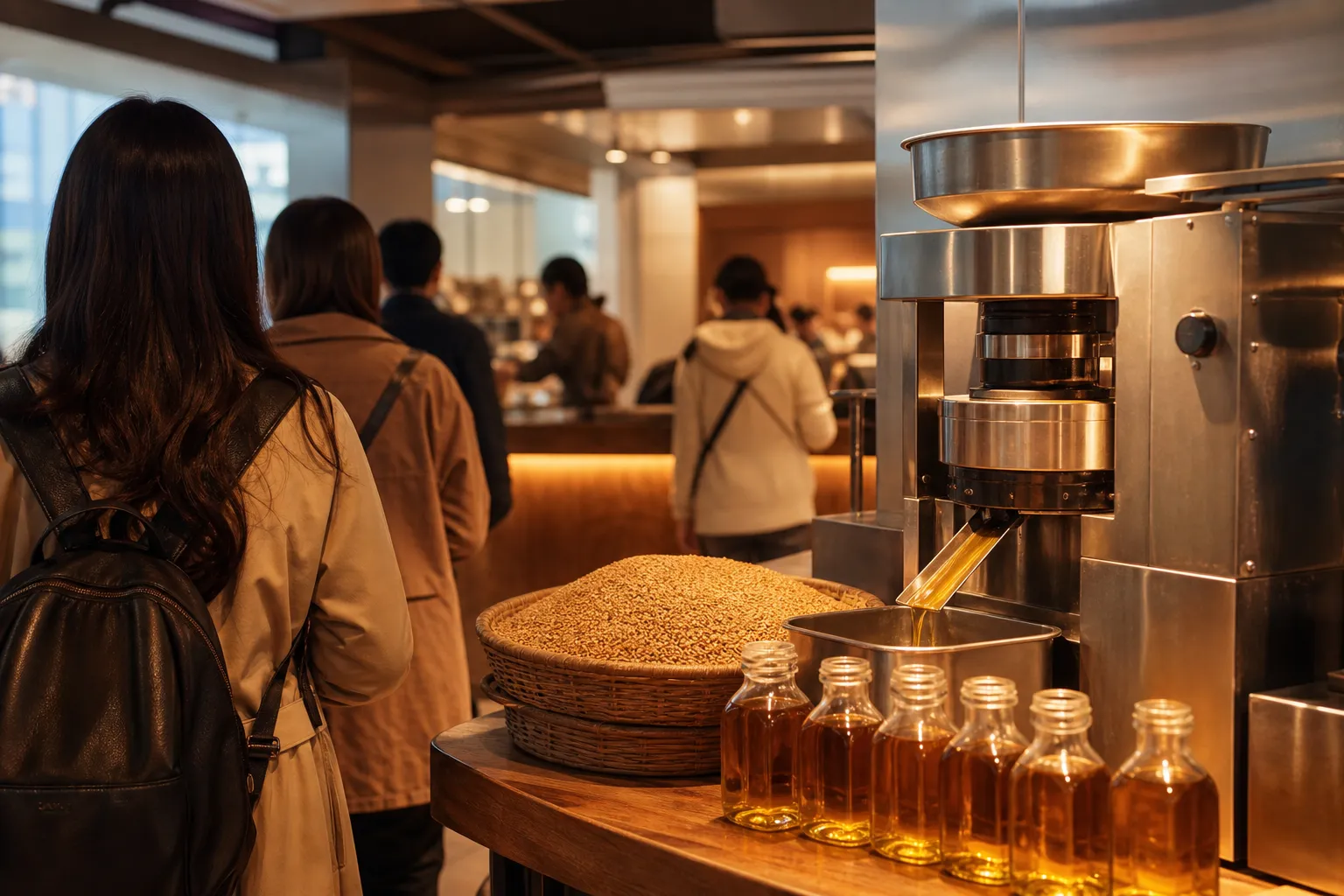
Sesame oil mill tours are becoming one of the more unexpected food-culture stops in Korea, especially for travelers curious about what makes Korean sesame oil feel different from the bottle on a supermarket shelf. Instead of only shopping for cosmetics in Myeongdong or packaged foods at large marts, some Japanese visitors are now adding traditional market mills to their Seoul itineraries, looking for freshly pressed sesame oil and perilla oil with a stronger aroma and cleaner finish.1
This trend sits neatly inside the wider interest in Korean mill tours, but the heart of the story is very specific: small market mills, glass bottles, same-day pressing, and the kind of fragrant oil that can turn a simple bowl of rice, gimbap, or bibimbap into something memorable.
Why Sesame Oil Mills Became a Travel Stop
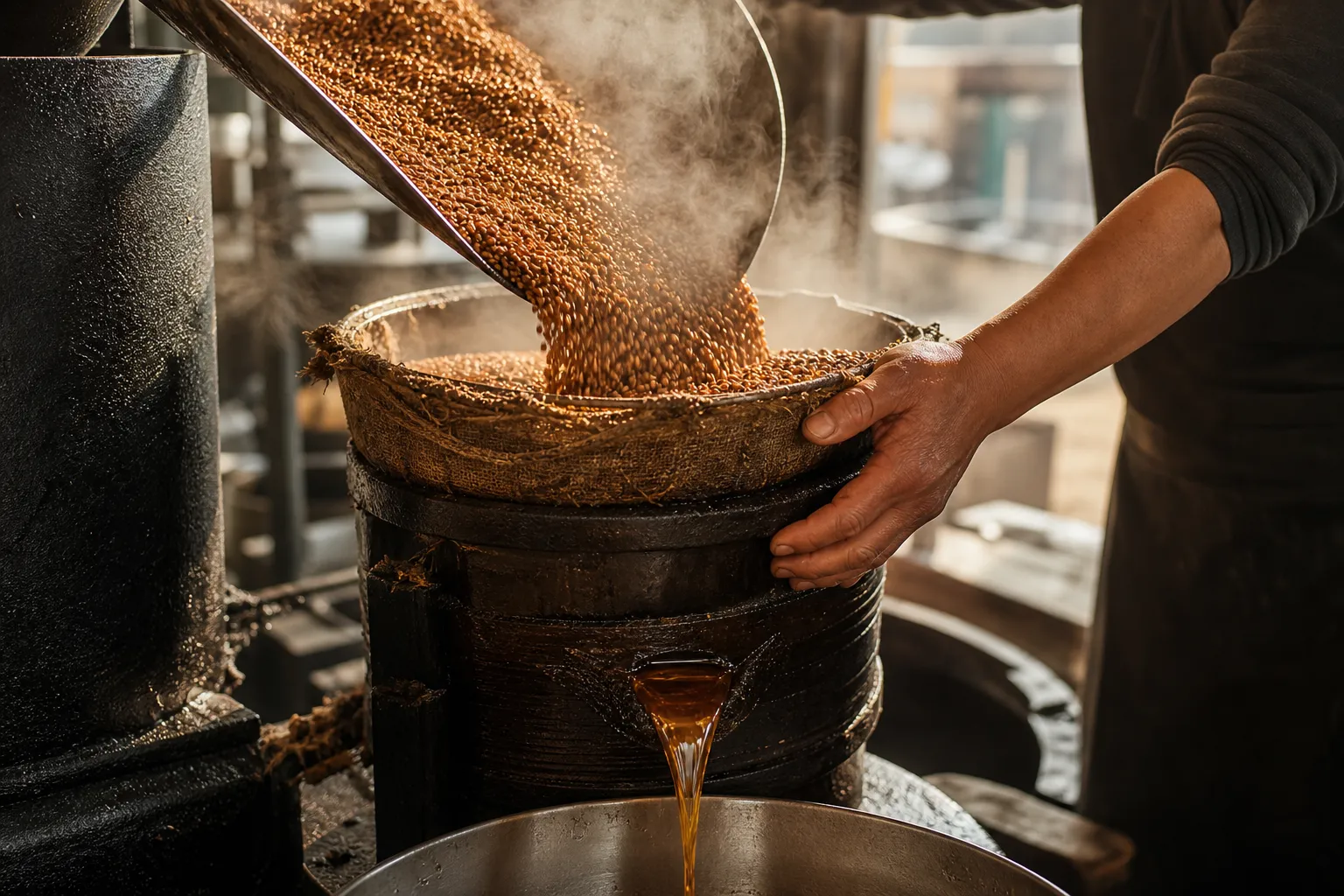
A Korean bangatgan, or traditional mill, is not a polished museum experience by default. It is usually a working neighborhood shop where ingredients are roasted, pressed, bottled, and sold. That practical, everyday quality is exactly why it has started to feel appealing as a travel stop. Visitors are not just buying a souvenir; they are seeing a piece of food culture that Koreans have long treated as part of home cooking.
ChannelA reported on Japanese tourists visiting traditional market mills to buy freshly pressed sesame oil and perilla oil, noting that the featured mill had hired additional Japanese-speaking staff as Japanese visitor numbers increased.2 The same report pointed to several traits behind the appeal: oil pressed on the day of sale, glass-bottle packaging, a deep aroma, and a clean taste.2
The sensory pull comes through clearly in the short visitor comments included in the report. Japanese tourists Yuko and Akemi said, “The aroma is completely different,” while another visitor, Yuka, said the aftertaste was clean.2 Those are simple comments, but they capture why the product travels well through word of mouth: sesame oil is familiar, yet the fresh market-mill version can feel noticeably more vivid.
There is also a practical shopping angle. WomanSense described a shift in Japanese tourist shopping routes, saying that attention has expanded from Myeongdong cosmetics stores and major supermarkets to traditional market mills in Seoul.1 The article also noted that Japanese TV programs and YouTube content have featured visits to Korean premium sesame oil shops and traditional market mills, while social media posts showing Korean-travel sesame oil purchases have spread.1
What Visitors Are Looking For
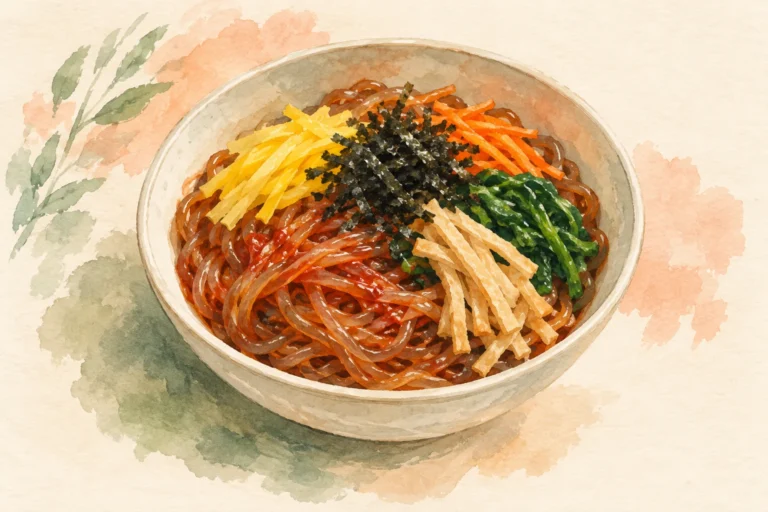
For many travelers, the attraction is freshness. The available reports emphasize same-day pressing, fragrance, clean flavor, and packaging in glass bottles rather than plastic.2 That matters because sesame oil is not just a background ingredient in Korean food. It is often the finishing note in dishes such as bibimbap and gimbap, where a small amount can change the whole aroma of the dish.
The mill itself also adds context. Den Magazine described Seoul traditional market mills as places that are drawing attention beyond their original role as shops for sesame oil and perilla oil, becoming part of travel routes.3 Its search-result summary highlights Bando Sanghoe in Gyeongdong Market, described as a shop that has pressed sesame oil for 50 years and recently expanded through remodeling.3 The same source mentions differentiated products rarely seen at ordinary mills, including sesame oil for babies.3
That mix of old and new helps explain the charm. A working mill can still be rooted in decades of market life, while also adjusting to new visitors, new packaging expectations, and more specialized products. For travelers, it offers something different from a standard souvenir aisle: a purchase connected to a place, a smell, and a process.
One striking business detail also shows how concentrated the visitor demand can be. In ChannelA’s report, mill owner Kim Won-ho said, “Japanese customers account for 98% of retail sales.”2 That figure comes from one reported shop owner’s interview, so it should not be read as a nationwide statistic. Still, it gives a clear sense of how strongly Japanese tourism has shaped at least some retail-facing sesame oil mill sales.
The Bigger K-Food Context
The travel trend is happening alongside a measurable rise in Korean sesame oil exports. Hankyung, citing Korea Customs Service figures, reported that from January to April 2026, sesame oil exports reached $6.14 million, up 37.0% from the same period a year earlier. Export volume reached 657 tons, up 47.6%, marking a record high for the January-April period.4
Yonhap also reported that both export value and volume for Korean sesame oil reached record highs for the same January-April period in 2026. By country, the United States accounted for 41.7% of total exports, followed by Canada, Taiwan, Australia, and the Netherlands.5 Korea Customs Service connected the growth to rising demand for health-oriented foods and the popularity of K-food.5
North America is part of that story as well. ChosunBiz reported that Korean sesame oil exports to the United States reached $2.6 million from January to April 2026, up 170.8% year on year, while exports to Canada reached $600,000, up 249%.6 The article linked this to growing demand not only for finished Korean foods but also for cooking ingredients used at home.6
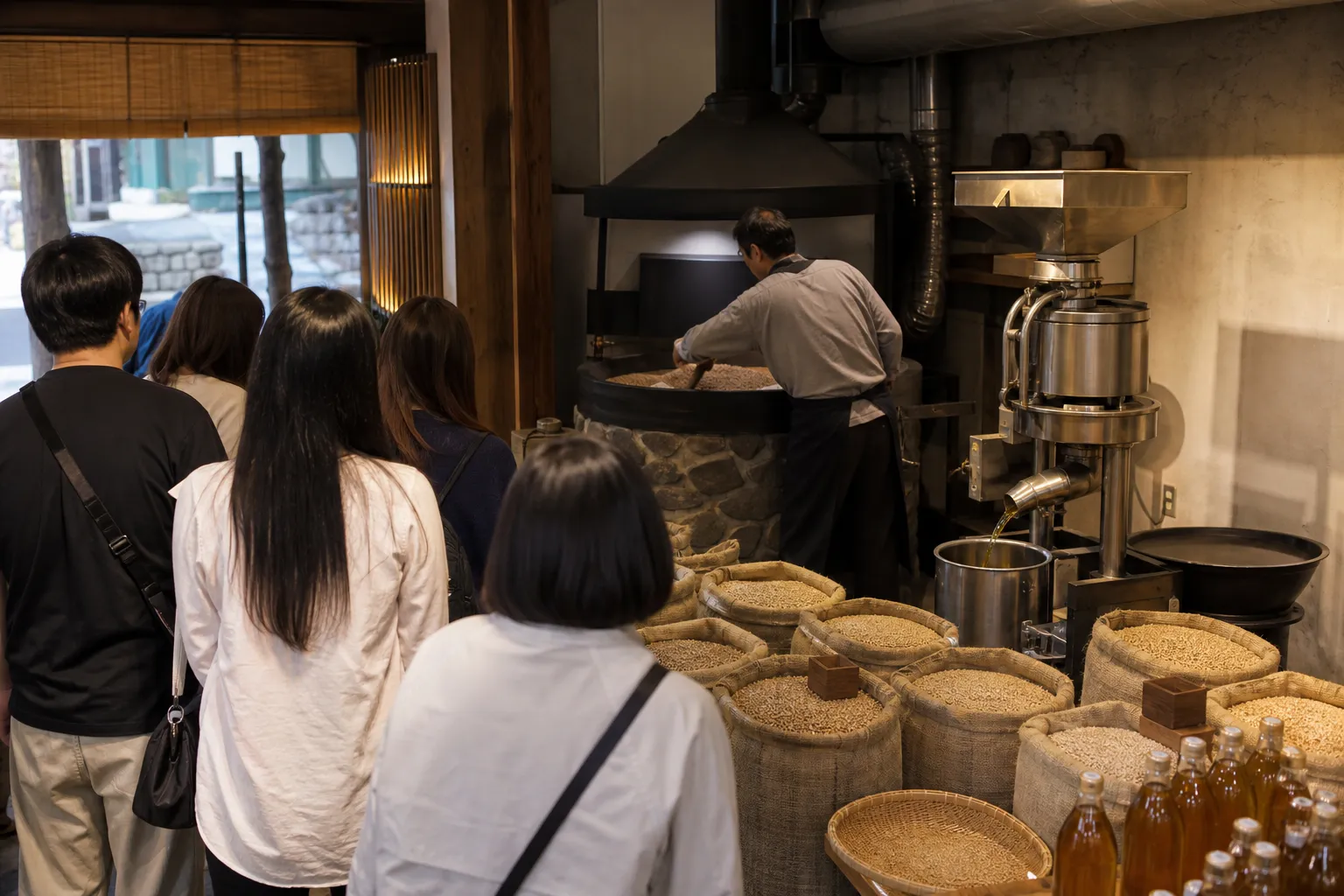
For travelers, that broader export growth adds useful context without taking away the charm of the market visit. Korean sesame oil is becoming more visible overseas, but a mill tour offers a more direct way to understand why people care about it: the roasted scent, the fresh press, the glass bottle, and the feeling that a humble pantry ingredient can carry a lot of culture.
Sesame oil mill tours are not just about buying a bottle; they are about noticing how everyday Korean cooking traditions are becoming part of travel, shopping, and the global K-food conversation.
References
- [트렌드 리포트] 화장품 대신 ‘소주병 참기름’…K-방앗간 투어 (우먼센스 via Daum, 2026-05-21)
- 日 관광객 홀린 ‘K-참기름’…방앗간 찾는다 (채널A, 2026-05-12)
- 서울 시장 방앗간이 요즘 핫한 이유 (덴 매거진)
- "日 주부도 '차원달라 병' 걸려"…한국 참기름 '93억' 터졌다 (한국경제, 2026-06-02)
- K-푸드 열풍 타고 참기름 수출 고공행진…1∼4월 역대 최대치 (연합뉴스, 2026-06-02)
- 김밥·비빔밥 인기에 북미 식탁 파고드는 한국 참기름 (조선비즈, 2026-06-19)
About the Author