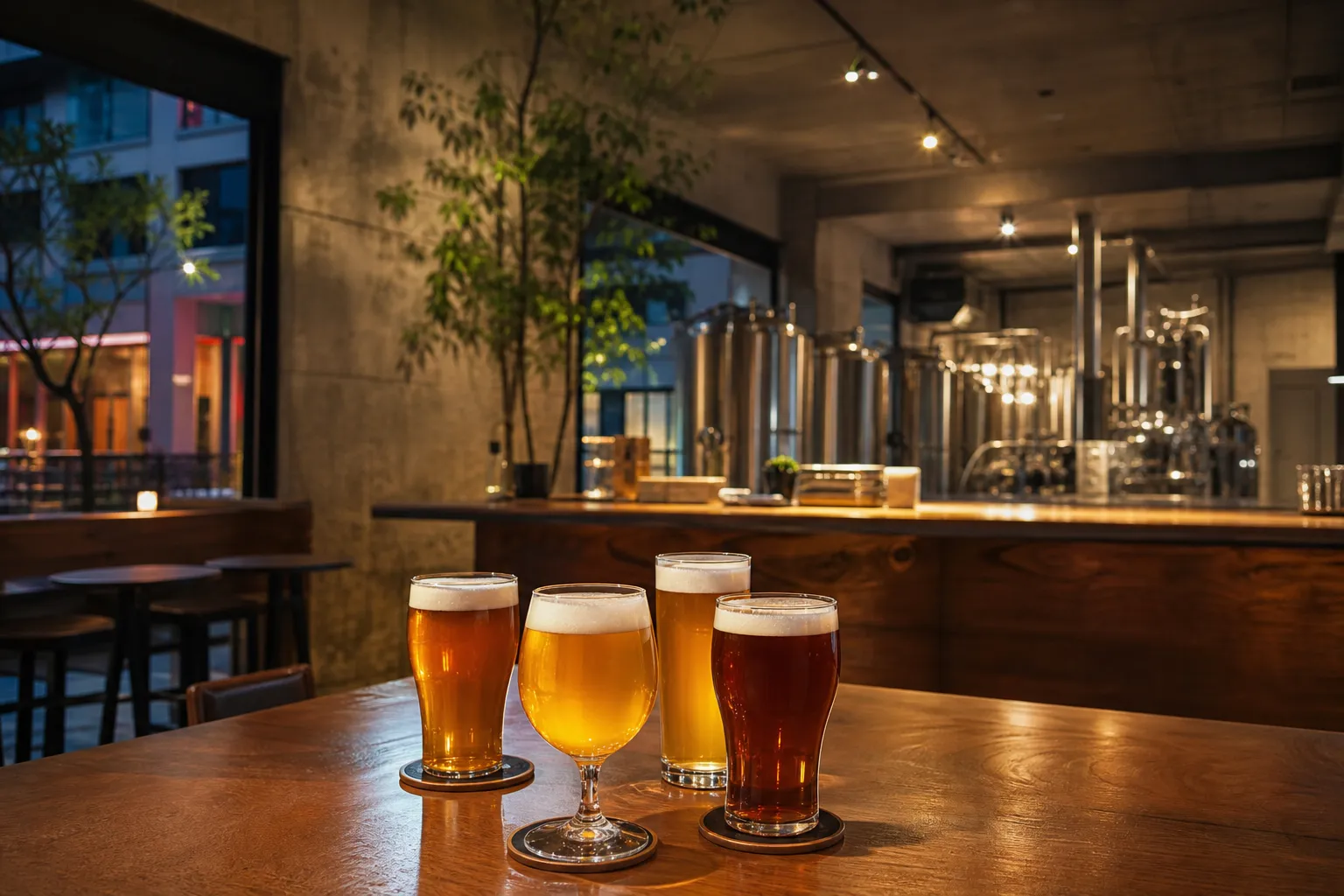
Seongsu Craft Beer is often discussed through a Brooklyn-like lens: industrial texture, creative reuse, food culture, and a taste for independent brands. The available sources do not confirm a Brooklyn Brewery taproom in Seongsu-dong, but they do show why the comparison matters: Brooklyn Brewery’s Korea ambitions, Seongsu’s own brewery culture, and the harder business climate now facing Korean craft beer.
Seongsu Craft Beer and the Brooklyn Comparison
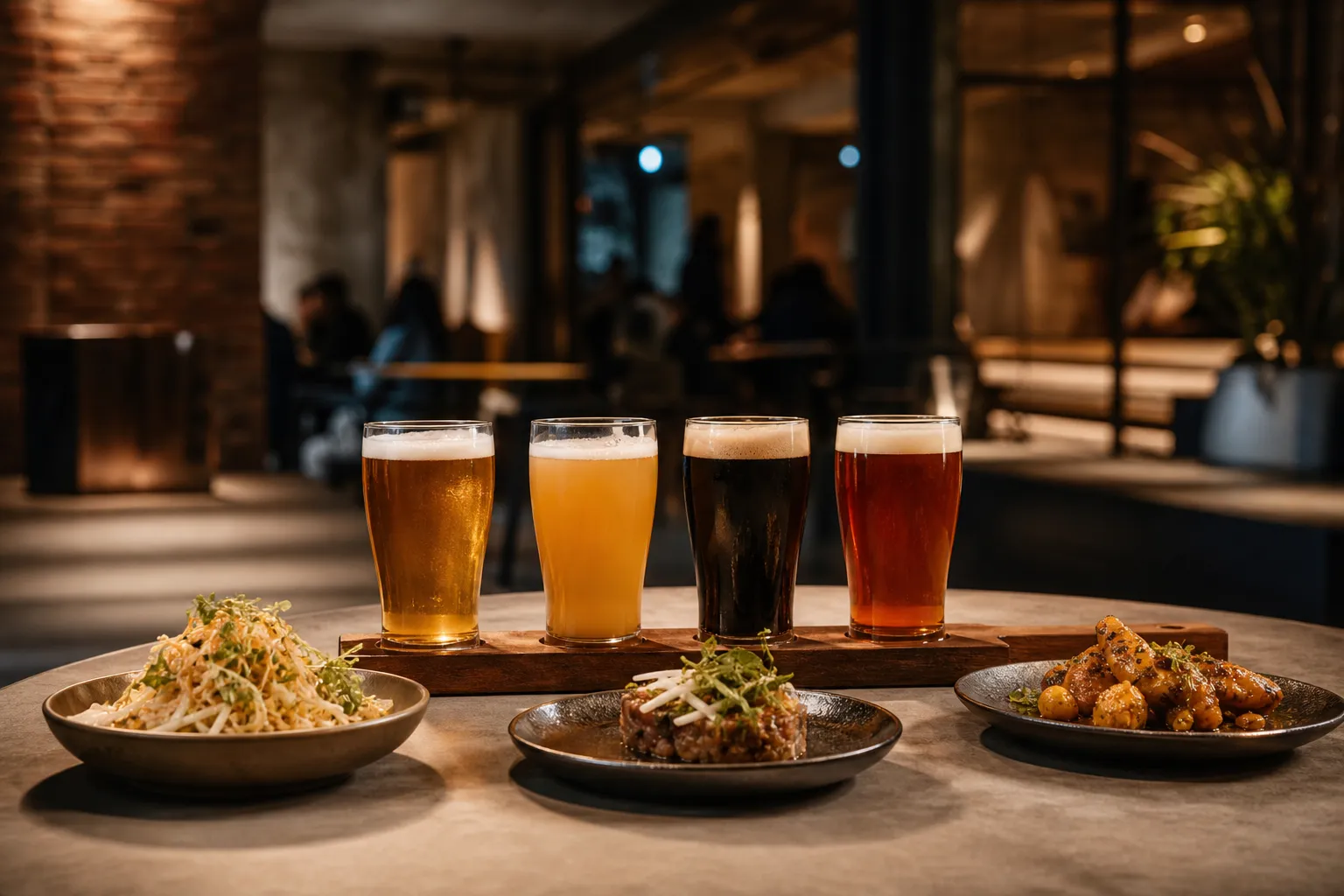
Brooklyn Brewery’s original home is Williamsburg, New York, where the brand presents itself as the home of Brooklyn Lager since 1988 and operates a tasting room with draft beer, tours, and live events at 79 N. 11th St., Brooklyn.1 That gives the Seongsu comparison a useful starting point. It is not just about beer as a drink, but beer as part of a neighborhood experience: tasting rooms, events, local identity, and cultural programming.
Brooklyn Brewery also has a documented connection to Korea. In 2016, Yonhap reported that the American craft beer company planned to enter the Korean market by establishing brewing facilities on Jeju Island. The plan included localizing production, distribution, and new brand development, while also working with Korean chefs to spread a beer-and-food culture.2 That matters because it frames Korea not as a simple export market, but as a place where craft beer could develop its own local expression.
One direct comment from that 2016 moment captures the tone. Brooklyn Brewery founding member Steve Hindy said Korea had seen a craft beer boom since 2010, but compared with the United States, Western Europe, and Japan, he viewed the market as still being in an early stage.2 Read from 2026, that quote feels especially layered. It points to the optimism of the period, but it also leaves room for the growing pains that followed.
What Seongsu’s Brewery Scene Actually Shows
Seongsu-dong’s source-backed craft beer story is not simply a Brooklyn Brewery story. It is more accurately a local brewery and culture-space story. Seoul Brewery Seongsu, for example, is described on the brand’s official website as a complex cultural space on Yeonmujang-gil that combines a cafe, brewpub, culture hall, and brewery. The official page also says the venue can host pop-ups, events, workshops, corporate rentals, and catering with its own craft beer, other drinks, and food.3
That kind of venue fits Seongsu’s broader appeal. Visitors do not only look for a pint; they often look for a place where design, food, events, and neighborhood energy overlap. A brewpub inside a multi-use building can function differently from a simple bar. It can be a casual stop, a launch venue, a brand collaboration space, or part of a longer walk through the area.
Seoul Brewery’s Seongsu presence also has a scale story. A 2025 Hankyung article described the company as releasing new beers every week and presenting collaborations with regional breweries, seasonal fruit beers, and artist collaboration beers. The same article said Seoul Brewery’s six-story “vertical brewery,” opened in Seongsu-dong in 2023, is a core base for the brand and was described as the largest brewery in Seoul.4
For readers trying to understand Seongsu Craft Beer, this is the key shift: the neighborhood is not defined by one imported name. It is defined by the way breweries, food, pop-ups, and cultural events can sit inside the same urban rhythm. Brooklyn is a helpful reference point, but Seongsu’s beer culture is built through its own venues and Korean market conditions.
The Reality Behind the Craft Beer Mood
The story is not all easy momentum. Korean craft beer has faced visible business pressure, and Seongsu is part of that picture too. Newsis reported that the Seoul Rehabilitation Court declared Amazing Brewing Company bankrupt on April 21, 2026. The company was founded in 2016, operated brewpubs and its own brewing facilities centered on Seongsu-dong, applied for corporate rehabilitation the previous year, and could not find an acquirer.5
A May 14, 2026 report republished on Daum also used Amazing Brewing Company’s bankruptcy as one example of difficulties in the domestic craft beer industry. The same report mentioned other stress cases, including Busan-based Wild Wave’s bankruptcy filing, Sevenbrau Beer’s rehabilitation process, and Y Brewery’s rehabilitation process.6 These details do not erase the appeal of Seongsu’s craft beer scene, but they do make it more realistic.
For anyone browsing Seongsu with craft beer in mind, that contrast is worth remembering. On one side, there is the inviting neighborhood image: creative streets, brewery spaces, collaborations, and a taste culture that pairs beer with events and food. On the other side, there is a market where even early and visible craft beer companies have struggled to keep operating.
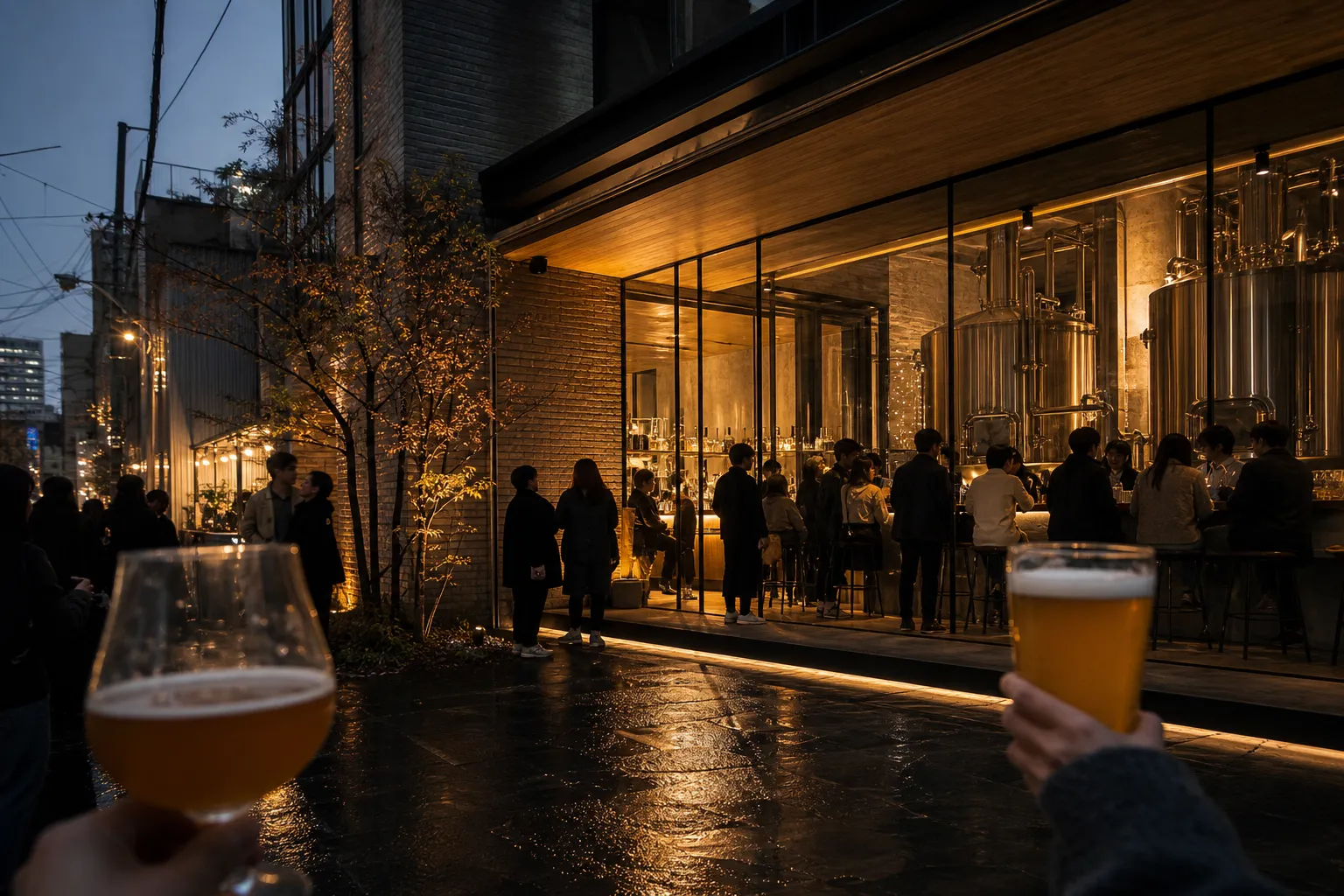
The most useful way to understand Seongsu Craft Beer in 2026 is to hold both truths together. Brooklyn Brewery gives the conversation an international reference point, while Seoul Brewery Seongsu and Amazing Brewing Company show the local texture: ambition, experimentation, culture-building, and real commercial risk. Seongsu’s craft beer identity is strongest when seen not as a copy of Brooklyn, but as a Korean neighborhood scene still being shaped by the breweries, venues, and drinkers around it.
References
- Brooklyn Brewery | Craft Beer & Tours — Williamsburg, NYC (Brooklyn Brewery official website)
- 美수제맥주 '브루클린 브루어리' 국내진출…제주에 생산시설 (연합뉴스, 2016-05-24)
- 서울브루어리 성수 (서울브루어리 공식 웹사이트)
- 수제맥주가 우리 시대의 전통주가 되는 날까지… 서울브루어리 (한국경제, 2025-12-24)
- K-수제맥주 1세대 '어메이징브루잉컴퍼니' 결국 파산 (뉴시스, 2026-04-21)
- 수제맥주의 몰락…대형 플랫폼 진출 오히려 독 됐다 (Daum / 언론 보도 재게시, 2026-05-14)
About the Author