The Korean sober curious movement is no longer a quiet lifestyle preference. It is becoming a visible consumer shift, led by younger drinkers who want the taste, ritual, and social ease of beer without necessarily wanting alcohol. Across Korea, demand for non-alcoholic and alcohol-free beer is rising among people in their 20s and 30s, women consumers, runners, and health-conscious drinkers who want lower-calorie choices that fit into everyday routines.
The Korean sober curious shift is moving into the mainstream
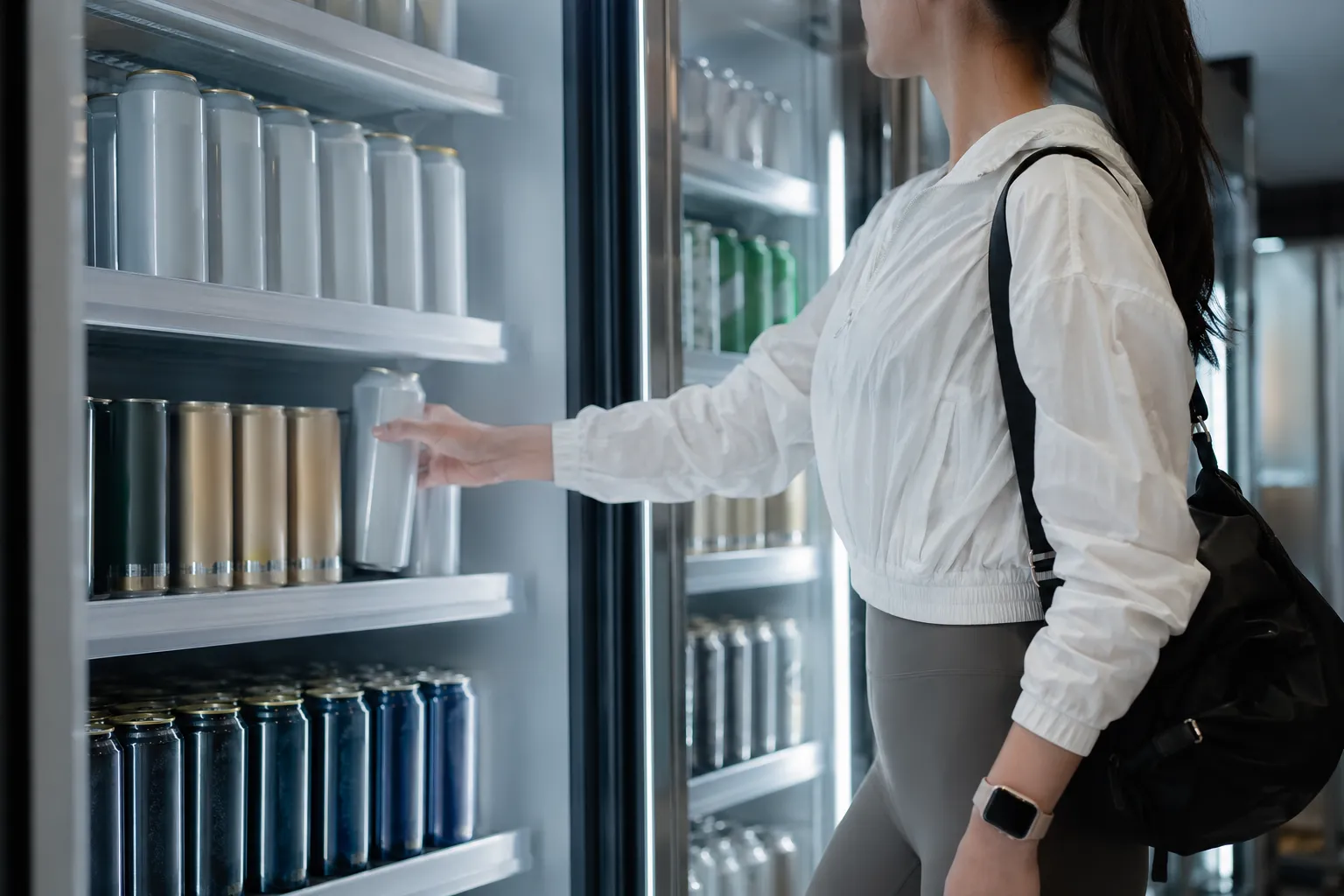
The clearest sign of change is scale. Korea’s non-alcoholic and low-alcohol beer market grew from about 20 billion won in 2021 to roughly 200 billion won in 2025. That tenfold expansion shows that this is not simply a short-lived novelty. It reflects a broader change in how younger consumers approach drinking, health, and social life.
Restaurants are also adapting quickly. By the end of 2025, about 55,000 restaurants were selling non-alcoholic beer, up from about 32,000 the previous year. That represents an increase of more than 70 percent in just one year. Availability matters: when a non-alcoholic beer appears on a restaurant menu, it becomes easier for people to participate in meals, gatherings, and after-work settings without choosing intoxication.
Retail sales point in the same direction. At CU, sales of non-alcoholic beer rose 10.3 percent in 2023, 21.8 percent in 2024, and 13.5 percent in 2025. GS25 also reported a sharp rise, with non-alcoholic beer sales from June to August 2025 increasing 40.8 percent compared with the same period a year earlier. These figures show that convenience stores have become an important channel for the sober curious habit, especially for consumers who want a casual, easy purchase rather than a special occasion product.
The age profile is also distinct. In the first half of 2025, people in their 20s and 30s accounted for 44 percent of non-alcoholic beer buyers at E-Mart. By comparison, the same age group made up 29 percent of general alcoholic beverage buyers. That gap suggests younger consumers are not simply buying the same drinks as older groups in smaller quantities. They are showing a stronger preference for a different category altogether.
Fitness, low calories, and the new post-run beer
One of the most notable features of Korea’s non-alcoholic beer boom is its connection to health management and fitness culture. The product is increasingly framed not just as an alcohol substitute, but as a drink that can fit after exercise, including running. The appeal is straightforward: consumers can enjoy a beer-like flavor while avoiding alcohol and, in many cases, reducing calorie concerns.
This positioning speaks directly to the “healthy pleasure” mindset among younger consumers. The trend does not necessarily reject enjoyment. Instead, it combines pleasure with control. A beer-like drink after a run, or alongside food, can still feel social and satisfying while aligning with a lifestyle that values wellness, body management, and clear-headed routines.
Women consumers and people in their 20s and 30s are especially visible in this shift. Demand has grown around low-calorie and non-alcoholic beer options among these groups, showing that the category is tied to both health management and changing expectations around drinking. The phrase “I do not want to get drunk” captures the practical attitude behind much of the movement: the consumer may still want flavor, refreshment, or social participation, but not the aftereffects of alcohol.
The market response has been direct. OB Beer’s Cass All Zero has been one example in the category. HiteJinro Beverage has revised products and added new options, while Lotte Chilsung has promoted Kloud Non-Alcoholic. The competition is not only about removing alcohol. It is about making non-alcoholic beer feel credible, enjoyable, and convenient enough to choose on purpose.
Brands are racing to define the category
New launches in 2026 show how aggressively companies are positioning around this sober curious demand. Carlsberg introduced Carlsberg 0.0 in Korea as a 0.0 percent alcohol pilsner-style product aimed at the domestic non-alcoholic beer market. The product was planned as an option that can be enjoyed without burden after exercise or running, with sales beginning through online distribution channels before expanding into offline stores.
HiteJinro Beverage also launched Terra Zero, a non-alcoholic beer-flavored drink. The company described rising demand among MZ consumers who seek both health management and an enjoyable drinking culture. Terra Zero uses malt extract to create beer flavor while reducing the burden of its ingredients, placing it within the broader movement toward lighter, more controlled drinking experiences.
The category is also moving beyond the beer aisle. Dunkin collaborated with HiteJinro Beverage to launch Hite Zero Alcohol Coolatta, a reinterpretation of Hite Zero 0.00 as a Coolatta-style drink. The beverage was introduced as an adult non-alcoholic drink with 0.00 percent alcohol, reflecting the spread of sober trends among younger consumers. This kind of collaboration shows that non-alcoholic beer is becoming a flavor and lifestyle signal, not only a beverage format.
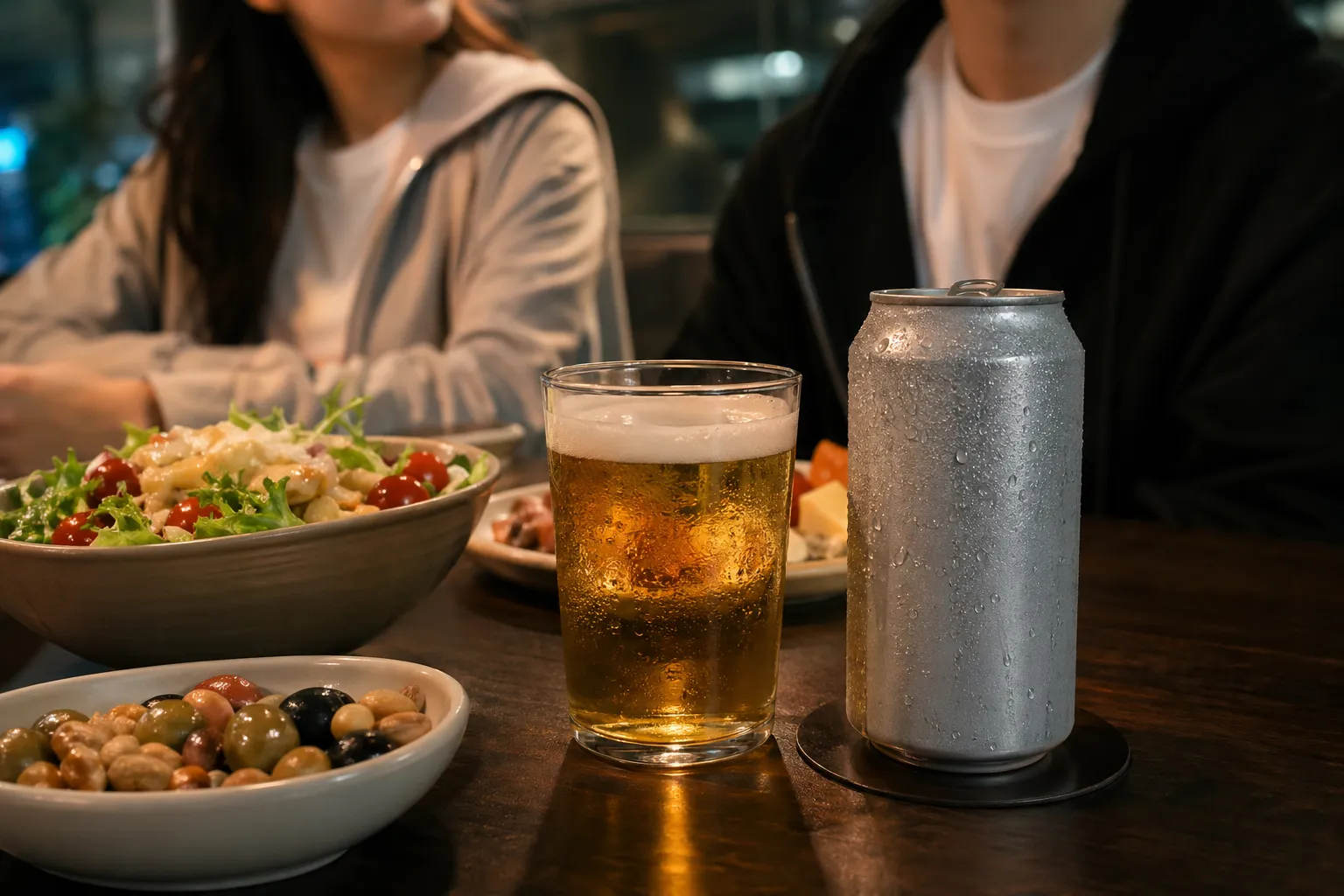
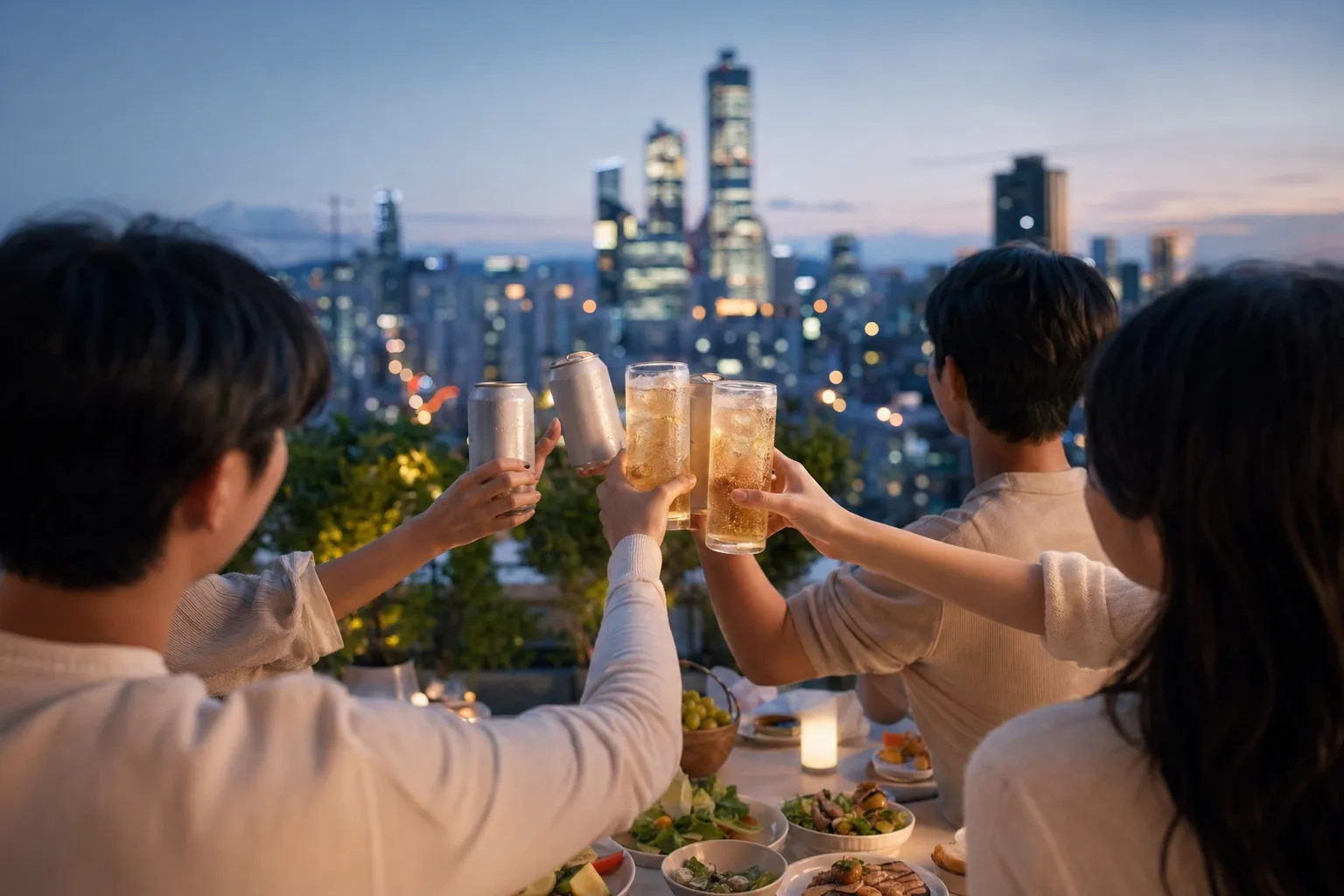
The Korean sober curious trend is therefore both cultural and commercial. Younger consumers are changing the meaning of drinking by separating beer flavor from intoxication, and companies are responding with more products, more restaurant availability, and more retail visibility. The result is a drinking culture where choosing not to get drunk is no longer treated as an exception, but as a mainstream option.
About the Author