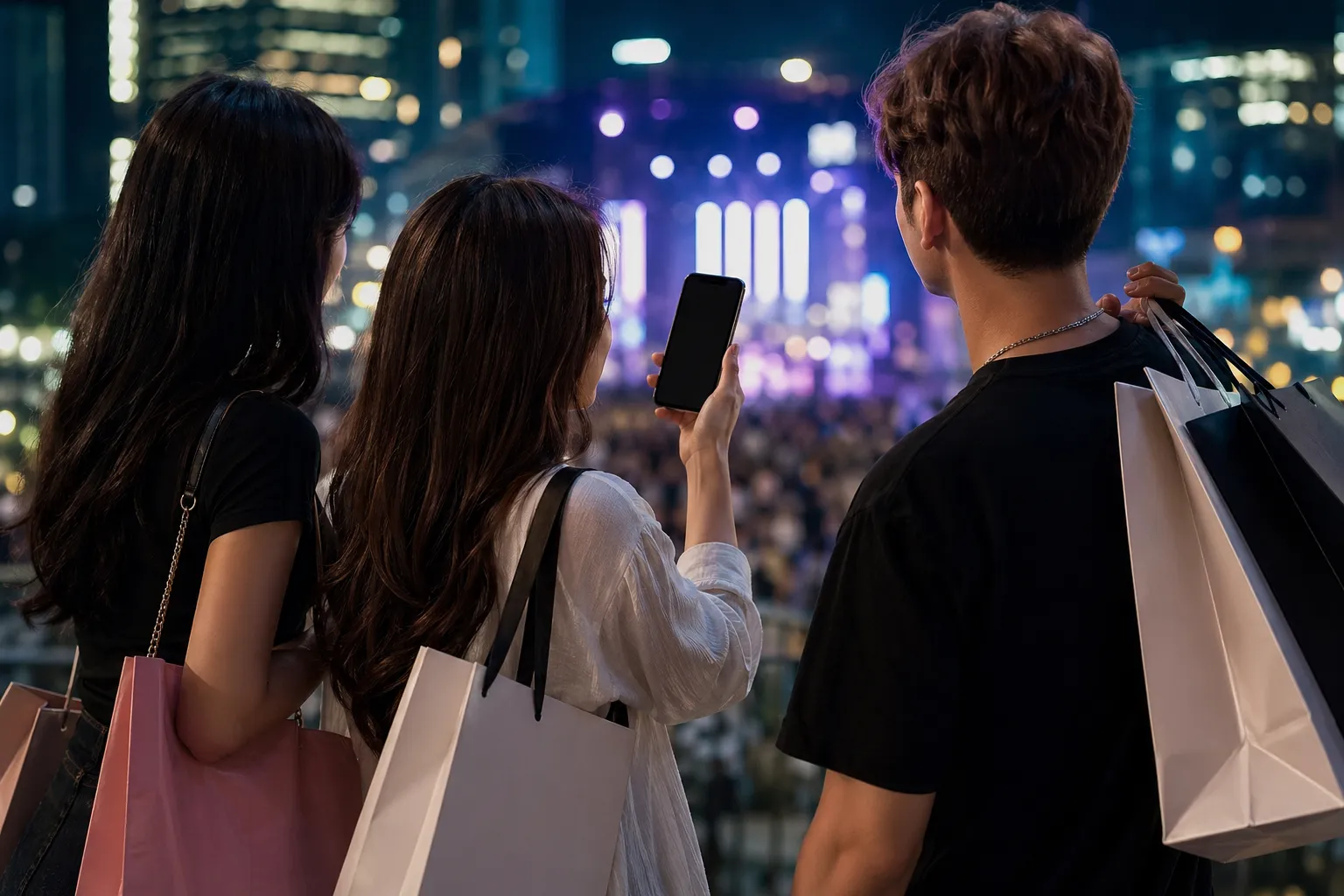
K-Culture Tourism is no longer only about watching Korean dramas, films, or K-pop from abroad. Airbnb’s “K-Culture and Korea Travel” survey, released at a press briefing in Seongdong-gu, Seoul on April 28, 2026, found that travelers motivated by K-culture spent an average of $435 more per person than general travelers, making fan-driven travel a measurable spending force in Korea’s inbound tourism market.1
The survey covered 4,500 travelers from nine countries and points to a clear practical takeaway for visitors, tourism businesses, and regional destinations: K-culture interest is turning into longer stays, higher spending, and demand for more cultural experiences beyond standard sightseeing.1
What the $435 Spending Gap Means
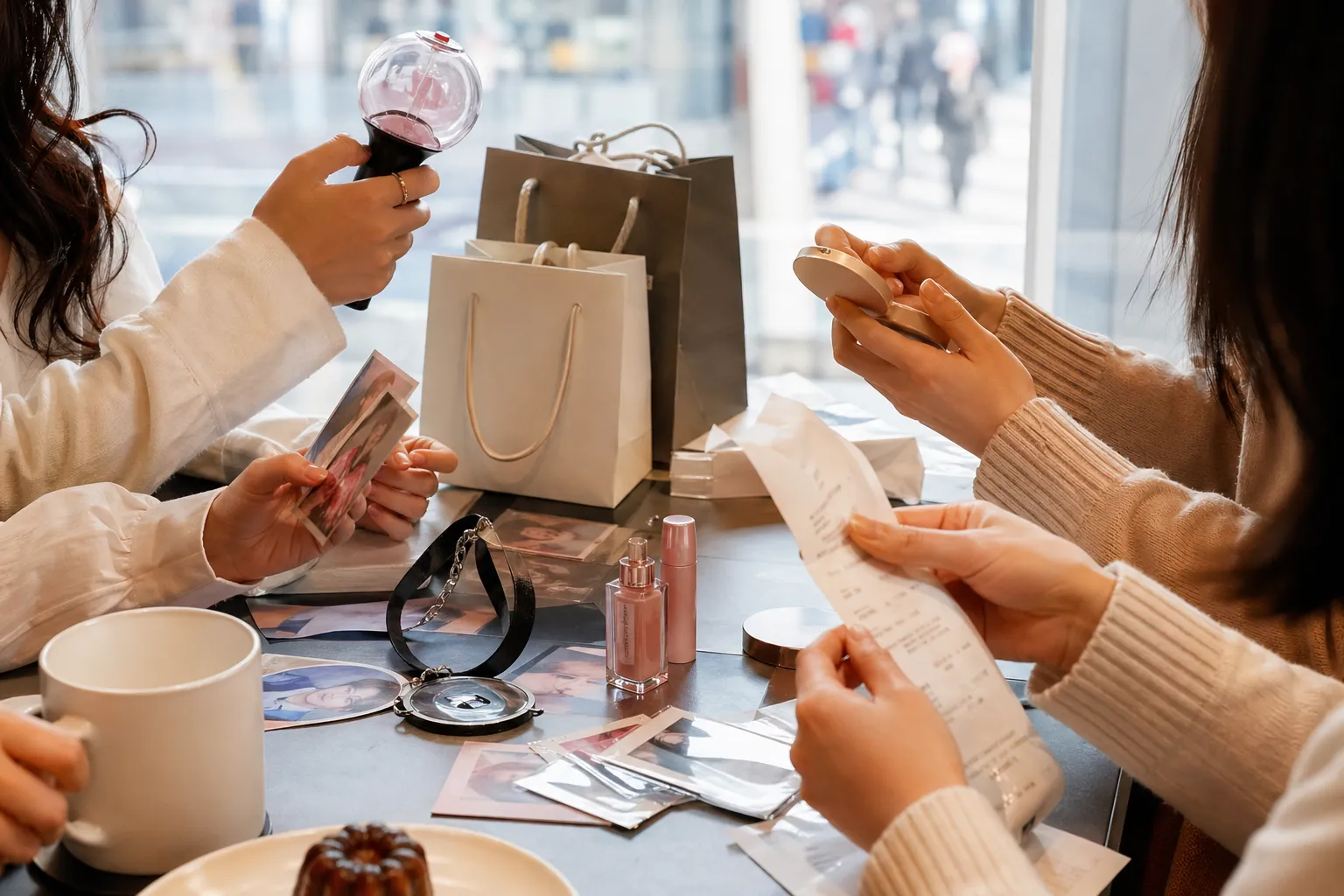
The most important number is the $435 difference. Travelers visiting Korea for K-culture experiences spent that much more per person on average than ordinary travelers, based on the Airbnb survey reported on April 28, 2026.1 The same research found that 75% of respondents identified K-culture as a core reason for visiting Korea, while 94% said K-culture affected their interest in traveling to Korea.1
For readers planning a trip, this means K-culture travel often carries costs beyond basic flights and lodging. Spending may be tied to longer itineraries, cultural activities, merchandise, food, local transportation, and group travel. For tourism operators, the number signals that K-culture visitors are not a niche audience to treat as casual fans; they are a high-intent visitor group willing to spend when the experience feels connected to the culture they came to explore.
The Asia Business Daily’s English-language report described the same survey as evidence that K-culture has moved beyond content consumption and is now driving real tourism demand. It also reported the same $435 higher spending figure and noted that 88% of K-culture-influenced travelers stayed three nights or longer.2
A short quote from Sharon Chan at the briefing captures the business implication: K-culture is “a powerful driver bringing travelers from around the world to Korea.”1 Another reported comment from the same briefing emphasized that these travelers “stay longer, spend more, and want deeper cultural experiences.”3
How K-Culture Visitors Plan Their Trips
The survey details make the travel pattern more useful than the headline number alone. Digital Chosun Ilbo reported that 88% of K-culture-motivated travelers stayed at least three nights, and 68% traveled with family or friends.3 That matters because group travel changes what visitors need: larger accommodation options, easier transport planning, flexible check-in, and experiences that work for more than one person at a time.
Trip planning is also being shaped by Korean dramas and films. The same report said 74% of respondents became interested in visiting regions outside Seoul after watching dramas and movies, but actual behavior still leaned heavily toward the capital: 66% of visitors spent most of their itinerary in Seoul.3
For travelers, the practical lesson is to decide early whether the trip is Seoul-focused or whether it includes regional stops inspired by screen locations, music events, food, or heritage sites. Seoul may remain the easiest base for first-time visitors, but the data shows interest in regional Korea already exists. The gap is not demand; it is whether visitors can find bookable, convenient options outside the capital.
Accommodation appears to be a major deciding factor. Among potential travelers, 83% said lodging options outside Seoul would have an important influence on booking decisions.3 The Asia Business Daily also reported that 83% of potential travelers viewed non-Seoul accommodation choices as an important booking factor.2 For anyone building travel products around K-culture, this points to a basic but important priority: regional experiences need nearby places to stay, not only attractive itineraries.
What Travelers and Local Operators Should Do Next
For travelers, the best approach is to treat K-culture as the organizing theme, then build the itinerary around time, location, and booking reality. If the goal is a K-pop event, a drama-related location, a food route, or a traditional culture experience, check whether the activity requires advance booking and whether the surrounding area has suitable lodging. The available source material does not provide a universal booking calendar or ticketing rule, so the safest planning habit is to confirm each activity directly with its official booking channel.
For regional destinations, the survey suggests that marketing alone will not be enough. Visitors may be interested in non-Seoul locations because of dramas and films, but the actual itinerary still concentrates in Seoul.3 Regions that want to convert interest into overnight stays need clear transport information, lodging availability, and experiences that connect naturally to the K-culture reason visitors already understand.
Korea’s broader inbound tourism numbers show why this matters now. Newsis reported that the Ministry of Culture, Sports and Tourism, citing Korea Tourism Organization statistics, said foreign tourist arrivals reached 4,759,471 in the first quarter of 2026, the highest first-quarter figure on record and 23.0% higher than 3,870,247 in the same period a year earlier.4 The same report said arrivals through regional airports rose 49.7% to more than 850,000, while the regional visit rate among foreign tourists reached 34.5%, up 3.2 percentage points from the previous year.4
There is also public-sector support for tourism ventures linked to this trend. Newsis reported that the Ministry of Culture, Sports and Tourism and the Korea Tourism Organization selected 100 preliminary, early-stage, and growth-stage tourism ventures through the 17th Tourism Venture Business Contest, including services that connect K-pop voice-based fan content, K-culture fan travel intent, and K-pop performance mobility. Selected companies can receive up to 100 million won in commercialization support, along with consulting, investment attraction, and sales-channel assistance.5

Quick FAQ
How much more do K-culture tourists spend in Korea?
Airbnb’s survey found that travelers visiting for K-culture experiences spent an average of $435 more per person than general travelers.1 The figure was reported from a survey of 4,500 travelers from nine countries released on April 28, 2026.1
Are K-culture tourists only visiting Seoul?
Not only, but Seoul still dominates actual itineraries. Digital Chosun Ilbo reported that 74% of respondents became interested in regions outside Seoul through dramas and films, while 66% of actual visitors spent most of their schedule in Seoul.3 The main lesson from the 2026 survey is practical: K-culture travelers are already motivated, already spending more, and already interested in going beyond the capital, but the next stage of growth depends on making cultural experiences easier to book, easier to reach, and easier to pair with suitable accommodation.
References
- 방한 외국인 75% "K-컬처 때문에 왔다"…1인당 지출액도 더 많아 (연합뉴스, 2026-04-28)
- K-Culture Draws Foreign Tourists to Korea… They Spent $435 More Per Person (The Asia Business Daily, 2026-04-28)
- 에어비앤비 “K-컬처 여행 완성의 열쇠는 숙박 인프라” (디지틀조선일보, 2026-04-28)
- K-컬처의 힘 통했다…1분기 방한객 476만명 ‘사상 최대’ (뉴시스, 2026-04-16)
- ‘외래관광객 3000만 시대’ 앞당긴다…관광벤처 100개 선정 (뉴시스, 2026-04-22)
About the Author