
Heo Hwang-ok Joint Film Proposal Sparks Korea-India Cultural Collaboration

Indian Prime Minister Narendra Modi proposed to President Lee Jae‑myung during the expanded Korea‑India summit in New Delhi’s Hyderabad House on 20 May that the two countries jointly produce a film about Heo Hwang-ok, the princess of Ayuta who, according to the Samguk Yusa, sailed to the Korean peninsula in 48 AD and married King Suro of Geumgwan Gaya. The proposal, made without prior working‑level consultation, was met with a positive response from the Korean president. Culture Minister Choi Ho‑young attended the meeting.
Our investigation found that the leaders’ conversation also highlighted the historical link between the Gaya kingdom and ancient India, noting that Heo Hwang-ok became the ancestress of the Gimhae Heo clan and that Gimhae city and Ayodhya have long maintained a sister‑city relationship as a symbol of Korea‑India exchange.
Following the summit, the two governments signed a memorandum of understanding on cultural creative industries. The joint press statement included a commitment to enhance film‑sector cooperation through joint production, training exchanges, and technology sharing in animation and visual effects. Ministry of Culture officials accompanied the president on his India visit to oversee the practical steps.
A senior Culture Ministry official said the Heo Hwang-ok film idea emerged spontaneously from the leaders’ dialogue and that the project is now at the review stage, with no concrete details finalized yet.
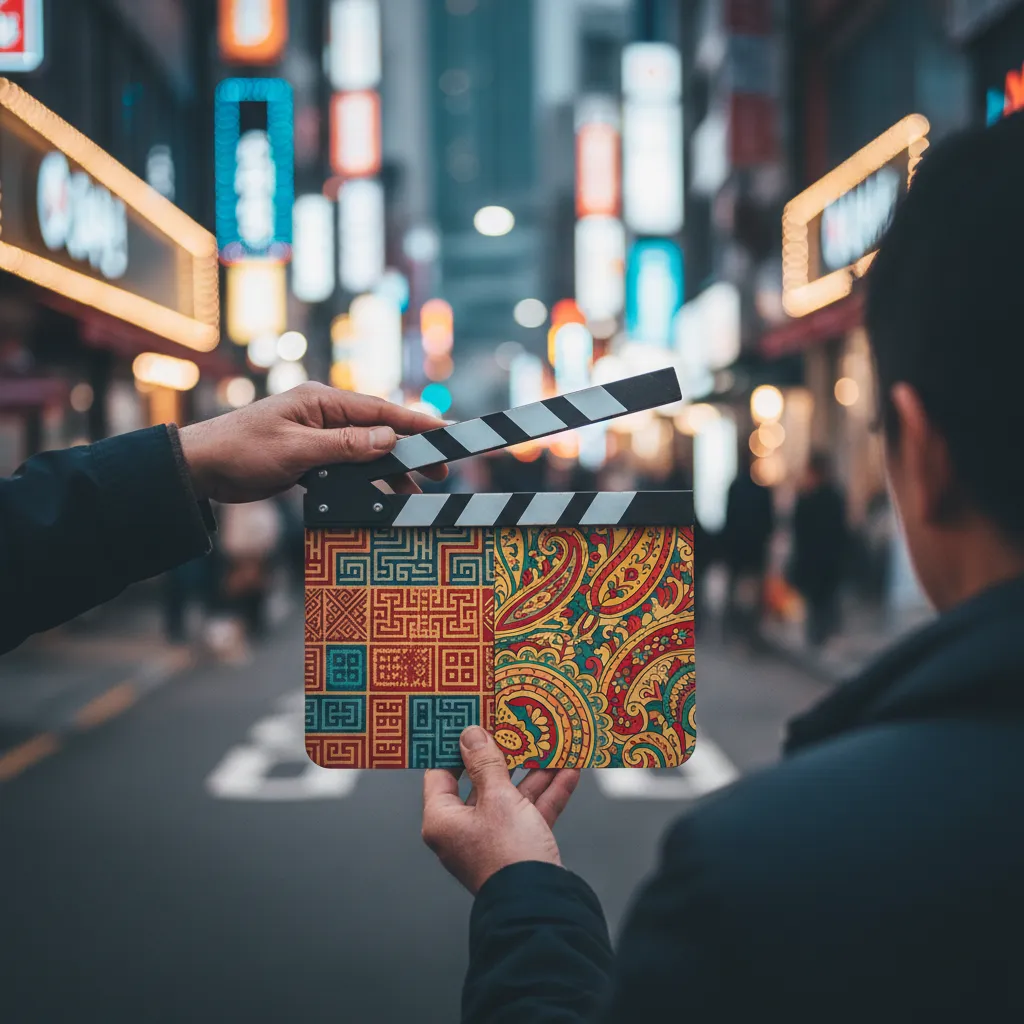
Heo Hwang-ok Joint Film: From Diplomatic Idea to Production Plan
Separate from the summit proposal, Minister Choi Ho‑young convened a meeting on 21 May at the Korean Cultural Center in New Delhi with leading figures from India’s film industry. At this gathering, the signing ceremony for the joint venture film ‘Amor’ (아모르) took place. The movie is being co‑produced by South Korean company Flixoven (플릭스오븐) and Indian studio Studio Shakti (스튜디오 샥티). According to the officials present, filming is targeted to begin in September 2026.
Flixoven’s earlier collaboration with an Indian partner, the Netflix original ‘Again, Seoul from’ (다시, 서울에서), had topped the Indian Netflix chart and ranked first among worldwide non‑English language films after its release last month. Minister Choi described the ‘Amor’ signing as a starting point for creating synergistic outcomes by combining the creative and industrial capacities of both nations.
The meeting also brought together Korean side representatives including Minister Choi, Vice‑Chairman and film director Yang Yun‑ho of the Korean Film Council, Flixoven CEO Lee Hyo‑jin, and Cross Pictures vice‑president Nam Jong‑woo. Indian participants comprised Studio Shakti CEO Radha Krishnan, director Gopalakrishnan Gopal, Bombay Berlin Film Production representative Lambha Alpí, and producer Nikhil Chaudhary.
Broader Cultural and Economic Ties
Beyond film, President Lee Jae‑myung outlined a vision for a “new 10‑year” Korea‑India partnership aimed at mutual growth and innovation. He pledged to deepen existing economic cooperation while expanding collaboration in strategic sectors such as shipbuilding, finance, artificial intelligence, defense, and arms production. The two sides agreed to establish a ministerial‑level Industry Cooperation Council to strengthen ties in core minerals, nuclear energy, and clean energy, and to work on stabilizing supply chains for key raw materials amid recent Middle‑East developments.
Trade targets were also discussed: current bilateral trade stands at approximately 250 billion USD, with a goal to expand it to 500 billion USD by 2030. Plans include revising the Korea‑India Comprehensive Economic Partnership Agreement to reflect new global trade norms, updating the SME cooperation memorandum to set up a joint working group between the Korean embassy in New Delhi and Indian regulators, and supporting Korean small‑ and medium‑sized enterprises entering the Indian market.
Cultural initiatives featured prominently. The leaders announced the creation of a permanent K‑pop performance hub in Mumbai that will serve as a base for Korean culture abroad, expressing confidence that the venue will become a new stage where K‑pop meets Bollywood. They also scheduled a Korea‑India friendship festival for 2028 to further boost people‑to‑people exchanges.
President Lee invoked the legend of Heo Hwang-ok’s voyage, noting that the Pasa stone pagoda (파사석탑) she carried aboard her ship was said to have calmed the waves and opened a safe passage. He framed the story as a testament to humanity’s resolve to overcome uncertainty and forge new paths—paralleling the contemporary drive for Korea‑India cooperation.

In summary, the Heo Hwang-ok joint film proposal has moved from a spontaneous diplomatic suggestion to a concrete film‑project agreement, while simultaneously unlocking broader avenues for cultural, cinematic, and economic collaboration between Korea and India. Both governments appear committed to turning this ancient shared heritage into a modern platform for joint creativity and growth.
About the Author