Gyeongbokgung Saenggwabang is opening a special spring program centered on the life, exile, and memory of Danjong, the young king of Joseon. From April 27 to May 3, 2026, visitors can join “Young King, Spring at Saenggwabang,” a cultural experience that brings together historical commentary, royal-style refreshments, poetry, and quiet reflection inside one of the palace’s food-related spaces.
The program is organized by the Royal Palaces and Tombs Center of the Korea Heritage Service and the Korea Heritage Agency. It is designed as a 70-minute experience that looks back on Danjong’s tragic life and exile narrative while connecting that story to food, language, and the atmosphere of the palace.
Gyeongbokgung Saenggwabang and the Story of Danjong
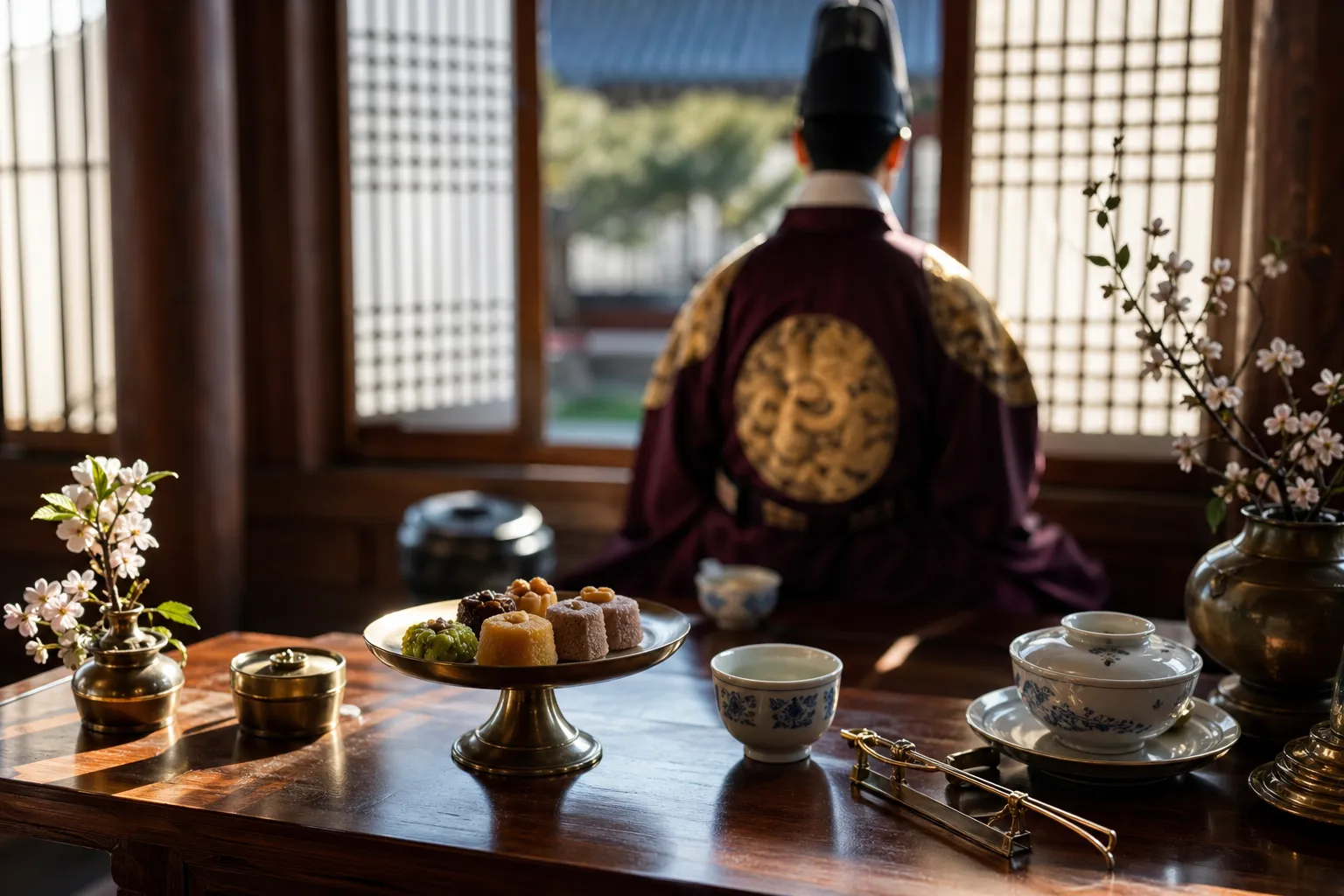
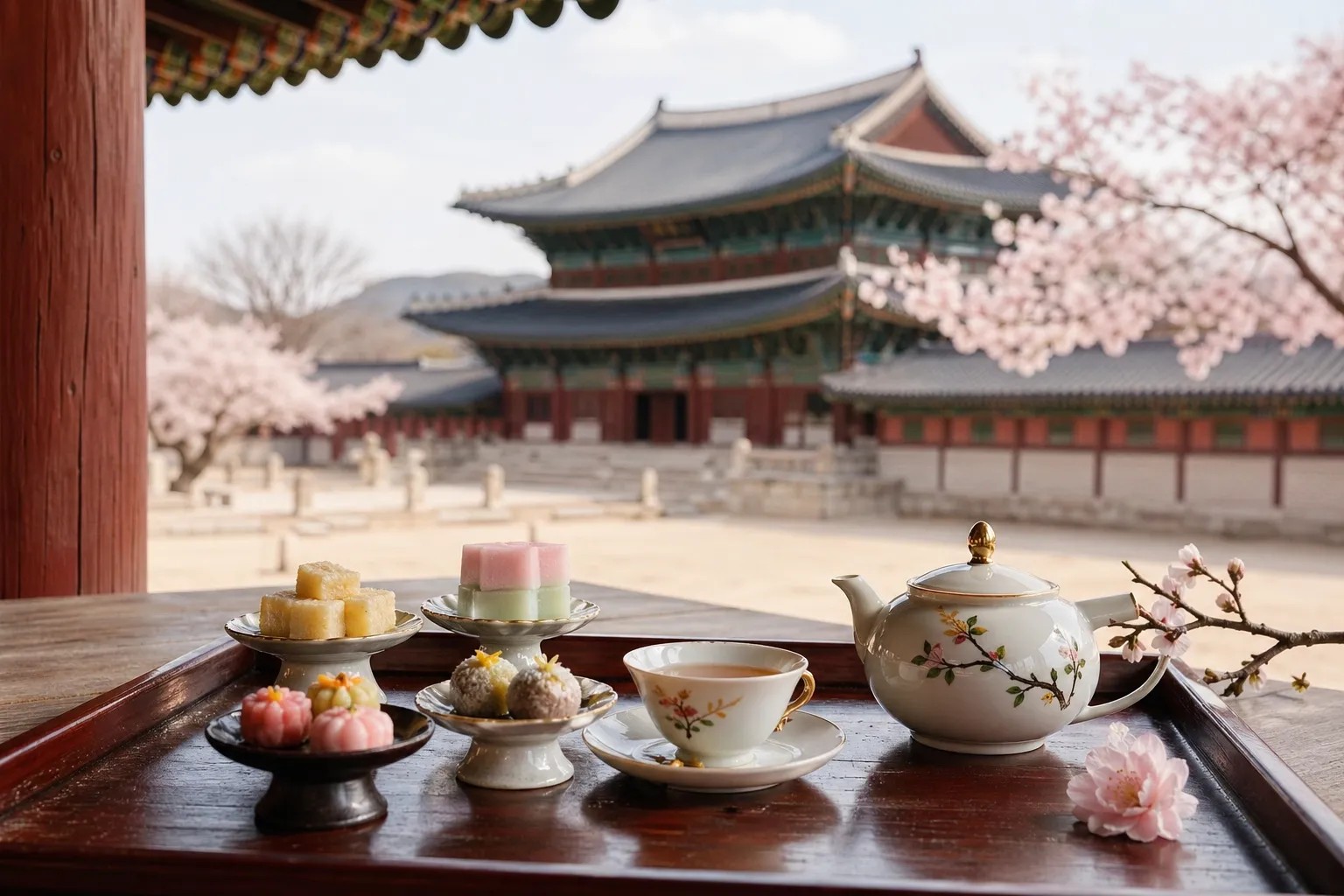
Saenggwabang was one of the kitchen spaces of the Joseon royal palace. It was associated with special foods such as rice cakes, dasik sweets, porridge, and thin rice gruel. That setting makes it a fitting place for a program that combines palace history with a tasting experience.
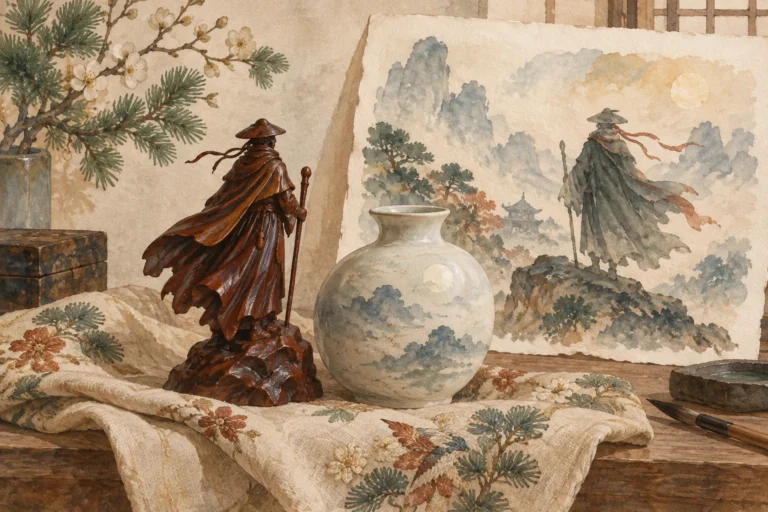
The central figure is Danjong, remembered as a young king whose life ended in tragedy after he was sent into exile in Yeongwol. The program introduces his life and exile process through expert commentary, allowing visitors to encounter the story in a more intimate way than a standard palace walk might offer.
The Korean title, “Yuju, Saenggwabang-ui Bom,” can be understood as “Young King, Spring at Saenggwabang.” The word “Yuju” refers to a young ruler, matching the program’s focus on Danjong. Rather than presenting palace culture only as architecture or ceremony, the event uses narrative, food, and participation to help visitors reflect on the emotional weight of his story.
What Visitors Can Experience
The program includes a guided explanation of Danjong’s life and exile, a tasting experience featuring eosuri porridge, a royal dessert table, poetry recitation, and message writing. Another description of the course includes eosuri herb porridge, dasulgi soup, royal confectionery, and royal medicinal tea.
Eosuri, a wild herb, is being highlighted as a key ingredient in the food experience. The program connects it to Danjong’s exile route and the memory of Yeongwol, but available information also notes an important limitation: historical records do not confirm exactly what Danjong ate during exile. That makes the food portion best understood as a cultural interpretation rather than a claim of documented royal meals.
This distinction matters. The experience is not simply about tasting something old-fashioned. It is about using ingredients, commentary, and atmosphere to revisit a difficult royal story. You are not being asked to imagine a perfectly reconstructed meal from the past. Instead, you are invited to enter a palace space and consider how food can become a way to remember history.
The event also includes participatory elements such as writing messages and activities connected to emotional change. These details suggest that the program is meant to be reflective, not only educational. It gives visitors a way to respond personally after hearing about Danjong’s life and exile.
Dates, Reservations, and Participation Details
“Young King, Spring at Saenggwabang” runs from April 27 to May 3, 2026. Gyeongbokgung is closed on Tuesday, so the program operates over six days during that period. It is scheduled three times a day, for a total of 18 sessions.
Each session accepts 34 participants, meaning 612 people can take part across the full program. Admission is offered through free reservations on a first-come, first-served basis. Booking opens at 12 p.m. on April 20, 2026, through Ticketlink and by phone.
Phone reservations are also available for people who may have difficulty booking online, including those aged 65 and older, people with disabilities, and holders of national veterans registration cards.
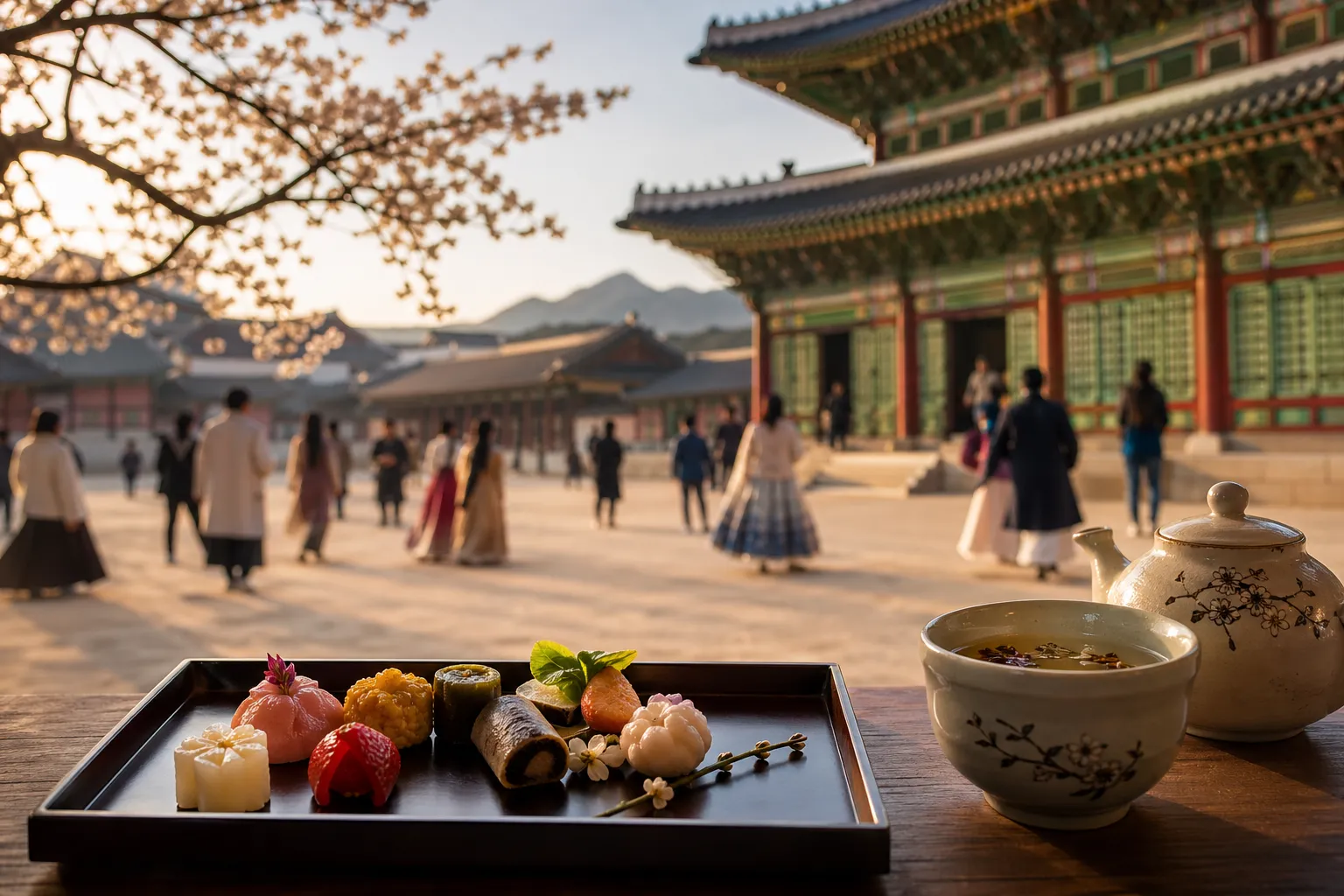
For anyone interested in Korean palace culture, this program offers a compact but meaningful experience. It is short enough to fit into a palace visit, yet focused enough to give one historical figure real emotional presence. The combination of Saenggwabang, Danjong’s exile story, eosuri porridge, royal refreshments, poetry, and message writing turns the palace from a backdrop into a place of encounter.
The most compelling part of Gyeongbokgung Saenggwabang’s spring program is that it does not treat history as something distant. It brings visitors into a working memory of the palace: a kitchen space, a young king’s story, a simple bowl of porridge, and a moment to write down a thought before leaving.
About the Author