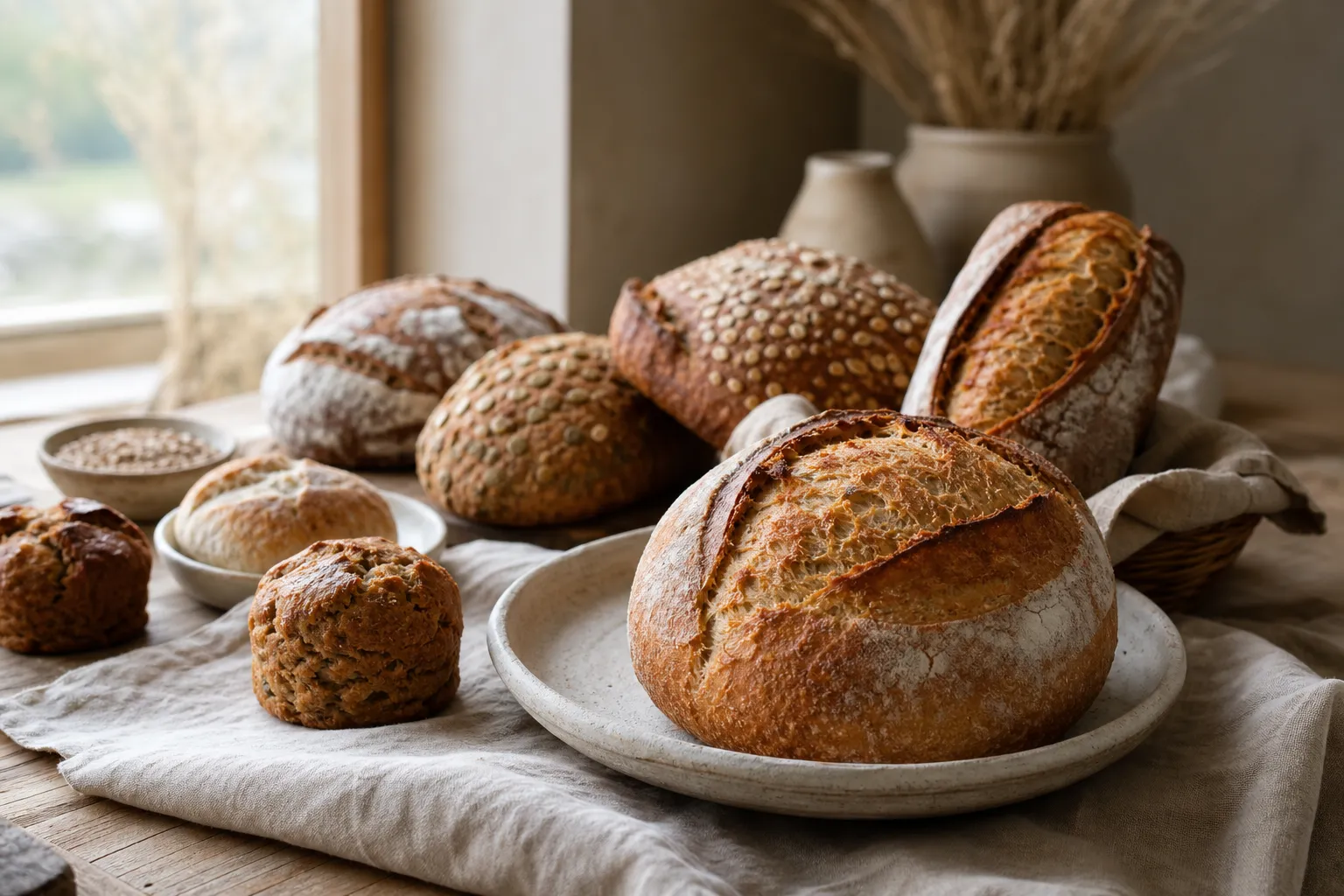
Gurye Mokwol Bakery, often listed as Mokwol Bakery.cafe, is one of the clearest examples of how a Gurye Wheat Bakery can be more than a place to buy bread. Its story brings together locally grown grains, careful breadmaking, television attention, and a 2026 act of community giving that put the bakery back in the public eye.
In April 2026, the bakery donated bread worth 5 million won for low-income residents and social welfare facilities in Gurye. The donation ceremony was held on April 6, 2026, and the items were set to be distributed in stages to vulnerable households and related facilities in the county.1 That gesture sits naturally beside the bakery’s longer identity: bread built around Gurye wheat, regional grains, and a slower, ingredient-focused approach.
Gurye Mokwol Bakery and Its Local-Grain Identity
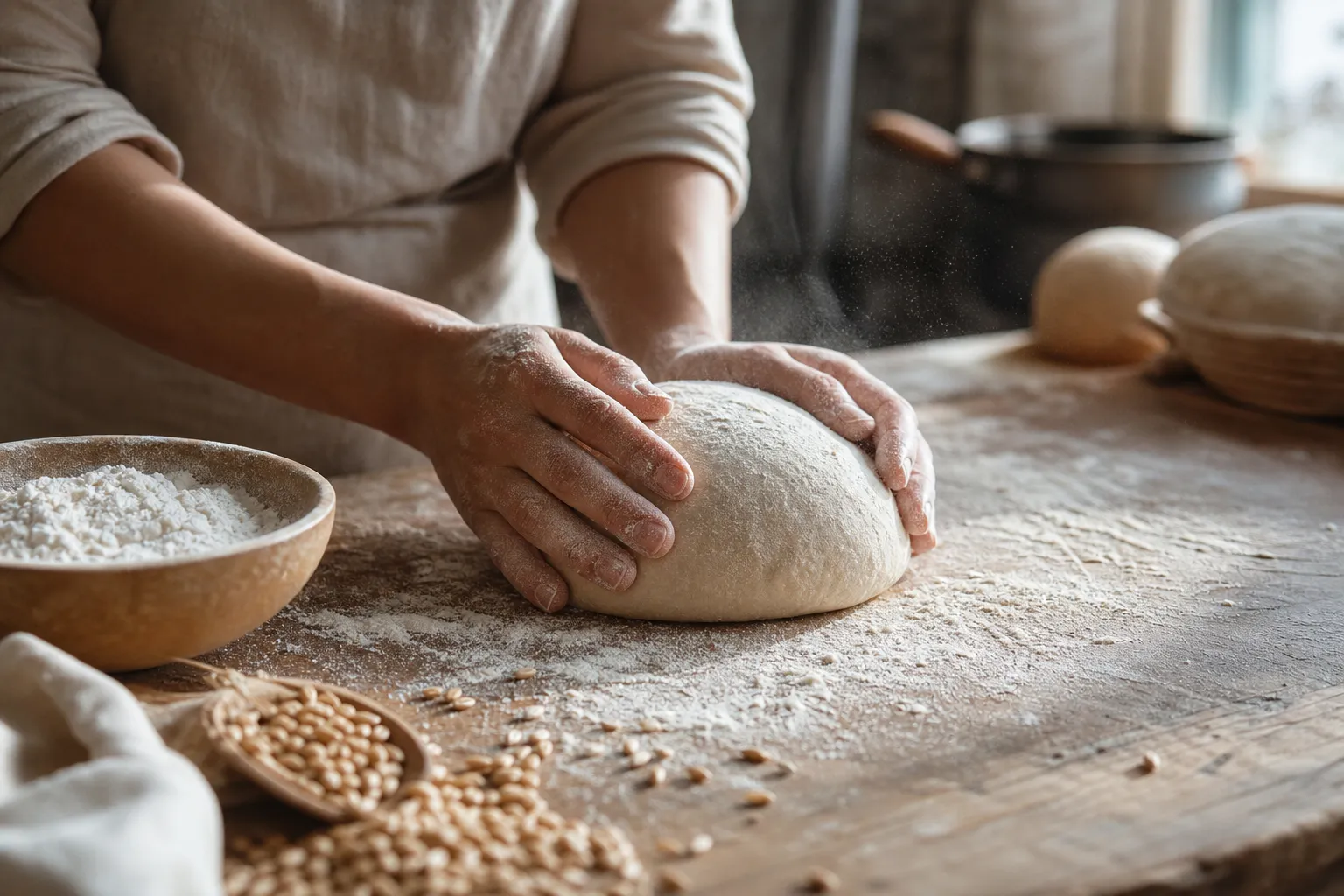
The most important thing to know about Gurye Mokwol Bakery is that its bread is closely tied to the area around it. Tourism information for Mokwol Bakery.cafe describes the bakery as using Geumgang wheat from Gurye, Anjeungbaengi wheat, Gurye rye, and black wheat. It also notes that the shop specializes in meal-style bread made without eggs or milk and naturally fermented with natural yeast.2
That same core description appears in the Korea Tourism Organization’s Korea Travel page, which introduces Mokwol Bakery.cafe as a food place using wheat produced in Gurye and other local grains. The page again highlights Geumgang wheat, Anjeungbaengi wheat, Gurye rye, black wheat, and naturally fermented bread made without eggs or milk.3 When two tourism sources repeat the same details, the picture becomes fairly clear: this is not a bakery whose local connection is only decorative. The local grain is part of the bakery’s public identity.
For readers who care about the difference between bread as a snack and bread as a meal, that detail matters. The available sources describe Mokwol Bakery.cafe as specializing in “meal bread,” which suggests bread meant to stand on its own rather than simply function as a sweet treat. The absence of eggs and milk is also a defining part of the bakery’s description, though the sources do not present it as a diet label or broader health claim. What they do show is a consistent breadmaking style built around grain, fermentation, and simplicity.
The listed address also places the bakery clearly in Gurye: 85 Seosicheon-ro, Gurye-eup, Gurye-gun, Jeollanam-do.2 For anyone mapping out a food-focused trip in the region, that makes Mokwol Bakery.cafe a specific stop rather than just a general example of local wheat culture.
The Breadmaking Story Seen on Korean TV
Mokwol Bakery’s public profile did not begin with the 2026 donation. In 2018, the bakery and Jang Jong-geun were featured in Korean television-related coverage that focused on the craft and ingredients behind the bread.
On October 1, 2018, EToday reported that SBS’s “Master of Living” was introducing Jang Jong-geun, described as a master baker in Gurye. The article said customers came even though the shop was in a quiet area, and that bread could sell out around 3 p.m.4 The same report mentioned pumpkin cream cheese bread and nurungji bread as representative menu items, while pointing to dough made with Korean wheat grown by Jang’s father, specially steamed pumpkin, and house-made nut oil as part of the flavor story.4
A little later that year, AsiaToday reported on December 6, 2018, that KBS1’s “Korean Table” featured Jang Jong-geun and Gurye Mokwol Bakery in an episode titled “You Were There Too! Bread on Our Table.” The article described Jang as milling wheat himself and baking with wheat farmed by his father. It also stated that he did not put milk, eggs, or butter into the bread.5
Those details help explain why the bakery is often discussed through ingredients rather than decoration or trendiness. The sources do not simply say that the bread is popular; they connect that popularity to farming, milling, fermentation, and the decision to leave out certain common bakery ingredients. For a reader discovering Mokwol Bakery from outside Korea, that combination is the useful context: it is a bakery story rooted in local grain and family farming as much as in finished loaves.
A 2026 Donation That Fits the Bakery’s Community Image
The April 2026 donation added another layer to the bakery’s public image. Betanews, citing a Gurye County announcement, reported on April 7, 2026, that Mokwol Bakery donated bread worth 5 million won for low-income residents and social welfare facilities in the area.1 The donation ceremony took place the previous day, April 6, 2026, and the donated bread was to be distributed sequentially to vulnerable households and facilities within the county.1
Jang Jong-geun, the bakery’s representative, said the donation was prepared “to be of even a little help to local residents.” He also expressed the hope that, though modest, it would become “warm comfort and strength” for neighbors facing hardship.1 The quotes are brief, but they match the broader impression created by the available sources: Mokwol Bakery is presented not only as a shop selling local-grain bread, but as a small food business with a visible relationship to its community.
That does not mean the sources give every detail a curious reader might want. They do not provide a full current menu, current opening hours, or a detailed account of how the donated bread was ultimately distributed after the ceremony. They also do not provide a full technical breakdown of the bakery’s natural fermentation process. What they do provide is enough to understand the bakery’s defining public themes: Gurye-grown grain, bread made without eggs and milk, natural yeast fermentation, past national TV attention, and a concrete 2026 donation.
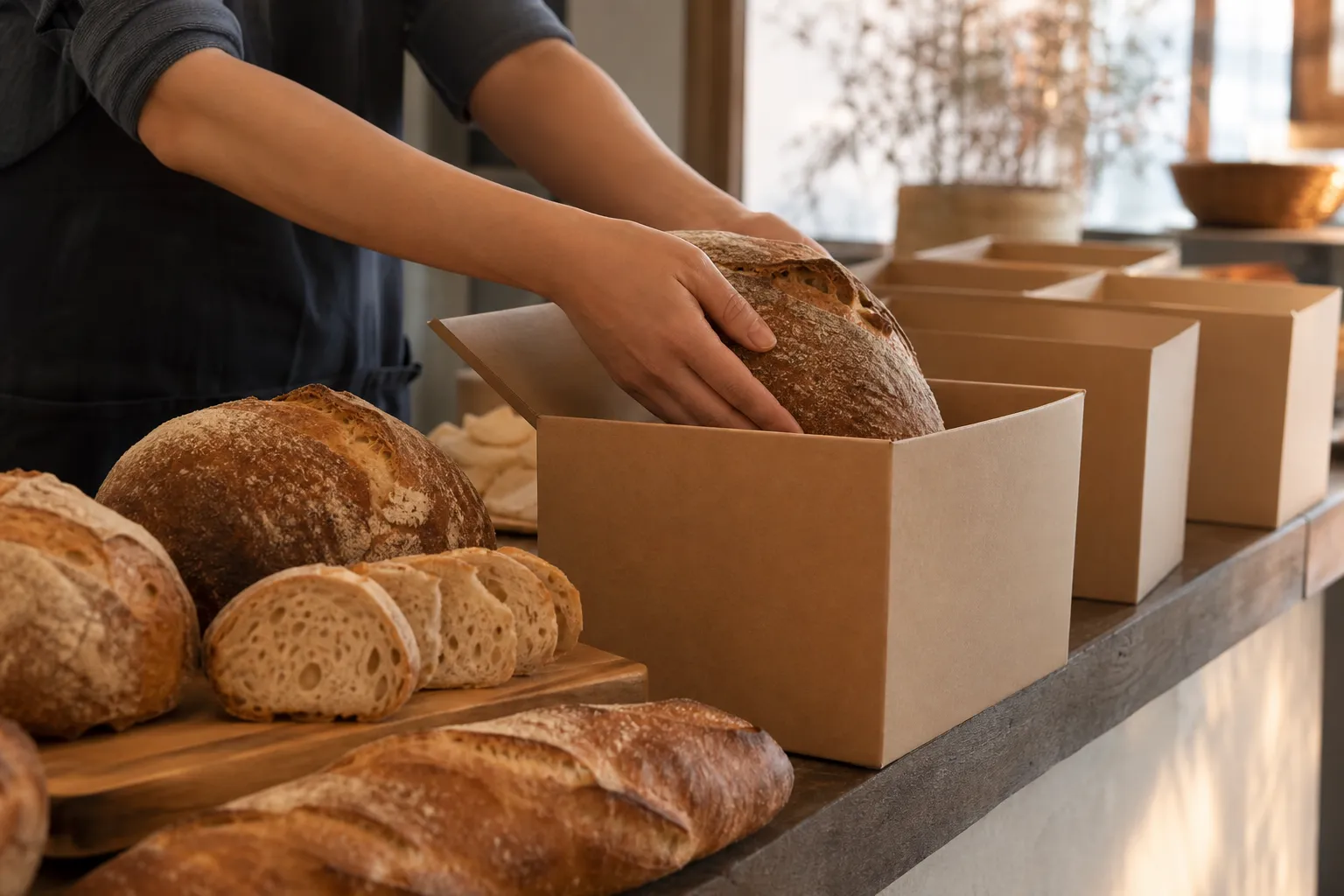
For travelers, food readers, or anyone interested in Korean local wheat bakeries, Gurye Mokwol Bakery stands out because the story is unusually coherent. The ingredients point back to Gurye, the television coverage points back to craft, and the 2026 donation points back to neighbors. In that sense, this Gurye Wheat Bakery is best understood not as a passing food trend, but as a local bread shop whose public story is built around grain, care, and community.
References
- “빵으로 전한 온기”…구례 목월빵집, 500만원 상당 나눔 (베타뉴스, 2026-04-07)
- 목월빵집.cafe (K-TRIP TIPS, 2025-03-17)
- 목월빵집.cafe> 여행지 :대한민국 구석구석 (대한민국 구석구석)
- '생활의 달인' 구례 빵집의 달인, 인적 드문 곳에도 빵 맛만으로 문전성시 이루는 특별한 맛의 비밀은? (이투데이, 2018-10-01)
- ‘한국인의 밥상’ 구례 빵집 ‘목월빵집’ 위치는? (아시아투데이, 2018-12-06)
About the Author