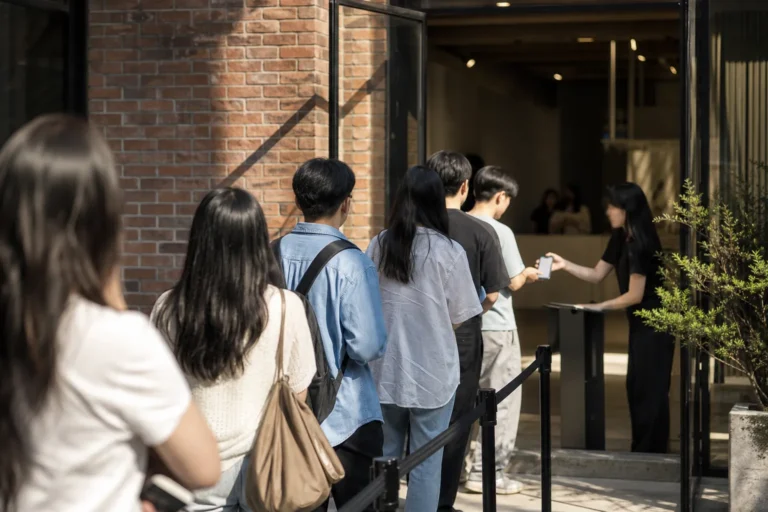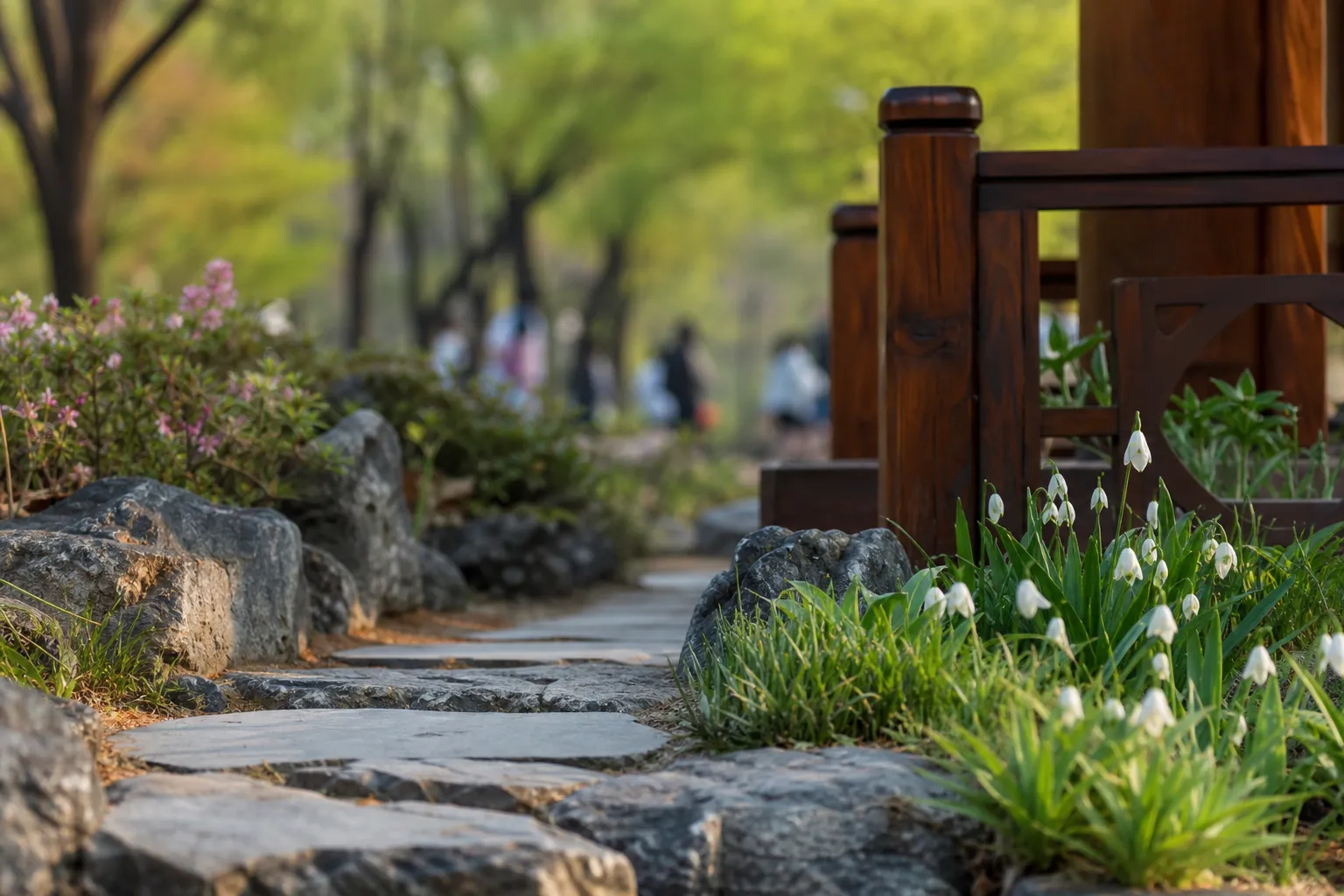
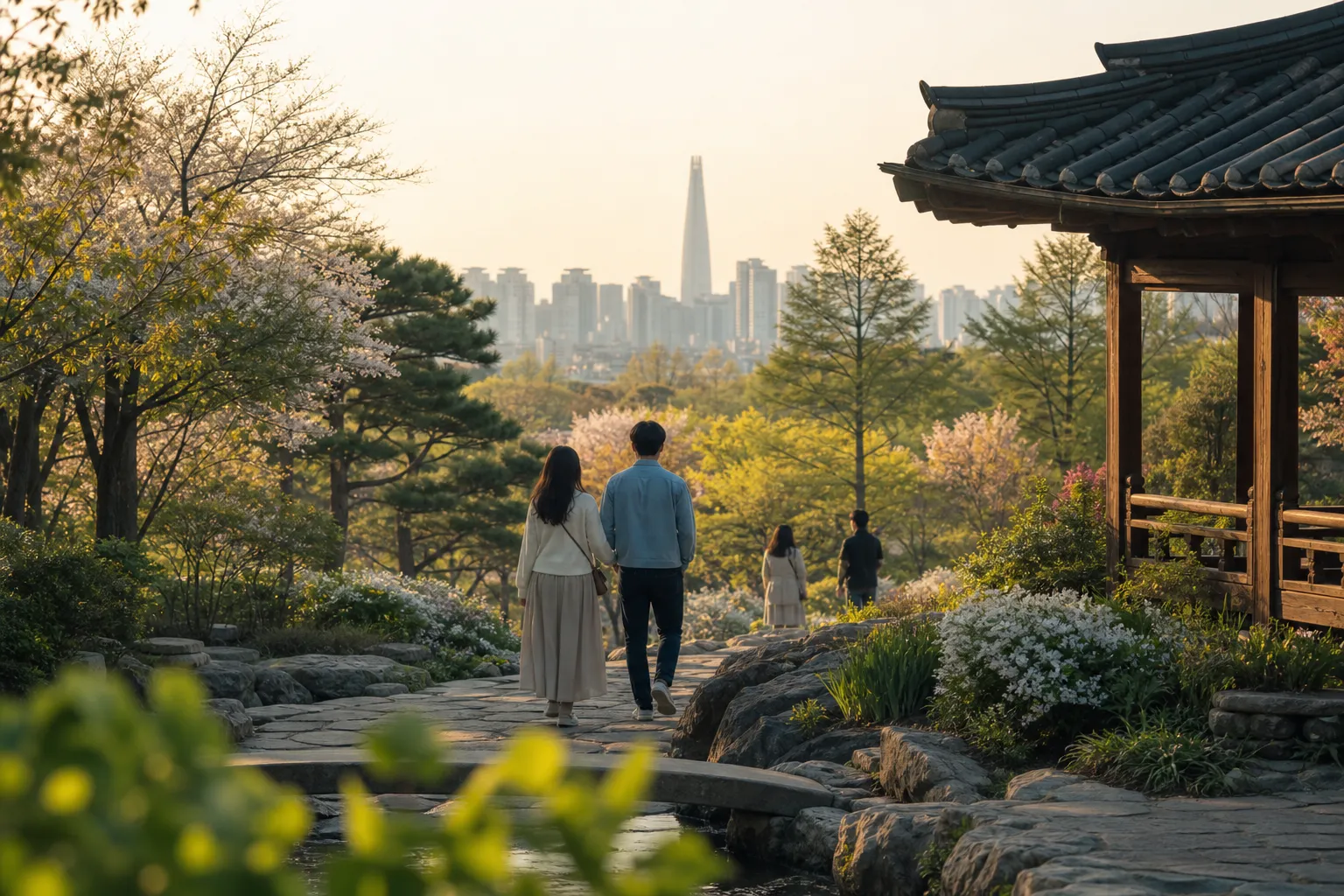
The K-Heritage Garden can be viewed free of charge at Seoul Forest during the 2026 Seoul International Garden Show, which runs from May 1 to October 27, 2026. The garden was publicly unveiled on May 4, 2026, as an institutional garden created by the Korea Heritage Service, and visitors may freely view it during the festival period. 1
For anyone planning a Seoul Forest visit, the key point is simple: this is not a separate ticketed attraction in the available source material. The broader garden show is described as free to view without a separate reservation, although some experience programs may require payment. 2
Free Viewing at Seoul Forest: What Visitors Need to Know
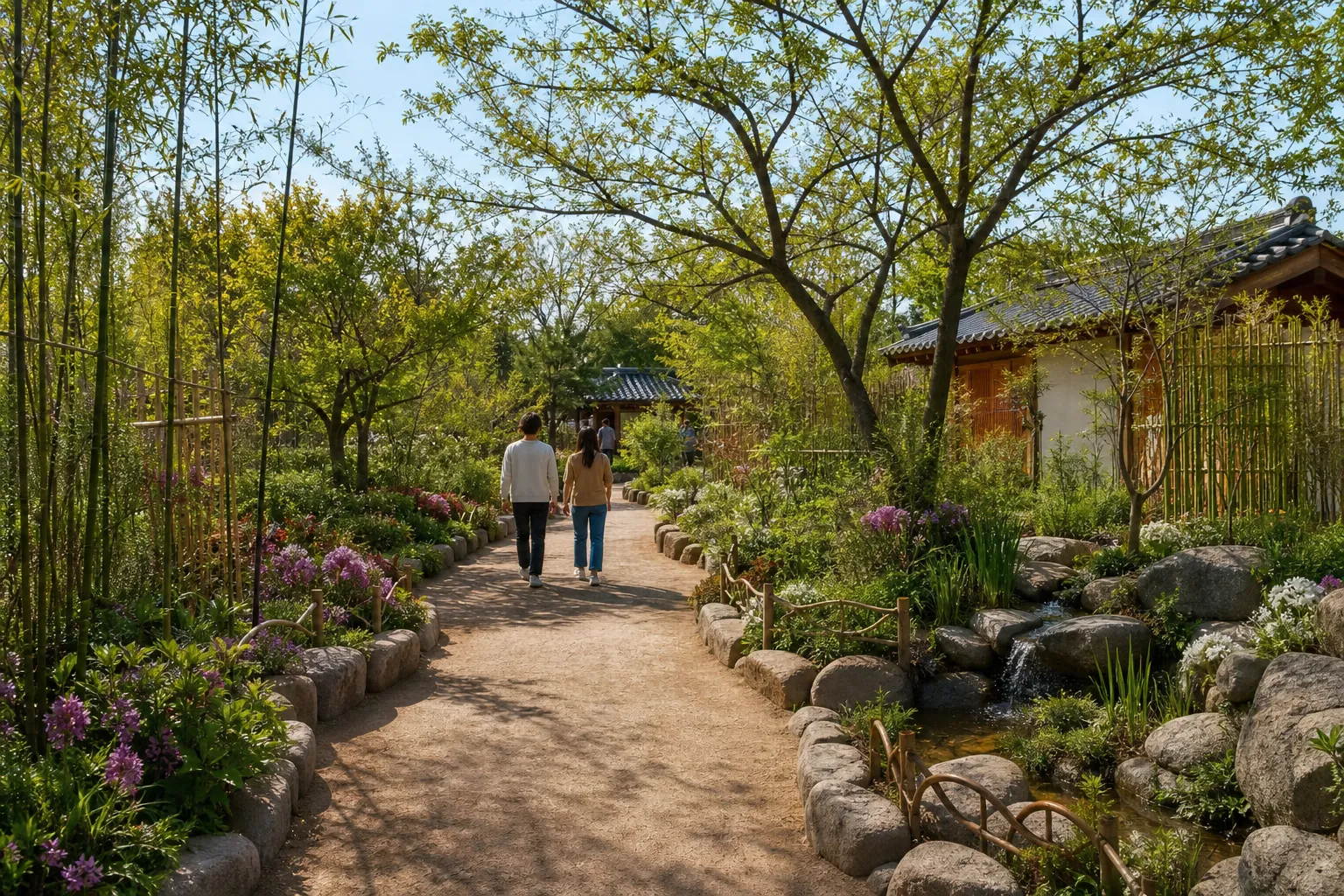
The K-Heritage Garden is part of the 2026 Seoul International Garden Show, held across Seoul Forest and the Seongsu-dong area for 180 days, from May 1 through October 27, 2026. The event features 167 gardens across about 90,000 square meters, including 50 donated gardens created with corporate and institutional participation. 2
Within that larger event, the K-Heritage Garden is listed by the official 2026 Seoul International Garden Show website as an institutional garden created by the Korea Heritage Service. 3 The sources do not provide a separate admission fee, ticket desk, or reservation procedure for this specific garden. Instead, the available guidance says that anyone can freely view the K-Heritage Garden during the festival period. 1
That makes the visit fairly straightforward. Plan around the overall garden show dates, go to the Seoul Forest area, and treat the K-Heritage Garden as one stop within a wider route of gardens installed for the event. If you are also interested in paid hands-on programs connected to the broader festival, check those separately, because the available source material distinguishes free viewing from some paid experiences. 2
What Makes the K-Heritage Garden Different
The K-Heritage Garden is not simply a decorative flower bed within the festival. It is described as the first real-world application of research into traditional garden modules, using the spatial structure of the rear garden at Gyeongju Choe Buja House, a National Folk Cultural Heritage site, as its model. 1
The garden’s official introduction explains that it borrows from the layout of the Gyeongju Choe Buja House rear garden and expresses the atmosphere of a traditional private-house backyard through elements such as flower terraces, walls, a narrow side gate, a numaru-style raised wooden pavilion, and a courtyard. 3 In practical terms, visitors should look not only at the plants, but also at how the space is organized: the transitions between wall, gate, pavilion, yard, and planting are central to the concept.
The main facilities listed for the garden include a maru, a hyeopmun, and a traditional wall. Its major plant species include miseonnamu, malbal dori, byeongari kkot namu, jopap namu, and hieori. 3 These names may be unfamiliar to English-speaking visitors, but the important source-backed point is that the garden presents Korean traditional planting and built elements together rather than treating plants and structures as separate displays.
Other reports add further context about how the garden was made. ZDNet Korea reported that native species grown at the Sareung traditional tree nursery were used, with planting carried out by the directly operated landscaping team of the Royal Palaces and Tombs Center. 4 Edaily also reported that the numaru at the center of the garden was created with part of the proceeds from product sales developed through cooperation between the Korea Heritage Service and Clio. 5
How to Read the Garden During a Visit
A useful way to approach the K-Heritage Garden is to slow down and read it as a compact interpretation of a traditional private residence garden. The source descriptions repeatedly point to the rear garden of Gyeongju Choe Buja House as the design reference, so the garden is best understood through its spatial sequence: flower terrace, wall, side gate, raised pavilion, and yard. 1
The free-viewing angle matters because it allows the garden to function as a public heritage experience rather than a specialist exhibit. The Korea Heritage Service’s stated direction, as quoted in reporting, is to continue creating related content based on traditional landscaping research and to expand public-private cooperation. 4 Another quoted statement says the agency plans to work so that people can enjoy “the aesthetics of traditional gardens” in everyday life. 5
For a practical visit, focus on three things. First, note the garden’s role within the 2026 Seoul International Garden Show, not as a stand-alone museum installation but as one of many gardens in Seoul Forest and Seongsu. Second, look for the traditional garden vocabulary in the built elements: the wall, hyeopmun, maru, numaru, and courtyard arrangement. Third, compare the K-Heritage Garden with other gardens nearby if time allows, since the wider event includes many corporate and institutional donated gardens. 2
The available sources do not specify daily opening hours for the K-Heritage Garden itself, nor do they provide a dedicated booking page for the garden. What is clearly supported is the event period, the Seoul Forest setting, the free viewing guidance, and the garden’s design basis in Korean traditional private-house garden structure.
Quick FAQ
Is the K-Heritage Garden free to visit?
Yes. The available source material says anyone can freely view the K-Heritage Garden during the 2026 Seoul International Garden Show period, and the broader event is described as free to view without a separate reservation. Some experience programs at the wider festival may be paid. 1 2
When can visitors see the K-Heritage Garden?
The garden was unveiled on May 4, 2026, and the 2026 Seoul International Garden Show runs from May 1 to October 27, 2026, at Seoul Forest and the Seongsu-dong area. 1 2 !서울숲 K헤리티지정원 무료 관람 Seoul International Garden Show 2026 For visitors looking for a no-cost cultural stop in Seoul Forest, the K-Heritage Garden offers a concise introduction to Korean traditional garden design within a large public garden festival. Its strongest appeal is that it translates the structure of a heritage private-house backyard into a freely viewable contemporary garden, making the K-Heritage Garden a practical addition to a Seoul Forest route before the festival closes on October 27, 2026.
References
- 2026 서울국제정원박람회에서 만나는 한국의 전통정원, 'K-헤리티지정원' (5.4.~10.27.) (서울Pn / 정책브리핑, 2026-05-04)
- 신록의 계절, 서울국제정원박람회 개막! '서울숲~성수' 초록도시로 (내 손안에 서울, 2026-04-30)
- [기관정원 9] K-헤리티지정원 林園 (2026 서울국제정원박람회 공식 누리집)
- 국가유산청, '2026 서울국제정원박람회'서 K-헤리티지정원 공개 (ZDNet Korea, 2026-05-04)
- '2026 서울국제정원박람회'에서 만나는 K헤리티지 전통정원 (이데일리, 2026-05-04)
About the Author