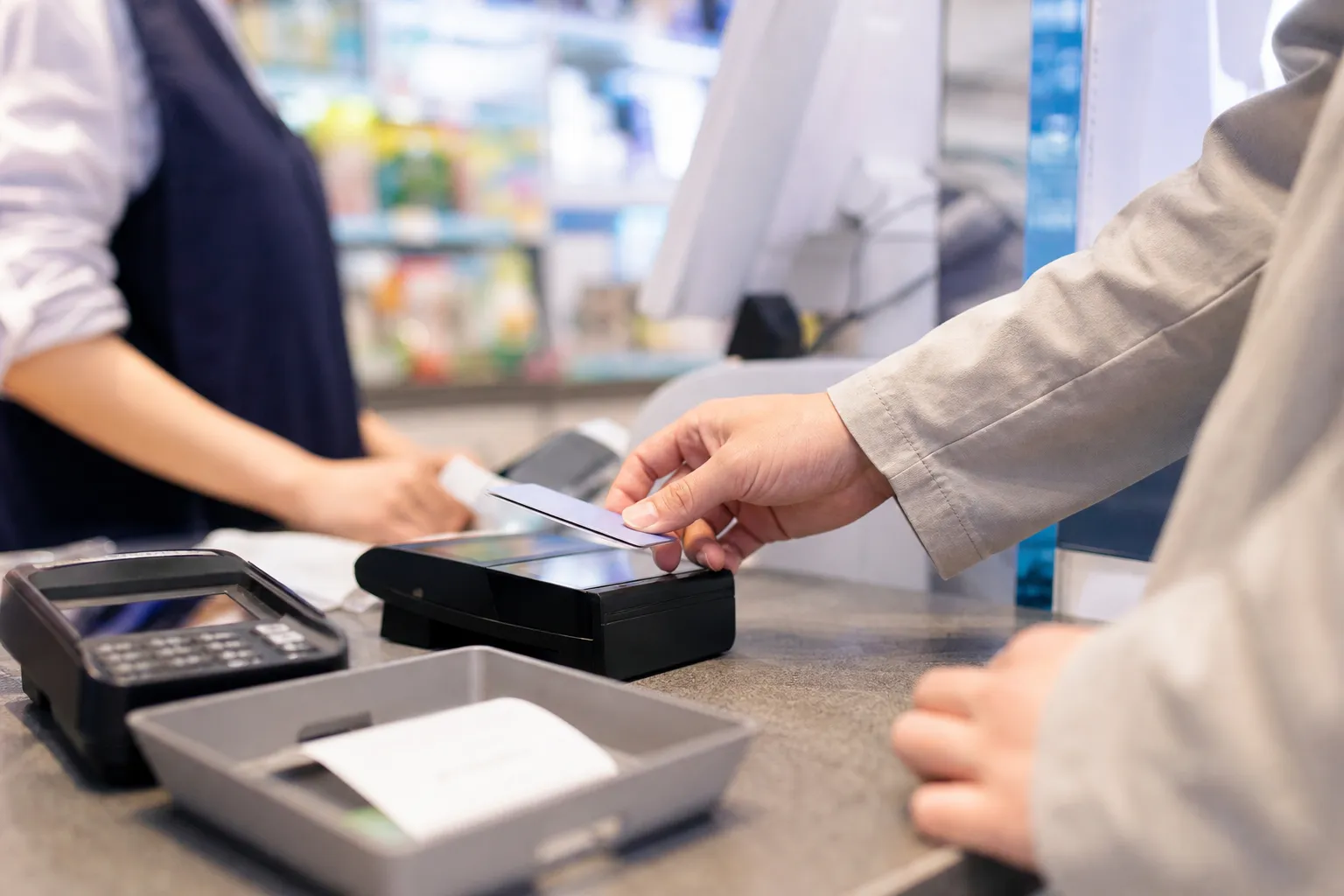
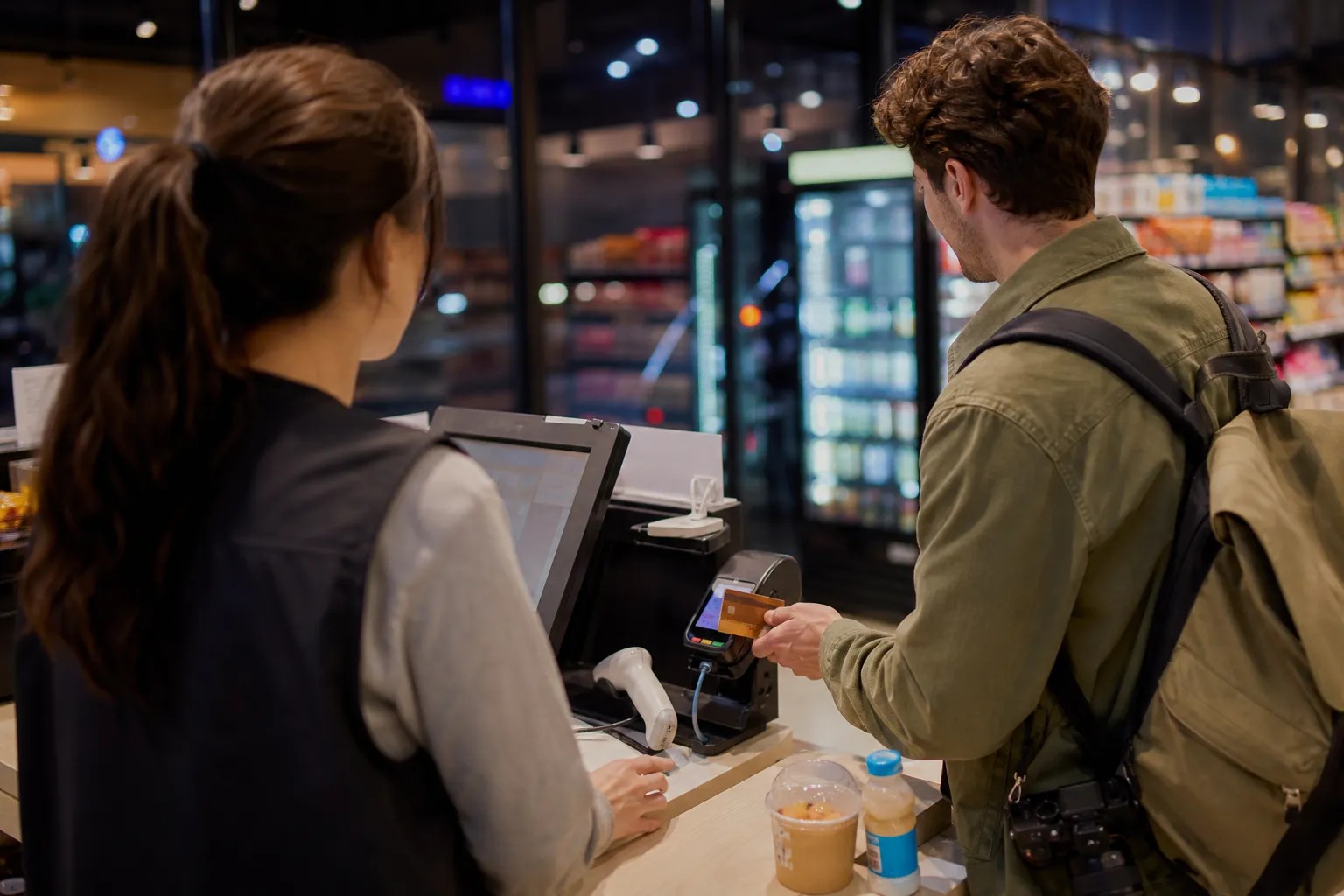
Foreign convenience store payments in Korea are becoming more flexible as major chains expand services for overseas visitors. For travelers using K-Convenience Store Shopping for snacks, daily goods, transport top-ups, or quick financial services, the key point is simple: payment options are no longer limited to cash or a locally issued Korean card.
Korean convenience stores are increasingly treating foreign visitors as a major customer group. CU, GS25, and 7-Eleven have each expanded payment or finance-related services for non-Korean customers, while card and mobile wallet data show that everyday spending by inbound travelers is growing across convenience stores and other daily-use categories.12
How Foreign Visitors Can Pay at Korean Convenience Stores
The most widely supported route remains card payment. Source materials describe CU analyzing purchases made with overseas credit cards and easy-payment methods, and those overseas payment-use counts rose year on year by 151.9% in 2023, 177.1% in 2024, and 101.2% in 2025.3 That does not prove every store accepts every card, but it does show that foreign-issued payment methods have become an important part of convenience-store sales.
Mobile wallets are also central, especially at GS25. GS Retail announced that GS25’s foreign-customer payment amount in 2025 increased 74.2% from the previous year, with Alipay and WeChat Pay accounting for 97.7% of foreign payment amount.4 SR Times also reported that GS25 operates Alipay, WeChat Pay, UnionPay, and Japan’s PayPay payment services.1
For visitors from China or Japan, this matters because a familiar wallet may reduce friction at checkout. For other visitors, the safest practical assumption is to carry at least one internationally enabled card and keep a backup payment method available. The source material confirms expansion of foreign payment services, but it does not provide a universal list of accepted methods for every individual branch.
Visa Korea’s payment analysis also points to a broader shift in tourist payment behavior. Visa examined face-to-face payments made with foreign-issued personal Visa cards at domestic offline merchants from April 2024 through March 2025, and found that total payment amount by the top seven countries and regions increased 26% year on year. Contactless payment also rose to 15%, compared with 6% in the previous period, about 2.4 times higher.2 In practical terms, visitors should be ready for both inserted-card and tap-style payment, depending on the store terminal and card settings.
Services Beyond Checkout: Kiosks, Transport Cards, and Tax Refunds
Foreign convenience store payment in Korea is not only about paying for a drink or meal. Several chains are connecting payments with adjacent travel needs, including currency exchange, prepaid cards, transport cards, and tax refunds.
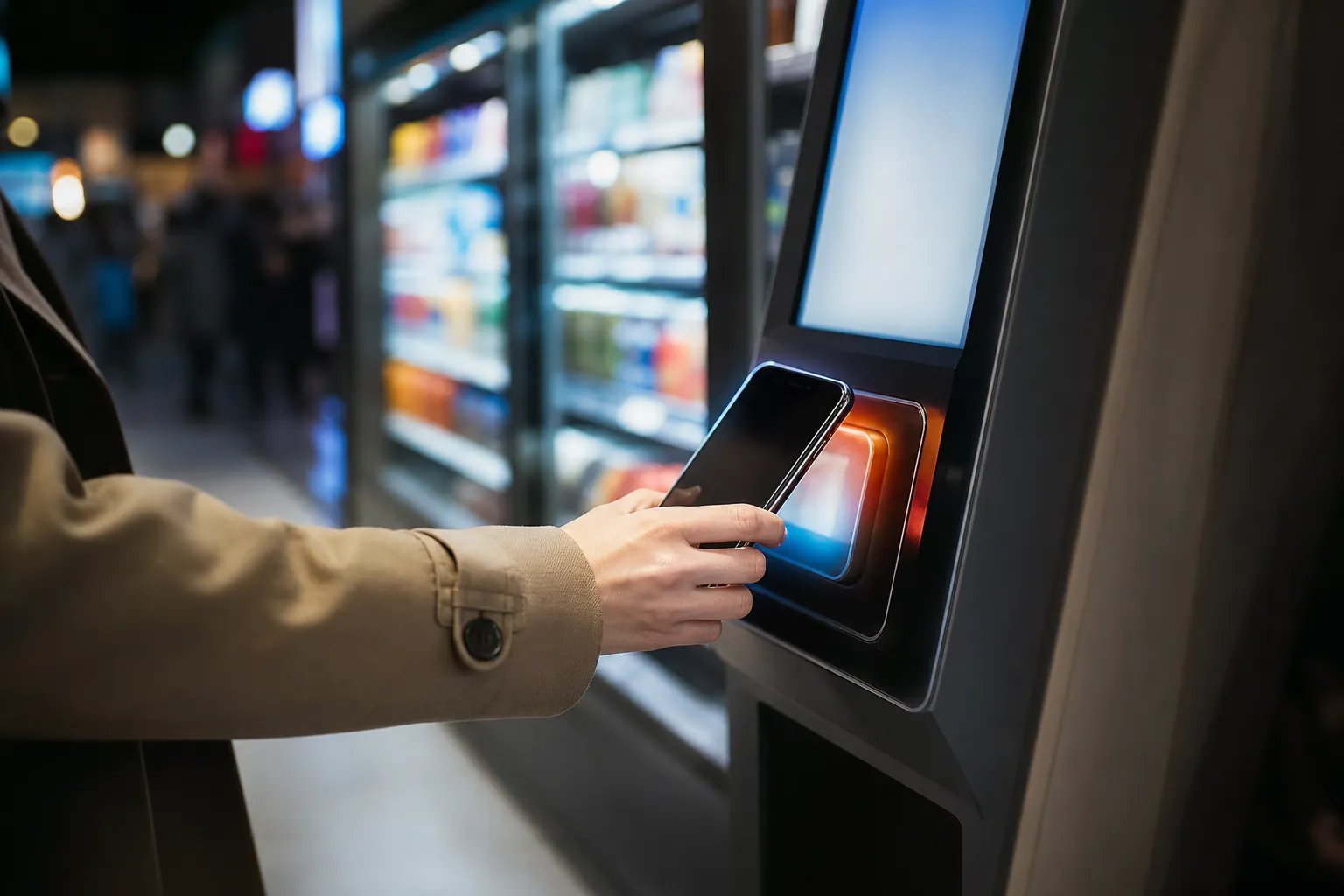
7-Eleven operates unmanned currency-exchange kiosks that can handle currency exchange, prepaid card issuance, and transport-card charging in one place.1 For a traveler, this can turn a convenience store into a practical stop before using public transit or making small purchases. The source material does not specify every branch location, so visitors should treat kiosk availability as store-dependent.
GS25 is also expanding services in foreigner-heavy commercial areas. GS Retail said it would run UnionPay instant discount promotions at about 1,400 stores in foreign-customer commercial districts, while also expanding foreign-currency exchange kiosks, foreign-banknote payment, and tax-refund services.4 This is useful for visitors because it suggests that the most tourist-facing branches are more likely to offer extra payment and refund options than a general neighborhood store.
CU is testing a different kind of service: weekend on-site financial services for foreign customers. SR Times reported a CU official saying, “Providing financial services for foreigners is one part of our customer expansion plan.”1 This quote is important because it frames the trend as a deliberate retail strategy, not a one-off payment experiment.
The practical takeaway is to separate standard checkout from added services. Paying for convenience-store purchases with a foreign card or major mobile wallet may be increasingly common, but exchange kiosks, tax refunds, foreign-banknote payments, and special discounts are more likely to vary by chain, branch, district, and promotion period.
Why Payment Options Are Expanding
Convenience stores are responding to a measurable change in foreign visitor spending. Asia Today reported that in 2025, GS25’s foreign payment amount rose 74.2% year on year, CU’s overseas payment-method use count rose 101.2%, and 7-Eleven’s foreign payment count increased by about 60%.5 These figures describe a broad industry pattern: more foreign visitors are using convenience stores as everyday shopping points.
The Korea Tourism Data Lab described a shift in inbound shopping from luxury-centered purchases toward everyday, preference-based, and practical consumption. Based on foreign credit-card payment data and related reporting, average spending per purchase fell from 150,000 won in 2019 to 120,000 won in 2025, while total spending per person increased 83% and purchase frequency rose 124%.6 That pattern fits the convenience-store environment: smaller transactions, more frequent stops, and practical purchases.
Location also matters. GS Retail said Seoul, Jeju, and Gyeonggi accounted for about 72% of GS25’s foreign payment sales.4 Visitors in those areas may therefore be more likely to encounter branches used to foreign payment flows, especially in districts with tourist traffic.
For travelers, the best approach is practical rather than complicated. Use a foreign-issued card or supported mobile wallet for checkout, check whether the terminal supports contactless payment, and look for kiosk or tax-refund services only where they are visibly offered. If using a China- or Japan-based wallet, GS25’s listed support for Alipay, WeChat Pay, UnionPay, and PayPay may be especially relevant, but visitors should still confirm at the branch before assuming availability.1
Quick FAQ
Can foreign visitors pay at Korean convenience stores with overseas cards?
Yes, the source material shows that overseas credit cards and easy-payment methods are already part of convenience-store purchasing data, especially at CU, where overseas payment-method use counts rose sharply from 2023 through 2025.3 Exact acceptance can still vary by store, card network, and terminal.
Are Alipay and WeChat Pay useful for convenience-store shopping in Korea?
They can be especially useful at GS25, where Alipay and WeChat Pay accounted for 97.7% of foreign payment amount in 2025.4 GS25 also operates UnionPay and Japan’s PayPay payment services, according to SR Times.1 !Korea convenience store transport card charging tax refund payment trend Foreign convenience store payments in Korea are moving toward more visitor-friendly checkout, with overseas cards, major mobile wallets, exchange kiosks, transport-card charging, selected foreign-banknote payment, and tax-refund services all appearing in the source-backed record. For travelers, the simplest strategy is to bring a backup card, use familiar supported wallets where available, and treat tourist-area branches as the most likely places to find expanded services.
References
- 진화하는 편의점, 외국인 금융·결제 서비스 확대 (SR타임스, 2026-06-08)
- 비자, 방한 외래 관광객 결제 데이터 분석 (Visa Korea, 2025-09-30)
- ‘수익성·점포수 1위ʼ CU, 다음 타깃은 외국인…K-편의점 선도 [편의점 왕좌의 게임] (한국금융신문, 2026-03-09)
- GS25, 2025년 연간 외국인 결제 금액 전년 대비 74.2% 성장… 관광객 2000만 시대 정조준 (뉴스와이어 / GS리테일, 2026-01-29)
- 편의점, 외국인 소비 타고 ‘훨훨’…결제건 2배 늘었다 (아시아투데이, 2026-01-29)
- [트렌드 트립#10] 요즘 방한외국인 '명품백' 대신 '이것' 산다? (한국관광 데이터랩, 2025-12-22)
About the Author