Cherry Blossom Ending in Korea: Jeju King Cherry Blossoms Reach Full Bloom in Yanggu
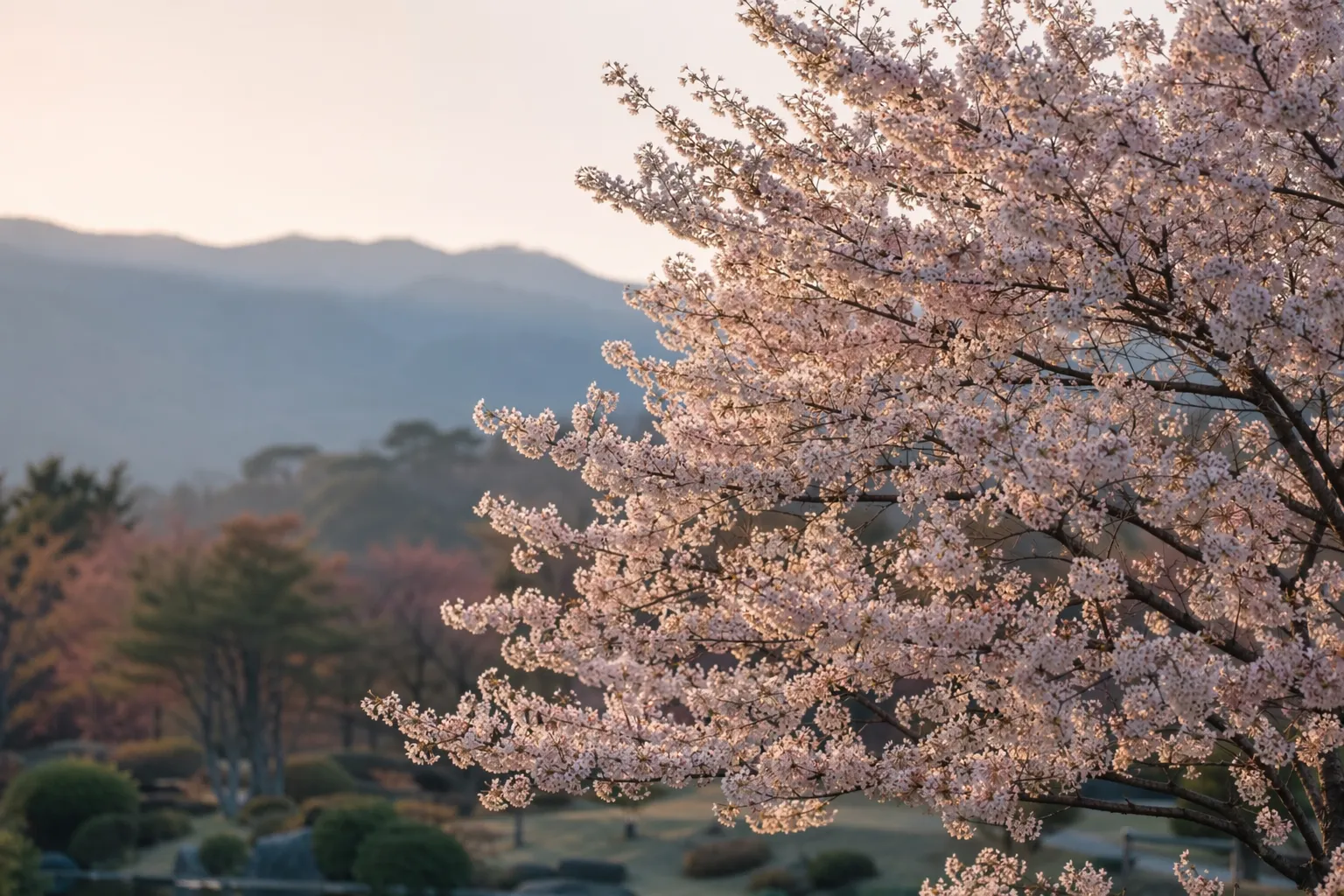
The phrase Cherry Blossom Ending feels especially fitting this spring, as Korea’s wave of full-bloom cherry blossoms has reached one of its final stops: the National DMZ Native Botanic Garden in Yanggu, Gangwon Province. On April 21, 2026, Jeju king cherry trees at the garden were announced to be in full bloom, marking a poetic close to the seasonal bloom that begins in the south and travels north with the warming weather.
For anyone who follows Korea’s spring flower season, this is a lovely reminder that cherry blossoms are not a single-day event. They move like a soft tide across the country. In this case, the bloom that begins with the southern warmth of Jeju has arrived in Yanggu’s cooler mountain environment, completing a spring journey from Jeju to Gangwon.
Why Yanggu Is Korea’s Cherry Blossom Ending
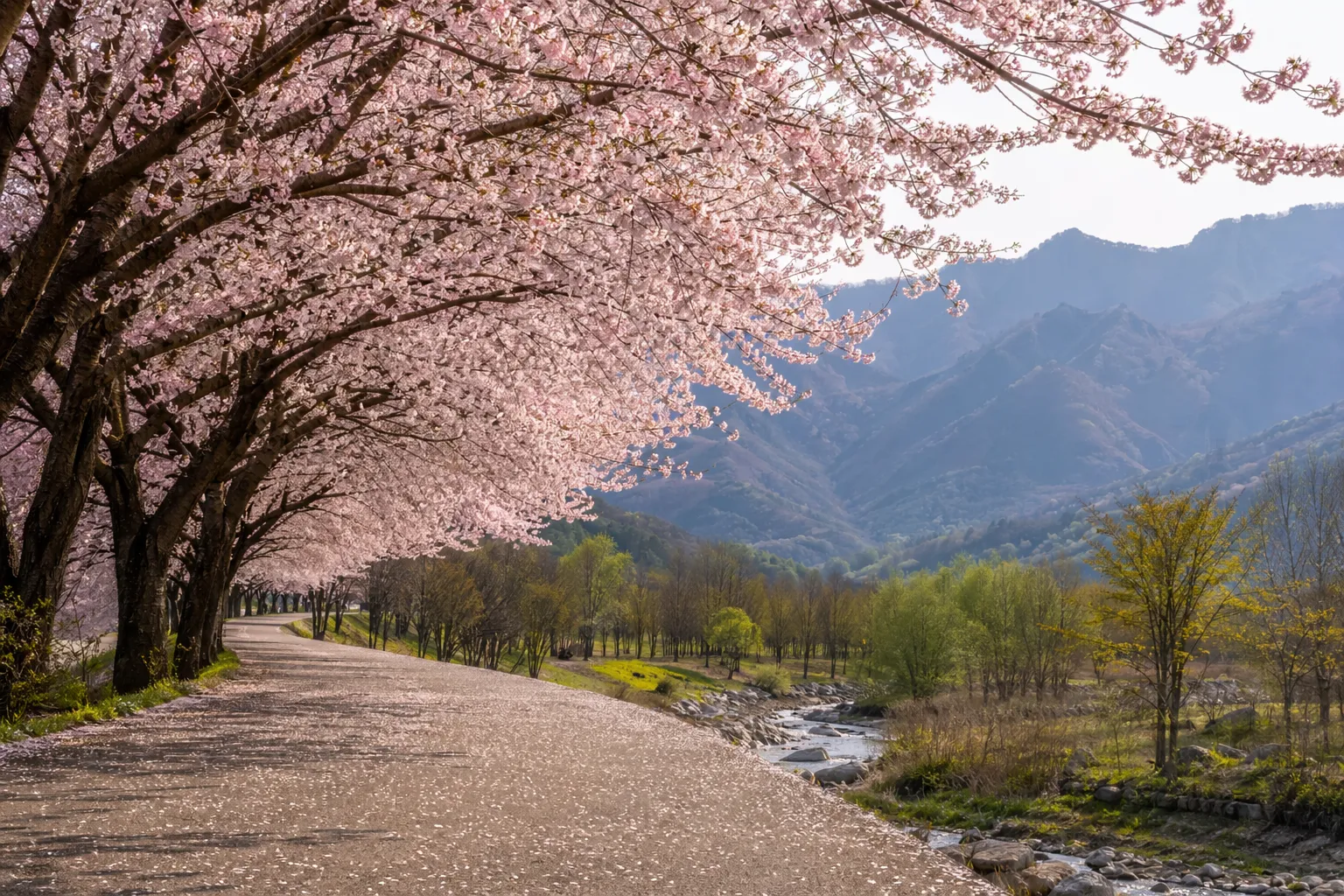
The National DMZ Native Botanic Garden is located in Haean-myeon, Yanggu County, in the Punchbowl area of Gangwon Province. The garden sits at about 680 meters above sea level, which gives it a noticeably cooler climate than many other parts of Korea. Because of those lower temperatures, flowers bloom later here than they do in warmer regions.
That is exactly why this spot is being described as the final destination of Korea’s spring flower wave. While many cherry blossom areas across the country have already passed their peak, the Jeju king cherry trees in this northern, high-altitude garden are now at their most beautiful stage.
There is something satisfying about that timing. If you missed cherry blossoms earlier in the season, Yanggu offers one more late-spring moment to see them. And if you have been following the blossoms from place to place, this full bloom feels like a natural final chapter.
The Jeju King Cherry Tree’s Journey North
The tree now blooming at the National DMZ Native Botanic Garden has its own meaningful backstory. It was received from Halla Eco Forest in Jeju and planted in Yanggu in 2021. That makes the current bloom more than just a pretty seasonal event. It is also a visible example of a southern native tree adapting to the northern DMZ environment.
The Jeju king cherry tree is connected to Korea’s southern island landscape, so seeing it flourish in one of the country’s northernmost botanic gardens gives this bloom a special character. It brings together two very different environments: Jeju’s southern ecology and Yanggu’s cooler mountain setting near the DMZ.
This is one reason the bloom is being talked about not only as a spring scene, but also as an example of adaptation. A tree associated with the far south has taken root and reached full bloom in a place shaped by altitude, lower temperatures, and a northern climate.
More Spring Flowers at the National DMZ Native Botanic Garden
Cherry blossoms may be the headline, but they are not the only flowers brightening the garden right now. Visitors can also find other spring flowers in season, including azaleas, manrihwa, Korean winter hazel, and dogtooth violets.
That mix makes the garden more than a single-tree destination. If you visit, you can experience a broader spring landscape rather than only looking for cherry blossoms. The full bloom of the Jeju king cherry tree may be the symbolic ending of the cherry blossom season, but the surrounding flowers help extend the feeling of spring across the garden.
The garden’s summer-season visiting hours are from 9 a.m. to 6 p.m. It is closed on Mondays and during major holiday periods, so it is worth checking the schedule before making the trip.
A Quiet Final Scene for Korea’s Spring Bloom
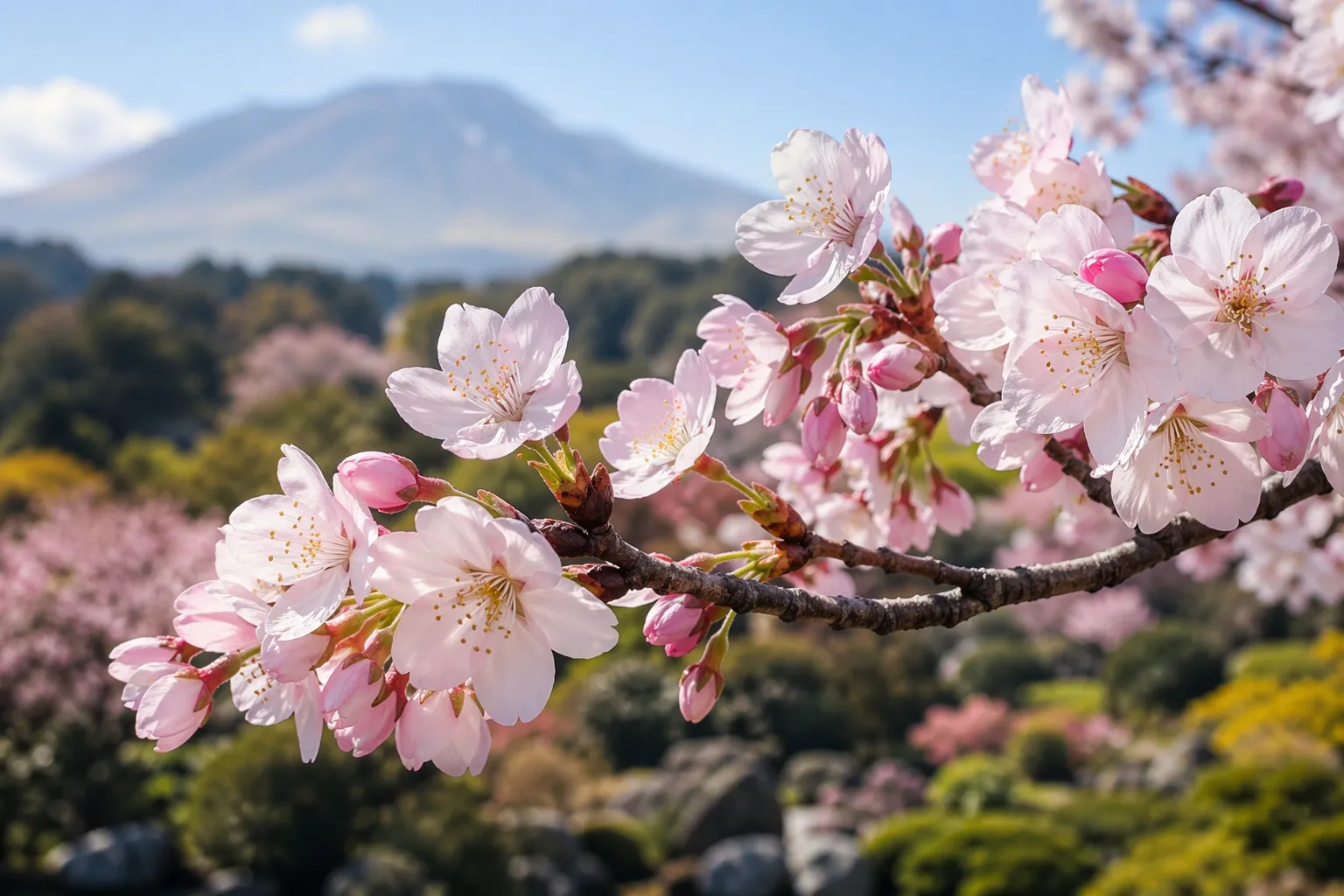
Korea’s Cherry Blossom Ending in 2026 is not a crowded city street or a famous riverside festival. It is a Jeju king cherry tree in full bloom at the National DMZ Native Botanic Garden, high in Yanggu’s Punchbowl area, where spring arrives a little later and lingers a little differently.
I think that makes the moment feel even more memorable. The season starts in the south, moves steadily through the country, and finishes in a cool northern garden where a tree from Jeju has adapted and bloomed. For you as a traveler, flower lover, or simply someone who enjoys Korea’s seasonal rhythms, this is a gentle reminder that spring does not end all at once. Sometimes, it saves one of its most meaningful scenes for last.
About the Author