Foreign tourist shopping at Korean Convenience Stores has moved beyond a quick stop for bottled water or snacks. In major visitor districts such as Myeongdong, Hongdae, Seongsu, and Insadong, convenience stores are becoming practical places to try everyday Korean food, buy compact souvenirs, and use traveler-friendly services.1
The shift is supported by rising inbound travel. In the first quarter of 2026, South Korea received 4,759,471 foreign visitors, up 23% from the same period a year earlier and the highest first-quarter figure on record, based on the reporting that cited tourism data.1 Korea Tourism Data Lab also released the provisional first-quarter 2026 inbound tourist survey results on May 28, 2026, with final figures scheduled for late May 2027.2
Why Foreign Tourists Are Putting Convenience Stores on the Itinerary
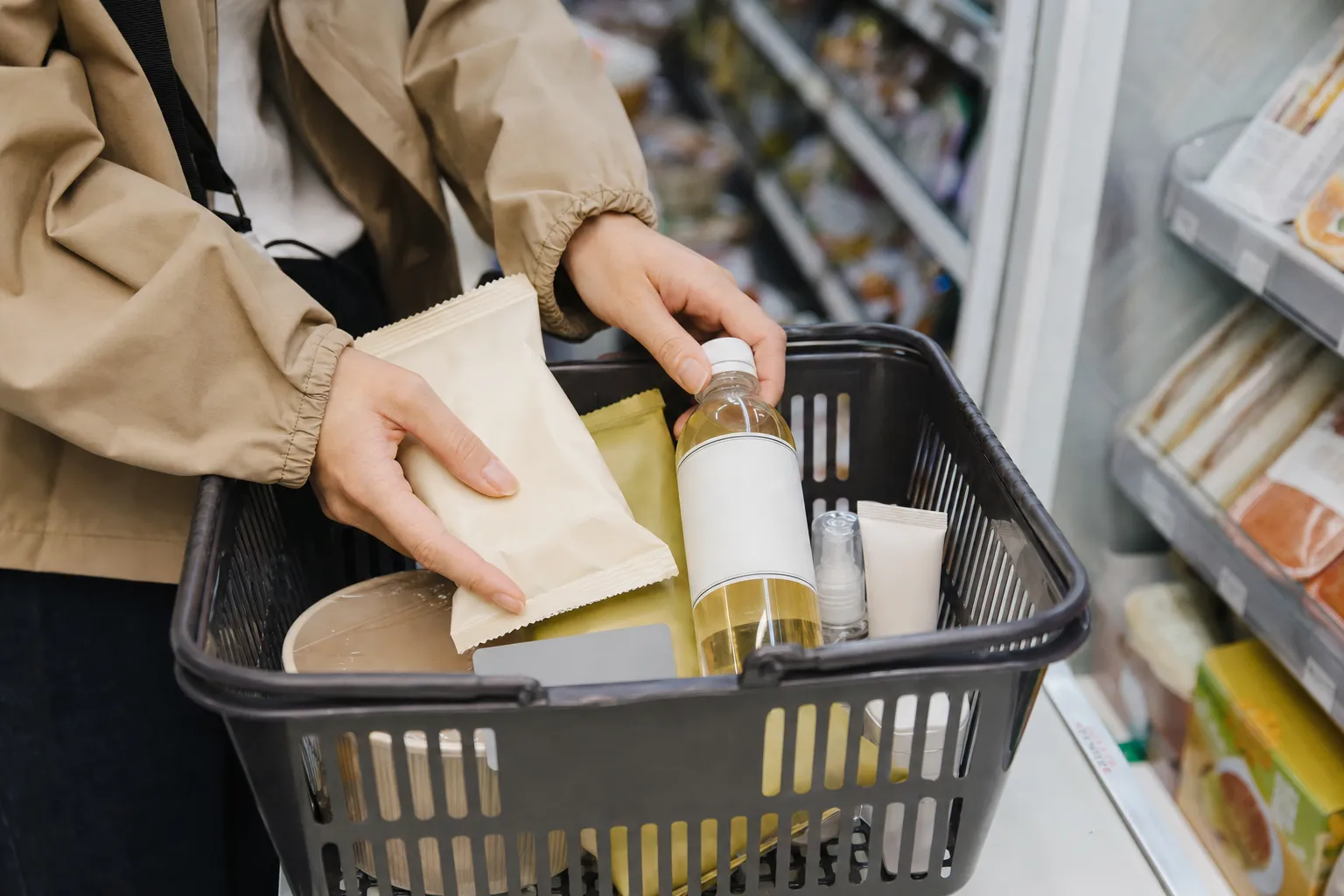
For visitors, the appeal is simple: Korean convenience stores are easy to access, usually stocked with recognizable K-food items, and located near sightseeing and shopping streets. The products are also tied closely to ordinary Korean daily life, which helps explain why a quick store visit can feel like a low-effort cultural stop rather than only an errand.
The business data points in the same direction. In 2025, foreign customer sales or payment amounts rose 101.2% at CU, 74.2% at GS25, and 60% at 7-Eleven.1 Maeil Business Newspaper also reported that Emart24’s foreign customer sales increased 38% in 2025, while total foreign tourist arrivals reached 19.84 million that year.3
The trend continued into early 2026. In January and February 2026, foreign payment amounts at major convenience store chains rose by more than 50% year over year, with GS25 foreign simple-payment sales up 81.4%, 7-Eleven up 75%, and CU up 54.1%.4
Industry comments in the source material describe the change as more than a sales bump. One retail industry official said independent travelers increasingly see convenience stores as places to experience Korean culture.3 Another industry official said foreign tourists’ spending is expanding from famous brands and duty-free goods to products Koreans eat and enjoy in everyday life.1
What to Buy: Practical Picks for First-Time Visitors
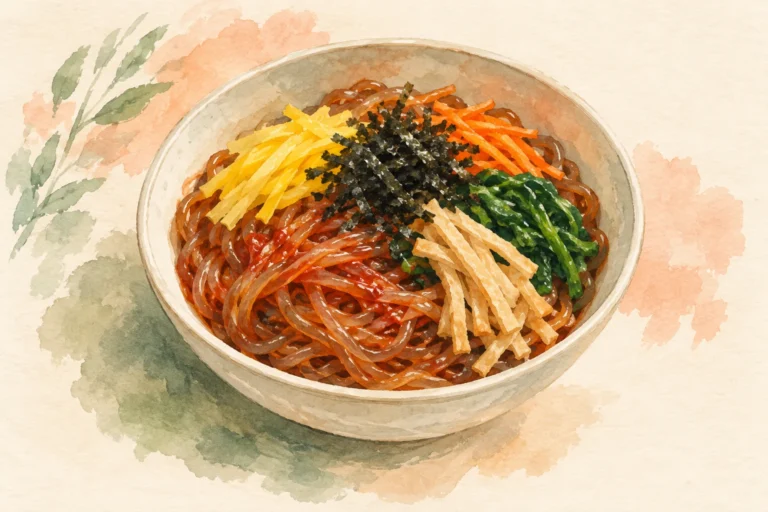
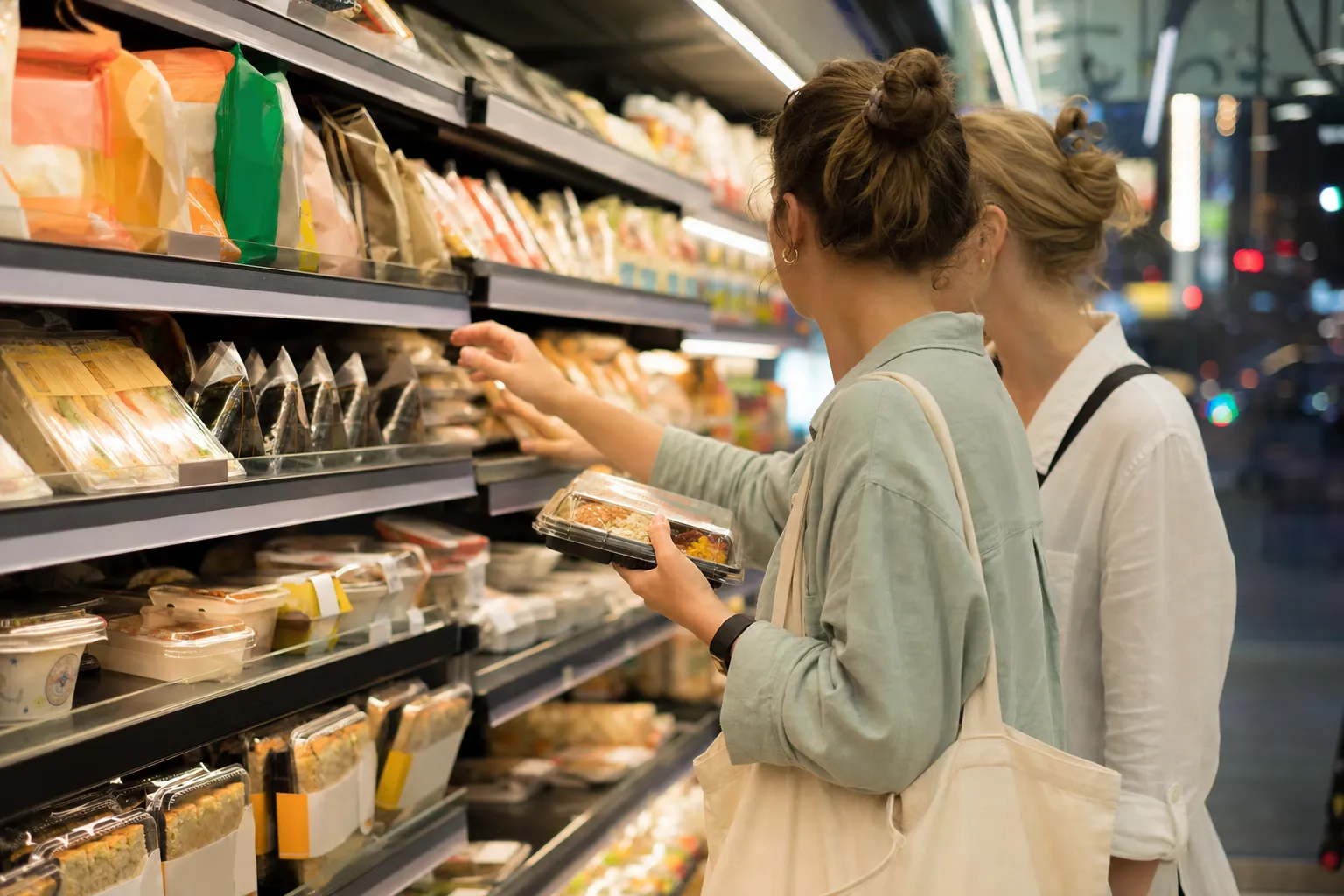
The most consistently mentioned shopping items are not luxury goods. They are everyday convenience-store staples: ramen, triangle gimbap, banana milk, flavored dairy drinks, and items connected to instant cooking experiences in stores located in tourist areas.1
Ramen is a major draw because it is inexpensive, easy to understand, and increasingly presented as a browsing experience. CU has expanded its “ramen library” format to 120 stores nationwide, giving visitors a more curated way to compare instant noodle choices.4 Emart24 has also built a ramen-focused concept in Myeongdong: K-Food Lab Myeongdong, officially opened on March 18, 2026, with a ramen archive of about 170 varieties.5
Banana-flavored milk is another strong shopping-list item. Financial News reported that Binggrae Banana Flavored Milk was the most purchased product by foreign tourists at CU and GS25 in 2025.6 The same report said a mix of banana-flavored milk and hazelnut coffee spread on social media, while Yelp searches for banana milk latte rose 1,573% over the previous year.6
For visitors who want a simple, source-backed shopping list, the strongest choices are therefore ramen, triangle gimbap, banana milk, strawberry-flavored milk, Melona-flavored milk, and other compact K-food items that are easy to carry or try immediately.16 If the goal is to bring something home, check packaging size and storage needs before buying dairy products or chilled items.
Where to Go and What Services to Look For
The most practical areas to start are tourist-heavy commercial districts. Reports specifically mention convenience stores in Myeongdong, Hongdae, Seongsu, and Insadong as places where demand for ramen, triangle gimbap, banana milk, and instant cooking experiences has grown.1 These districts are also easier for travelers because stores are used to high visitor traffic.
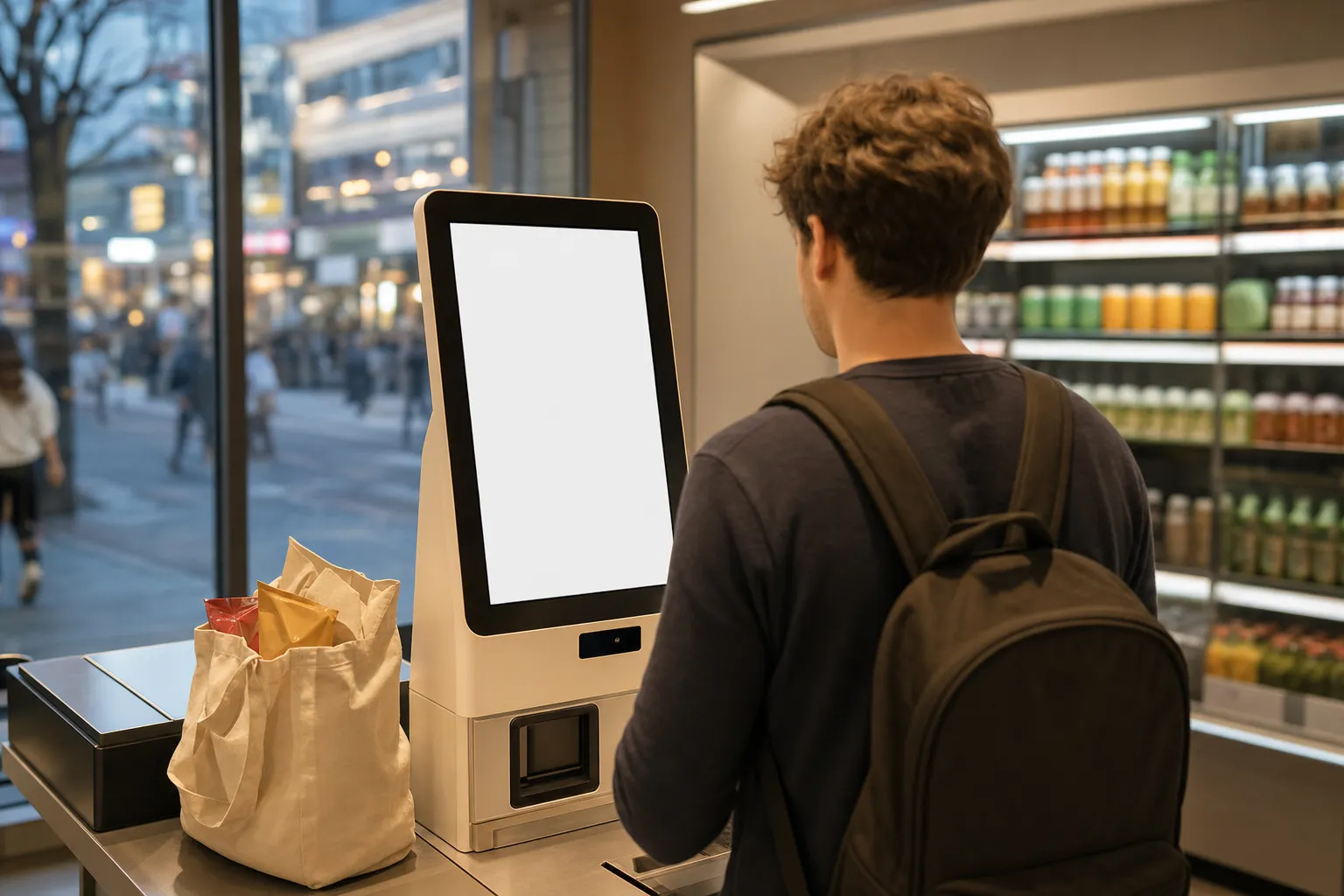
Myeongdong is especially notable because Emart24 opened K-Food Lab Myeongdong there for foreign tourists. The store includes about 170 ramen varieties, K-beauty items, K-pop goods, foreign-language guidance, a tax-free kiosk, and unmanned currency exchange.5 Those features matter if you are comparing stores not only by products, but also by how smoothly you can pay, understand instructions, and handle travel-related needs.
Retailers are also trying to reduce friction for non-Korean speakers and overseas payment users. Industry coverage says convenience store chains have worked on AI interpretation, overseas payment discounts, and stores specializing in K-food and K-culture to attract foreign customers.3 That does not mean every branch offers the same support, so visitors should treat those services as store-specific rather than universal.
For a smoother visit, focus on stores in the busiest tourist zones first, look for tax-free or foreign-language signs where available, and choose products that match your immediate plan: ready-to-eat food for a quick meal, ramen for an in-store preparation experience where supported, or packaged snacks and drinks for light souvenirs.
Quick FAQ
What are foreign tourists buying most at Korean convenience stores?
The strongest product-level detail in the sources is that Binggrae Banana Flavored Milk was the top item purchased by foreign tourists at CU and GS25 in 2025. Ramen, triangle gimbap, banana milk, and instant cooking experiences are also repeatedly mentioned in tourist-area store coverage.16
Are Korean convenience stores replacing duty-free shopping for visitors?
The sources do not say they have fully replaced duty-free shopping. They show that convenience stores are becoming a bigger part of visitor spending, with industry comments noting that tourists are expanding from famous brands and duty-free goods into everyday Korean products.1 !Korean convenience stores tourist area services Seoul For foreign visitors, Korean convenience stores now work best as practical culture stops: easy to find, quick to use, and filled with everyday products that are already drawing measurable tourist spending. Start in major visitor districts, choose simple K-food staples first, and check each branch for traveler services such as foreign-language guidance, tax-free kiosks, or payment support before assuming they are available everywhere.
References
- “물 사러 갔다가 봉투 한가득”…외국인 관광객, 이제 면세점 대신 편의점 간다 (세계일보, 2026-06-26)
- 2026년 외래관광객조사 1분기 결과[잠정치, 한국문화관광연구원] (한국관광 데이터랩, 2026-05-28)
- 관광객들 “한국가면 무조건 편의점부터”…매출 최대 2배 늘었다 (매일경제, 2026-02-05)
- 외국인들 한국 오면 편의점 턴다… K-컬처 전초기지된 편의점 (대한경제, 2026-03-17)
- 이마트24, 라면 아카이브 편의점 'K-푸드랩 명동점' 오픈 (신세계그룹 뉴스룸, 2026-03-16)
- “한국 가면 무조건 먹는다”..외국인 편의점 쇼핑 리스트 1위는 ‘이것’ (파이낸셜뉴스, 2026-02-14)
About the Author