Tablo’s broadcast review revelations are best understood not as a single complaint, but as a long-running pattern of friction between Epik High’s work and Korean broadcast screening systems. This curated overview brings together source-backed cases involving music videos, lyrics, brand references, and Tablo’s own comments on what censorship did and did not take away from listeners.
The through-line is clear: Tablo censorship stories have often sat at the intersection of broadcast standards, artistic intent, and public interpretation. Across the available reports, the disputes range from explicit visual concerns in a music video to lyrical review decisions that artists later discussed with a mix of frustration and irony.
Tablo Broadcast Review Revelations in Context
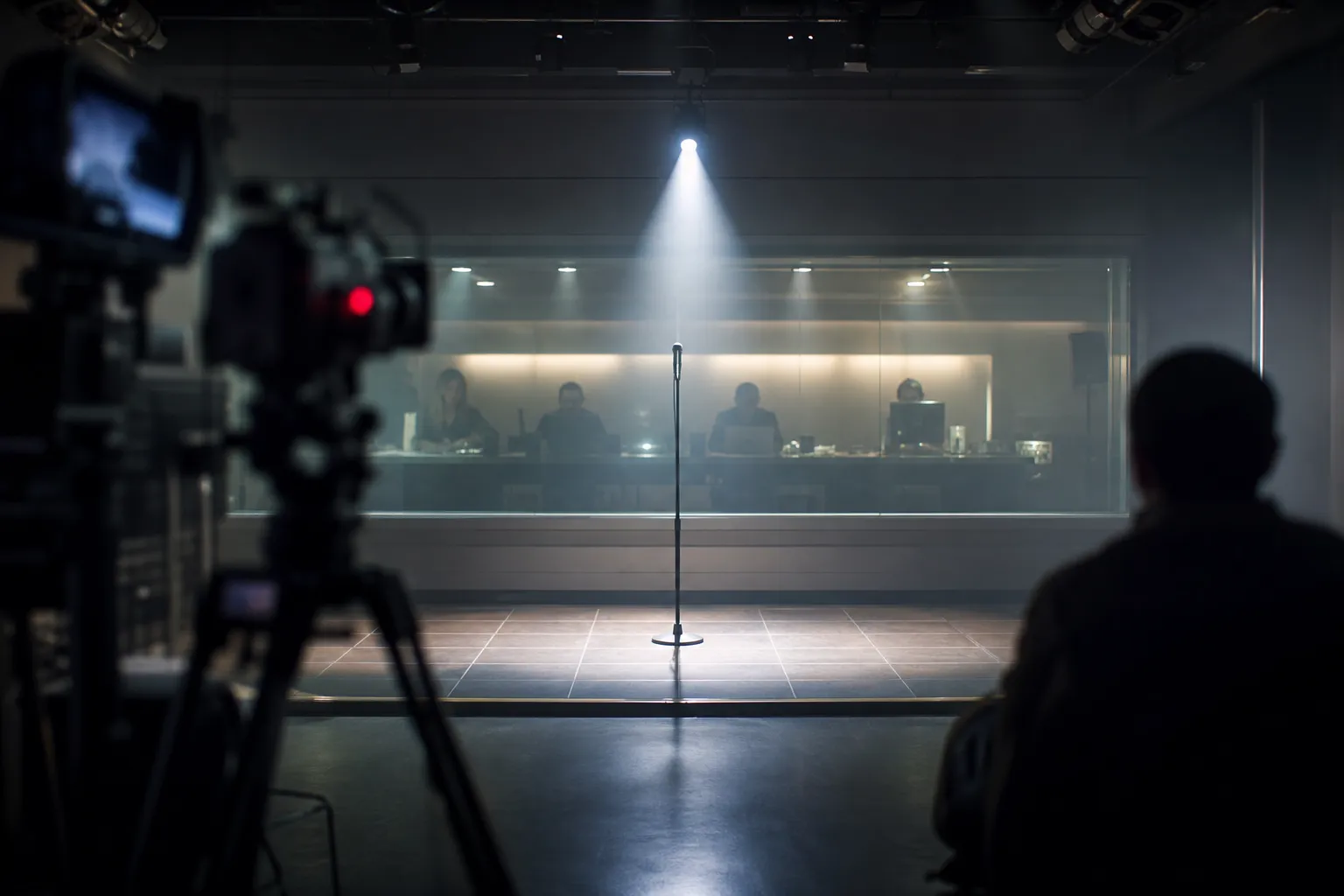
One of the earliest cited cases came in 2005, when StarNews reported that the music video for Epik High’s third-album title track “Fly” received a terrestrial broadcast ban from MBC and KBS review processes. The issue was not the song alone, but the video’s hostage-crisis subject matter and imagery. Woollim Entertainment said reviewers pointed to guns, sniping, explosions, and scenes of a person coughing blood as unsuitable elements. A company representative described the response as one of “doubt and embarrassment,” reflecting the agency’s surprise at the ruling.1
That case matters because it shows how broadcast review did not only evaluate lyrics. Visual storytelling could also determine whether a song’s promotional material reached mainstream television audiences. For a group whose appeal often depended on narrative, atmosphere, and social commentary, the “Fly” ruling became an early example of how broadcast suitability standards could limit presentation even when the music itself remained available elsewhere.
A later interview collected by PlayDB adds a broader artist-side perspective. In that conversation, Epik High discussed having review issues with each album. Tukutz recalled that even a lyric containing the word “review office” did not pass, while Tablo clarified the boundary between broadcast review and full prohibition: review bodies could restrict broadcast exposure, but they could not remove the listener’s freedom to hear the music on CD. His line, “They cannot take away that freedom in the review office,” framed broadcast review as powerful but not absolute.2
That distinction is central to this roundup. The sources do not support the idea that every reviewed song was completely banned from public access. Instead, they point to a more specific system: broadcast eligibility, television exposure, and what could be aired through major channels.
Key Cases at a Glance
| Year / Date | Medium | Work or setting | Review issue or comment | Source-backed takeaway |
|---|---|---|---|---|
| 2005-09-29 report | Music video | Epik High’s “Fly” | MBC and KBS judged hostage-crisis visuals unsuitable, including gunfire, sniping, explosions, and blood-related imagery | The video was reported as unavailable for terrestrial broadcast.1 |
| Unknown publication date | Interview | PlayDB interview with Epik High | The group discussed repeated album review problems; Tukutz mentioned a lyric containing “review office” failing review | Tablo emphasized that CD listening freedom remained outside broadcast review.2 |
| 2010-05-10 report | TV interview coverage | QTV “Talk Asia” | Tablo reflected on songs facing censorship and broadcast ineligibility | He described censorship ironically as something that made him “special.”3 |
| 2017-05-17 report | Song review | Psy’s 8th album track “Auto Reverse,” featuring Tablo of Epik High | KBS rejected the song because “Walkman,” a specific product brand, was repeatedly mentioned | KBS treated repeated brand naming as a broadcast suitability issue.4 |
| 2025-06-10 report | YouTube-related coverage | Epik High YouTube video released on 2025-05-28 | Tablo discussed the past Tajinyo case and said some participants were entertainers | This is separate from broadcast review but part of the wider public record around scrutiny directed at Tablo.5 |
The 2017 case involving Psy’s eighth studio album shows another kind of review logic. Sports Kyunghyang reported that KBS judged four tracks from the album unsuitable for broadcast because of inappropriate lyrics. Among them, “Auto Reverse,” featuring Tablo of Epik High, was flagged for repeated use of “Walkman,” treated as a specific product brand. KBS’s review office stated that repeated mention of a particular product brand was judged unsuitable.4
Compared with the “Fly” music video case, the “Auto Reverse” ruling was less about violence or imagery and more about commercial reference. Together, the two cases show why a curated view is useful: the same broad phrase, broadcast censorship, can refer to different standards depending on the medium. A music video might be challenged for visual content, while a song lyric might be blocked over brand-name repetition.
What Tablo’s Comments Add
Tablo’s own comments across the sourced material give these cases a sharper interpretive frame. In the 2010 Busan Ilbo coverage of his QTV “Talk Asia” interview, he discussed depression, music, and his early Stanford graduation, while also mentioning that his songs had faced censorship and broadcast ineligibility. His remark that “censorship made me special” was presented as an ironic comparison to a kind of promotional effect, not as a formal endorsement of the system.3
The available sources also place Tablo’s broadcast-review comments beside other public disclosures from later years. FT Sports reported that in an Epik High YouTube video released on 2025-05-28, Tablo said some people involved in the past Tajinyo harassment case included people he had considered friends and some entertainers. He was quoted as saying, “There were some entertainers too.”5 Financial News, citing Newsis, separately reported on a 2025 YouTube-related anecdote in which Tablo discussed being hit by a senior entertainer, including the senior’s comment that he disliked Tablo because he was “not very friendly.”6
Those 2025 reports are not broadcast-review cases in themselves. Still, they help explain why older censorship and screening remarks continue to draw attention: Tablo’s public storytelling has repeatedly returned to systems of pressure, whether institutional, industry-based, or audience-driven. The broadcast review cases are the most concrete examples here because they include named works, review bodies, and stated reasons.
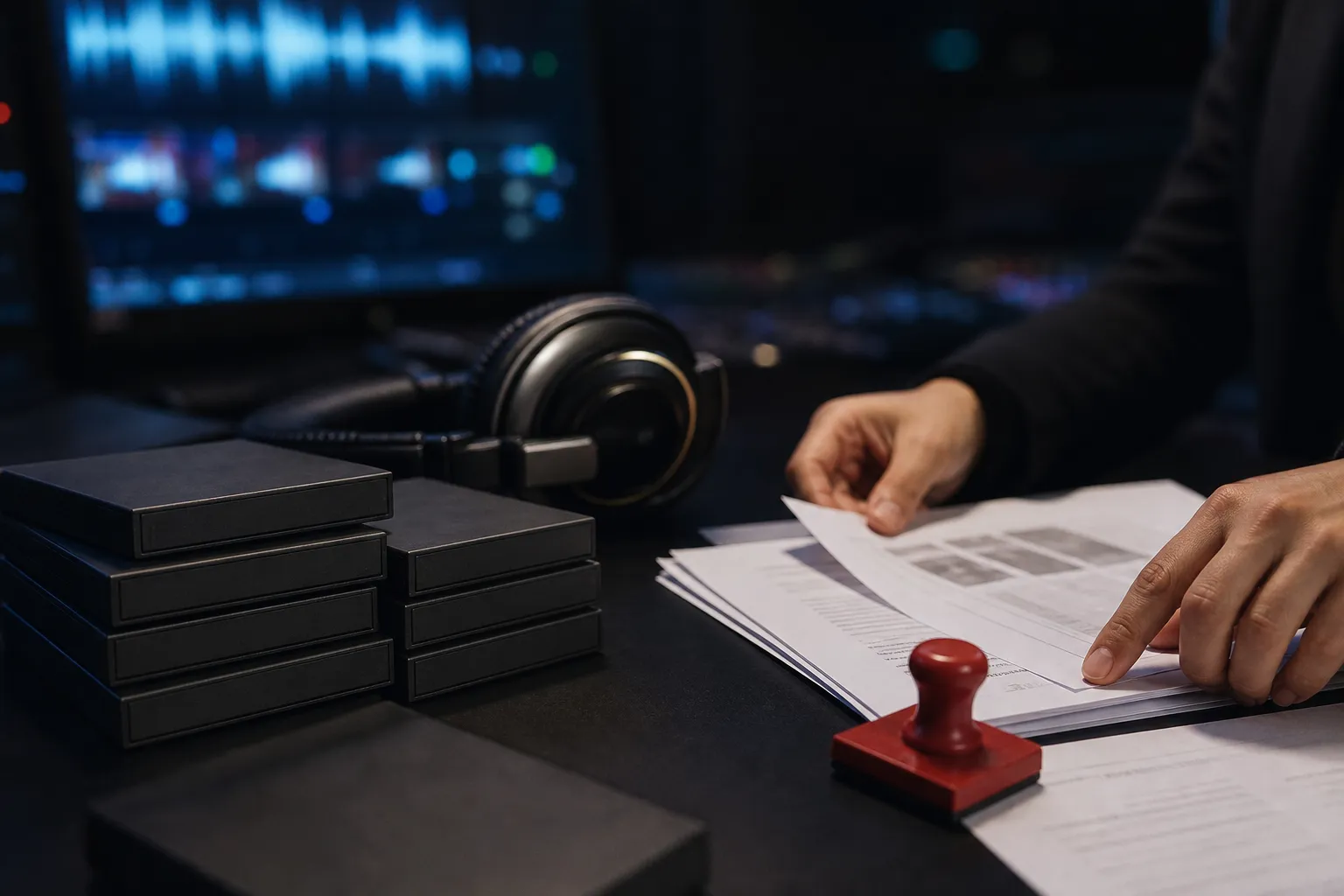
Taken together, the sourced record shows a consistent but specific pattern. Tablo and Epik High encountered broadcast review barriers across different eras, yet the reported reasons varied: violent or disturbing visuals in “Fly,” lyrical review issues discussed in interviews, and brand-name repetition in “Auto Reverse.” The strongest conclusion is not that every work was broadly prohibited, but that Korean broadcast suitability rules repeatedly shaped how Tablo-linked music could appear on mainstream television.
References
- 인질극 소재 에픽하이 뮤비, '지상파 방송불가' 판정 (스타뉴스, 2005-09-29)
- 낭만적 수다꾼, 에픽하이 (플레이DB)
- 타블로, '내 안에 우울증이 있다'. (부산일보, 2010-05-10)
- KBS, 싸이 8집 수록곡 4곡 무더기 방송 부적격 판정 “부적절한 가사 때문” (스포츠경향, 2017-05-17)
- 타블로, “타진요 가해자 중 동료 연예인 있었다”…15년 만에 충격 폭로 (FT스포츠, 2025-06-10)
- 타블로, 연예계 선배 폭행 폭로 "넌 별로 살갑지 않아" (파이낸셜뉴스 / 뉴시스, 2025-06-04)
About the Author