
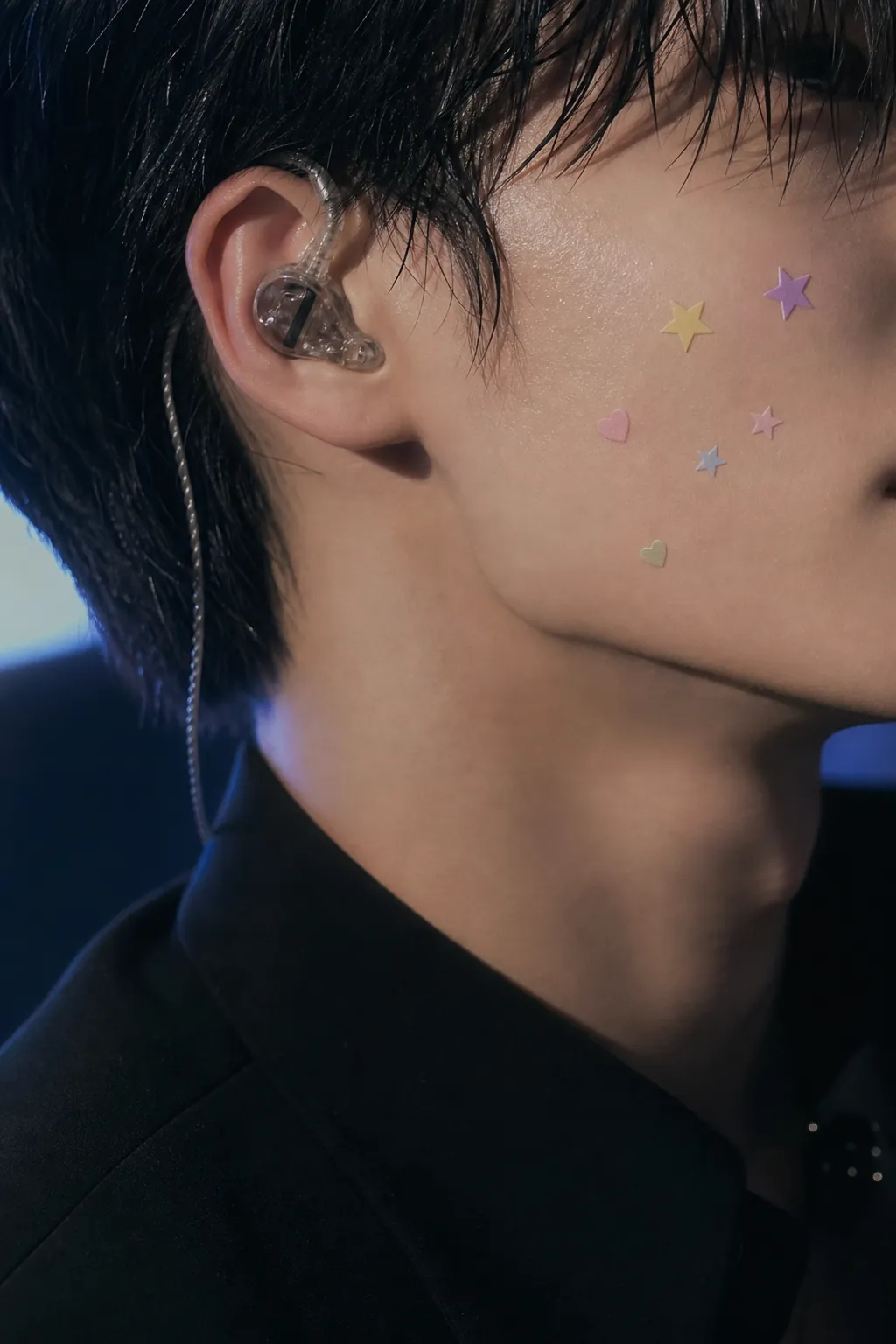
The James acne patch conversation is not just about a small skincare sticker. It is about how CORTIS member James turned a practical blemish-care item into a visible styling cue, moving across fan photos, social edits, beauty blogs, and brand narratives without relying on a single confirmed official campaign.
The most current reporting describes James as having worn colorful acne patches over the past few months at airports, rehearsals, and unofficial schedules, where fans noticed decorative spot patches in his styling. allkpop reported on May 22, 2026, that SINSURU decorative spot patches had been seen in fan photos, while also framing the spread as a social media and fan-edit phenomenon rather than an official advertisement or campaign.1 That distinction matters: the trend appears to have grown from visibility and interpretation, not from a conventional endorsement announcement.
James Acne Patch Visibility Became Fan-Led Beauty Content
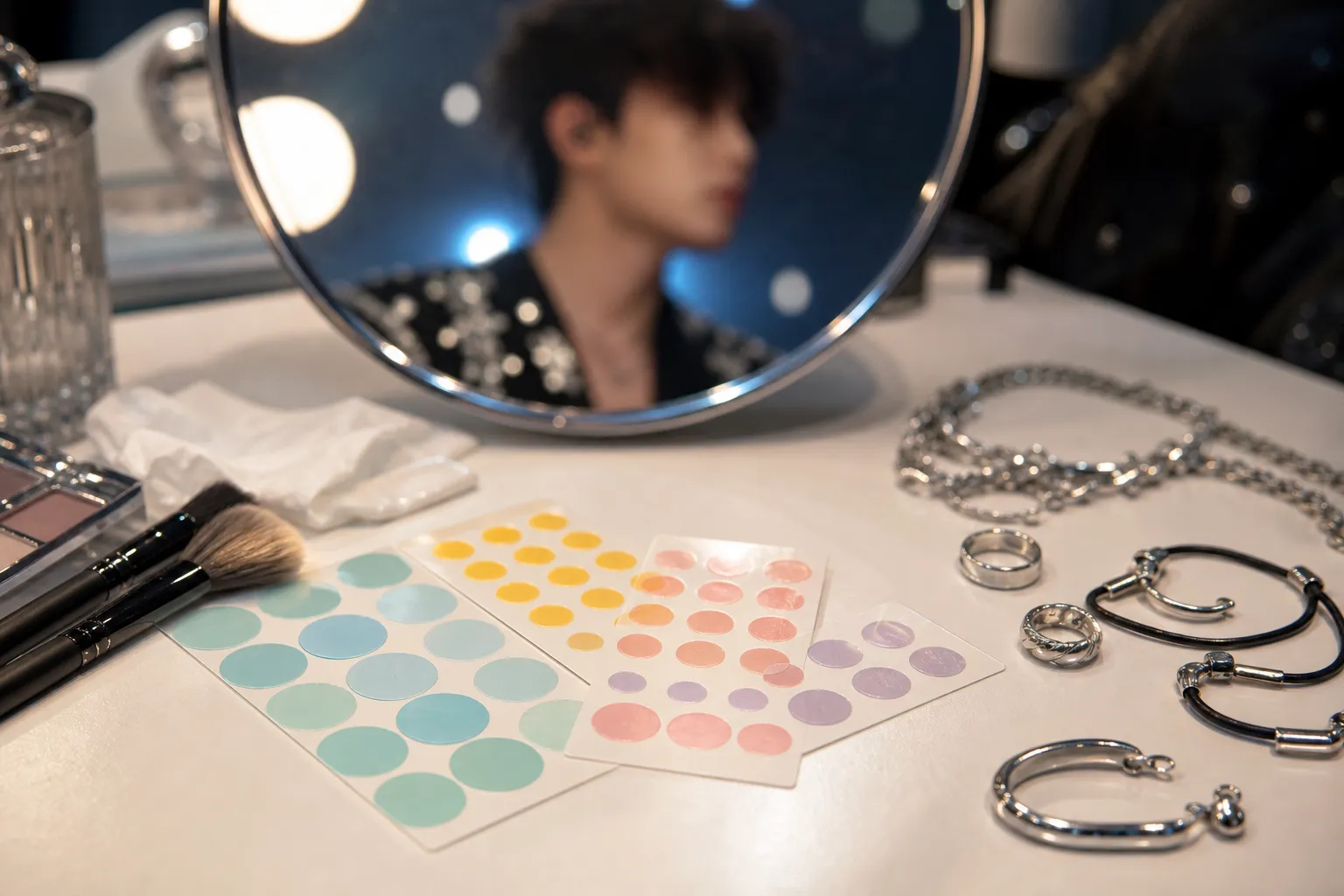
The first layer of the trend is simple: James made the acne patch visible. Instead of treating the patch as something to hide under makeup or avoid in public-facing moments, the reported sightings placed colorful patches inside the ordinary visual grammar of idol movement: airport styling, rehearsal looks, and informal appearances. That made the product category legible as both skincare and accessory.
A March 31, 2026 OOTD Beauty blog post pushed a more product-specific version of the story, saying that a CORTIS video featuring James wearing a teal star-shaped spot patch reached 4 million TikTok views and 8.9 million Instagram views within 48 hours. The same brand post identified the item as OOTD Beauty Star Spot Patch and said fans searched for it, but because the source is the brand’s own blog, the product identification and sales-facing framing should be read as brand claims rather than independent confirmation.2
Even with that caution, the broader pattern is clear. Fan attention was not limited to whether James had clear skin or a skin concern; it focused on the patch as a visual object. A teal star or a colored decorative patch changes the meaning of the item. It becomes a small but intentional-looking detail, easy to screenshot, crop, caption, and copy. In that environment, the James acne patch trend sits at the intersection of beauty utility and idol image-making.
The May 22 reporting also links the visibility to U.S. retail movement: SINSURU was described as preparing offline sales touchpoints in the United States through Los Angeles KOLLAB and Brooklyn’s Haus of K pop-ups this summer.1 The available information does not prove that James alone caused that expansion. What it does show is that brands and media are reading fan-driven visibility as commercially meaningful, especially when a product can be recognized in photos and discussed without a formal campaign structure.
Why This Fits CORTIS’s Broader Beauty Positioning
The acne patch moment did not happen in isolation. CORTIS had already been placed in a beauty context before the May 22 article. Marie Claire Korea reported that CORTIS was selected as Torriden’s new exclusive model and that the campaign began with a teaser video on March 11, 2026. The outlet also described this as CORTIS’s first exclusive beauty model activity after debut.3
That background helps explain why a patch on James could become more than a one-off fan observation. CORTIS was already being presented through skincare language, especially around trouble care. Newspim reported on March 19, 2026 that Torriden’s campaign with the BigHit Music rookie group used the movie-style title “No Trouble Is Uncontrollable” and included Balanceful Cica Control Serum promotion, outdoor ads in major Seoul areas such as Seongsu, Gangnam, and Hongdae, and a March 23-29 special gift event for purchasers.4
The campaign’s premise, centered on controlling skin trouble, makes the James acne patch conversation feel aligned rather than accidental. Acne patches are not identical to serum promotion, and the sources do not say the patch sightings were part of Torriden’s campaign. But both sit inside a larger beauty narrative in which skin concerns are not edited out of the image. They are made visible, named, and turned into style or story.
That reading is strengthened by CORTIS’s own artistic framing around the mini album ‘GREENGREEN’. Newsis reported from the April 20, 2026 pre-release showcase that the members described “rejection” and “erasure” as key ideas for the album, while James discussed a visual approach that allowed skin texture to remain visible. He said he suggested showing themselves as they are, even if skin texture or dark circles appeared.5 In another comment from the same showcase, James said the process helped them better understand what they truly wanted to say and pursue.5
Those statements do not directly endorse acne patches. However, they provide useful context for why the patches resonated. If CORTIS’s visual language includes less polished skin expression and a rejection of overly smooth artificiality, then a visible patch can read as consistent with that identity. It is a small object carrying a larger message: imperfection is not automatically a flaw to erase.
From Product Placement to Cultural Signal
The James acne patch phenomenon also illustrates a shift in how K-beauty trends move through idol culture. Traditional beauty marketing often depends on polished campaign images, exact product names, and controlled messaging. This case is looser. A patch is seen, fans circulate the image, brands interpret the attention, and media connect it to broader beauty behavior.
StarNews reported on April 2, 2026 that CORTIS had become a notable force in advertising, pointing to the group’s creative image and fandom influence. The same article said Torriden stated that a planned product linked to CORTIS sold out in 10 minutes, and that CORTIS’s official Instagram and TikTok accounts each surpassed 10 million followers, described as a first among K-pop boy groups that debuted within the past five years.6 Those details help explain why even small styling elements around the members can travel quickly. The audience infrastructure is already large, active, and trained to notice details.
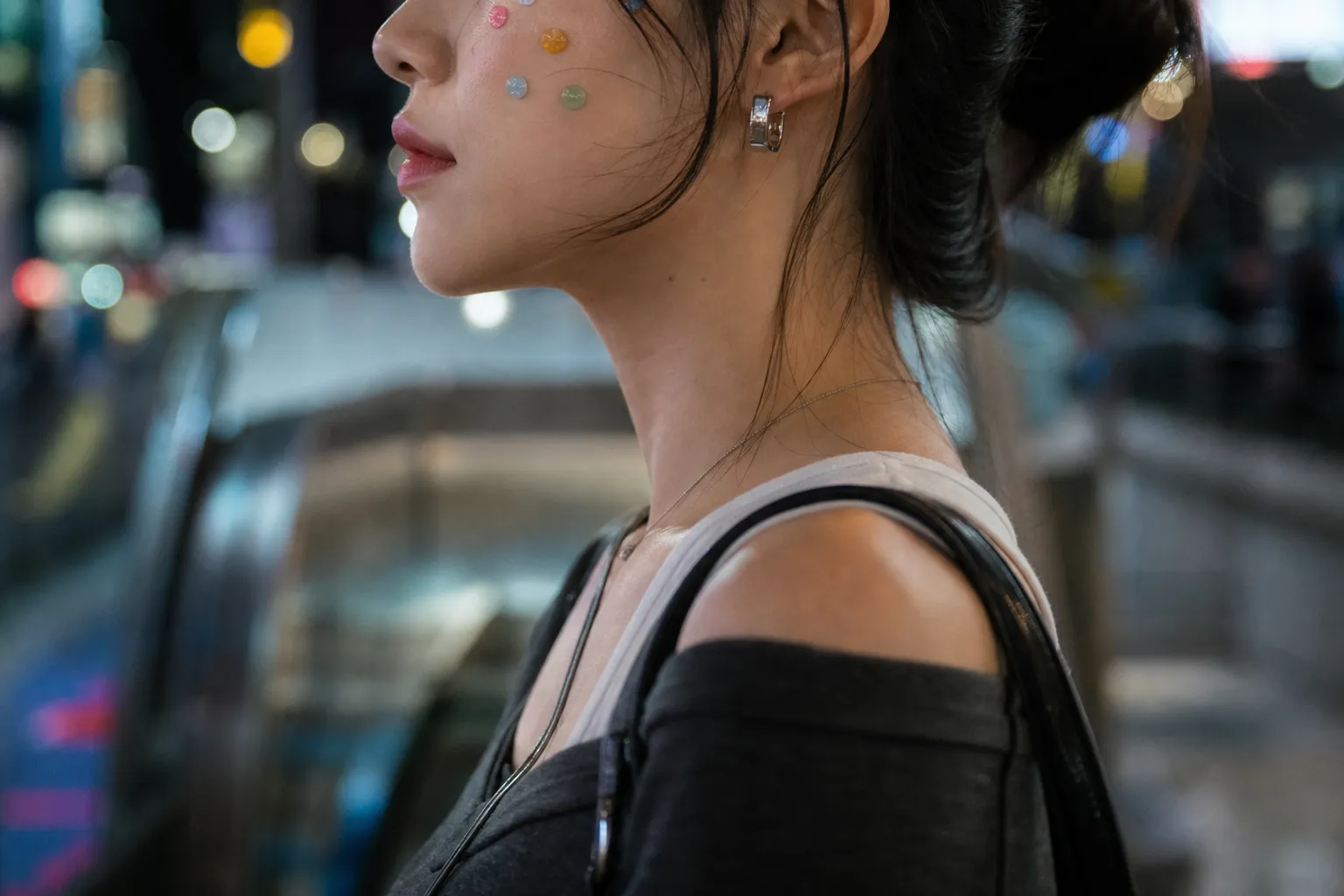
The key analytical point is that the patch’s meaning depends on context. On its own, an acne patch is a skincare item. On James, in fan images and official-adjacent beauty discourse, it becomes a sign of casual visibility, youth styling, and a less concealed relationship with skin. The evidence supports a careful conclusion: James did not merely make an acne patch noticeable; he helped make it interpretable.
The trend’s strength lies in that interpretability. It can be discussed as product discovery, idol styling, fan participation, or beauty branding, depending on who is looking. That flexibility is why the James acne patch story has traveled beyond a single sticker and become part of the larger conversation around CORTIS, K-beauty, and the public styling of real skin.
References
- CORTIS's James renews pimple patch trends, being spotted with SINSURU patches, available now in stores in the U.S. (allkpop, 2026-05-22)
- How Cortis's James Turned a Teal Star Pimple Patch Into HYBE's Biggest K-Beauty Viral Moment (OOTD Beauty, 2026-03-31)
- 영크크의 피부 비결은? 코르티스와 토리든의 만남 (마리끌레르 코리아, 2026-03-12)
- 토리든, 전속모델 코르티스 공개…캠페인 필름으로 이목 집중 (뉴스핌, 2026-03-19)
- 코르티스, 매끈한 가짜보다 기꺼이 깨어지는 진짜…파열음 미학 '레드레드' (뉴시스 / 다음뉴스, 2026-04-20)
- 코르티스 잡아라..광고계 대세가 된 'CORTIS 효과' (스타뉴스, 2026-04-02)
About the Author