
StartingMarch 7, 2026, commuters in South Korea’s capital region face a new exit tag penalty for forgetting to tap their transit cards when exiting subway stations. This measure aims to curb fare evasion and ensure equitable cost distribution across the public transportation network.

Image content may not directly reflect the article content.
exit tag penalty: Understanding the new Seoul subway rule
The policy change responds to persistent fare avoidance behaviors that have long plagued Seoul’s extensive metro system. Transportation authorities estimate that approximately 8,000 passengers daily fail to tag their cards upon exit, effectively riding without paying distance-based fares. While similar penalties existed for bus transfers, this expansion to subway-only journeys represents a significant tightening of enforcement measures.
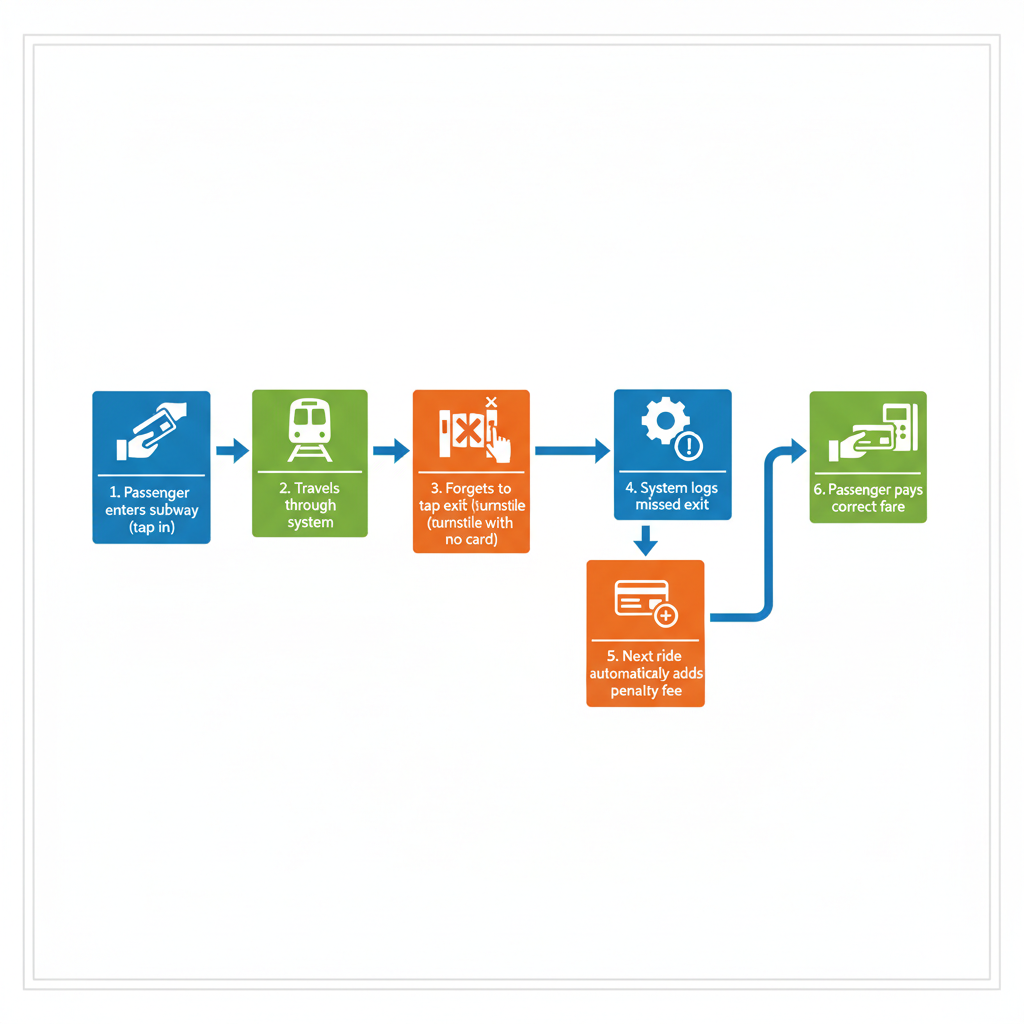
Image content may not directly reflect the article content.
The Seoul Metropolitan Government announced that beginning with the first train on March 7, passengers who neglect to tap their transportation cards at subway exit turnstiles will automatically incur a penalty fee on their next ride. Adults will be charged 1,550 won (approximately $1.10), youths 900 won, and children 550 won. The system applies to both prepaid and postpaid transportation cards, excluding periodic passes, single-ride tickets, and certain discount cards.
This initiative stems from fundamental changes in how subway fares are calculated. Unlike flat-fare systems, Seoul’s metro charges based on travel distance, requiring accurate records of both boarding and alighting stations. When passengers fail to tag out, the system cannot determine their actual travel distance, resulting in lost revenue and unfair advantages for those deliberately avoiding higher fares for longer trips.
Data analysis from January to November 2025 revealed troubling compliance patterns. Seoul Metropolitan Subway Corporation found that exit tag omissions occurred at more than twice the rate of transfer-related missed tags, despite the latter already carrying penalties. This disparity highlighted a loophole that some riders exploited to avoid paying full fares for extended subway journeys.
The penalty mechanism works through backend tracking rather than immediate confrontation. When a card fails to register an exit tag, the system logs this omission. Upon the card’s next use for entry, the basic fare is automatically added as a penalty. This approach avoids slowing passenger flow while ensuring eventual fare compliance.
Korea’s integrated transportation system presents unique challenges for fare enforcement. The Seoul Metropolitan Subway connects with numerous regional rail lines and bus networks operated by different entities. Without accurate exit data, revenue sharing between these operators becomes complicated, potentially creating disputes over rightful earnings.
Similar exit tag penalties exist in other global transit systems, though implementations vary. London’s Underground charges maximum fares for incomplete journeys on its Oyster card system. Singapore’s MRT imposes default charges for un tapped exits. However, Korea’s approach focuses specifically on recouping base fares rather than charging maximum possible fares.
The policy raises questions about balancing enforcement with passenger convenience. During rush hour, crowded conditions can make tagging difficult, potentially leading to accidental penalties. Transportation authorities acknowledge this issue but maintain that the system primarily targets deliberate fare evasion rather than honest mistakes.
For passengers who believe they were incorrectly charged, refund procedures exist though they can be cumbersome. Complainants must contact their transportation card provider’s customer service, typically requiring verification that the missed tag resulted from system error rather than user oversight. Many riders report finding the refund process too troublesome for relatively small amounts, choosing instead to absorb the occasional penalty.
Looking ahead, this measure may influence broader transportation policy discussions. As cities worldwide seek sustainable funding for public transit, ensuring fare compliance becomes increasingly important. Korea’s experience could provide valuable insights for other metro systems grappling with similar revenue protection challenges.
Image content may not directly reflect the article content.
Ultimately, the exit tag penalty represents more than just a financial deterrent. It reflects ongoing efforts to modernize fare collection while maintaining accessibility for all users. By closing this fare evasion loophole, Seoul aims to create a fairer system where transportation costs are distributed according to actual usage, benefiting both the transit authority and compliant passengers alike. This exit tag penalty measure aims to improve transit fairness.
About the Author