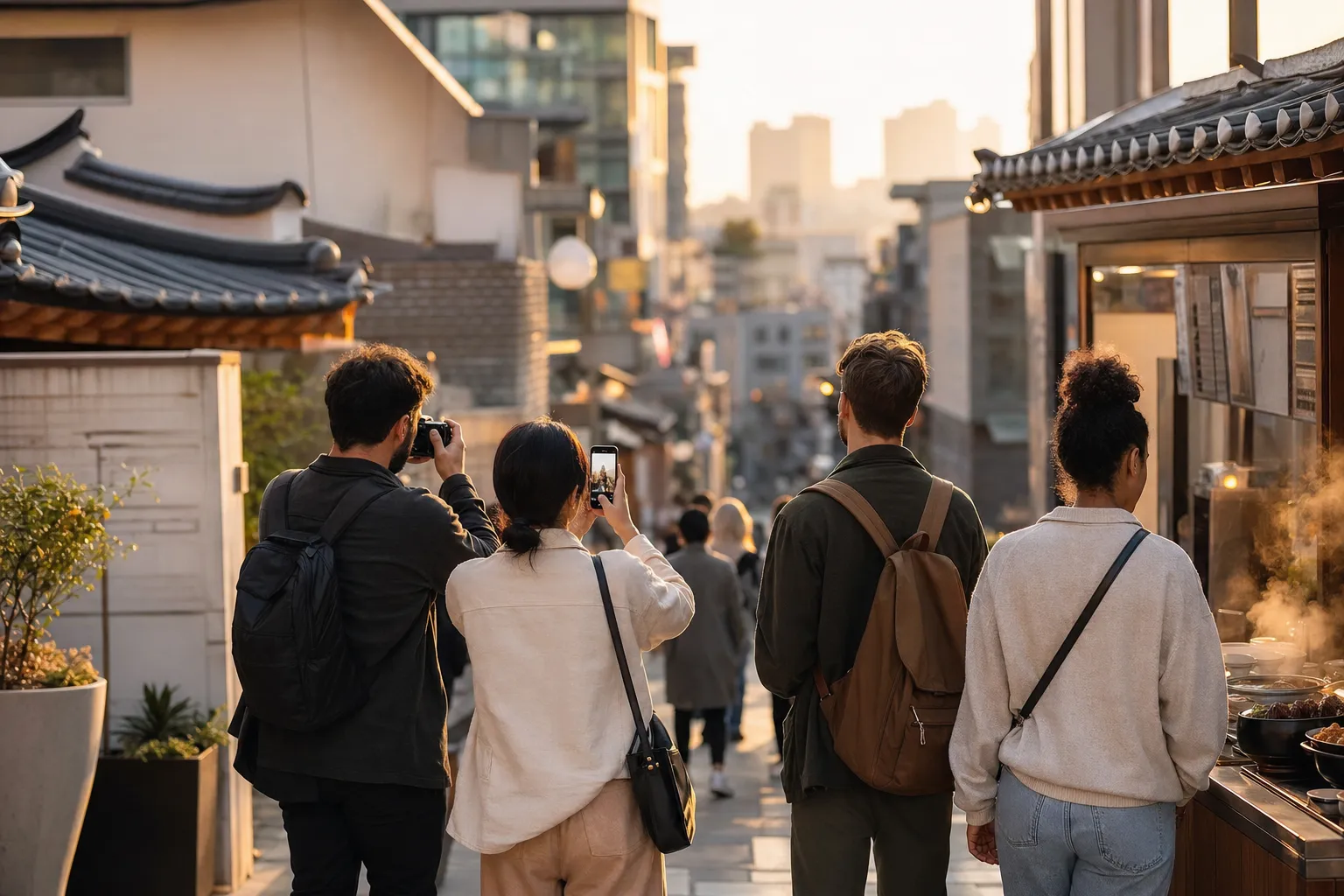
K-Culture Tourism is becoming more personal, sensory, and local through a program built around Korea’s “taste, style, and rest.” From April to November 2026, around 120 foreign influencers living in Korea are set to take part in six travel programs across the country. The idea is simple but powerful: let content creators experience regional Korean culture directly, then share those moments through social media, video, and broadcast programs. Instead of presenting Korea only through famous city landmarks, this project brings attention to meals, villages, temples, camping sites, fishing trips, traditional drinks, and even the DMZ.
K-Culture Tourism Through All Five Senses
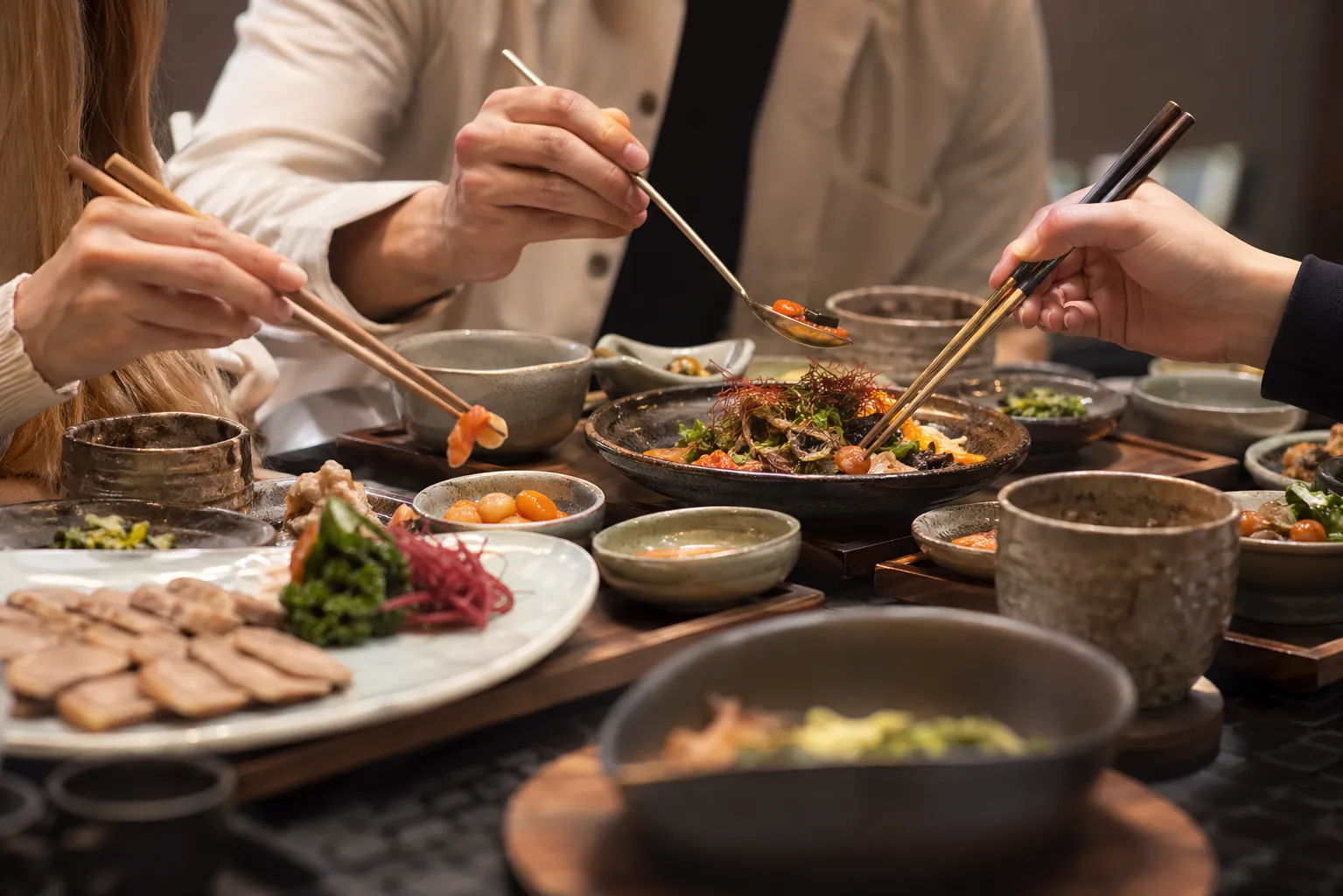
What makes this program stand out is its focus on “five-sense satisfaction.” That phrase fits the itinerary well, because the journeys are not limited to sightseeing. Participants are expected to taste local food, walk through historic neighborhoods, take part in hands-on activities, and experience the quieter side of Korean travel.
The 2026 program is organized by the Ministry of Culture, Sports and Tourism and the International Broadcasting Exchange Foundation. It brings together foreign content creators who live in Korea and are active in video production and social media. The program is planned as six rounds, with about 20 participants in each round, and each trip runs for two nights and three days.
The destinations show how broad K-Culture Tourism has become. Jeonju offers bibimbap and Hanok Village, two experiences that connect food and traditional architecture in one place. Pocheon brings in camping, giving participants a chance to show a more relaxed outdoor side of Korea. Boeun includes a temple stay at Beopjusa, where the theme of rest becomes especially clear. Andong’s Hahoe Village adds a strong heritage element, while the western coast program includes boat fishing and makgeolli making. A DMZ visit is also included, adding a more serious and historically meaningful stop to the broader cultural journey.
For travelers watching from abroad, this kind of route can make Korea feel more layered. K-pop, dramas, and beauty trends may be the most visible gateways into Korean culture, but these trips show that K-culture also lives in regional food, old villages, quiet temples, local landscapes, and community-based experiences.
From Jeonju to Goseong: Local Korea Takes the Spotlight
The participant recruitment details for 2026 also point to a strong regional focus. The program invited foreign residents in Korea who actively create video content and use social media. The recruitment period ran from March 23 to April 5, 2026, and the activity period was listed from March to November 2026. Participants were asked to create content about distinctive tourist destinations and upload it to their personal social media accounts.
The listed destinations include Jeonju, Pocheon, Boeun, Andong and Yeongju, Dangjin and Seosan, and Goseong and Sokcho. That mix is important because it avoids presenting Korea as a single image. Jeonju and Andong connect strongly with tradition. Pocheon and Boeun give room for camping and temple rest. Dangjin and Seosan point toward coastal activities and regional food culture. Goseong and Sokcho bring in the eastern coastal atmosphere.
This structure also makes the program easy for online audiences to follow. Each round has a different regional personality, and each group of creators can interpret the experience through their own language, platform, and personal style. A viewer may first discover Jeonju through bibimbap, then become curious about a temple stay in Boeun or a fishing experience on the western coast.
The project is not limited to short social posts. Travel stories from the 2026 program are planned for entertainment programming on Arirang TV, including two special entertainment episodes scheduled for the second half of the year. Thailand’s public broadcaster MCOT is also taking part by producing a separate local program. That international production element matters because it gives these regional Korean experiences a path into overseas living rooms, not just phone screens.
How K-Culture Tourism Is Expanding Beyond 2026
The 2026 program builds on a similar effort from 2025. From April to October 2025, the “taste, style, and rest” K-culture event was operated five times. Participants visited regional destinations including Gimpo and Ganghwa, Donghae and Samcheok, Gyeongju, Muju and Jinan, and Gongju and Buyeo. They experienced Korean culture, created video content, and the event videos were planned for release through Arirang TV and KOREA.net YouTube channels. A Mongolian TV production team also joined to make a local broadcast program.
One early 2025 example was the visit to Aegibong Peace Eco Park in Gimpo. On April 5 and 7, 2025, about 20 foreign video creators and online community operators visited the park as part of the first program of that year’s series. The Gimpo and Ganghwa route was only the beginning of a broader plan to introduce regional attractions through creator-made social media videos and official video channels.
K-Culture Tourism is also widening through specialized travel products for foreign independent travelers. In 2025, the Korea Tourism Organization selected 15 K-culture-focused travel products from a competition aimed at foreign individual tourists and signed business agreements with 14 operators. A total of 118 products were submitted across six areas: lifestyle, media content, art, education, ESG, and free-theme programs.
The selected products show just how varied K-culture travel can be. They include K-pop, K-beauty, a Sindang-dong ghost tour, a Busan fishing village experience tour, a K-food docent tour, a Jeju haenyeo culture experience, and a one-day gayageum class. Together, these examples show that K-Culture Tourism is no longer just about watching culture from the outside. It increasingly invites visitors to participate, learn, taste, make, and share.
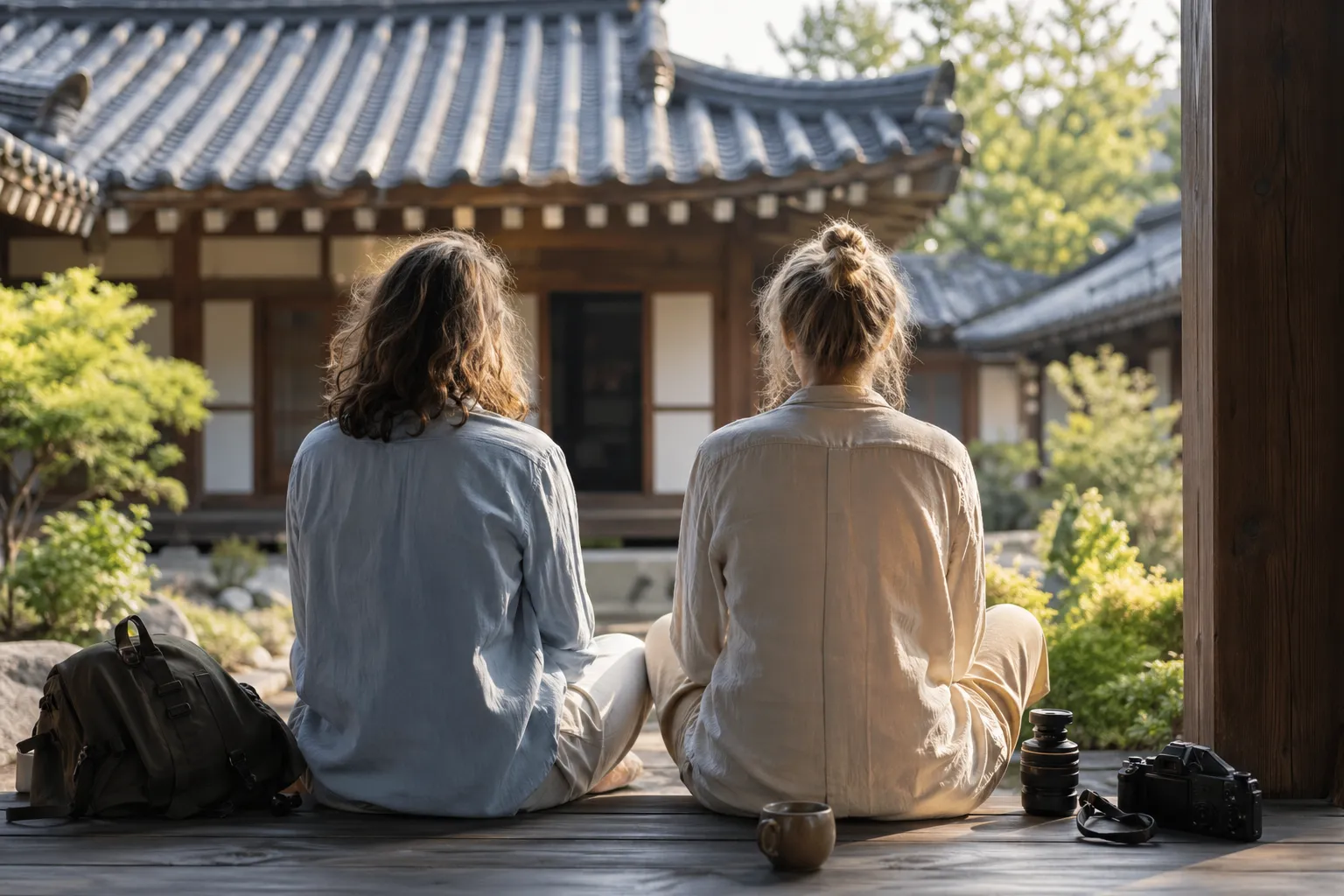
In the end, the strongest part of this movement is its human scale. Foreign creators living in Korea are not simply passing through famous attractions; they are spending several days in each region, turning direct experience into stories that others can understand. Through food, heritage, rest, craft, nature, and local travel, K-Culture Tourism is becoming a richer way to meet Korea one place at a time.
About the Author