Royal Palace Culture Festival Opening Blends Tradition, EDM and Hyper Palace Spectacle
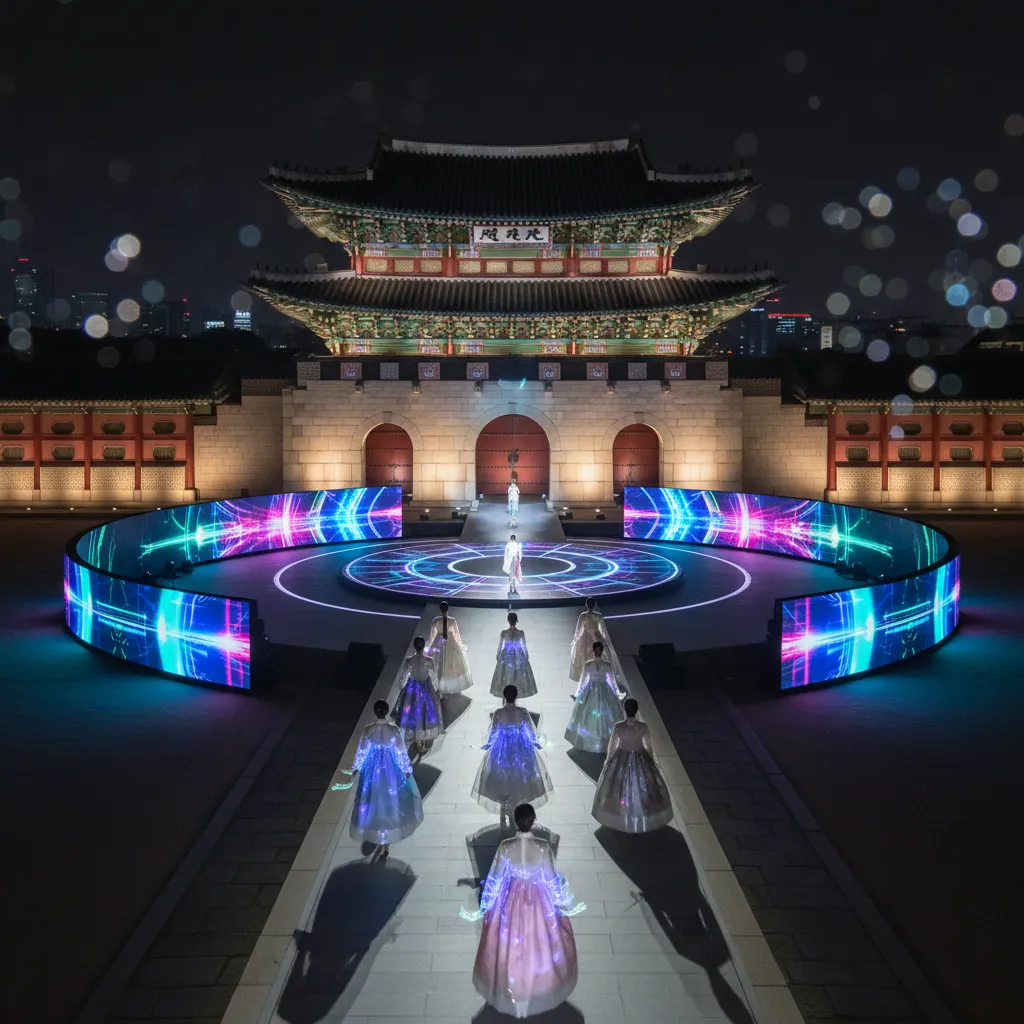
The Royal Palace Culture Festival Opening kicked off on April 24, 2026, at the Heungnyemun gate of Gyeongbokgung, Seoul, turning the historic courtyard into a futuristic “Hyper Palace” where laser art, media façades, EDM beats and a hanbok runway co‑existed with centuries‑old court music.
A Hyper‑Modern Stage in a Historic Setting
Director Yang Jeong‑woong—the overall artistic director for the 2026 spring edition—explained that the palace is both a constraint and a canvas. “Cultural heritage must be preserved, so the staging is far more limited than elsewhere,” he said, adding that the limitation sparked imaginative solutions. The most striking of these is a circular stage erected on the roof of the Heungnyemun gate, designed to resemble a spacecraft landing pad. Media façades project laser‑filled visuals across the gate’s stone arches, while a DJ spins a hybrid soundtrack that fuses traditional Korean court melodies with electronic dance music (EDM).
The stage will host a series of collaborative performances:
- Geumgok (zither) virtuoso Heo Yun‑jeong joins dancer Choi Ho‑jong for a contemporary reinterpretation of court music.
- The National Dance Company presents Mongyudowonmu (Dream Garden Dance).
- Vocal ensemble Noah Youth Choir and Ajaeng player Choi Hye‑rim perform Onara for the audience.
- The National Gugak Center showcases Hyang Amurak, a traditional instrumental piece.
- Rapper Woo Won‑jae re‑imagines the folk chant Ganggangsullae while choreographer Hook’s AIKI delivers a modern take on the Bongsan Talchum mask dance.
Fashion, Hip‑Hop and Immersive Elements Reach Global Audiences
In addition to classical and contemporary dance, the opening ceremony features a hanbok fashion show that walks the Heungnyemun’s roof‑top runway. Both Korean and international models don traditional attire, underscoring Yang’s goal that “all programs should be accessible and compelling even to foreign visitors.” The fashion segment is punctuated by a DJ‑driven set that blends Korean court instruments with EDM, creating a sonic bridge between eras.
Hip‑hop rhythms also permeate the event. Dancers form circles, hand‑in‑hand, performing Ganggangsullae to a beat that merges street dance with the ancient chant. This blend of genres—opera, musical theatre, media art, and film—reflects Yang’s background across multiple performance disciplines and his intention to “break down genre boundaries.”
Nighttime Programming Extends the Festival’s Reach
The opening ceremony is part of a broader Royal Palace Culture Festival that runs from April 25 to May 3 across the five grand palaces and Jongmyo Shrine. Night‑time programs diversify the experience:
- Changdeokgung offers an immersive “Moon Dance of Crown Prince Hyo‑myung” where audiences help dictate choreography and costume choices, appealing to the MZ generation.
- Deoksugung hosts a fusion Gugak crossover concert in front of the Jeong‑jodang Hall, blending traditional instruments, band arrangements and vocal performances.
- Jongmyo presents a nocturnal rendition of Jongmyo Jeryeak, the UNESCO‑listed royal ancestral ritual, in a darkened hall that highlights the pure tones of pyeonggyeong and pyeongjong.
These varied formats illustrate how the festival reimagines palace grounds as multifunctional cultural spaces—concert venues, immersive theatres, and digital experience platforms.
Overcoming Logistical Challenges
Constructing a stage within a UNESCO‑protected site required careful negotiation with heritage authorities. The ongoing renovation of the Geunjeongjeon Hall forced the production team to relocate from the traditional Geunjeongjeon courtyard to Heungnyemun, prompting a redesign of the entire concept. Yang likened the adaptation process to a “chameleon” adjusting to its environment, emphasizing that each constraint spurred creative breakthroughs.
Looking Ahead: From Hyper Palace to Global Esports
While the 2026 opening celebrates Korean heritage, Yang hinted at future ambitions that extend beyond the palace walls. He expressed interest in integrating audience‑participatory immersive performances and even staging a water‑based set on the Gyeonghoeru Pavilion. Moreover, he cited the desire to collaborate with the League of Legends World Championship (Worlds)—a nod to the growing synergy between Korean pop culture, gaming and traditional arts.
The Royal Palace Culture Festival Opening demonstrates how Korea can honor its regal past while boldly embracing contemporary artistic expressions. By marrying laser‑lit media façades, EDM‑driven hanbok runways, and centuries‑old court music, the festival offers both domestic and international audiences a vivid glimpse of a cultural future rooted in history.
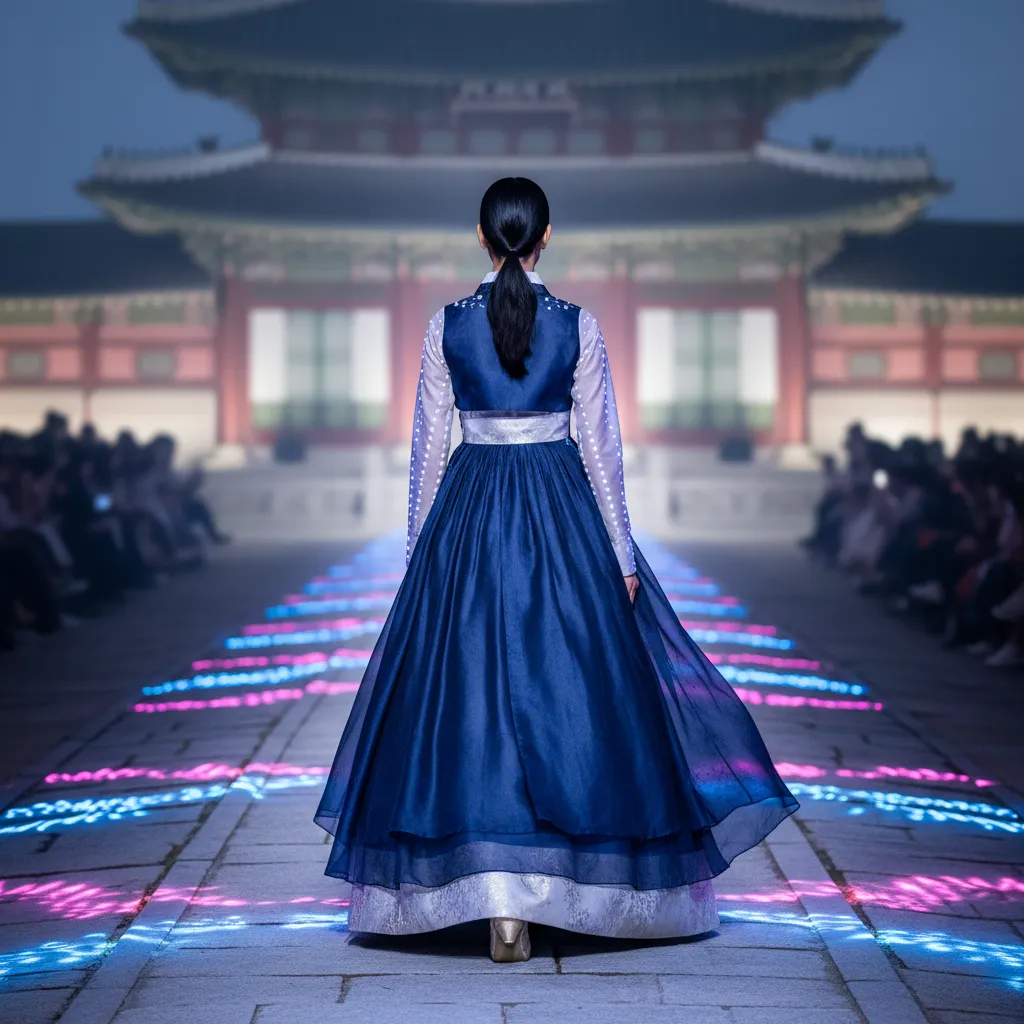
As the lights dim on Heungnyemun and the crowd erupts in applause, the message is clear: the palace is no longer a static museum but a living stage where tradition and innovation perform together.
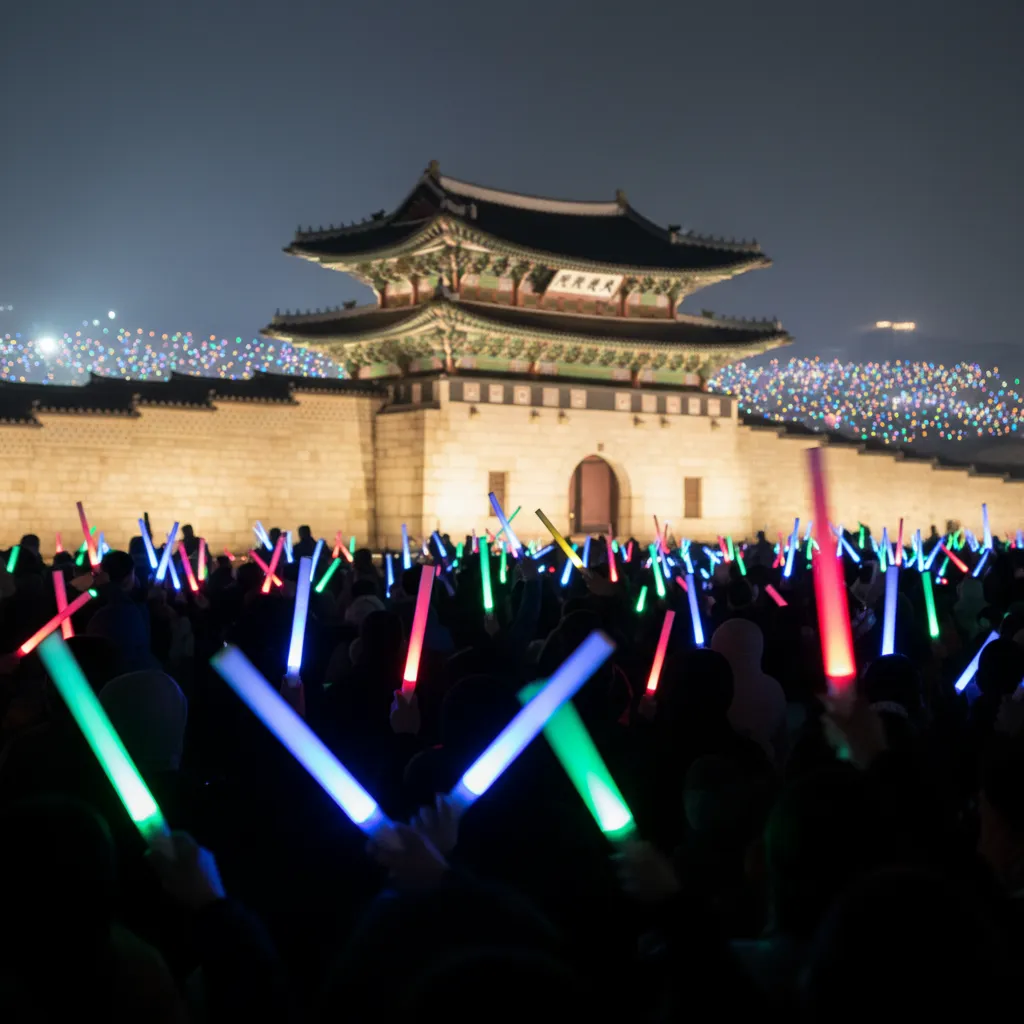
For visitors planning to attend, tickets are available online through the Cultural Heritage Administration’s portal. Early‑bird packages include guided tours of the night‑time immersive programs across Changdeokgung, Deoksugung and Jongmyo.
About the Author