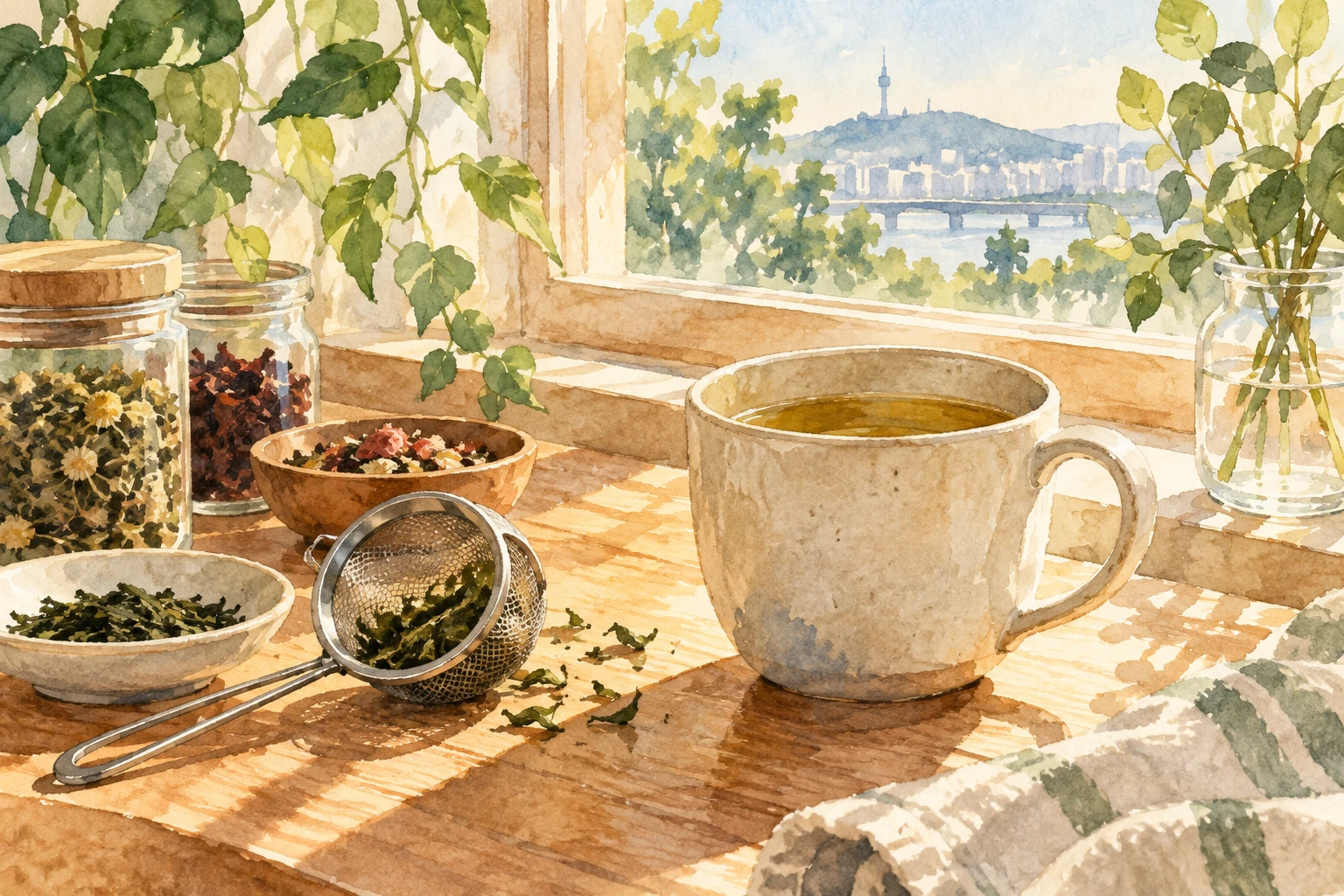
Could a mug and a tea strainer be enough to begin exploring tea in Korea? Hani’s answer is yes: familiar household tools can be sufficient for a simple start. 1
What the audience figures measure
Hani reported that people in their 20s and 30s made up more than 70% of attendees at tea-related gatherings and events such as classes and tea-utensil exhibitions. 1 Hankyung reported a separate figure: people in that age group accounted for 50–60% of visitors to tea-ceremony experience programs at the event it covered. 2 The figures describe different settings and groups, so they are snapshots of participation rather than a single overall share. 12
Hankyung describes tea moving beyond a one-time experience toward a hobby for discovering personal taste and enjoying a pause in daily life. 2 Hani presents that hobby as a set of choices shaped by the day’s mood and preferences, rather than a formal ritual with rules a beginner must master. 1 That distinction makes the first step approachable: choose a tea that sounds appealing, then notice what you like about it. 1
Taste before taxonomy
Hani compares choosing tea with choosing coffee: people can explore different origins and ways of processing the leaves to suit their preferences. 1 It groups tea into six broad categories: green, white, yellow, oolong, black and dark tea, including pu’er. 1 The article describes green tea as fresh and brisk, and black tea as full-bodied; it also notes that the same tea can taste different with the season and weather. 1
Those categories offer a loose map, not a required study plan. 1 Hani’s practical invitation is to notice tea’s characteristics and discover or develop a preference. 1 For a first comparison, a reader might focus on the fresh taste described for green tea and the fuller flavor described for black tea, rather than trying to memorize every category. 1
Try the preparation, too
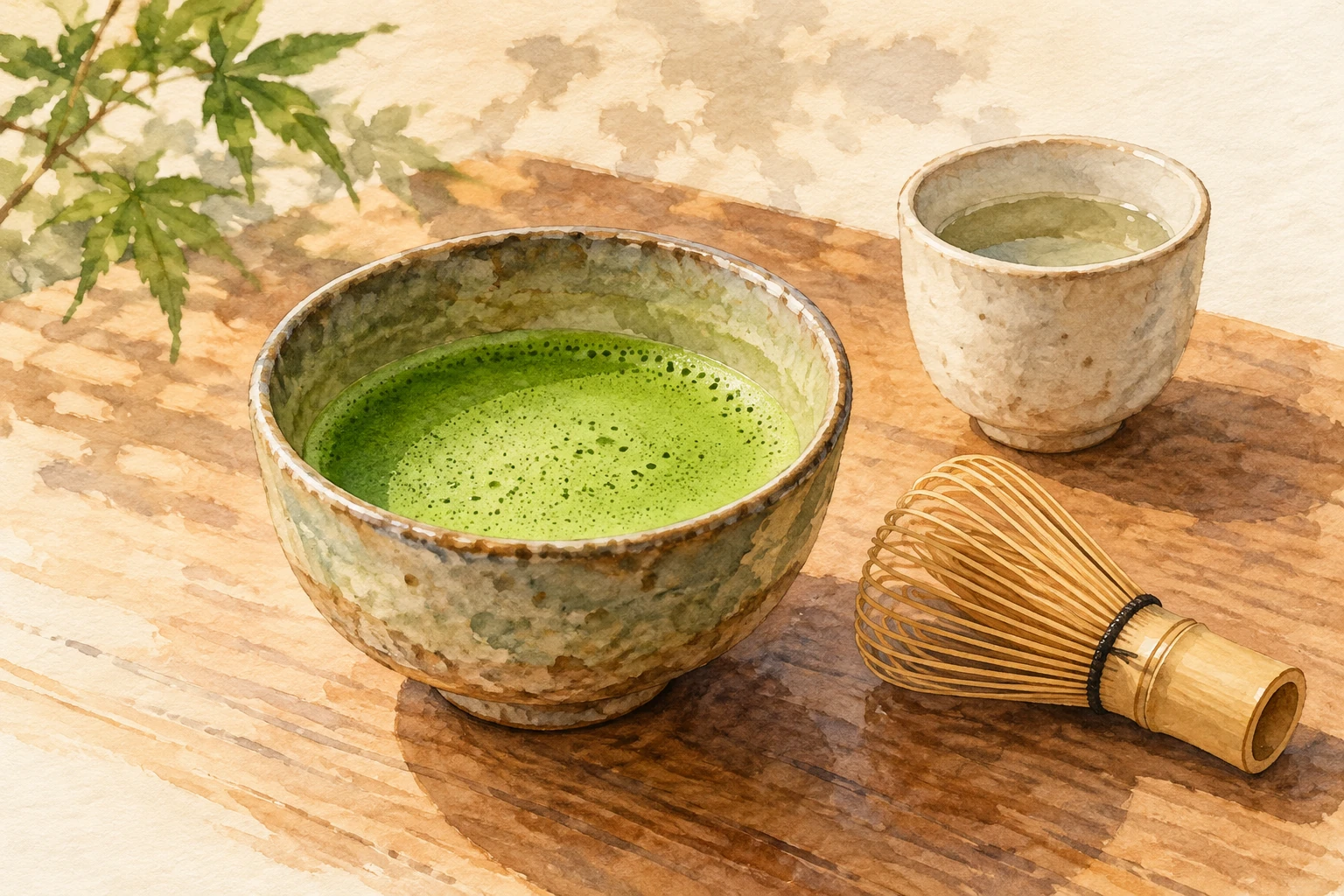
Matcha offers a hands-on way to experience tea beyond tasting. An MBC report shows a bamboo whisk being used to stir matcha into a fine green foam, a step the report calls gyeokbul. 3 MBC says the whisking brings out matcha’s umami and makes its texture softer. 3 That gives a beginner something tangible to notice in the cup: how the preparation affects flavor and texture. 3
A guided class can offer another kind of comparison. In the classes Hankyung describes, a tea expert brews three or four teas and explains their characteristics and how to drink them, while participants taste the teas and explore their own preferences. 2 Hankyung reports that the sessions it covered were limited to four or five participants each. 2 The format centers on sampling and comparison, which can help a newcomer begin noticing what appeals to them. 2
Start with what’s at home
Specialized utensils do not have to come first. Hani says a mug and tea strainer at home are enough for someone who wants to enjoy tea casually. 1 If the preparation itself becomes part of the pleasure, Hani suggests a teapot for brewing, a pitcher for pouring the tea, and teacups as possible additions. 1 That makes equipment a way to shape the experience over time, rather than an entry requirement. 1
Tea can also fit different moments and places in Hani’s account. Examples include drinking pu’er after morning yoga, making tea by a sunny window, or keeping a journal of a tea’s flavor and aroma alongside the day’s mood. 1 Hani also describes taking a travel tea set and hot water in a thermos to a nearby park or on a trip to the mountains or sea. 1
Sources
- ‘차 한잔의 여유’에 빠진 2030…다도가 젊어졌다
- "이 맛을 왜 이제 알았을까"…2030, 커피 대신 '이것' 마신다 [박수림의 요즘 여기]
- 빠르게 젓자 뽀얀 초록 거품이‥2030세대도 커피 대신 차?
About the Author