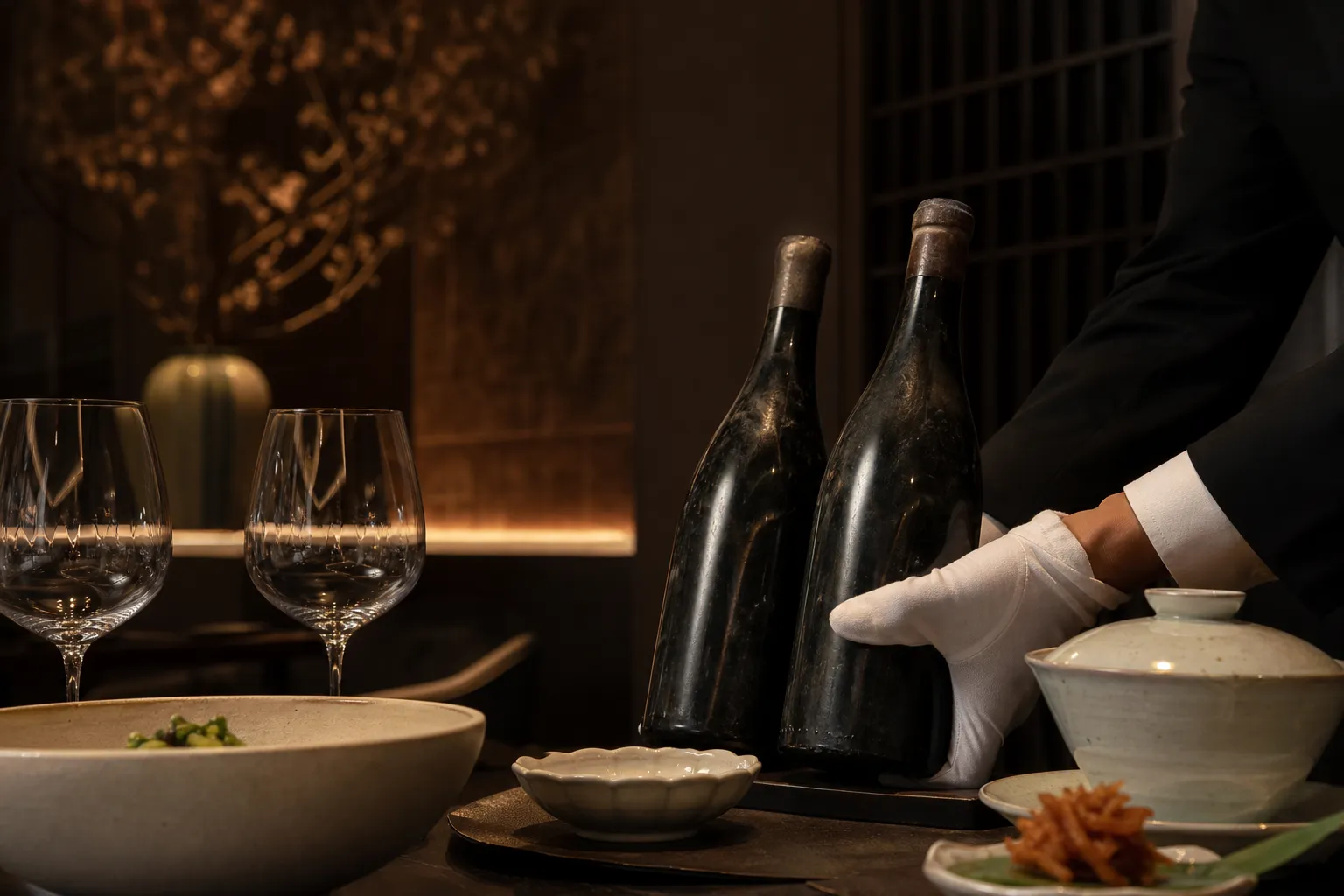
The Mosu Seoul wine controversy centers on a fine-dining wine service dispute: a customer said a wine pairing list included a 2000 vintage, but a 2005 vintage was served instead. What might sound like a small date difference quickly became a wider debate about trust, transparency, and accountability in high-end dining, especially because the wine at the center of the claim was reported as Château Léoville Barton.1
For readers trying to catch up without wading through every update, the key issue is simple: in premium wine service, a vintage is not just a label detail. It can affect price, rarity, reputation, and the expectations set between a restaurant and its guest. That is why this discussion around Mosu Seoul grew beyond one bottle and became a public conversation about how fine-dining restaurants handle mistakes.
The Mosu Seoul Wine Controversy, Explained
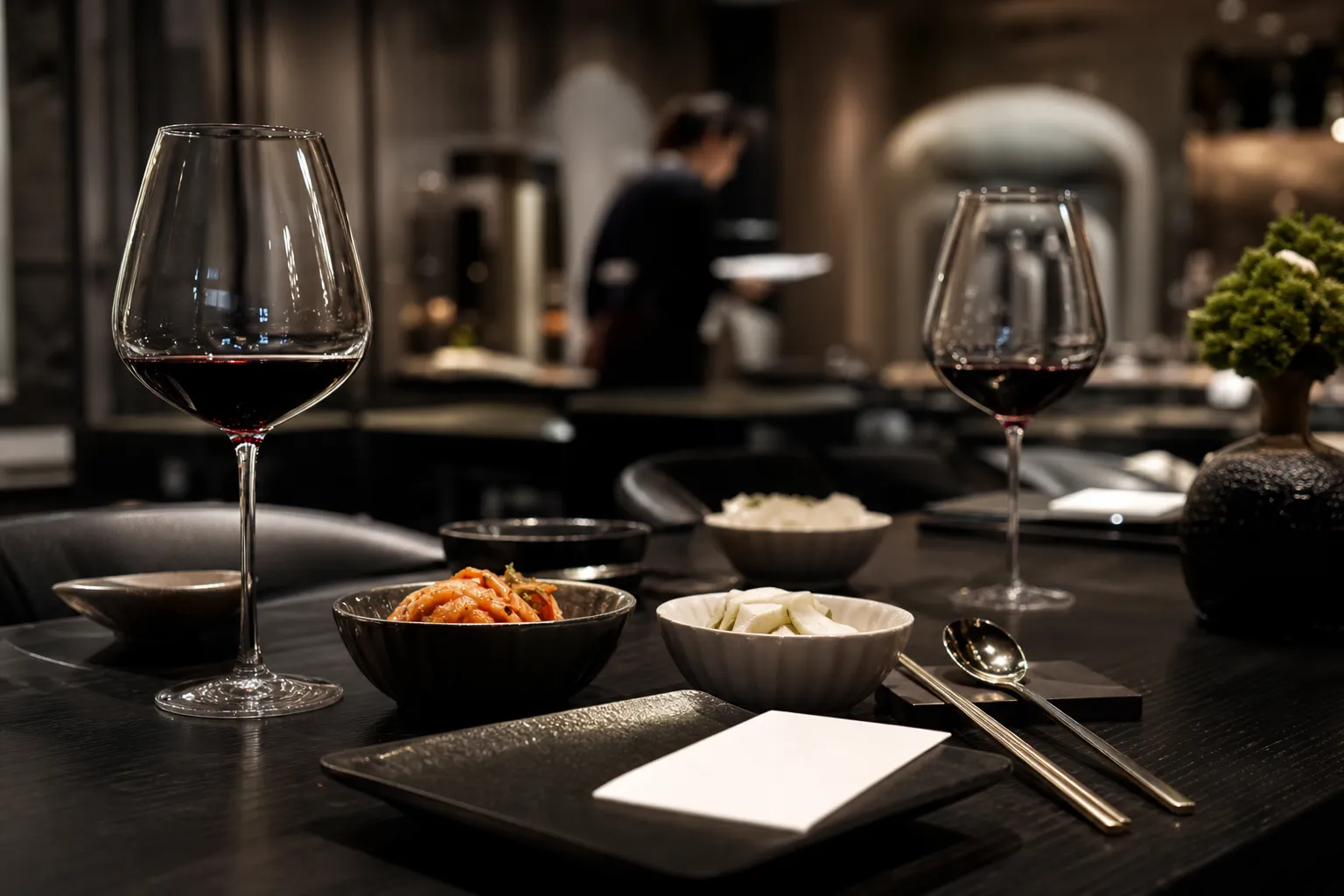
The first major public apology came on April 23, 2026, when Mosu Seoul posted a statement through its official channel. The restaurant acknowledged that its wine pairing service had not provided accurate guidance or sufficient explanation, and it promised to review the overall service process and prevent a recurrence.2
The claim being discussed was that a customer received a 2005 bottle even though the pairing list referred to a 2000 vintage. In ordinary restaurant service, a substitute might be treated as a stock or communication issue. But in fine dining, and especially with aged wine, the vintage can be central to what the customer believes they are buying. That is why the controversy did not quiet down after the first apology.
Wine-focused YouTuber Wineking publicly criticized the case in early May. He argued that the 2000 and 2005 vintage labels were different and questioned whether the matter could be dismissed as a simple mistake. He also described it as “Wine Fraud,” a strong characterization reported by Korean media, while raising broader concerns about how fine-dining wine service is managed.3
That criticism helped push the topic into a wider public arena. Instead of remaining a private customer-service issue, the dispute became something that viewers, diners, wine fans, and restaurant watchers could debate online. For many people following the story, the central question became less about whether one specific bottle was poured and more about whether the restaurant’s internal controls were strong enough for the level of trust it asks from guests.
Ahn Sung-jae’s Apology And The Sommelier Decision
On May 6, 2026, chef Ahn Sung-jae addressed the controversy directly through social media. He said that after checking internal CCTV, the restaurant found that the responsible sommelier had served the 2005 vintage instead of the 2000 vintage, and that the customer was not immediately informed even after the issue was recognized.4
Ahn’s apology was notable because it moved the discussion from general regret to a more specific account of what the restaurant believed had happened. He also said the staff member involved had been removed from the sommelier position responsible for customer wines.4 In the same apology, he took responsibility with the statement, “Everything that happened at Mosu is rightfully my responsibility.”4
That kind of direct wording matters in a controversy like this because diners do not only look for a technical explanation. They also want to know who is accountable when service falls short. Still, the apology did not end the backlash. The timing of later media activity created another issue around public perception.
YTN reported that the production team for Ahn’s YouTube channel, “Chef Ahn Sung-jae,” announced on May 13, 2026 that the channel would pause operations for the time being. The report said a new video had been uploaded about an hour after Ahn’s apology post, which intensified questions about sincerity before the production team announced a channel reorganization period.5
That YouTube pause became part of the broader fallout because it showed how quickly a restaurant controversy can spread into a chef’s media presence. For a public-facing chef, a restaurant’s response is no longer limited to the dining room. Social channels, scheduled uploads, public statements, and tone all become part of how audiences judge the response.
Why The Story Kept Growing
The controversy also reached people connected to the broader wine-content world. Newsis reported that Wineking later announced the cancellation of a planned Coex pop-up event scheduled from May 20, 2026. He apologized to partner companies and people who had planned to attend.6 The available source material does not establish every reason behind that cancellation, so it is safest to say only that the cancellation was reported after his public criticism of the Mosu Seoul wine issue.
Then, on June 27, 2026, Chosun Ilbo reported that Michelin’s French headquarters had shared the Mosu Seoul wine vintage controversy with its quality inspection team and begun reviewing the matter. The report framed the core allegation as the service of a 2005 Château Léoville Barton vintage instead of the 2000 vintage.1
Michelin’s reported involvement raised the stakes because Mosu Seoul is not just any restaurant in the public imagination. It is associated with contemporary Korean fine dining and chef-led prestige, so the possibility of quality review naturally drew attention. Michelin said it takes all customer opinions and concerns very seriously, a response that signaled the issue was being treated as more than online noise.1
For diners, the lesson is not that every service mistake becomes a scandal. Restaurants can make honest mistakes, and wine service can be complicated. But in a high-end setting, the response matters almost as much as the error itself. Clear explanation, immediate disclosure, and credible prevention steps are what help restore trust.
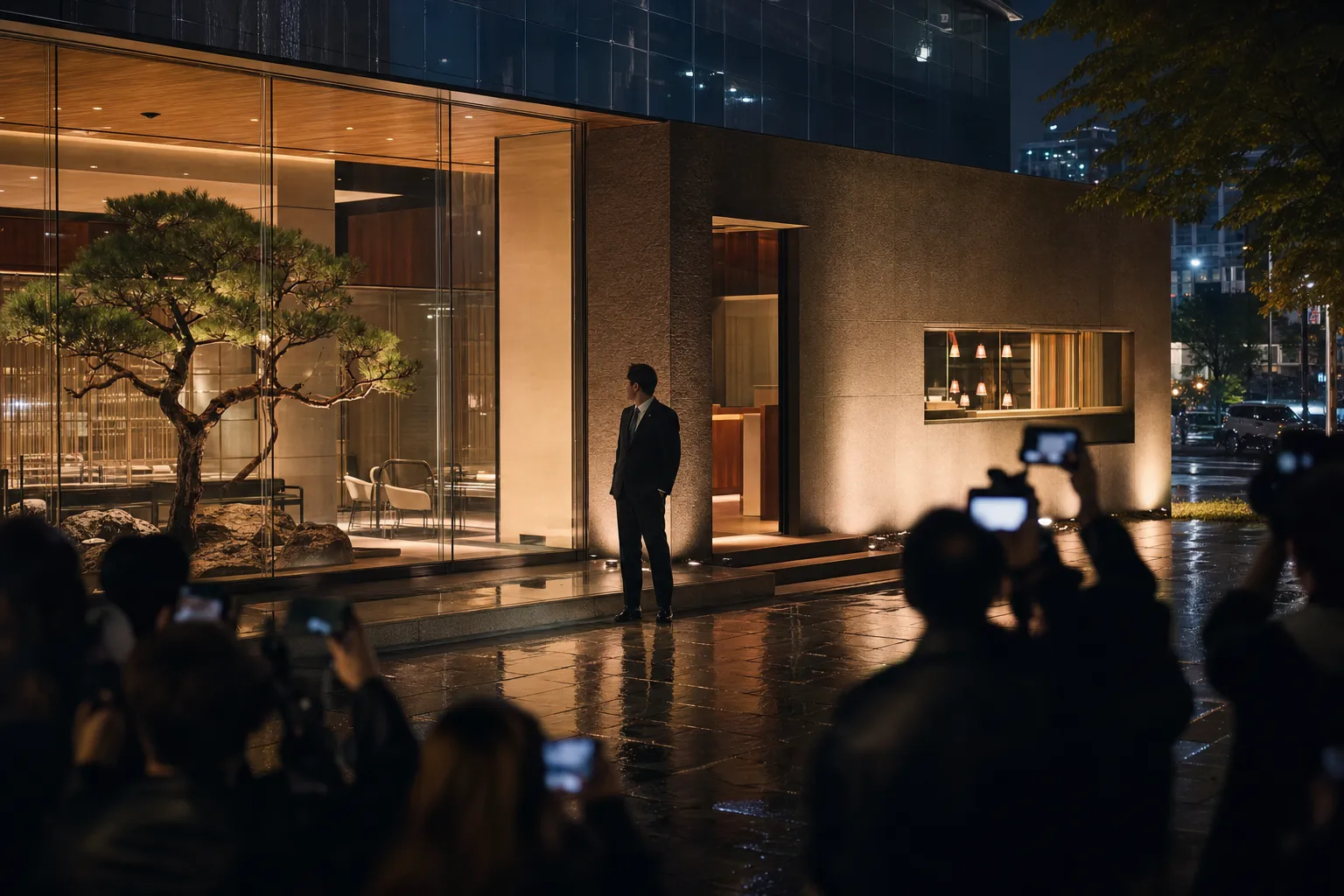
The Mosu Seoul wine controversy became significant because it touched several sensitive points at once: vintage accuracy, customer trust, staff accountability, chef reputation, YouTube optics, and reported Michelin scrutiny. Based on the available facts, the dispute began with a 2000-versus-2005 vintage claim, but it grew because fine dining depends on confidence that every listed detail means exactly what it says.
References
- [단독] 모수서울 스타 강등? 미쉐린 “와인 바꿔치기 의혹 조사 착수” (조선일보, 2026-06-27)
- 안성재 모수, 와인 바꿔치기 논란 폭발…결국 사과 [전문] (한국경제, 2026-04-23)
- 와인킹 "안성재 '모수', 와인 사기…피해자 더 많을 것" 주장 (한국경제, 2026-05-04)
- 안성재, ‘와인 바꿔치기’ 논란 직접 사과…“해당 소믈리에, 배제 조치” [전문] (매일경제, 2026-05-06)
- '모수 와인 논란' 안성재, 유튜브 채널 운영 잠정 중단 (YTN, 2026-05-14)
- '안성재 모수' 비판 와인킹, 팝업 행사 무산 왜? (뉴시스, 2026-05-11)
About the Author