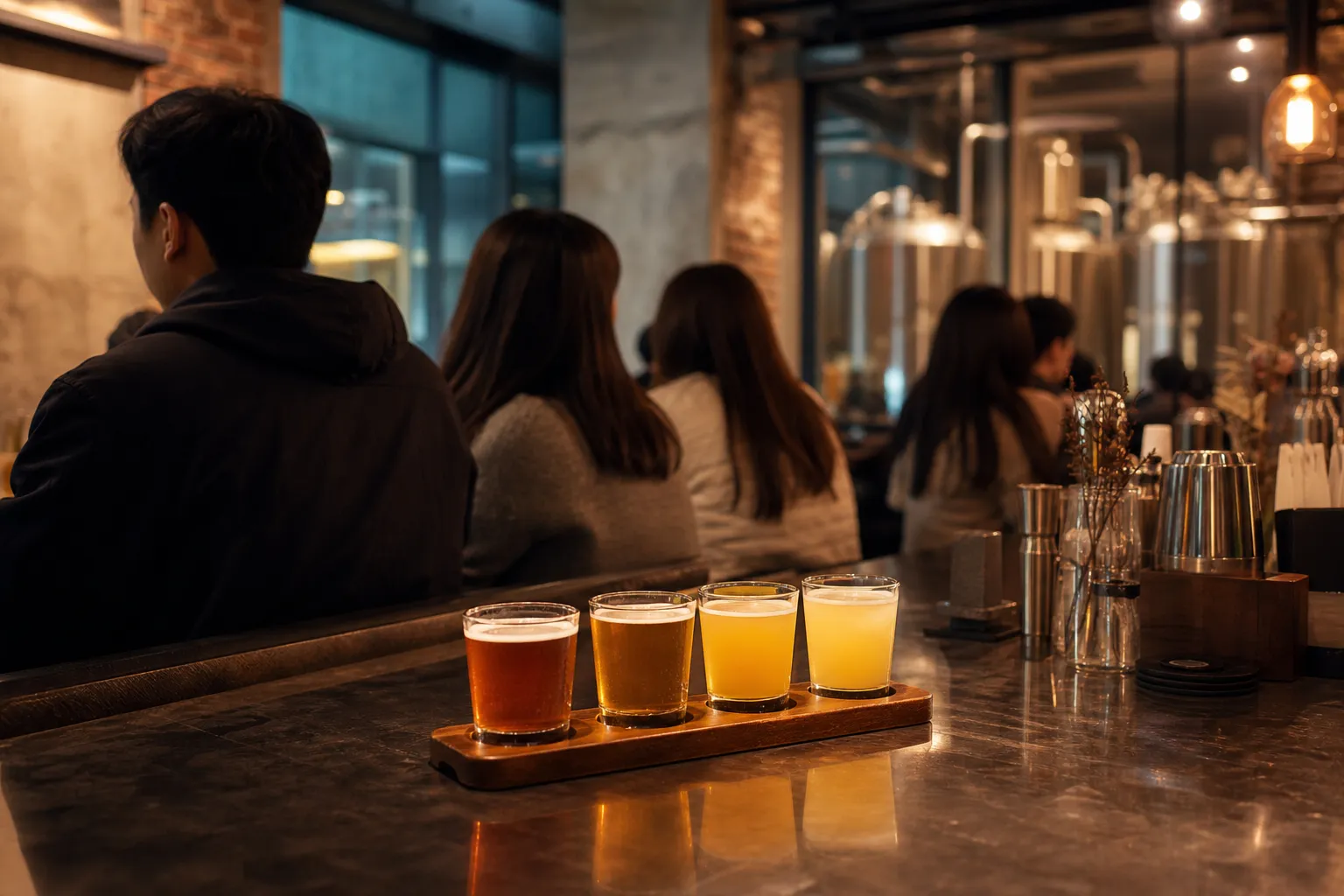
Korean craft beer in 2026 is no longer just a niche story about small brewpubs and adventurous tap lists. It is a more layered scene: Seongsu Craft Beer culture still matters, but the wider Korean market is also dealing with exports, ingredient branding, international competition, awards, and the very real strain of rising costs.
For anyone following Korea’s beer scene from the outside, that mix can feel surprising. The same industry that helped make neighborhoods like Seongsu-dong feel creative and brewpub-friendly is now showing both ambition and stress. Some names are pushing overseas, some cities are promoting local malt, and some early players are facing the limits of a crowded market.
Korean Craft Beer After the Early Boom
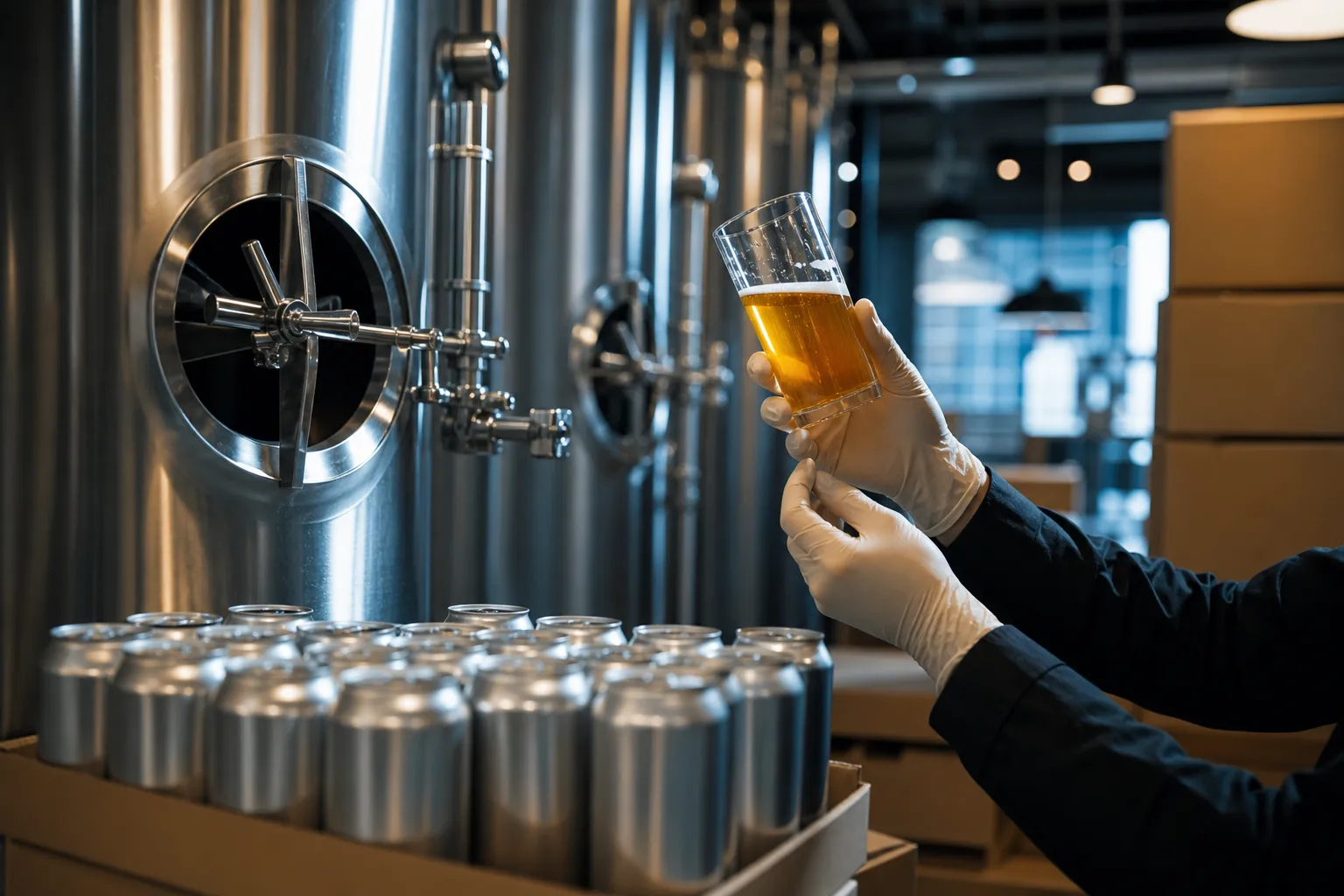
One of the clearest signs of how much the market has changed is the case of Amazing Brewing Company. The company was founded in 2016 and became associated with Seoul’s Seongsu-dong area, where it operated brewpub and in-house brewing facilities during the early growth period of Korean craft beer. On April 21, 2026, the Seoul Rehabilitation Court declared the company bankrupt, after it had sought rehabilitation but failed to find a buyer; its 2025 net loss was reported at 1.8 billion won.1
That single case does not define the entire industry, but it does show why Korean craft beer is entering a more serious phase. The early excitement around creative labels and neighborhood taprooms has had to meet harder business conditions. In January 2026, reports also described pressure on other domestic craft beer companies, including Amazing Brewing Company, Y Brewery, and Sevenbrau Beer, with rehabilitation procedures and financial restructuring becoming part of the discussion.2
The pressures named in the reporting are familiar to many food-and-beverage businesses: intensified competition, higher costs, and a weaker dining-out economy. There was also an industry view that the expansion of external distribution, especially after convenience-store collaboration products became more common, helped increase competition and cost burdens.2 In plain terms, craft beer moved beyond the taproom, but broader distribution also meant broader pressure.
For readers who connect Korean craft beer mainly with relaxed brewery visits or stylish neighborhood venues, this is an important adjustment. The culture is still there, but it now sits inside a much more competitive commercial environment.
Seongsu’s Role Is Changing, Not Disappearing
Seongsu-dong remains relevant because it represents more than one brewery. It has become a useful lens for understanding how Korean craft beer tries to blend local identity, design-conscious spaces, and brewing ambition. Seoul Brewery is one example of that continuing Seongsu connection. The company opened a large-scale cultural complex in Seongsu-dong in 2023, and its KIBEX 2026 lineup was described as reflecting the philosophy of its Seongsu and Hapjeong breweries.3
At KIBEX 2026, Seoul Brewery introduced products including Geumsil Strawberry Witbier and Emerald Farm Hazy IPA, the latter made in collaboration with the American brewery 3 Sons Brewing. The company was also reported to export beer to 14 countries, including Japan, Singapore, the Netherlands, France, and Spain.3 That matters because it shows a different side of the same market: even while some Korean craft beer companies face financial strain, others are framing themselves through international collaboration and export growth.
A Seoul Brewery representative said KIBEX would be “a stage” to show brewing technology and global collaboration built over the previous eight years.3 The quote is promotional in tone, but it captures a real theme in the source material: Korean craft beer is not simply trying to imitate imported craft styles. It is also trying to present its own brewing capabilities in a global setting.
KIBEX 2026 itself gives more context. The Brewers Association, representing American craft beer, took part in the event held from April 16 to 18, 2026 at COEX in Seoul, with 28 U.S. breweries from 13 states and more than 100 beers. Of those breweries, 13 were new participants hoping to enter the Korean market, and the pavilion was expected to function as a business-matching space with domestic distributors.4
That detail says a lot about where Korea sits in the beer world. It is not only producing craft beer for domestic drinkers. It is also a market that foreign breweries want to enter, which adds both variety and pressure for Korean brands.
Beyond Seoul: Malt, Awards, and New Drinking Habits
Korean craft beer is also becoming less Seoul-centered in the way it presents itself. Gunsan City promoted itself as a “craft beer city” at the 2026 Korea International Beer Expo, emphasizing craft beer competitiveness based on Gunsan malt, a domestic ingredient. The event was described as a beer-specialized exhibition with companies from 10 countries, 250 participating businesses, and 30,000 visitors.5
Gunsan also confirmed a raw-material supply arrangement with a craft beer company in Gangnam, Seoul, and agreed with the U.S. Embassy in Korea to co-produce a beer commemorating the 250th anniversary of American independence.5 Park Hong-soon, head of the Gunsan Agricultural Technology Center, said Gunsan was growing firmly as a craft beer city based on Gunsan malt.5
This ingredient-focused angle is worth watching because it gives Korean craft beer another way to stand apart. Instead of relying only on style names such as IPA, witbier, or pale ale, producers and regions can point to local agricultural identity. If consumers care more about origin, that could become a useful story for Korean breweries.
There is also movement in lower-alcohol and non-alcohol beer. Daily Beer, the operator of Saenghwal Beer, won the grand prize in the non-alcohol category and Best of 2026 at the 2026 Korea Wine & Spirits Awards for Non-Alcohol Saenghwal Pale Ale. At the same awards, Saenghwal Wheat Beer won the grand prize in the beer craft ale category, giving Saenghwal Beer three wins in total.6
The awards drew entries from 260 companies and 1,118 brands, and Non-Alcohol Saenghwal was described as a product with less than 1% alcohol by volume.6 That gives the craft scene another practical direction: flavor-led beer options that do not necessarily fit the older idea of craft beer as only stronger, more experimental, or taproom-based.
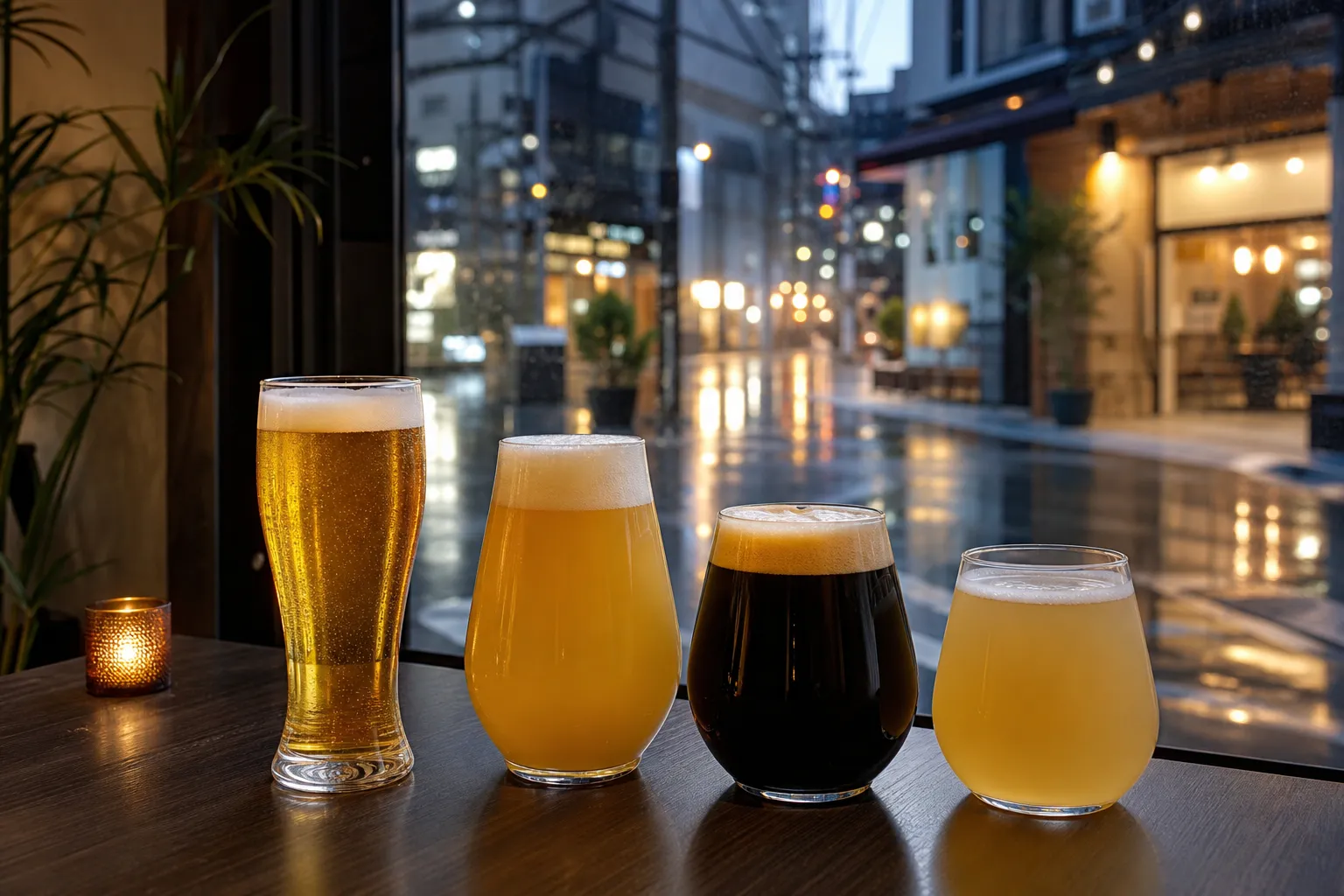
Taken together, the 2026 picture is not a simple rise-or-fall story. Korean craft beer has Seongsu roots, export-facing brands, regional ingredient projects, international competition, and award-winning non-alcohol products, while also facing bankruptcy cases and rehabilitation pressure. If you are following Seongsu Craft Beer as a cultural keyword, the bigger takeaway is that Korea’s craft beer scene has grown up into a real market, with all the creativity and difficulty that comes with that.
References
- K-수제맥주 1세대 '어메이징브루잉컴퍼니' 결국 파산 (뉴시스, 2026-04-21)
- 수제맥주 거품 꺼지나…회생법원 문 두드리는 K브루어리들 (뉴시스, 2026-01-28)
- 서울브루어리, KIBEX 2026서 금실딸기 윗비어·에메랄드 팜 헤이지 IPA 등 신제품 공개… 美·中 수출 확장 비전 선포 (AVING, 2026-04-13)
- 미국크래프트맥주협회, KIBEX 2026서 미국 수제 맥주 통합 전시관 운영한다… 28개 양조장 100여 종 맥주 소개 나서 (AVING, 2026-04-10)
- 군산시, 서울 맥주박람회서 '수제맥주 도시' 홍보 (뉴시스, 2026-04-18)
- 생활맥주, 대한민국 주류대상 '베스트 오브 2026' 수상 (뉴시스, 2026-03-27)
About the Author