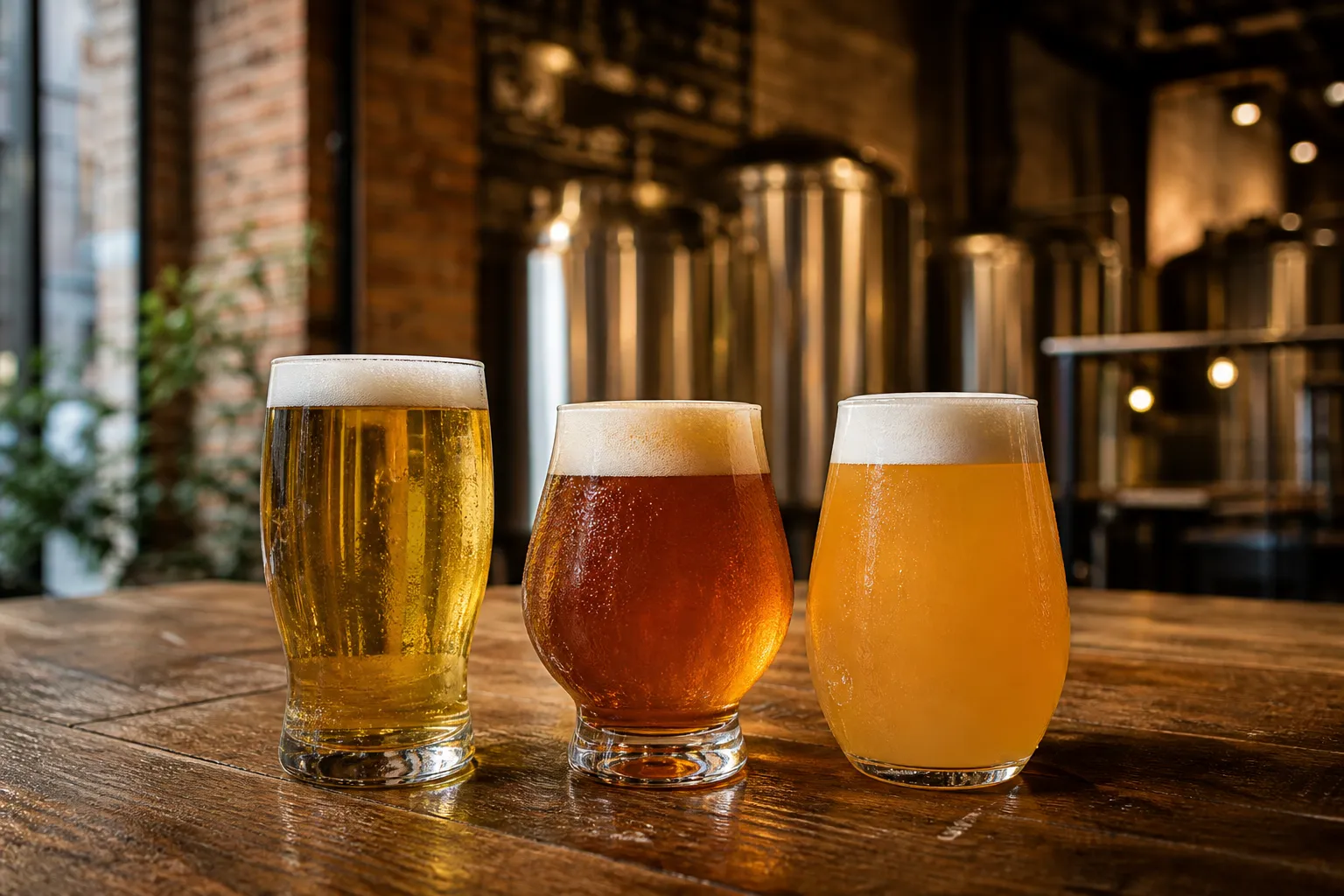
Seongsu Craft Beer is often discussed through a mix of local taprooms, Korean breweries, and international names, and Brooklyn Brewery is one of the global brands that helped shape that conversation in Korea. The specific Seongsu-dong angle is best understood through two connected stories: Brooklyn Brewery’s Korean partnership through Jeju Beer, and Seongsu’s rise as a visible craft beer neighborhood led by spaces such as Seoul Brewery’s Seongsu branch.
Brooklyn Brewery’s Korea Connection
Brooklyn Brewery, the American craft beer brand, announced its plan to enter the Korean market in 2016. The plan centered on building a brewery in Jeju, with local production, distribution, and new brand development adapted for Korea. Steve Hindy, a founding member of Brooklyn Brewery, attended the press event tied to the announcement, which also included plans for collaboration with Korean chefs.1
That matters because Brooklyn Brewery’s Korea story was not presented simply as imported beer on a shelf. The brand’s plan, as reported at the time, was to localize production and build a Korean base. Hindy’s stated ambition was to use a Jeju production base to help lead “a growth period and golden age” for craft beer in Korea.1
Jeju Beer later described itself as having formed Brooklyn Brewery’s first partnership in Asia. Its official company page also says Garrett Oliver, Brooklyn Brewery’s brewmaster, participated in the recipe for Jeju Wit Ale, and that Brooklyn Brewery’s 30 years of brewing know-how and technical transfer became part of Jeju Beer’s brand foundation.2
So if you are searching for “Brooklyn Brewery” in relation to Seongsu-dong, the most source-backed answer is slightly broader than a single Seongsu venue. Brooklyn Brewery’s confirmed Korean footprint is tied to Jeju Beer and Jeju-based production, while Seongsu-dong became one of Seoul’s most visible neighborhoods for experiencing the wider craft beer culture that grew around this period.
Why Seongsu Became a Craft Beer Landmark
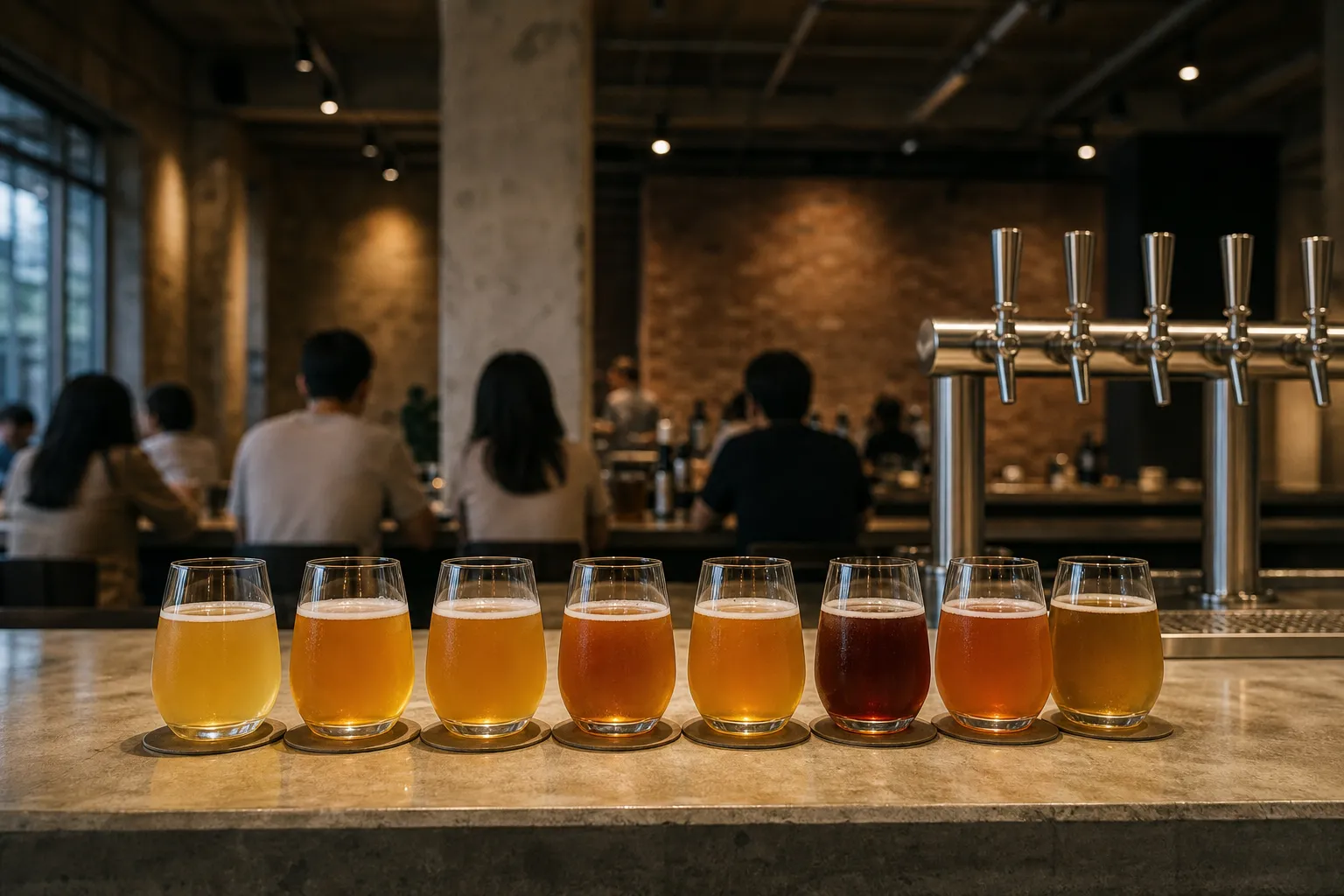
Seongsu’s role in Korean craft beer is strongly represented by Seoul Brewery. On March 17, 2023, marking its fifth anniversary, Seoul Brewery opened a Seongsu branch on Yeonmujang-gil as a multi-use cultural space. The location was described as roughly 350 pyeong across seven floors, combining a cafe, tap house, dining restaurant, vertical brewing facility, and culture hall.3
That format is important. It means the Seongsu space was not framed only as a bar or a production site. It brought together brewing, food, coffee, and cultural programming under one roof. The design also drew from Seongsu-dong’s industrial district history and the shapes of beer brewing tanks, giving the venue a local visual identity rather than a generic taproom feel.3
Seoul Brewery’s larger record helps explain why this kind of space fits Seongsu. Since releasing its first beer in 2018, Seoul Brewery has introduced about 250 kinds of beer. It has used its Seongsu-dong and Hapjeong-dong breweries as customer-facing contact points, while the six-story vertical brewery opened in Seongsu in 2023 became a key base. Its beers have included local specialty collaborations, seasonal releases, and artist collaboration beers.4
For readers, that makes Seongsu a useful place to understand Korean craft beer as a culture, not just a drink category. The neighborhood’s brewery spaces connect production with design, dining, and local creative energy. Even when the brand name you are curious about is Brooklyn Brewery, the Seongsu context points you toward the Korean craft beer ecosystem that grew alongside international partnerships and local experimentation.
Awards, Expansion, and a Tougher Market
Seoul Brewery’s activity has also extended beyond its Seongsu base. At KIBEX 2024, held from April 11 to 13, 2024 at COEX in Seoul, the brewery presented Robust Porter, made with ingredients including coconut, vanilla, and cacao nibs. The beer was described as having won first place in the dark beer category at JAPAN BREWERS CUP 2024.5
The same report said Seoul Brewery was expanding overseas market contact points, especially around Japan and Singapore. A company representative said it wanted to “develop the Southeast Asian market,” a short comment that hints at how Korean craft breweries have looked beyond neighborhood taprooms and domestic festivals.5
At the same time, the wider Korean craft beer market has not been easy. Amazing Brewing Company, described as one of Korea’s early representative craft beer companies, was founded in 2016 and operated brewpubs and its own brewing facilities centered around Seongsu-dong. On April 21, 2026, the Seoul Rehabilitation Court declared the company bankrupt. The reported background included intensified competition, cost pressures, a slowdown in the restaurant market, and a failed rehabilitation process.6
That contrast is worth keeping in mind. Seongsu’s craft beer image can look polished from the outside, especially through large spaces, collaborations, and award-winning releases. But the business environment behind that image has been challenging. The neighborhood’s craft beer story includes growth, design-forward venues, international know-how, and real market pressure all at once.
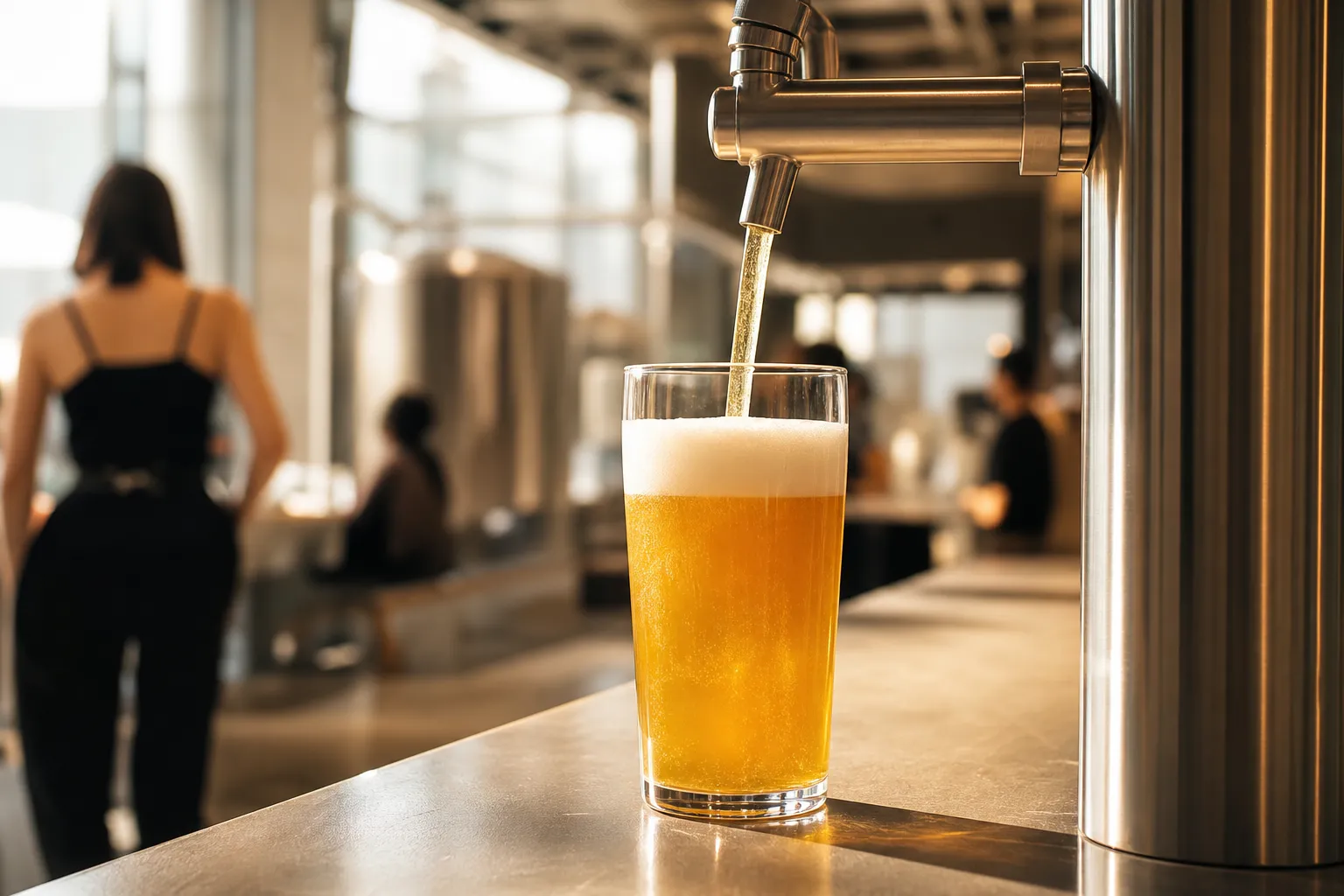
In short, Brooklyn Brewery’s clearest Korea link runs through Jeju Beer, while Seongsu-dong’s strongest source-backed craft beer landmark is Seoul Brewery’s multi-level Seongsu space. Taken together, they show how Seongsu Craft Beer sits inside a larger Korean craft beer story shaped by global partnerships, local brewing ambition, cultural spaces, and a competitive market that continues to test even well-known names.
References
- 美수제맥주 '브루클린 브루어리' 국내진출…제주에 생산시설 (연합뉴스, 2016-05-24)
- 제주맥주 회사 이야기 (제주맥주 공식 웹사이트)
- 성수동에 등장한 크래프트 맥주의 성지 (헤이팝, 2023-03-24)
- 수제맥주가 우리 시대의 전통주가 되는 날까지… 서울브루어리 (한국경제, 2025-12-24)
- 서울브루어리, KIBEX 2024 참가… ‘로버스트 포터’ 출품한다! (에이빙(AVING), 2024-03-08)
- K-수제맥주 1세대 '어메이징브루잉컴퍼니' 결국 파산 (뉴시스, 2026-04-21)
About the Author