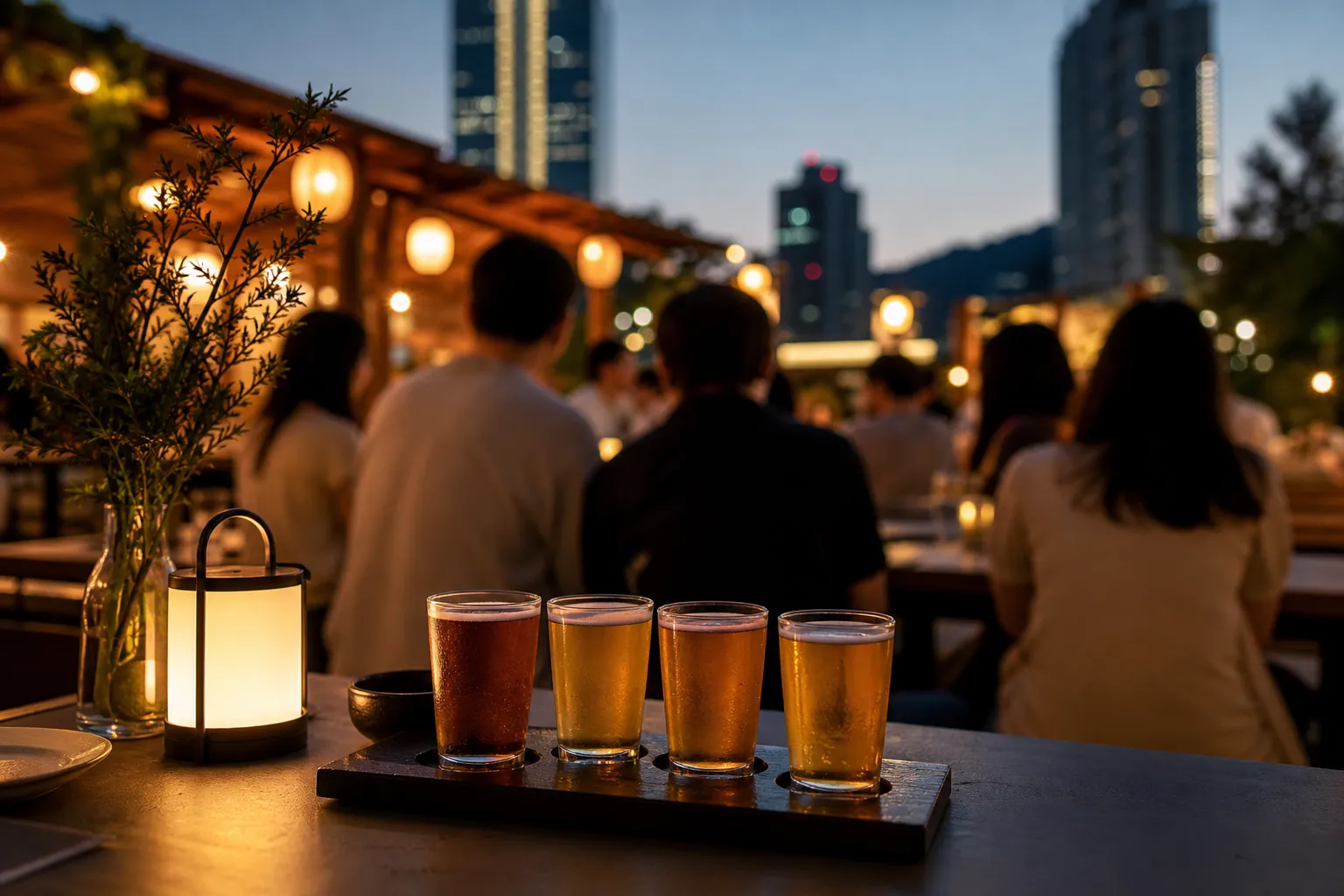
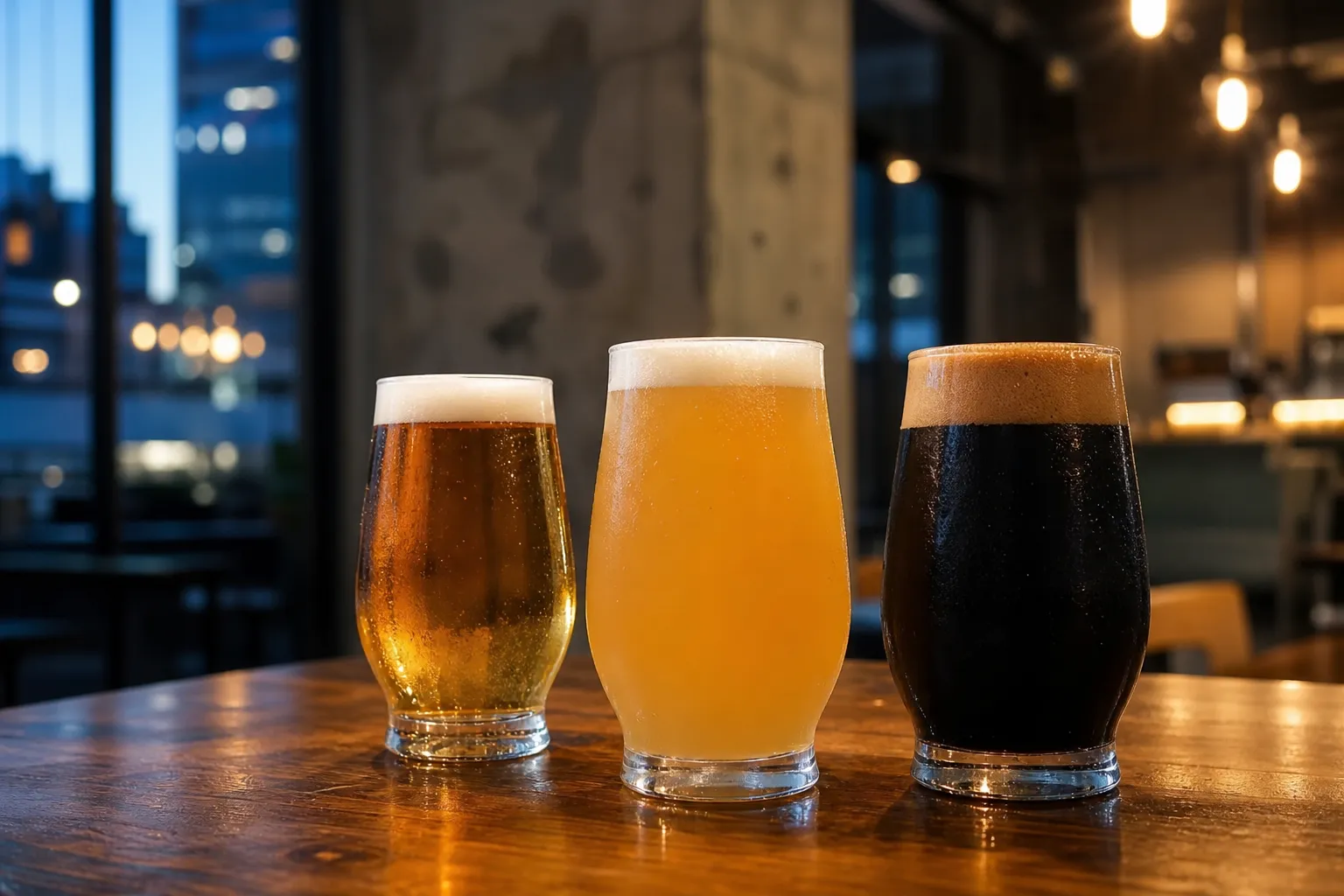
Korean craft beer in 2026 is no longer just a niche drink for taproom regulars or a bargain bundle in a convenience store fridge. The scene now stretches from Seongsu Craft Beer history in Seoul to regional festivals in Gunsan, supermarket-friendly collaborations, international showcases, and some hard lessons about how competitive the market has become.
That mix makes the current moment especially interesting. Korean craft beer is becoming more story-driven and more regional, but it is also facing pressure from rising costs, slower dining demand, and tougher competition.
Korean Craft Beer Is Growing Beyond the “Cheap Four-Pack” Era
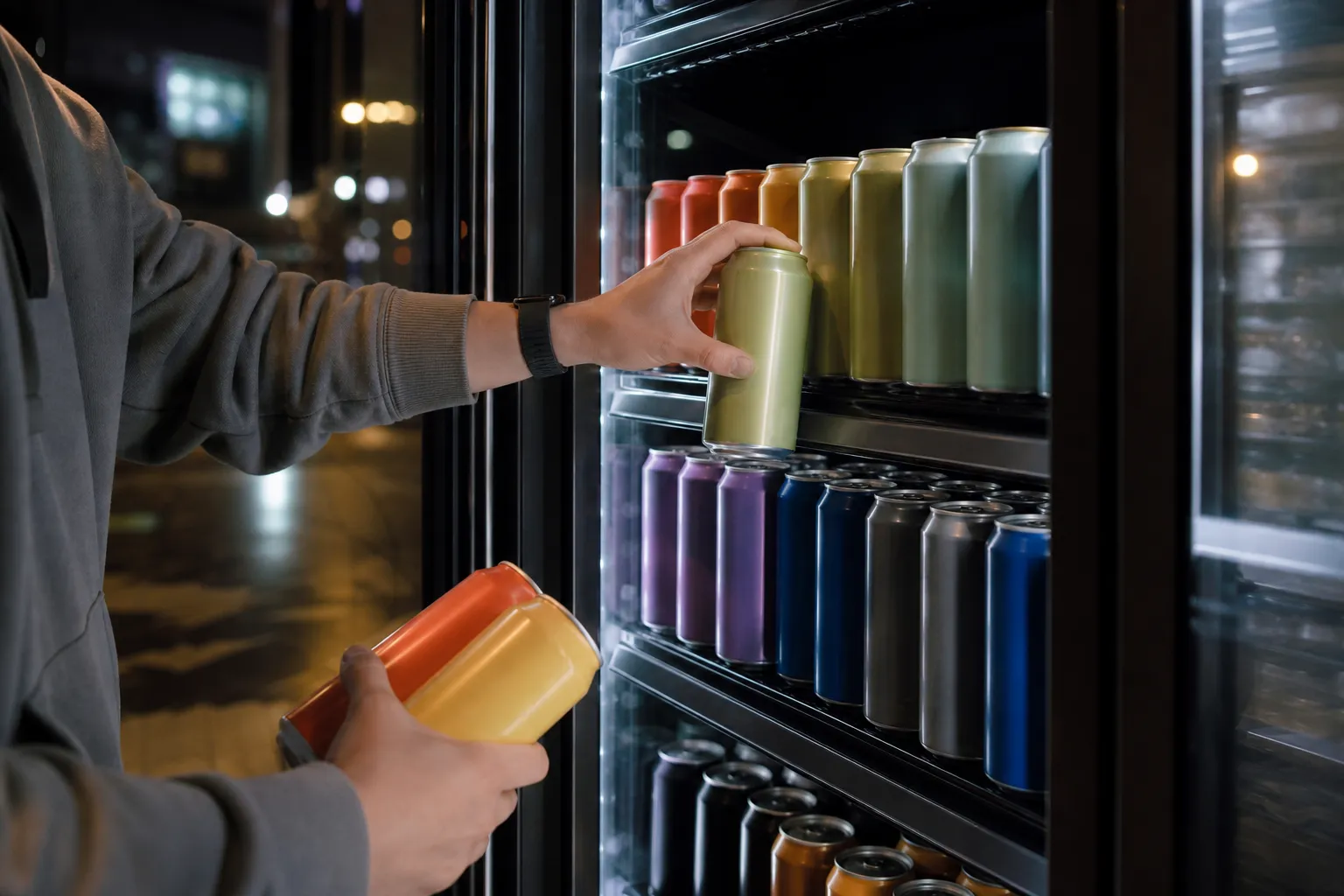
One of the clearest shifts in Korean craft beer is happening in convenience stores. Chosun Biz reported on June 21, 2026, that convenience store craft beer is moving away from its earlier identity as a low-price bundle product and toward brewery collaborations, distinctive beer styles, stronger storytelling, and quality-led positioning. The report mentioned collaborations involving breweries with dedicated fan bases, including Mikkeller and Seoul Brewery, as part of that broader change.1
That matters because convenience stores have played a big role in making craft beer visible to casual drinkers in Korea. A few years ago, the category could easily be read as a colorful, promotional shelf: eye-catching cans, discount sets, and limited novelty. The newer direction described in the source material suggests something more mature. The selling point is not only price, but also who made the beer, what style it represents, and what kind of drinker it is speaking to.
CU’s May 2026 collaboration is a useful example. Yonhap reported that CU released two craft beers developed with liquor-focused YouTuber ‘술익는집’ and Seoul Brewery: ‘서울 코리언 라이스 라거,’ blended with domestic rice, and ‘서울 캘리포니아 커먼,’ a reinterpretation of a classic American beer style. CU said it was expanding collaboration products in line with a consumer trend that values stories behind alcoholic drinks.2
For drinkers, this means Korean craft beer is becoming easier to encounter without being flattened into one generic category. A rice lager can speak to domestic ingredients; a California Common-inspired beer can point toward international brewing tradition; and a collaboration with a creator can help explain why the can exists in the first place. The source material does not provide tasting notes or sales results, so it is best to keep the conclusion modest: the channel is experimenting with identity, not just price.
Seongsu’s Symbolic Role and the Pressure Behind the Boom
Seongsu deserves mention because it has been one of the symbolic neighborhoods in Korea’s craft beer story. Amazing Brewing Company, described by Newsis as one of the representative companies from the early growth period of Korean craft beer, was founded in 2016 and operated brewpub and brewing facilities centered around Seoul’s Seongsu-dong area. On April 21, 2026, the Seoul Rehabilitation Court’s 12th division declared the company bankrupt.3
That bankruptcy does not erase Seongsu’s importance, but it does complicate the romantic version of the craft beer story. Newsis reported that Amazing Brewing Company had gone through rehabilitation amid intensified competition, cost burdens, and a slowdown in the dining-out economy, but failed to find a buyer.3 Those details point to a market where cultural cachet and early-mover status are not enough by themselves.
This is where the phrase Seongsu Craft Beer carries more than neighborhood branding. It points to a stage in Korean craft beer when brewpubs, local identity, and small-batch production helped define what the category could feel like. But in 2026, the business has to work across more channels: convenience stores, festivals, import showcases, regional tourism, and competitions. The romance of a brewery district now meets the discipline of distribution, cost control, and differentiated products.
At the same time, imported craft beer is still actively seeking space in the Korean market. The Brewers Association said it operated the ‘Great American Craft Beer Showcase’ at KIBEX 2026, connecting American craft beer with Korean importers, distributors, retailers, media, and consumers. The showcase included 28 member breweries from 12 U.S. states, with 15 breweries newly introduced to the Korean market. Among nine new-to-market breweries, four formed preliminary business partnerships with Korean importers.4
That is a reminder that Korean craft beer is not developing in isolation. Local brewers are competing and collaborating in a market where international producers are also courting attention. For drinkers, that can mean more variety. For Korean breweries, it raises the bar for style clarity, branding, and quality.
Regional Beer Culture Is Becoming a Stronger Story
Away from Seoul, Gunsan shows another path for Korean craft beer: regional identity. Yonhap reported that four craft beers from Gunsan won gold medals at the 2026 Korea International Beer Award. The competition featured 464 products from 92 breweries in 17 countries, evaluated by 41 international judges. The gold-winning beers included Unryong Brewery’s ‘시간여행자’ and ‘뉴질랜드,’ Pirate Brewing’s ‘써니,’ and Maine Coon Brewing’s ‘해망굴 스타우트.’5
That result gives Gunsan’s beer scene a concrete achievement rather than a vague local branding claim. Park Hong-soon, head of the Gunsan Agricultural Technology Center, described the result as meaning that a differentiation strategy based on domestic ingredients had secured competitiveness under international evaluation standards.5 It is a short quote, but it captures an important idea: local ingredients and local identity can be framed as quality strategies, not just tourism slogans.
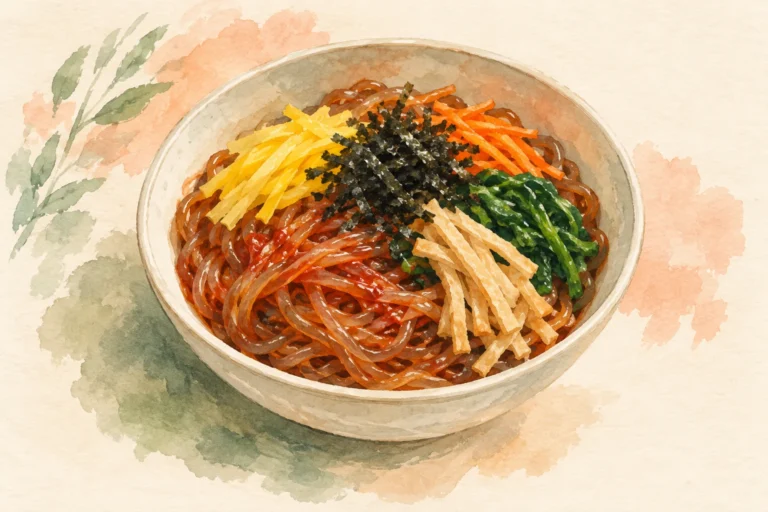
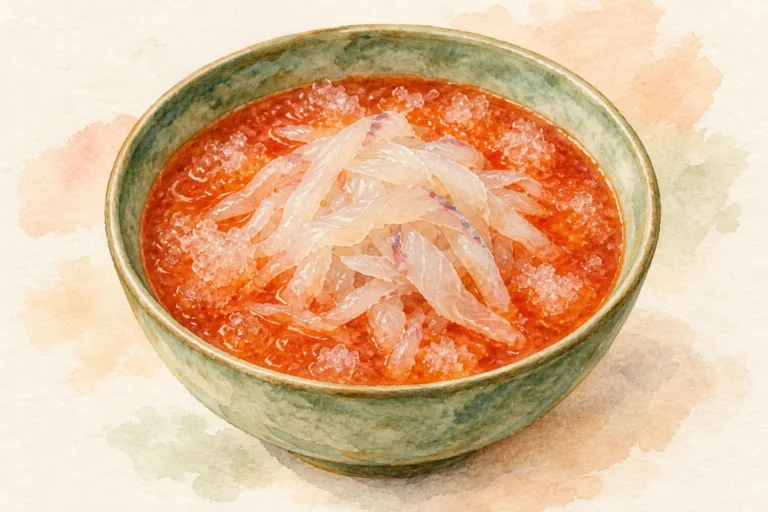
Gunsan’s festival activity points in the same direction. Yonhap reported that Gunsan City planned a skate promotion event at the ‘2026 Gunsan Craft Beer & Blues Festival,’ held from June 12 to 14, 2026, around the Gunsan Modern History Museum area. Food booths were set to present grilled skate, fried skate and chips, seasoned skate, and sliced raw skate, linking a craft beer festival with promotion of a local seafood product.6
That pairing may sound unusual if you expect craft beer events to focus only on hops, malt, and glassware. But it makes sense as a regional culture strategy. Beer becomes part of a larger local table, and the festival becomes a place where visitors can encounter both breweries and food producers. Park Dong-rae, head of Gunsan City’s fisheries industry division, said Gunsan skate is a representative local seafood with excellent quality and a differentiated taste.6
Quick FAQ
What is the main trend in Korean craft beer in 2026?
The source material points to a move away from simple discount positioning and toward collaboration, storytelling, regional identity, distinctive styles, and quality-led products, especially in convenience stores and local festivals.1
Why is Seongsu important to Korean craft beer?
Seongsu-dong was central to the story of Amazing Brewing Company, a company founded in 2016 and described as a representative player from Korean craft beer’s early growth period before its 2026 bankruptcy.3 !Korean craft beer regional festivals international competition trend Korean craft beer in 2026 looks more layered than a simple boom narrative. It includes Seongsu’s influential brewpub history, convenience store collaborations, Gunsan’s regional awards, food-linked festivals, and international competition from imported craft breweries. The category is still evolving, but the strongest source-backed signal is clear: Korean craft beer is becoming less about novelty alone and more about identity, quality, and where each beer belongs.
References
- [비즈톡톡] ‘4캔에 1만원은 잊어라’… 진화하는 편의점 수제맥주 (조선비즈, 2026-06-21)
- CU, 주류 유튜버 '술익는집' 협업 수제맥주 출시 (연합뉴스, 2026-05-06)
- K-수제맥주 1세대 '어메이징브루잉컴퍼니' 결국 파산 (뉴시스, 2026-04-21)
- Q2 2026 Export Development Program News (Brewers Association, 2026-06-02)
- 군산 수제맥주 4종, 대한민국 국제맥주대회서 '금메달' (연합뉴스, 2026-04-21)
- 구이·튀김·회로 먹는다…군산수제맥주축제서 '참홍어' 선보여 (연합뉴스, 2026-06-10)
About the Author