BTS leader RM sustains ankle injury ahead of highly anticipated comeback performance
RM ankle injury recovery: On March 19, 2026, during rehearsals for their comeback show, BTS’s leader RM (Kim Nam-joon) suffered an ankle injury that sent shockwaves through the global K-pop community. The incident occurred just two days before the group’s scheduled return to the stage after nearly four years of hiatus. Despite the setback, RM expressed a strong desire to perform, leading to a nuanced situation where his participation would be medically adjusted.
Image content may not directly reflect the article content.
RM ankle injury recovery
The injury took place at a rehearsal venue in Seoul, preparing for the “BTS THE COMEBACK LIVE | ARIRANG” concert set for Gwanghwamun Square on March 21. Big Hit Music announced the diagnosis the following day: an accessory navicular sprain, a partial ligament tear, and a talus contusion. Medical professionals advised wearing a cast and minimizing movement for at least two weeks to allow proper healing.
In South Korea, Gwanghwamun holds deep cultural and historical significance, making the concert a symbolic moment for BTS’s return. The location, combined with the group’s prolonged absence, amplified public interest. Fans worldwide anticipated a full-performance comeback, with the event also slated for global livestream on Netflix, further broadening its reach.
The medical details paint a clearer picture of RM’s condition. The accessory navicular is an extra bone fragment located near the inner arch of the foot, where the posterior tibial tendon attaches. When this bone or its surrounding tendon becomes inflamed or stressed—a condition known as accessory navicular sprain—it can cause pain, swelling, and difficulty bearing weight. A partial ligament tear refers to damage to the fibrous tissues that connect bones and stabilize joints; in the ankle, this often involves the ligaments on the inner side. A talus contusion describes bruising of the talus bone, which sits between the heel and the lower leg bones and is crucial for ankle motion. Such bruising results from compressive forces, like landing awkwardly or twisting the joint under weight.
Treatment typically involves immobilization via a cast or brace to restrict motion, allowing inflammation to subside and tissues to heal. Doctors also recommend elevation, cold therapy, and later, gradual physical therapy to restore strength and flexibility. The two-week minimum restriction mentioned by Big Hit Music aligns with early-phase healing, though a full return to high-impact activity like intense dance routines may require six to twelve weeks, depending on individual recovery and adherence to rehabilitation.
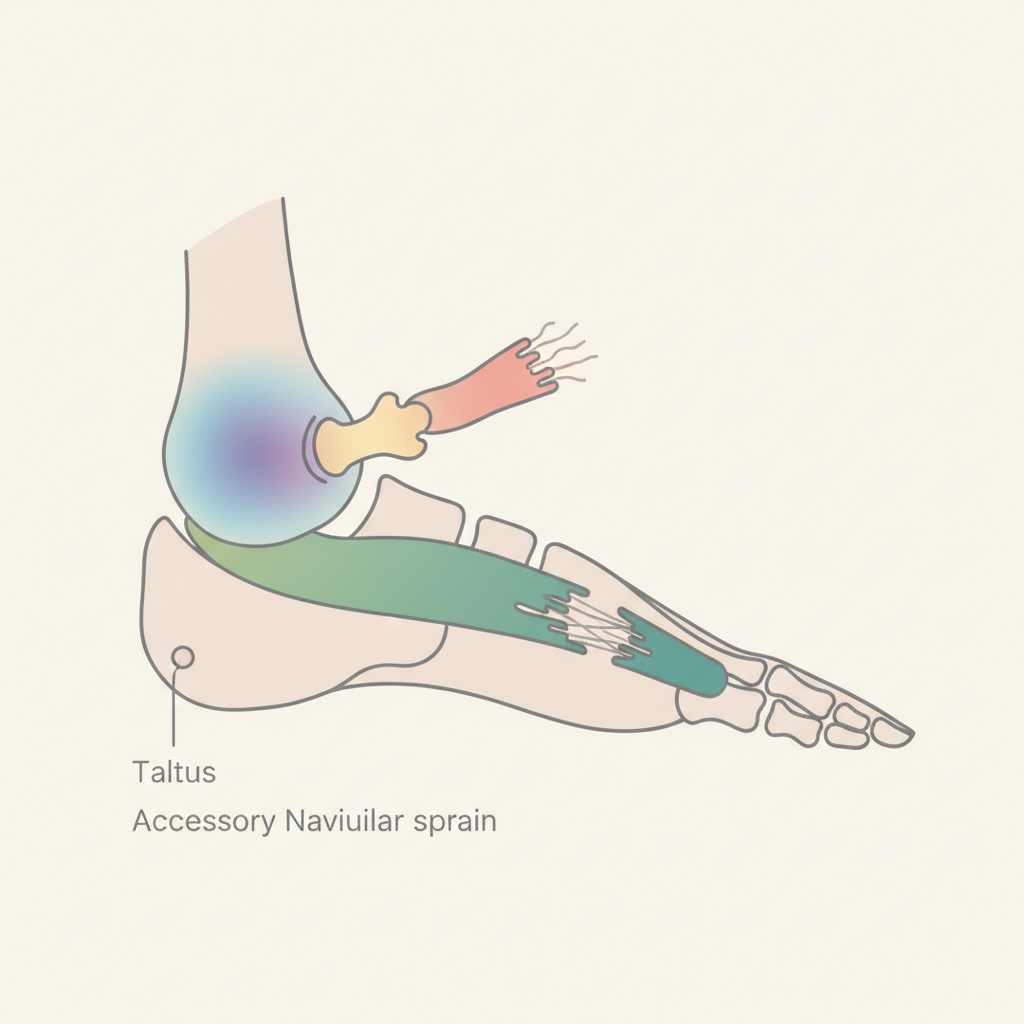
Image content may not directly reflect the article content.
The timing of the injury added layers of significance. BTS had not performed as a complete group since late 2022, as members pursued individual projects and fulfilled military service obligations. The upcoming Gwanghwamun concert marked their first official reunion as a six-member ensemble, making it a milestone event for both the group and their fanbase, known as ARMY. The choice of venue was deliberate: Gwanghwamun Square, a major public space in central Seoul, has hosted numerous cultural and political gatherings throughout Korean history. Holding a concert there symbolized a reintegration of popular culture into a communal, accessible space, resonating with themes of unity and public engagement often reflected in BTS’s music.
Anticipation reached fever pitch in the days leading up to the announcement. Social media platforms overflowed with fan theories, countdown posts, and travel plans from international supporters. Major Korean news outlets dedicated segments to rehearsal sightings and ticket demand, which reportedly exceeded available capacity within minutes of release. The announcement of a Netflix livestream further globalized the event, promising real-time viewing for audiences in over 190 countries. This dual approach—an in-person spectacle paired with a digital broadcast—exemplified the hybrid nature of modern large-scale entertainment.
Despite medical advice suggesting rest, RM reportedly voiced a strong willingness to participate in the comeback show. In a surprise Weverse live broadcast on March 20, he addressed fans directly, acknowledging the injury but emphasizing his commitment to the performance. He described the situation as frustrating yet manageable, expressing gratitude for the medical team’s care and promising to focus on delivering vocals and limited movement within safe boundaries. His transparency aimed to alleviate fan concerns while managing expectations about what the show would entail.
Big Hit Music’s response balanced artist autonomy with duty of care. The agency acknowledged RM’s strong desire to perform but stressed that medical opinion took precedence. In their official statement, they explained that after thorough discussions with RM and healthcare providers, they opted to restrict his choreography to prevent exacerbating the injury. This decision reflected a broader shift in the K-pop industry toward prioritizing long-term artist sustainability over short-term performance demands, a change increasingly vocalized by both artists and advocacy groups.
The restriction on RM’s movement inevitably raised questions about the visual and kinetic elements of the performance. BTS concerts are renowned for intricate, synchronized choreography that often features complex formations and high-energy sequences. Limiting one member’s mobility required creative adjustments, such as altering formations, emphasizing solo vocal segments, or incorporating seated or supported movements that accommodated the cast. Fans speculated about possible stage designs, including props or set pieces that could assist RM’s mobility while maintaining artistic integrity.
From a public health perspective, the incident highlighted the physical toll exacted by idol training and performance schedules. South Korea’s entertainment industry is known for its rigorous trainee system, where young individuals undergo years of intense vocal, dance, and language preparation before debut. Even after achieving success, idols frequently endure packed schedules of recording, filming, touring, and promotional activities, often with minimal rest. Injuries ranging from stress fractures to chronic fatigue are not uncommon, yet they are sometimes overlooked in favor of maintaining public appearances. RM’s case, by contrast, received immediate medical attention and public disclosure, suggesting a gradual normalization of seeking help and prioritizing recovery.
Internationally, BTS’s influence continues to reshape perceptions of pop music and cultural exchange. Their discography, which often addresses themes of mental health, self-acceptance, and social commentary, has resonated across linguistic and cultural barriers. The group’s ability to sell out stadiums worldwide, top charts in diverse markets, and engage with global institutions like the United Nations underscores their role as cultural ambassadors. Consequently, any health concern involving a member attracts worldwide attention, prompting discussions not only about K-pop but also about broader issues such as workplace wellness in high-pressure industries.
The global fan reaction demonstrated a mature and supportive stance. While some expressed disappointment at the prospect of limited choreography, the overwhelming sentiment on platforms like Weverse, Twitter, and Instagram was one of encouragement and understanding. Fans shared messages wishing RM a speedy recovery, created art depicting him healing, and pledged to enjoy the show regardless of adjustments. Many international fans who had flown to Seoul for the concert indicated they would still attend, valuing the opportunity to be physically present for the historic reunion, even if the performance differed from initial expectations.
Frequently asked questions emerged as fans sought clarity. What is the difference between a sprain and a tear? A sprain involves stretching or ligaments, while a tear indicates actual rupture of the fibers; a partial tear falls somewhere in between. How long will RM need to wear the cast? The agency did not specify an exact duration beyond the minimum two-week restriction, but typical cases may require four to six weeks of immobilization followed by rehabilitation. Can he still bear weight on the foot? Medical advice likely advised weight-bearing as tolerated with support, but intense pivoting or jumping would be restricted. Will the other members’ performances change? Big Hit Music stated that all members were preparing diligently, suggesting the overall show would proceed with adjustments primarily affecting RM’s segments.
Image content may not directly reflect the article content.
RM ankle injury recovery Summary
In conclusion, RM’s ankle injury served as a reminder of the human element behind global stardom. His determination to perform, coupled with the agency’s cautious approach, illustrated an evolving balance between artistic commitment and health preservation. As BTS took the stage in Gwanghwamun, the concert became more than a musical event; it was a moment of collective reflection on resilience, adaptation, and the enduring bond between artists and their audience. The hopeful message radiating from the performance was clear: healing is underway, and the promise of future complete, vibrant returns remains on the horizon.
작성자 소개