This Korean age calculator explains the recent changes in age calculation. The Korean age calculation system has recently gained international attention as South Korea officially transitioned to the international age standard in June 2023, ending a centuries-old tradition that made Koreans appear one or two years older than their actual age.
Image content may not directly reflect the article content.
Korean age calculator: Understanding the change
This change followed years of confusion caused by maintaining three different age systems: the traditional Korean age (세는나이), international age (만 나이), and year age (연나이). The traditional system, deeply rooted in East Asian cultural practices, considered newborns as one year old and added another year every January 1 regardless of actual birthdate. Meanwhile, the international system counts age from zero at birth and increments on each birthday. The year age system, used in some legal contexts, simply subtracts birth year from current year.
Prior to the change, a person born in December 2000 would be considered two years old in Korean age by January 2001, while only one month old by international standards. This discrepancy created practical complications in legal documents, healthcare, and international interactions. The South Korean government surveyed citizens in September 2022, finding majority support for unifying the age system to reduce legal disputes and social misunderstandings.
The traditional Korean age calculation followed a simple formula: current year minus birth year plus one. For example, someone born in 1990 would be 37 in Korean age in 2026 (2026-1990+1). The international age calculation requires checking whether one’s birthday has passed: if yes, current year minus birth year; if no, current year minus birth year minus one. Using the same example, a May 15, 1990 birthdate would be 36 in international age in 2026 (birthday passed), while a February 10, 1990 birthdate would be 36 (birthday passed), and a December birthdate would be 35 (birthday not yet passed).
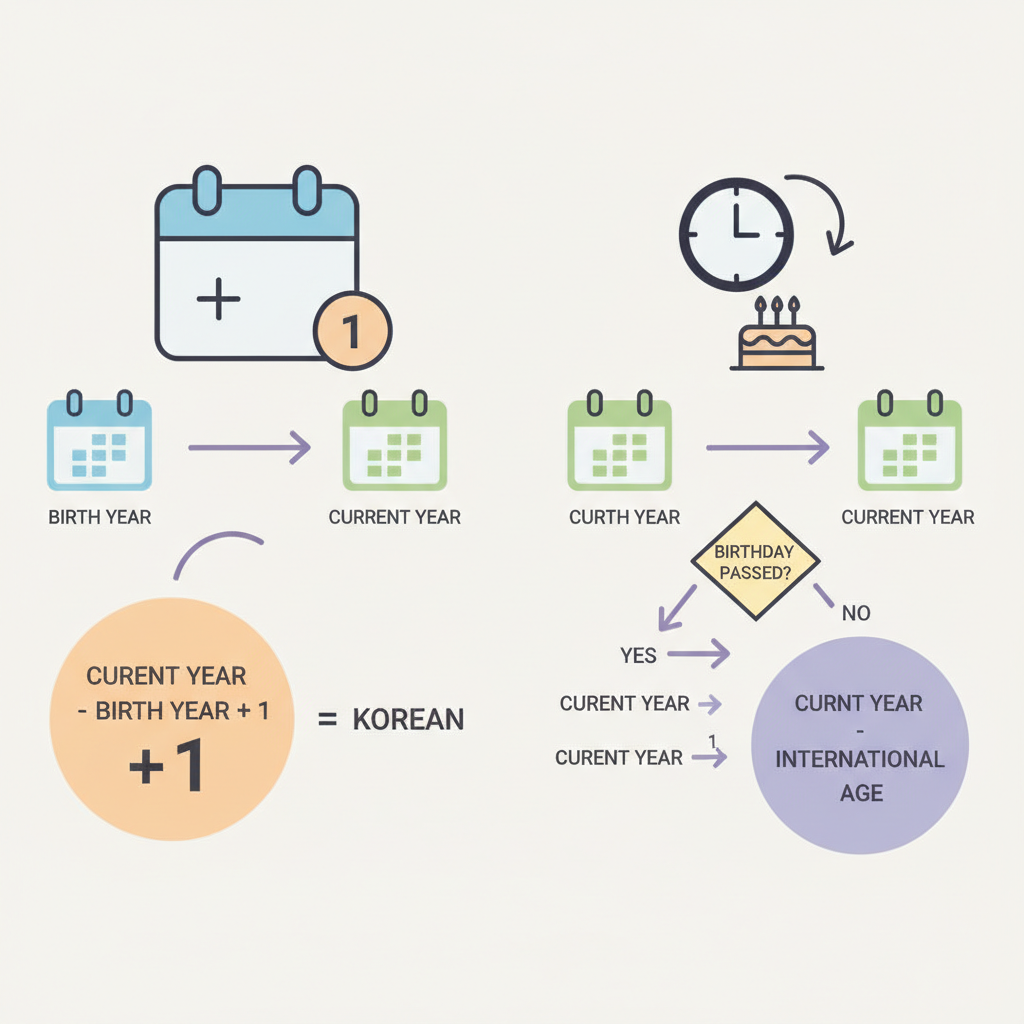
Image content may not directly reflect the article content.
This shift aligns Korea with global standards while addressing administrative inefficiencies. Previously, the dual system caused confusion in areas like military conscription, which used year age, and drinking age verification, which relied on international age. By standardizing on international age, Korea simplifies legal processes, reduces documentation errors, and improves clarity in international contexts.
Globally, age calculation varies significantly. While most Western countries use birthday-based systems similar to Korea’s new standard, some East Asian regions maintain traditional practices in cultural contexts. China, for instance, still uses traditional age in fortune-telling and zodiac calculations despite adopting international age for legal purposes. Taiwan maintains a mixed system where traditional age appears in social settings while official documents use international age.
The change reflects broader trends toward globalization and administrative standardization. As societies become more interconnected, aligning basic demographic measurements reduces friction in international business, travel, and communication. Korea’s experience demonstrates how cultural traditions can evolve when practical concerns outweigh historical continuity.
Frequently asked questions about this topic include: Does this change affect traditional celebrations? While legal documents now use international age, cultural celebrations like dol (first birthday) and baekil (100-day celebration) continue unchanged. How does this affect age-based restrictions? Legal ages for drinking, smoking, and voting remain the same numerically but now reference international age exclusively. Will older Koreans still use traditional age socially? Surveys indicate gradual adoption of international age in daily life, though some older generations may continue traditional usage in informal settings.
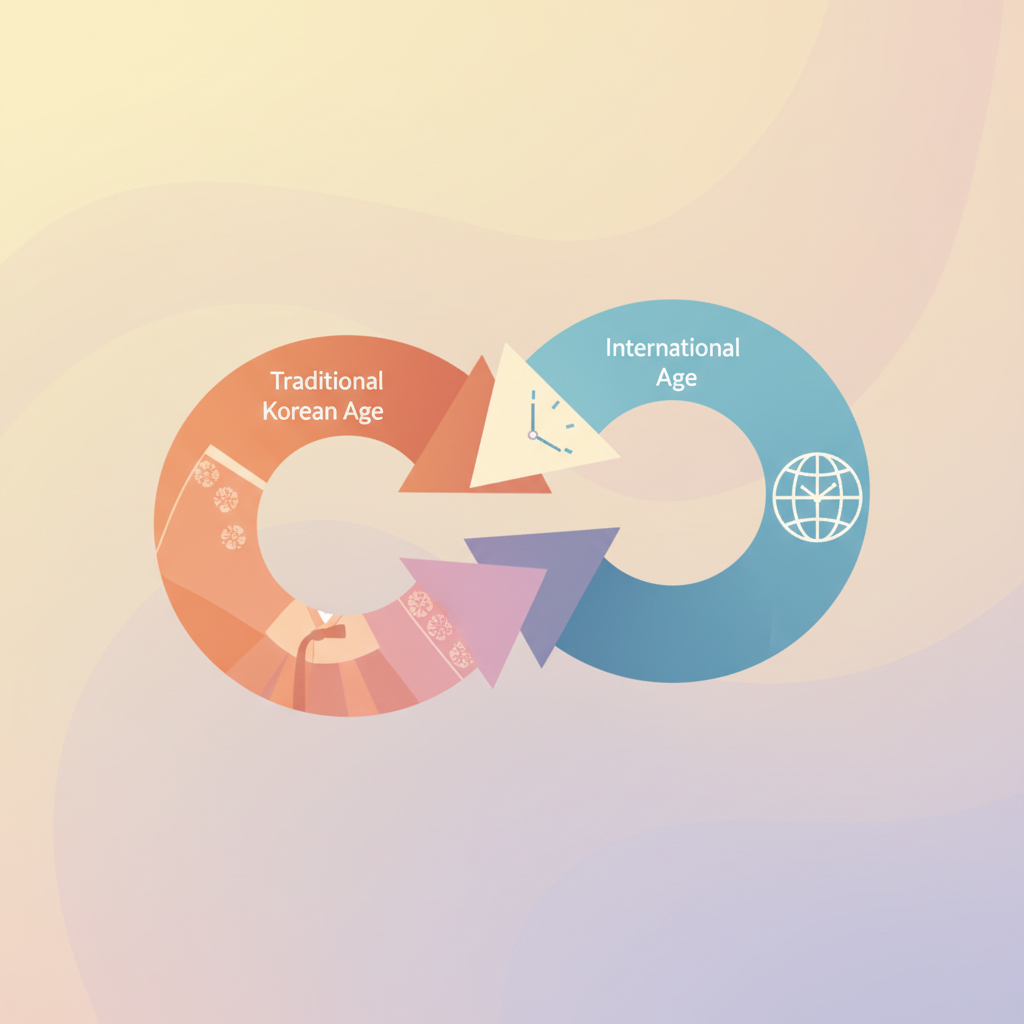
Image content may not directly reflect the article content.
South Korea’s transition to international age represents a pragmatic modernization that preserves cultural traditions in appropriate contexts while eliminating bureaucratic confusion. The change simplifies life for citizens and aligns the nation with global demographic standards, demonstrating how societies can thoughtfully evolve long-standing practices to meet contemporary needs. This Korean age calculator provides valuable insights.
작성자 소개