
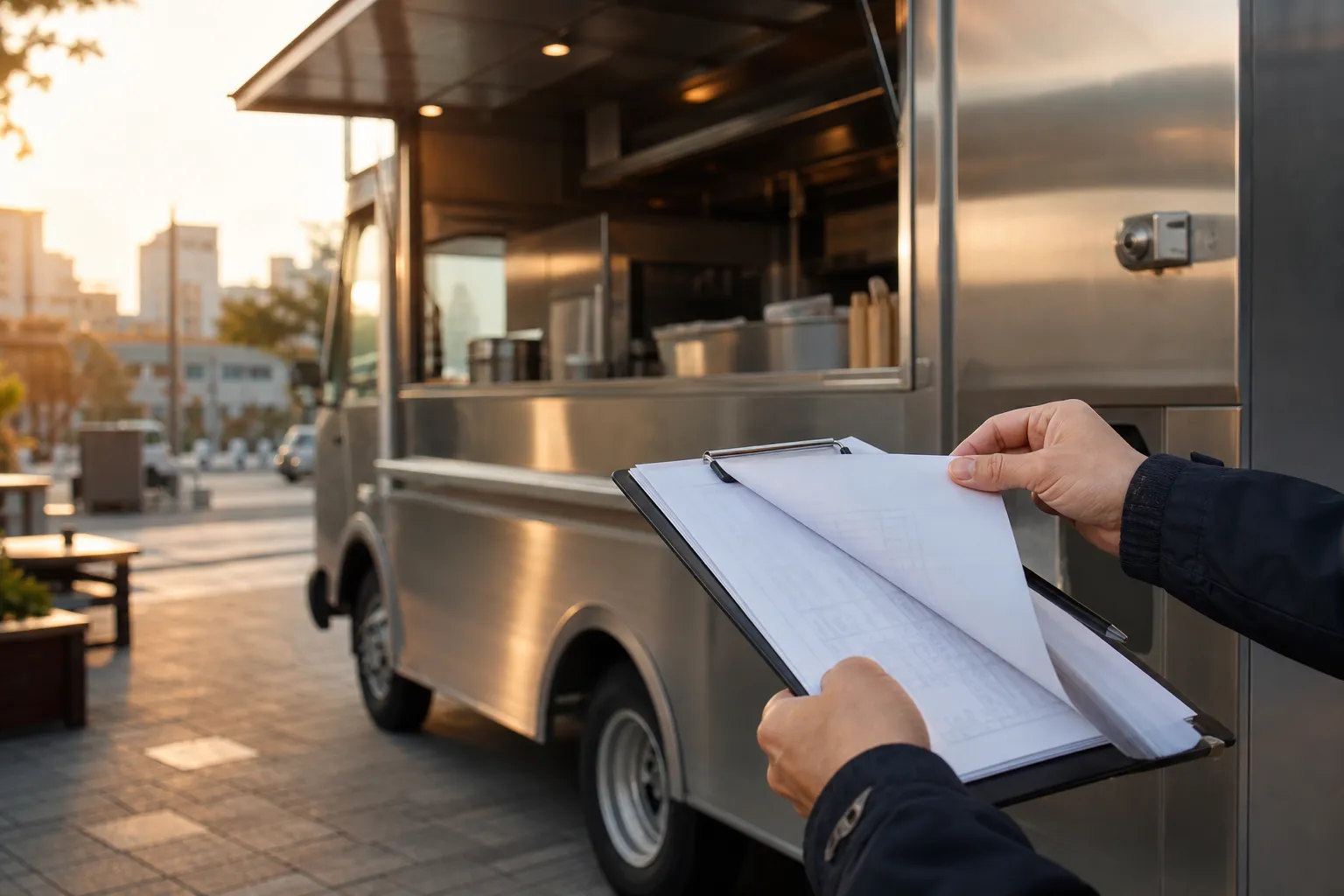
Texas food truck regulations changed in a meaningful way on July 1, 2026, when mobile food vendors moved into a statewide licensing system led by the Texas Department of State Health Services. For anyone who follows Local food trucks, this is more than paperwork: it affects how operators get permission to serve across city lines, how local governments adjust their rules, and how quickly new vendors can get on the road.
The big idea is simple enough. Instead of chasing separate local health permits in each operating area, mobile food vendors in Texas now need a license issued by DSHS. The agency states that “Anyone who operates as a mobile food vendor in Texas must hold a license issued by the Texas Department of State Health Services.” 1 The new system classifies vendors by food preparation risk as Type I, Type II, or Type III, and it requires a pre-license inspection. 1
Texas Food Truck Regulations Now Center on One State License
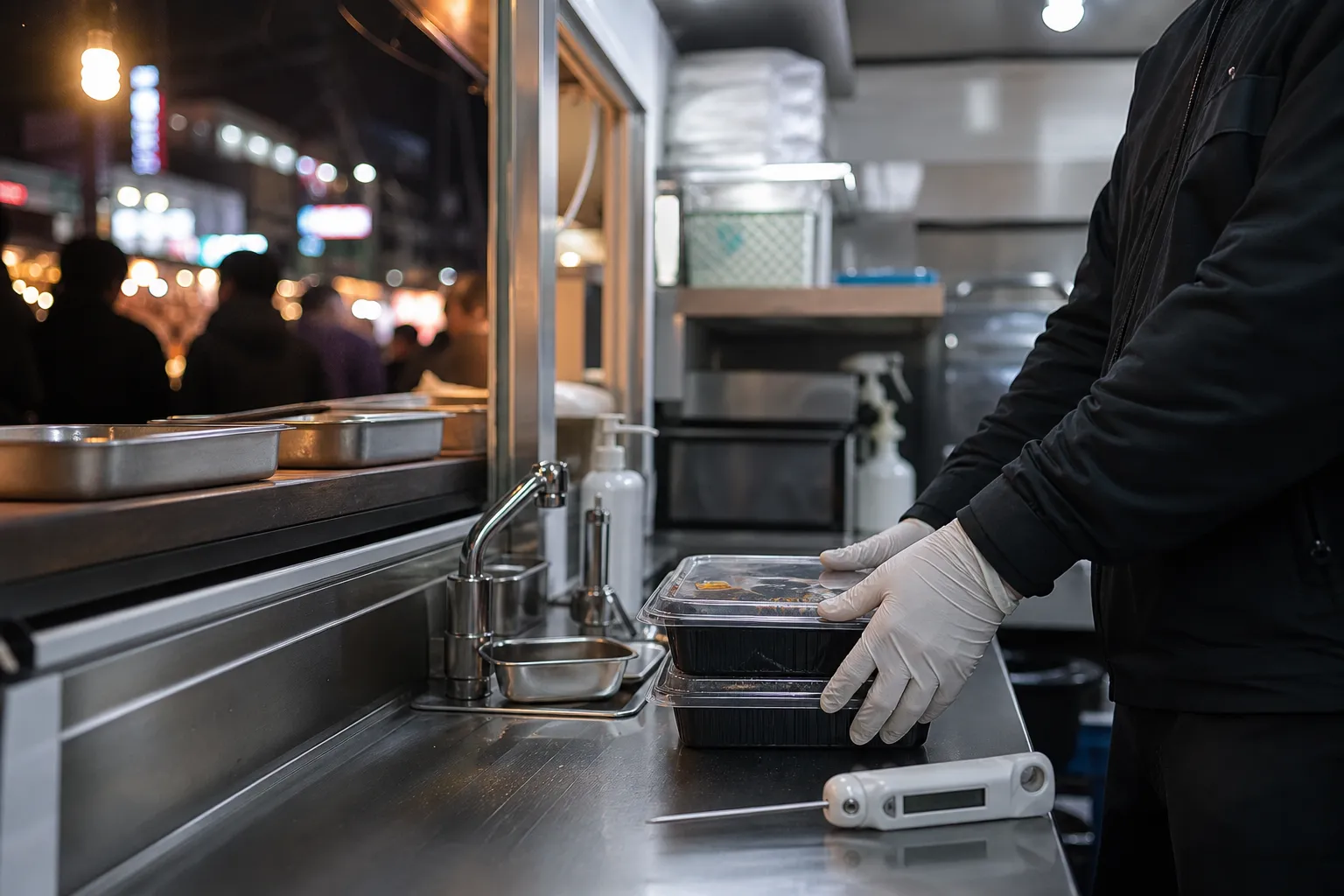
House Bill 2844, which took effect on July 1, 2026, changed the permitting structure from a local-by-local model to a single state license model. The Houston Chronicle reported that the shift can reduce duplicate permitting for trucks that cross multiple jurisdictions, while also creating new cost pressures for some operators. 2
That tradeoff is important. If a food truck works festivals, office parks, breweries, private events, and neighborhood pop-ups in more than one city, one statewide license can be easier to manage than several overlapping local permits. State Rep. Brooks Landgraf described the law as a way to cut red tape while keeping food safety standards strong statewide. 2
But simpler geography does not automatically mean cheaper entry. The Houston Chronicle reported that, for some businesses, application, pre-license, and inspection costs may rise to roughly $1,400 to $1,850. 2 That number matters because food trucks often look like flexible small businesses from the outside, yet they still carry serious startup and compliance costs behind the serving window.
The scale of the change is also large. Scott Jeansonne told the Houston Chronicle, “Essentially overnight, you have 19,000 food trucks that have permits.” 2 Another operator, Moon Mehmood, said his company works with about 186 active food trucks. 2 Those figures show why a statewide shift is not just a narrow legal update; it touches a broad food business ecosystem.
What Cities Still Control Under the New Rules
The state license does not erase every local role. Cities are still adjusting their ordinances to line up with HB 2844 while preserving local powers that do not conflict with state licensing.
Port Arthur is one example. Beaumont Enterprise reported that the Port Arthur City Council passed a new ordinance on June 30, 2026, repealing older food truck rules to match HB 2844. The city removed food truck permit fees and adjusted temporary food permit fees to $52 for events lasting up to 14 days. 3
At the same time, Port Arthur did not give up every local tool. A Port Arthur Health Department representative said that while the state now licenses mobile food vendors, the city keeps traditional police powers to protect public health and safety. 3 In practical terms, that means the statewide license handles the core mobile food vendor licensing structure, while local rules can still matter for areas such as health, fire, and land use when they do not conflict with state law. 3
Houston and Austin also posted public guidance around the transition. The Houston Health Department stated that, beginning July 1, 2026, mobile food unit permitting authority transferred to DSHS under HB 2844 and Chapter 226. Houston stopped accepting new mobile food unit design review applications on May 15, 2026, and said city permits and medallions were no longer valid after June 2026, with DSHS permitting required instead. 4
Austin Public Health similarly announced that the mobile food vendor program for Austin and Travis County was transitioning to DSHS. It said that from July 1, 2026, vendors must have a valid state mobile food vendor permit issued by DSHS. 5
What Existing and New Vendors Need to Understand
For vendors, one of the most useful distinctions is whether they already had a local permit before the transition. Laredo Public Health told vendors that, beginning July 1, 2026, DSHS would oversee inspections and licensing requirements as part of the statewide program. 6
The Laredo guidance also described a transition path: vendors with existing local permits could apply for a state license and, if they met requirements, continue operating while waiting for inspection. New vendors, however, could not operate before application approval. 6 That difference is especially relevant for people trying to launch a new truck after the law’s effective date.
For customers, the change may be less visible at first. You may still see the same trucks parked near lunch crowds, breweries, markets, and special events. The behind-the-scenes compliance route, though, has changed. A vendor’s ability to operate across Texas now depends on the DSHS licensing framework, rather than a patchwork of separate local health permits.
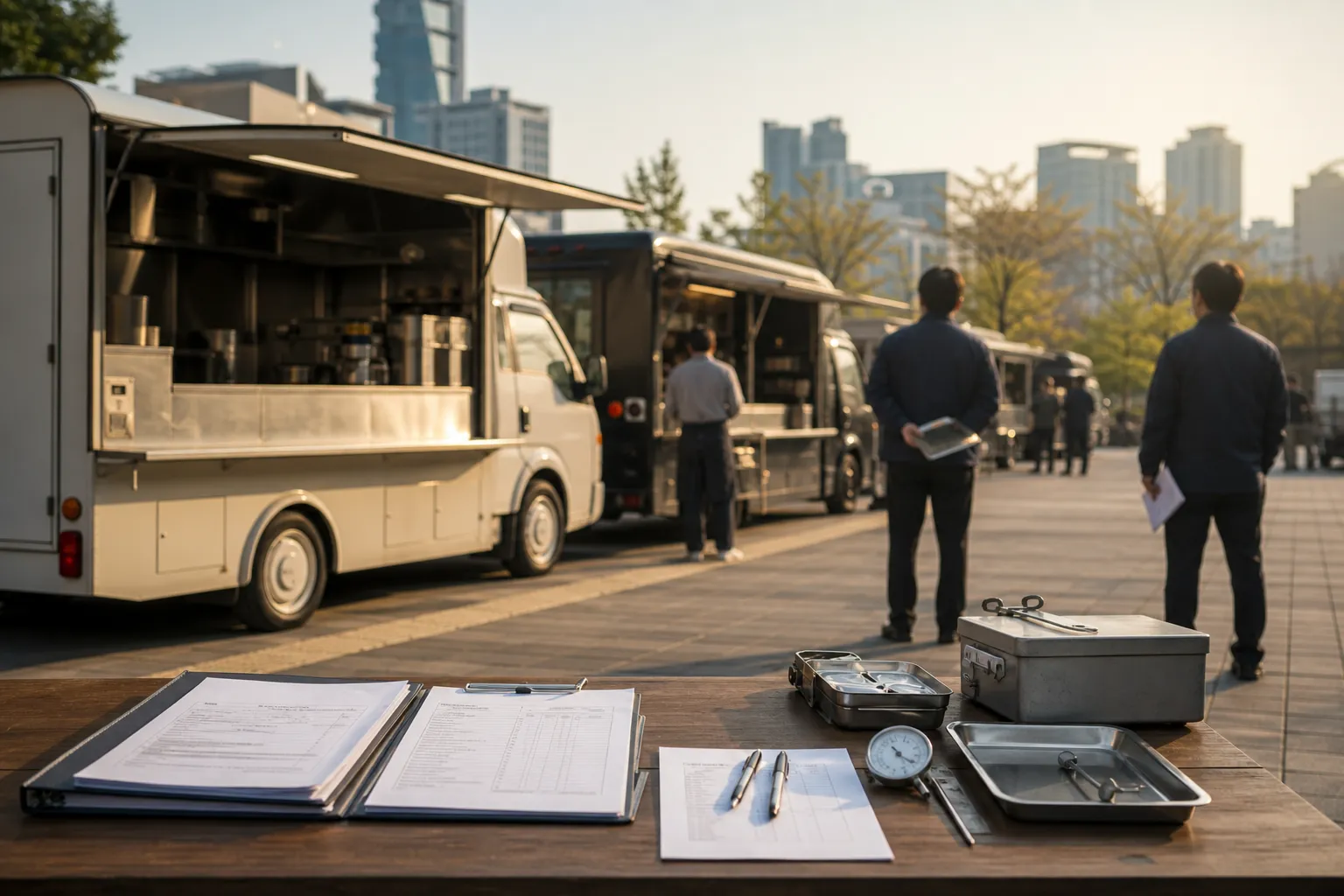
The July 2026 Texas food truck regulation shift is best understood as a move toward statewide consistency, with local governments still keeping certain safety and land-use roles. For mobile vendors, the upside is a clearer path across jurisdictions; the challenge is meeting state inspection and licensing requirements, including possible higher costs for some businesses. For readers and customers, it is a reminder that the local food truck scene depends not only on creativity and good food, but also on the rules that let small vendors legally serve their communities.
References
- Mobile Food Vendors (Texas Department of State Health Services)
- Texas food truck permit law: What changed on July 1 (Houston Chronicle, 2026-07-01)
- Port Arthur updates food truck rules to match Texas law (Beaumont Enterprise, 2026-07-09)
- Mobile Food Units (Houston Health Department)
- Mobile Food Vendors (Austin Public Health)
- Laredo Public Health outlines new rules for mobile food vendors (Laredo Morning Times, 2026-06-04)
About the Author