
BTS Spring Album 2026: A Deep Dive into the Gwanghwamun Comeback and Global Impact

When I first heard that BTS would be returning to the stage with a spring album in 2026, my heart raced. The group’s announcement of a special live show at Gwanghwamun Square felt like a gift to fans who have waited years for a full‑group performance. The event, titled BTS Comeback Live: Arirang, took place on the 21st at 8 p.m., marking the first time all seven members have shared a stage since the “Old Tour Come In Busan” in October 2022 – a gap of roughly three years and five months.
Inside the Gwanghwamun Cube Stage

The creative team behind the show designed an “open‑form cube” structure that lets the iconic Gwanghwamun backdrop shine through while keeping the performers visible from every angle. RM explained that the cube was chosen to maximise the symbolic space without letting the stage obscure the monument, allowing viewers to see both the historic site and the performance in a single frame. Jin added that the cube became the central stage device after the group brainstormed various concepts, noting its versatility for different visual effects.
Suga highlighted the collaboration with overseas directors, which brought fresh points of view to the production. J‑Hope described the sensation of looking at the stage and feeling as if Gwanghwamun were framed inside a picture, with BTS’s performance filling that frame – a moment he called deeply symbolic. Jimin expressed hope that the album’s title track, “Arirang,” would be sung together with the audience against the historic backdrop, creating a harmony of place and music. V said seeing the cube clearly capture Gwanghwamun felt like an honour, while Jung Kook reminded fans that the stage is divided into three zones and the song flow has been reworked, urging everyone to follow the overall narrative for maximum enjoyment.
Rehearsals weren’t without hiccups. RM revealed he suffered a minor foot injury while practicing, but he assured fans he would adjust his performance to stay within his limits and give his best. The members shared a mix of nerves and excitement: Jin admitted trembling at the thought of performing on Gwanghwamun Square for the first time, Suga talked about the hectic schedule of balancing world‑tour prep with the comeback show, J‑Hope acknowledged the pressure of a global audience but promised to keep energy and focus high, Jimin confessed a flutter of anxiety alongside his excitement, V expressed happiness after diligent daily practice, and Jung Kook said anticipation and worry drove him to prepare even more thoroughly.
The production credits read like a who’s who of live‑show veterans. The overall director, Hamish Hamilton, known for staging the London Olympic ceremonies, Super Bowl halftime shows, and concerts for pop icons such as Madonna and Beyoncé, led the visual storytelling. Co‑producer Guy Carr brought Emmy‑award‑winning experience from awards‑show direction. The event was streamed live on Netflix to viewers in 190 countries, turning a local celebration into a worldwide spectacle.
Chart‑Topping Success and Global Recognition
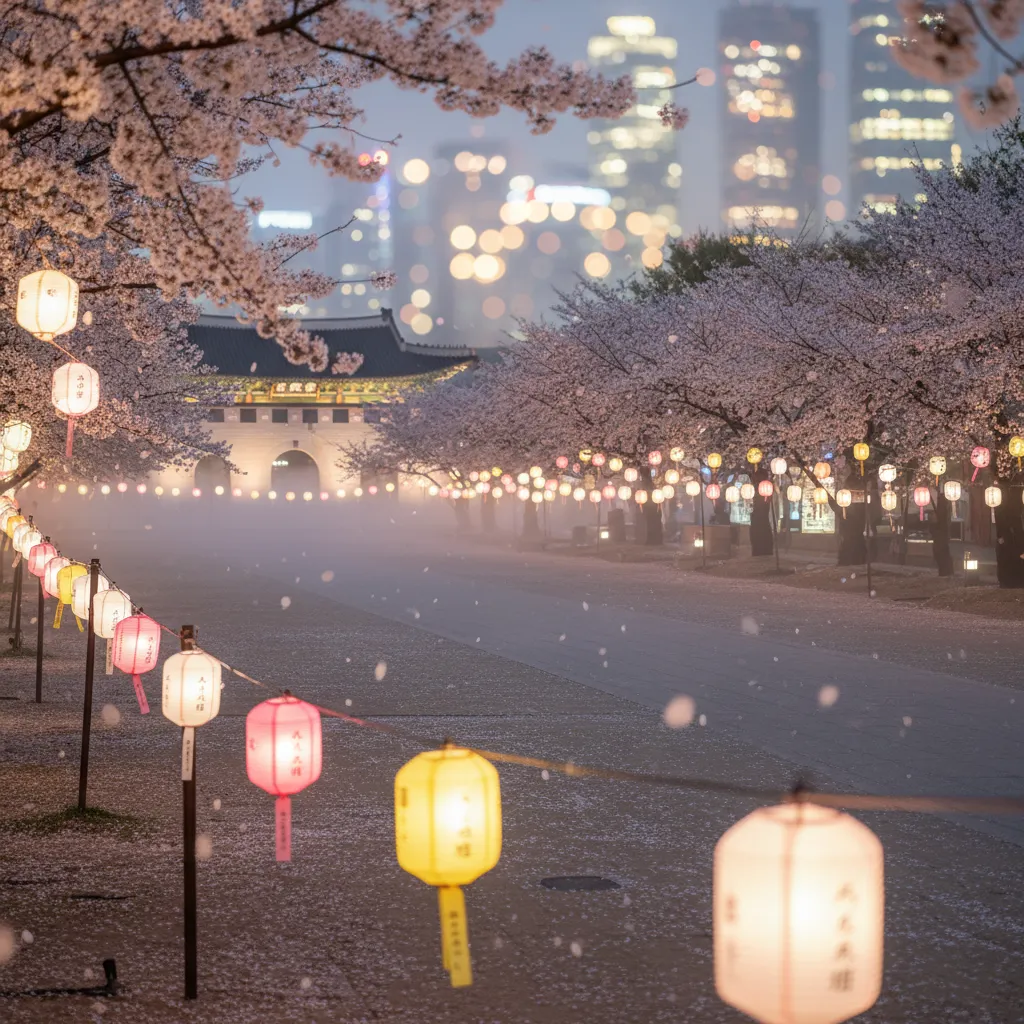
The musical heart of the event is BTS’s Spring Album 2026, titled Arirang. Drawing inspiration from Korea’s beloved folk song, the album weaves the group’s identity with the universal emotions they feel in 2026. Upon release, the album sold a staggering 3.98 million copies on its first day, shooting straight to the top of the Hanteo daily chart.
Streaming platforms responded in kind. The title track “Arirang” claimed the number‑one spot on Spotify for four consecutive weeks, a testament to its global appeal. Across the pond, the album’s impact was recognised at the American Music Awards, where BTS received nominations in three major categories – a nod to their continuing influence on the international music scene.
What stands out most is how the group managed to blend a deeply Korean cultural element with a modern, worldwide sound. The Arirang motif isn’t just a nostalgic throwback; it serves as a bridge connecting listeners from different backgrounds to a shared musical experience. The Gwanghwamun performance, with its open cube design and historic backdrop, visually reinforced that bridge, letting the music and the monument speak to each other.
As a fan, watching the members talk about their hopes, nerves, and gratitude reminded me why BTS’s connection with ARMY feels so personal. Their willingness to share the preparation process – injuries, excitement, and all – makes the triumph of the album and the live show feel earned, not just handed to them.
If you haven’t yet experienced the Spring Album 2026, I highly recommend giving it a listen. Whether you’re drawn by the folk‑inspired melodies, the slick production, or the story behind the Gwanghwamun stage, there’s something in this release for every listener. And if you ever get the chance to see a BTS performance that marries music with a landmark like Gwanghwamun, take it – you’ll witness a moment where culture, art, and fandom converge in real time.
: (Insert image after the first H2 heading)
: (Insert image before the conclusion) }
About the Author