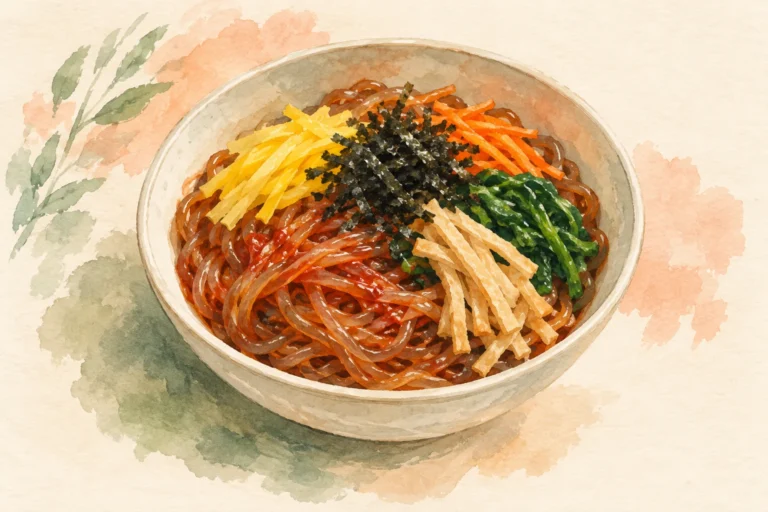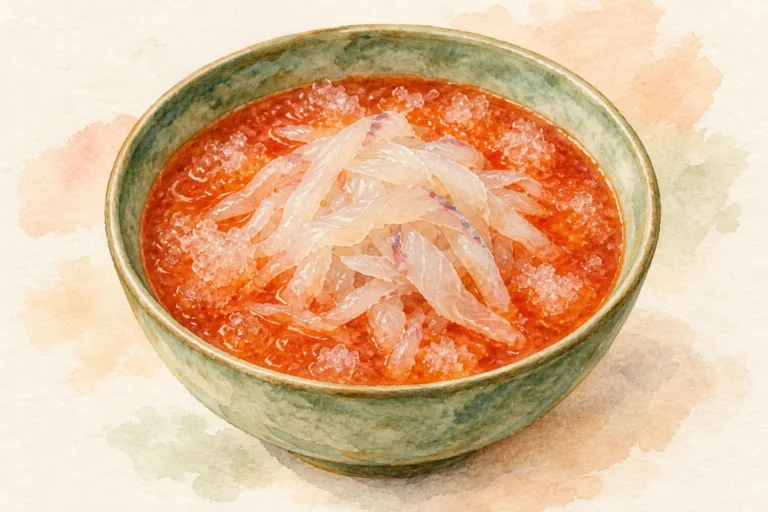
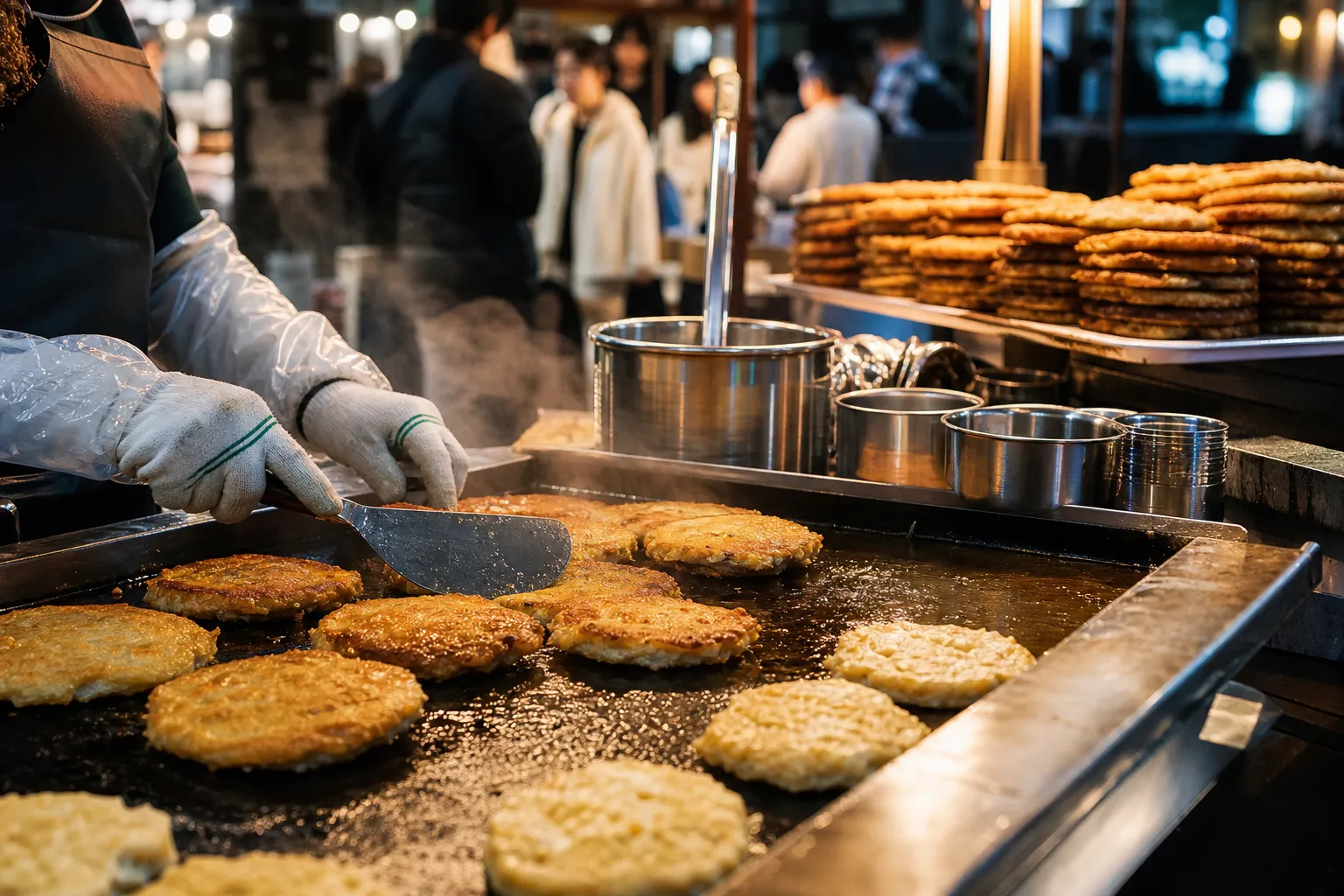
Seoul traditional market food is rarely just about what is on the plate. At Gwangjang Market in Jongno-gu, the familiar appeal of bindaetteok, yukhoe, tteokbokki, mini gimbap, rice cakes, japchae, and assorted jeon now sits alongside a very practical question: how can one of the city’s best-known food markets keep visitor trust while its tourist audience keeps growing?1
That is the context behind the phrase Gwangjang Market Crackdown, which is less about changing the market’s identity than about tightening the basics around hygiene, pricing, safety, and stall accountability. For readers who know the market mainly as a bindaetteok stop, the story is broader: Seoul’s traditional market food scene is being asked to stay delicious, accessible, and fair at the same time.
Seoul Traditional Market Food Under Closer Watch
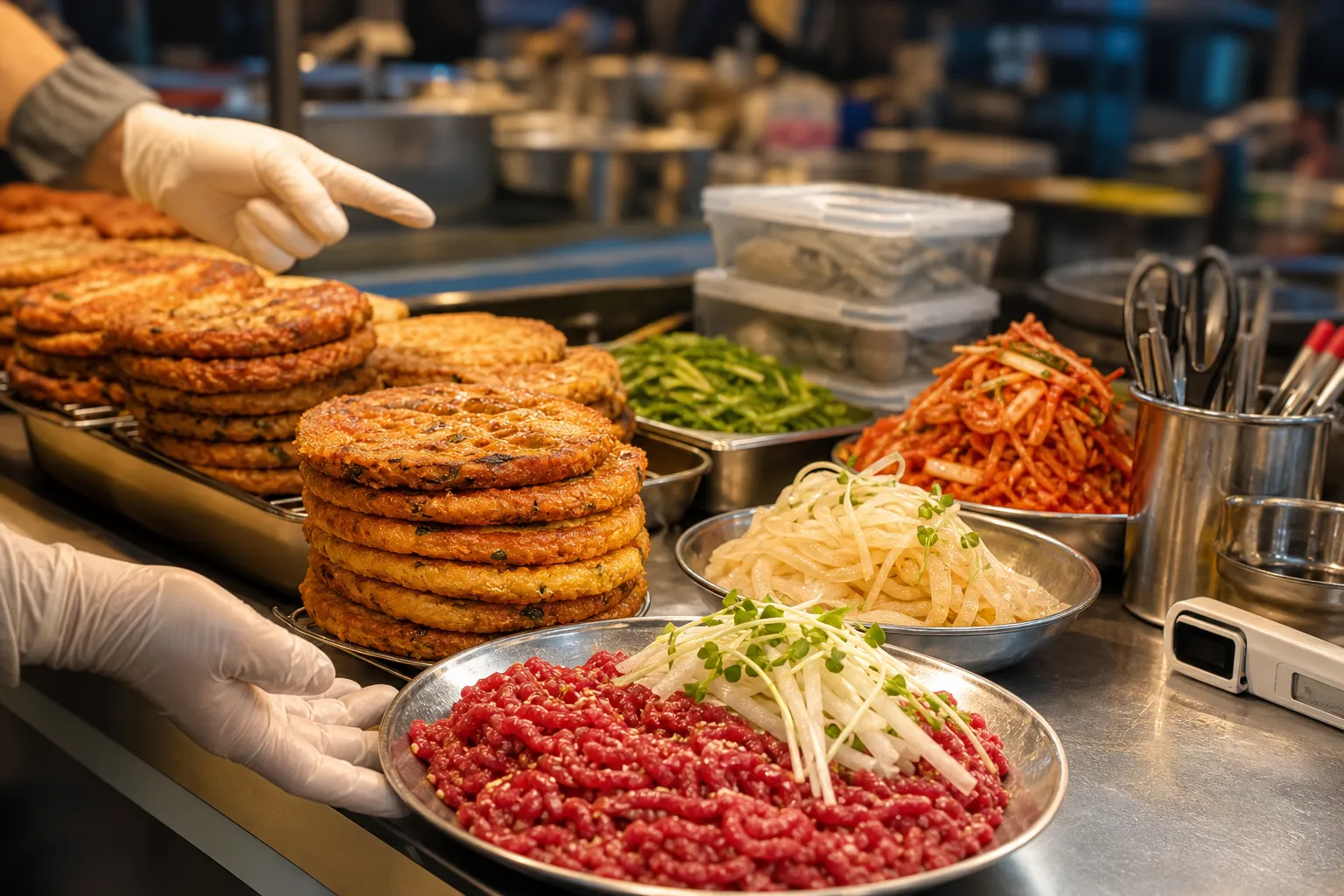
On May 20, 2026, the Seoul Metropolitan Government announced a comprehensive inspection of Gwangjang Market covering hygiene, commercial practices, and safety. The city and Jongno-gu planned intensive checks through May and June, followed by regular inspections and continuous monitoring. The plan also included Korean and international mystery shoppers to check for overcharging, forced sales, and other unfair practices.2
The food side of the inspection is especially relevant because Gwangjang Market’s reputation is built on what people eat while standing, sharing, walking, and watching food being cooked in front of them. Seoul said the inspection would cover 159 food service businesses and 109 food stalls, including how food is cooked, stored, and displayed.2 For a market known for high foot traffic and fast turnover, those details matter as much as flavor.
A separate local accountability measure was also reported ahead of June. MBC reported that Jongno-gu would introduce a stall real-name system at Gwangjang Market from June 1, 2026. Under the reported rules, stalls caught for illegal business practices such as overcharging or food reuse could receive penalty points, and a stall could face permanent removal if it accumulated 120 or more points within one year or had four or more violations.3
The same report said QR-code notices for foreign tourists were being considered to make complaints easier.3 That detail is small but meaningful. Gwangjang Market is not only serving local regulars; it is also serving visitors who may not speak Korean, may not understand local pricing norms, and may hesitate to report a problem in person.
Bindaetteok, Yukhoe, and the Market’s Changing Visitor Path
Gwangjang Market’s food identity still starts with dishes people actively seek out. Reports continue to frame it around bindaetteok and yukhoe, while holiday coverage from October 6, 2025 showed a wider food alley atmosphere with tteokbokki, mini gimbap, rice cakes, japchae, bindaetteok, meat patties, and other jeon drawing customers, including foreign visitors.1
That food mix is part of why the market remains easy to understand even if you have never been there. Bindaetteok is casual and shareable. Yukhoe is distinctive enough to become a destination dish. Snack foods such as mini gimbap and tteokbokki make the market feel approachable for quick browsing. The appeal is not one polished restaurant experience; it is a layered food street rhythm.
Access has also become part of the story. A Seoul citizen reporter article published on January 7, 2026 described the Cheonggye A01 autonomous bus route, which Seoul has operated since September 2025, as circulating between Cheonggyecheon and Gwangjang Market. The route runs between Cheonggye Plaza and Gwangjang Market, and the article presented it as a way to connect sightseeing with a bindaetteok-focused market visit.4
That kind of connection matters because traditional market food often depends on movement: how easily people arrive, where they enter, what they see first, and how they continue their walk afterward. A market can be historic and still need modern visitor flow.
The market’s surroundings are changing too. MoneyToday reported on June 9, 2026 that Gwangjang Market was in talks over opening a Daiso store, though the report described the plan as still under discussion rather than confirmed. The same article framed the market as shifting from a traditional food destination centered on bindaetteok and yukhoe toward a broader consumption space aimed partly at foreign tourists, with Olive Young, Starbucks, and fashion brands also appearing nearby.5
That does not mean food is becoming less important. If anything, the food gives the area its reason for being. But it does mean a visitor may increasingly combine a bindaetteok stop with cosmetics, coffee, budget goods, or fashion browsing in the same trip.
From Food Alley to Broader Tourist District
Cookie News described Gwangjang Market as a 120-year-old market that is now drawing attention not only for traditional foods such as yukhoe and bindaetteok but also as a K-fashion and beauty consumption space. It reported that a Kodak Apparel flagship store opened in July 2025, while Matin Kim, SATUR, and Marithe opened stores in early October 2025; it also cited the first Off Beauty store, opened in May 2025, as part of the foreign-tourist draw.6
One visitor quoted in that report, Okada, said in translation, “The atmosphere is completely different from when I came to Korea and visited Gwangjang Market last year.”6 The comment is useful because it captures the market’s current tension in plain language: the place is recognizable, but the experience around it is changing.
MoneyToday also quoted a retail industry source saying that the mood is spreading in which such partners are seen as “partners for revitalizing the commercial district.”5 That is not the same as saying every new store is confirmed or universally welcomed. It simply shows how the market’s future is being discussed: not only as preservation, but also as commercial adaptation.
For food lovers, the key issue is whether those changes improve the visit without flattening what makes the market special. Better hygiene checks, clearer accountability, and easier reporting can support the food culture rather than weaken it. A traditional market loses trust quickly if visitors worry about unfair pricing or food handling, especially when short-form travel content can amplify both good and bad experiences.
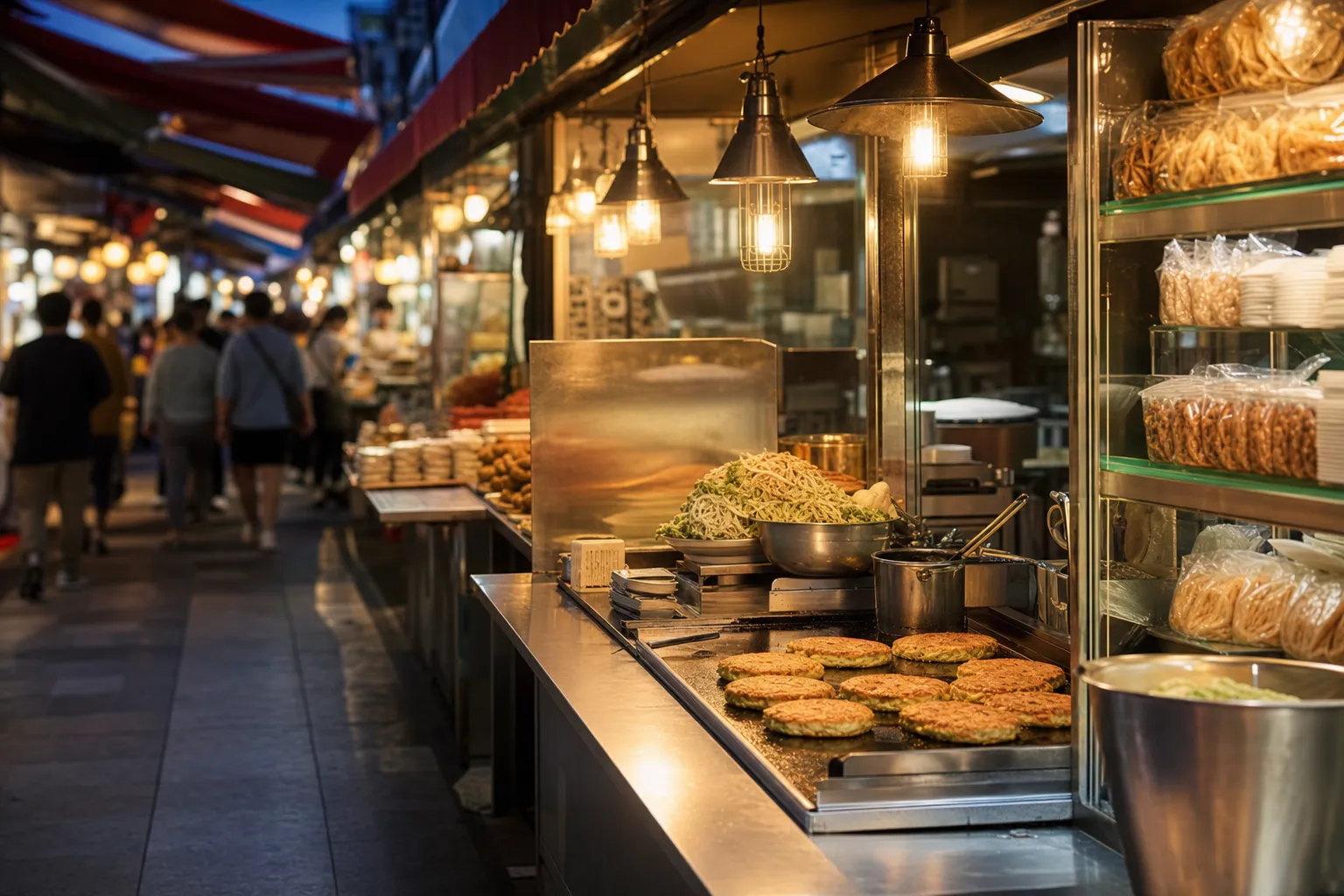
In the end, Gwangjang Market’s food story is not only about one famous bindaetteok alley. It is about how Seoul traditional market food can remain lively, affordable-feeling, and culturally specific while meeting the expectations of local diners, holiday crowds, and international visitors. The inspections and stall rules show one side of that adjustment; the new retail energy around the market shows another. What matters most is whether the market can keep the warmth and immediacy of its food lanes while making the experience clearer, cleaner, and fairer for everyone who comes to eat.
References
- 비오는 추석 전집 앞 긴줄…"전통시장 먹거리 즐겨요" (연합뉴스TV, 2025-10-06)
- 서울시, 광장시장 '위생·상거래·안전' 종합점검 실시… 신뢰 회복 총력 (서울특별시, 2026-05-20)
- 바가지·위생 논란 '광장시장' 노점실명제 시행‥6월부터 퇴출 가능 (MBC, 2026-05-18)
- 청계천 자율주행버스를 타고, 광장시장 빈대떡 맛집 투어 (내 손안에 서울, 2026-01-07)
- 빈대떡·육회 먹고 다이소 쇼핑? 광장시장이 먼저 손 내밀었다 (머니투데이, 2026-06-09)
- “육회·빈대떡만 찾지 않아요”…광장시장, 관광객 K-뷰티·패션 놀이터로 [현장+] (쿠키뉴스, 2025-10-17)
About the Author