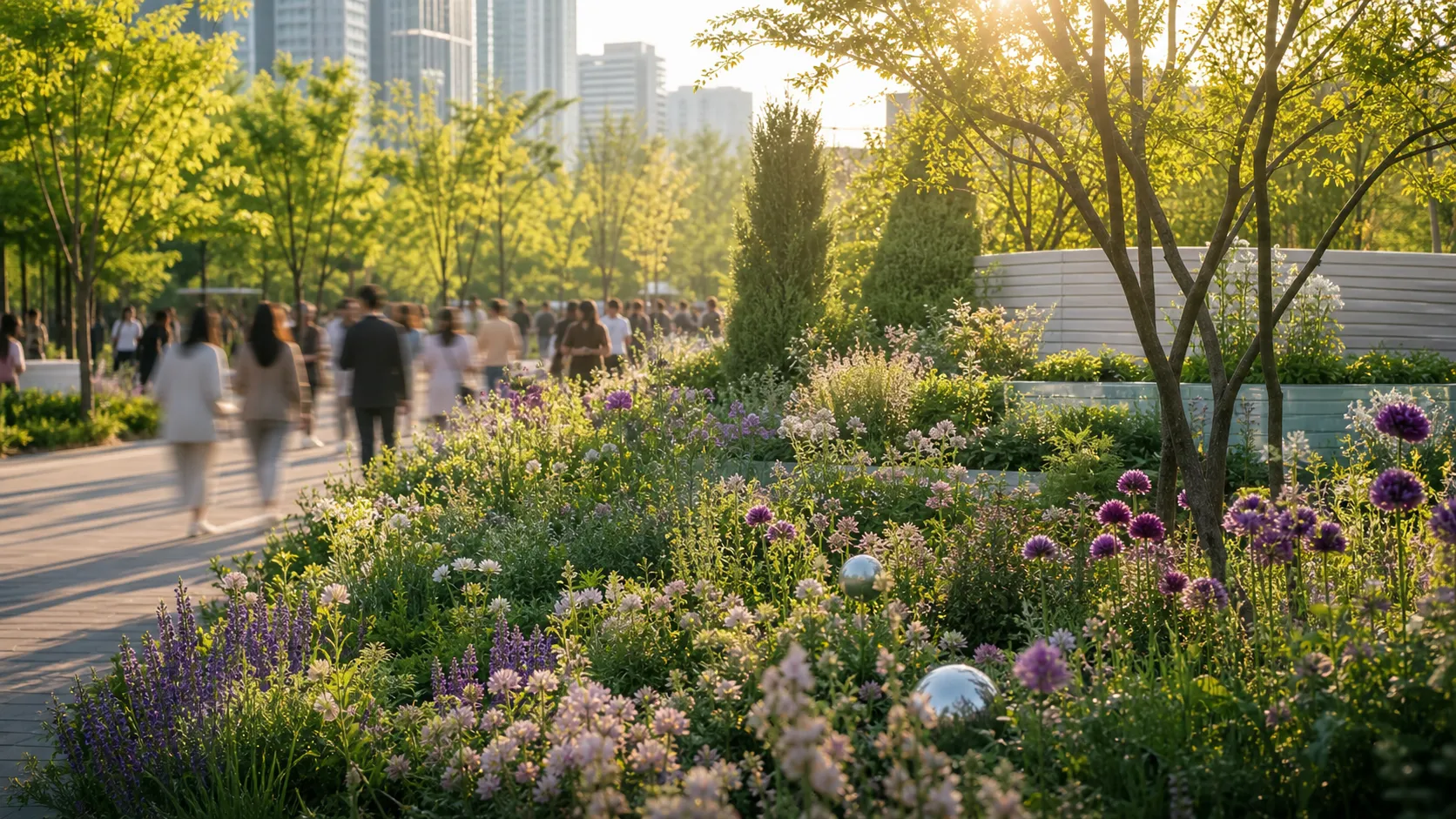
The 2026 Seoul Garden Show has turned Seoul Forest into the main visitor magnet of this year’s international garden festival, with turnout passing 2.5 million people by the 20th day after its May 1 opening. For anyone planning a visit, the numbers matter: they point to a popular, crowded event spread across Seoul Forest, the Han River area, Seongsu, and nearby districts, with city officials adding seating, food areas, markets, and crowd-management resources to support the flow of visitors.1
The core visitor story is concentrated around Seoul Forest. On opening day, the event drew 306,548 visitors in total, the highest opening-day figure reported for the festival, including 251,813 counted at Seoul Forest and 54,735 at Seongsu Handmade Shoes Park.2 By the sixth day, cumulative attendance had already passed 1 million, and by the 20th day it had exceeded 2.5 million.31
Seoul Forest Visitors: What the Numbers Show
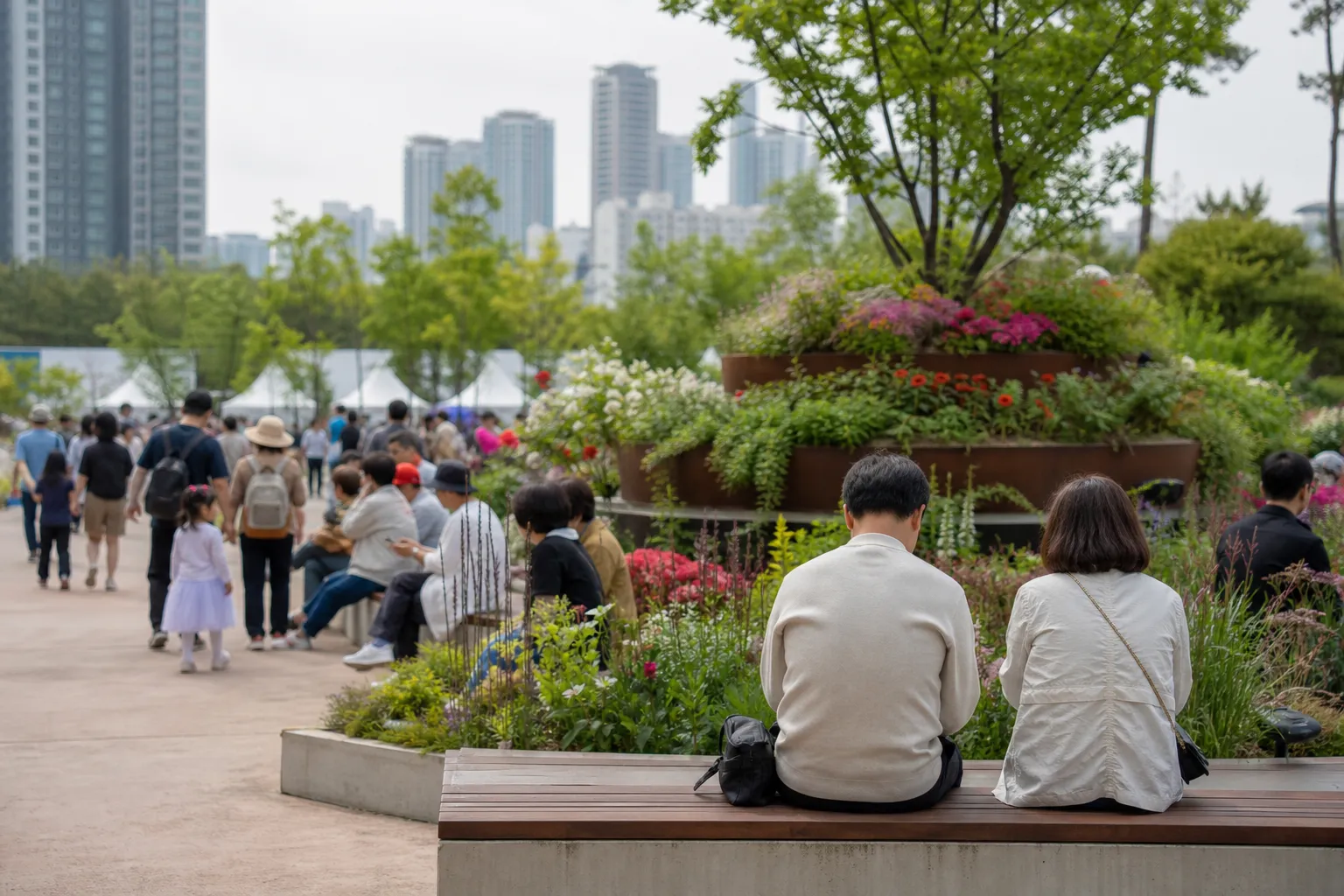
The Seoul Forest garden show is not a small park display. The 2026 festival is being held for 180 days from May 1 through October 27 across Seoul Forest, the Han River, and the Seongsu area, with one report describing the venue footprint as about 150,000 pyeong.3 Another pre-opening report said Seoul prepared gardens centered on Seoul Forest, with 167 gardens covering a total of 90,000 square meters, and expanded the stage beyond Seoul Forest to Seongdong-gu, Gwangjin-gu, and the Han River corridor.4
For visitors, that means the experience is distributed rather than limited to a single entrance or one compact exhibition zone. The sources identify gardens, interpretation programs, hands-on activities, performances, markets, food-truck zones, and garden-culture programs as part of the on-site offering.31 The practical takeaway is to allow enough time for walking between areas, especially if your plan includes both Seoul Forest and Seongsu-linked stops.
Crowd data also shows why timing matters. From May 1 to 10, the average daily living population around Seoul Forest and Seongsu was about 42,300, up 20.4% from the previous April, while the staying population around Seoul Forest was counted at 76,000 at 2 p.m. on opening day.5 Those figures do not provide a complete hourly schedule, but they do suggest that peak daytime windows around Seoul Forest can be busy.
How to Plan Around Crowds, Seating, and Nearby Seongsu
The city reported several changes designed to make longer visits easier. Seating was expanded from 2,160 seats to 4,620 seats, and food-truck zones and garden markets were operated in different parts of Seoul Forest.1 A separate pre-opening report said more than 4,600 rest facilities were planned, along with safety, traffic, and crowd-response staffing of up to 251 people per day.4
Because the source material does not provide ticket prices, reservation rules, daily opening hours, or a complete program calendar, visitors should treat the confirmed facts as planning boundaries rather than a full itinerary. What is confirmed is the long operating period, the multi-area layout, the large visitor volume, the garden and culture-program format, and the city’s stated crowd-support measures.
The festival has also affected nearby Seongsu. Seoul analyzed living population, staying population, and card-spending data around Seoul Forest and Seongsu, and said the average daily domestic credit-card spending amount in the Seongsu area rose 31.5% compared with the preceding April.1 Financial News reported the same 31.5% increase and said the city viewed the data as evidence that visitors were staying and enjoying the festival long enough to support local commercial activity.6
That matters if you plan to pair the Seoul Forest gardens with cafes, restaurants, or shopping in Seongsu. The available figures indicate stronger foot traffic and spending pressure in the area during the festival period, so visitors should expect popular Seongsu stops to be busier than usual around major event days and peak park hours.
City officials have emphasized safety and comfort in their public remarks. Kim Young-hwan, director of Seoul’s Garden City Bureau, said the city would operate the event safely and pleasantly through autumn while building toward “Garden City Seoul.”1 Earlier, after the record opening day, he also said safety would be the top priority in managing the event.2
Quick FAQ
When does the 2026 Seoul Garden Show at Seoul Forest run?
The event opened on May 1, 2026, and is scheduled to run for 180 days through October 27, 2026, across Seoul Forest, the Han River, and the Seongsu area.3
How crowded has Seoul Forest been during the garden show?
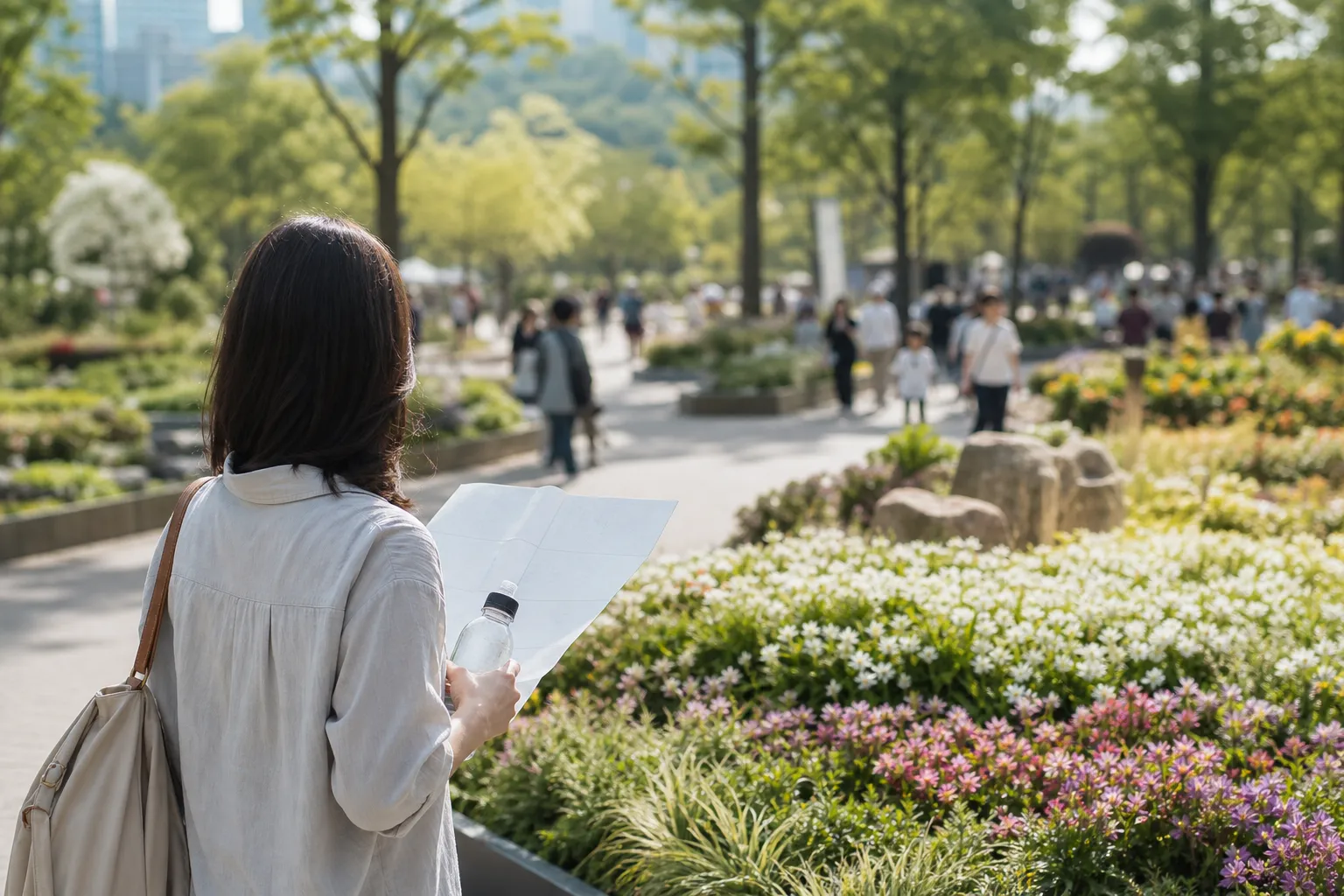
The opening day drew 306,548 visitors overall, including 251,813 at Seoul Forest, and cumulative attendance passed 2.5 million by the 20th day after opening.21 !Seoul Forest Garden Show venue scale and visitor planning For a practical visit, the strongest source-backed advice is to plan for a large, spread-out festival rather than a quick single-zone stop. Seoul Forest is the center of the visitor story, but the 2026 garden show extends into the Han River and Seongsu area, and the confirmed attendance, seating expansion, markets, food areas, and crowd-response planning all point to an event best approached with extra time and flexible expectations.
References
- 개막 20일차 250만명 넘은 서울국제정원박람회… 성수 상권 매출 30% 급증 (서울특별시, 2026-05-20)
- 서울국제정원박람회 첫날 30만명 '역대 최다'…서울숲에 25만명 (연합뉴스/파이낸셜뉴스, 2026-05-02)
- 유니원 총괄운영 ‘2026 서울국제정원박람회’, 개막 6일 만에 100만 방문객 돌파 (서울신문, 2026-05-13)
- 서울숲, 한강, 성수, 광진까지 정원으로…서울국제정원박람회 (중앙일보/미주중앙일보, 2026-04-29)
- 서울국제정원박람회 관람객 250만명 돌파…성수 상권 매출 30%↑ (머니투데이, 2026-05-20)
- 성수도 '정원박람회' 특수…상권매출 31.5% 증가 (파이낸셜뉴스, 2026-05-20)
About the Author