GAGGEN Michelin attention has grown for a clear reason: GAGGEN by Choi Junho was promoted to one MICHELIN Star in the 2026 Seoul and Busan guide. For readers curious about Gaggen in Cheongdam, the star places this intimate Japanese dining counter among Korea’s officially recognized MICHELIN-starred restaurants for 2026.1
The restaurant’s rise is especially interesting because it connects several threads at once: Seoul’s expanding fine-dining scene, Korean chefs interpreting Japanese kaiseki traditions, and a dining format built around seasonal detail, explanation, and warm counter service. GAGGEN by Choi Junho is listed by the MICHELIN Guide as a one-star Japanese restaurant at 2F, 19-1 Apgujeong-ro 80-gil, Gangnam-gu, Seoul.2
GAGGEN Michelin One-Star Status in 2026
Michelin’s 2026 Seoul and Busan selections were unveiled in Busan on March 5, 2026, and GAGGEN by Choi Junho was among the restaurants elevated from MICHELIN Selected to one-star status.3 That detail matters because it frames the award not as a sudden appearance, but as a promotion within the guide’s own system.
The official Michelin update described Gaggen by Choi Junho as one of four restaurants promoted to one MICHELIN Star in the 2026 Seoul and Busan guide, with three promotions in Seoul and one in Busan.1 In the broader 2026 landscape, Korean media reported that 46 restaurants in Korea received MICHELIN stars, including 42 in Seoul and four in Busan.4
For diners who follow the guide closely, one more number helps place GAGGEN’s achievement in context: Korea JoongAng Daily listed GAGGEN by Choi Junho among 35 one-star restaurants in Korea for 2026.3 A one-star designation can make a restaurant much more visible to international travelers and local food lovers alike, particularly when the restaurant already has a distinct identity rather than a generic luxury-dining profile.
A Cheongdam Kaiseki Counter With Two Chefs at the Center
GAGGEN’s official website describes the restaurant as a kaiseki cuisine restaurant in Cheongdam-dong, Seoul.5 The name itself is tied to the two chefs behind the counter: the site says it combines characters from chefs Choi Hyeon-ah and Won Jin-hee.5
The MICHELIN materials also identify the restaurant as run by chefs Hyeon-Ah Choi and Jin-hee Won, with a focus on refined Japanese seasonality.1 That seasonal framing is central to understanding why GAGGEN is not just “Japanese food in Seoul,” but a restaurant working in the kaiseki tradition, where composition, timing, ingredients, and presentation all carry weight.
The Korea Times added another important layer to the story by identifying Choi Hyeon-ah of GAGGEN by Choi Junho among the women head chefs in Korea’s 2026 starred restaurant list. The same report said she trained at Tokyo’s three-star Kanda before opening a seasonal kaiseki counter in Korea.6 GAGGEN’s own site notes chef backgrounds at Kanda and Kurogi in Tokyo, linking the Seoul restaurant to notable Japanese culinary training.5
That background helps explain the restaurant’s style without needing to overstate it. Based on the available sources, GAGGEN’s appeal lies in carefully handled Japanese seasonality, chef-led service, and a counter format where the meal is presented with explanation and attention.
What the Dining Experience Is Known For
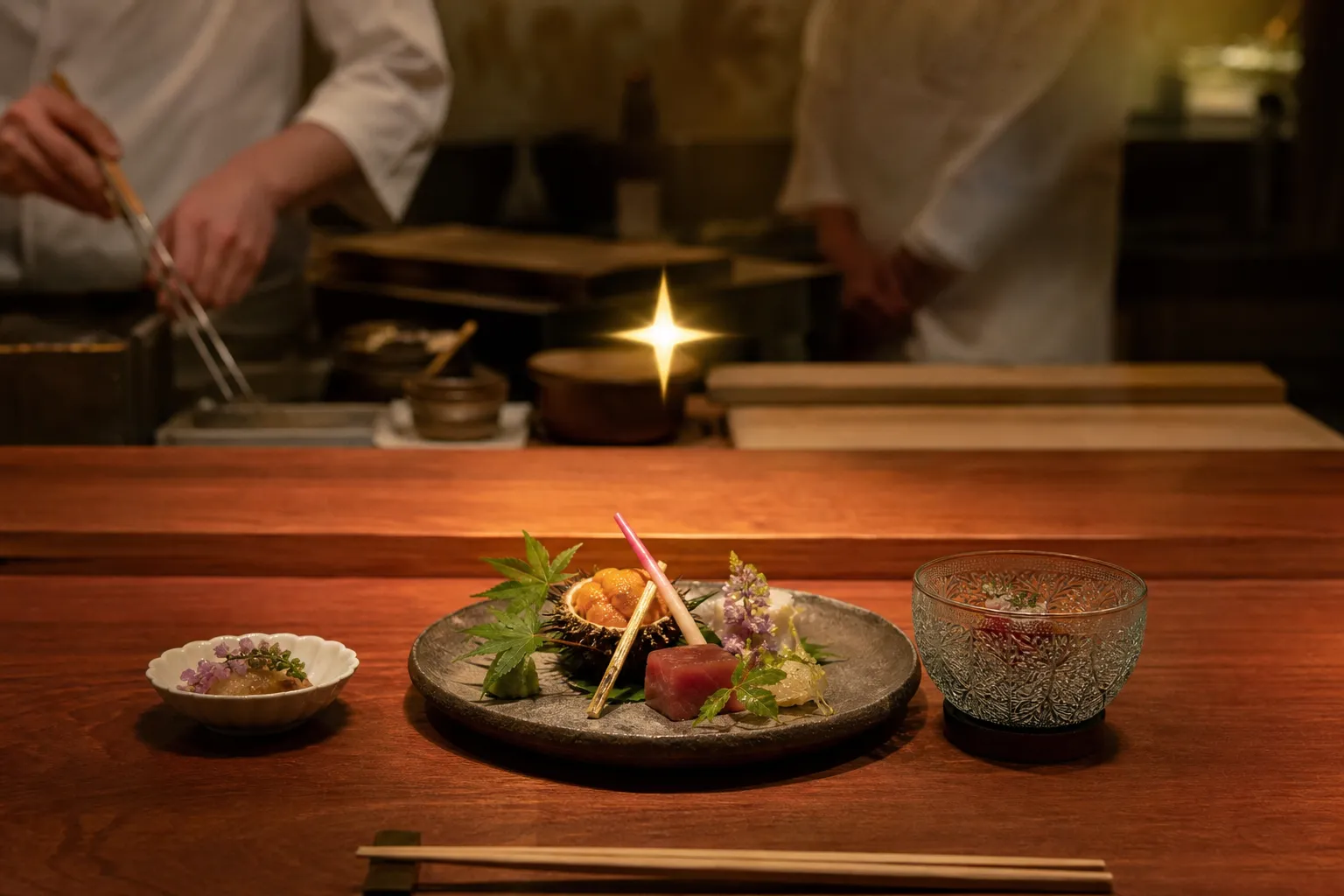
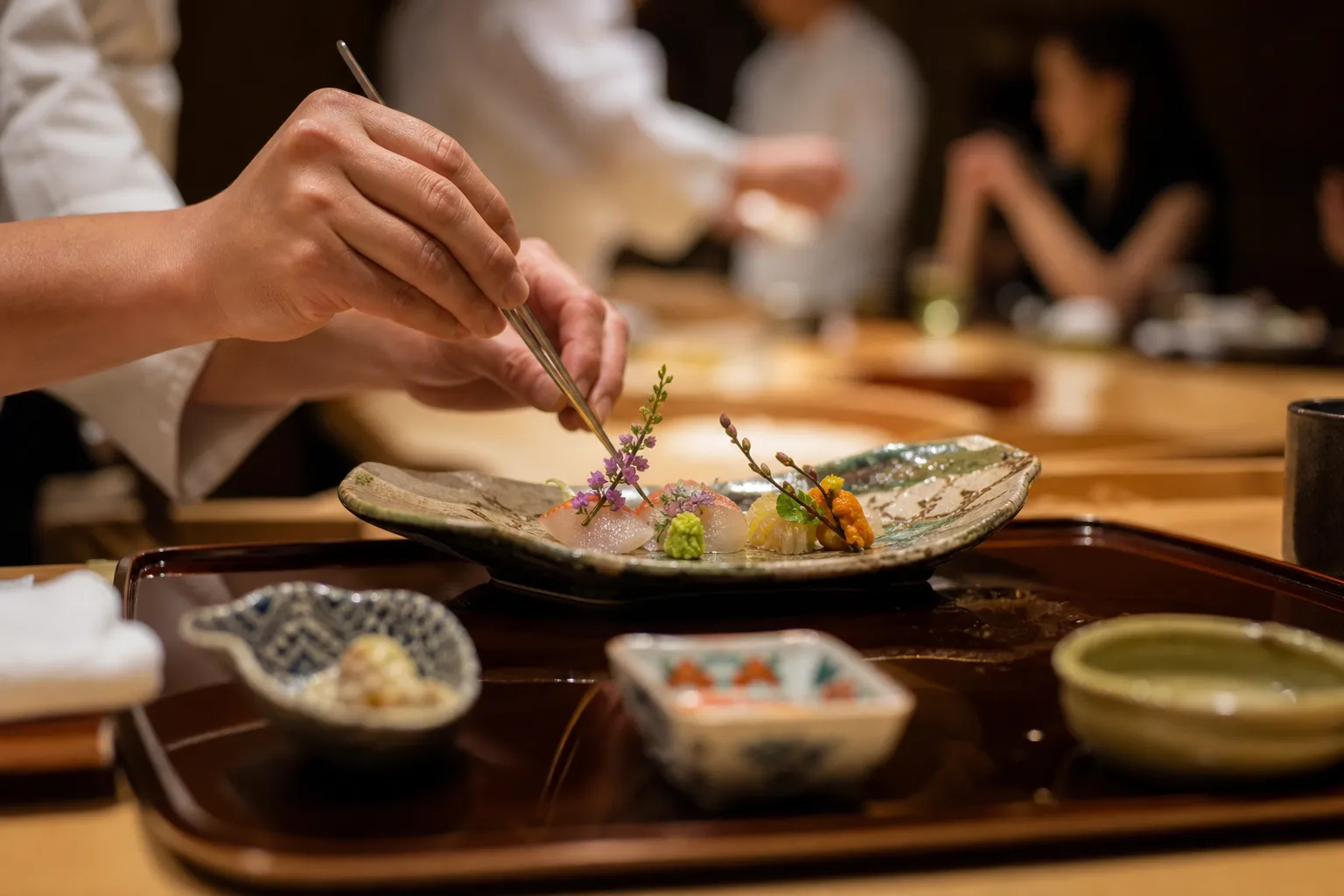
The MICHELIN Guide listing says dinner begins at 7 p.m. for all guests, which suggests a shared-service rhythm rather than a casual drop-in format.2 The same listing highlights chefs’ explanations, tableside presentation, and warm service as part of the dining experience.2
Those details are useful if you are trying to understand the mood of the restaurant. GAGGEN is not described in the sources as a sprawling dining room or a high-turnover venue. The picture that emerges is more focused: a seasonal counter where the chefs’ presence and explanations are part of the meal’s structure.
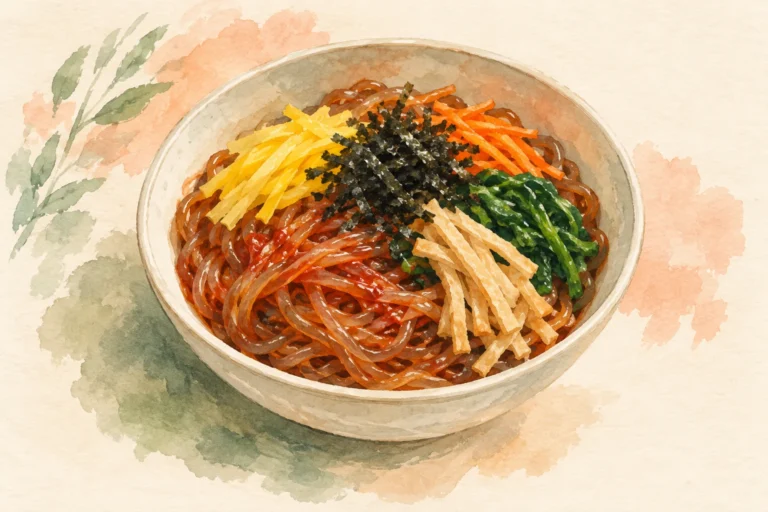
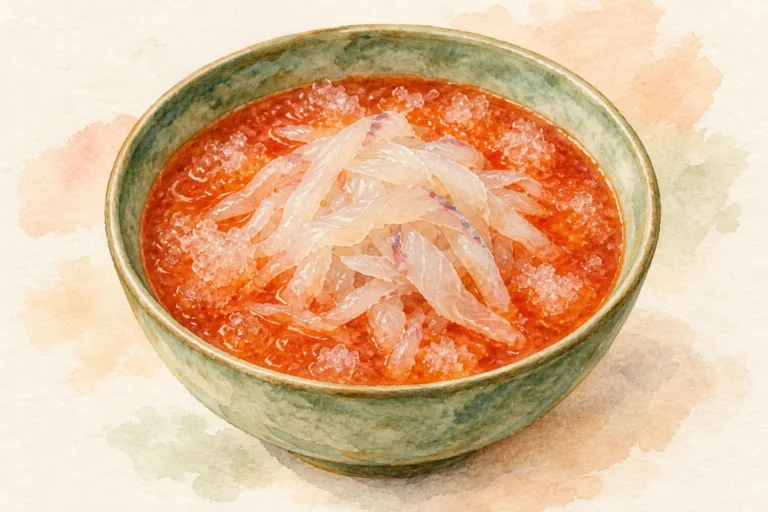
Food-wise, the official Michelin update points to hand-pulled somen, freshly ground sesame, and bracken-starch warabi-mochi as examples of the restaurant’s refined Japanese seasonality.1 GAGGEN’s official website also lists signature menu elements including Kurogi somen with sea urchin and caviar, hassun, and warabi mochi.5
These menu references give the restaurant a more concrete shape. Somen, hassun, and warabi mochi are not just decorative terms; in the context provided by the sources, they show how GAGGEN expresses kaiseki through seasonal pacing, texture, and presentation. The mention of sea urchin and caviar with Kurogi somen also signals a refined style that draws on both Japanese technique and luxury ingredients.5
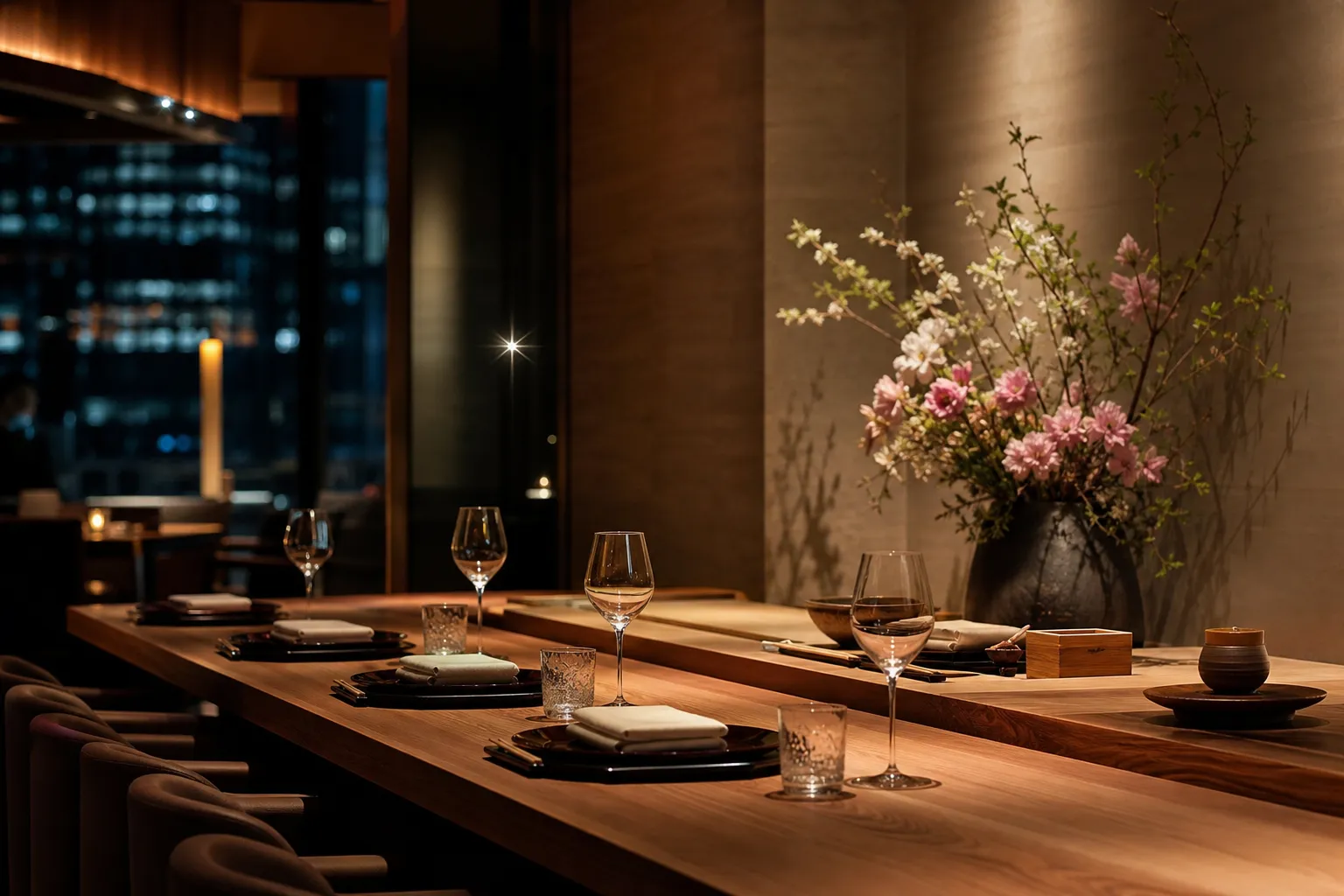
For anyone following Seoul’s fine-dining scene, GAGGEN by Choi Junho’s one-star recognition is notable because it adds another highly specific restaurant to the city’s MICHELIN map. It is a Cheongdam-dong kaiseki counter led by chefs Choi Hyeon-ah and Won Jin-hee, promoted in the 2026 guide, and recognized for a dining experience built around seasonality, presentation, and service. The available sources do not provide every operational detail, but they clearly show why GAGGEN Michelin interest has become part of the wider conversation around Korea’s evolving starred restaurant scene.
References
- 10 years of the MICHELIN Guide in Korea (Michelin)
- 가겐 바이 최준호 – Seoul – 의 미쉐린 가이드 레스토랑 (MICHELIN Guide)
- Mingles awarded Michelin 3-star among growing constellation in Korea (Korea JoongAng Daily, 2026-03-05)
- '밍글스' 2년 연속 미쉐린 3스타…안성재 '모수'도 2스타 복귀 (한국경제, 2026-03-06)
- GAGGEN (GAGGEN official website)
- Women head chefs now helm 1 in 10 Michelin-starred restaurants in Korea (The Korea Times, 2026-03-13)
About the Author